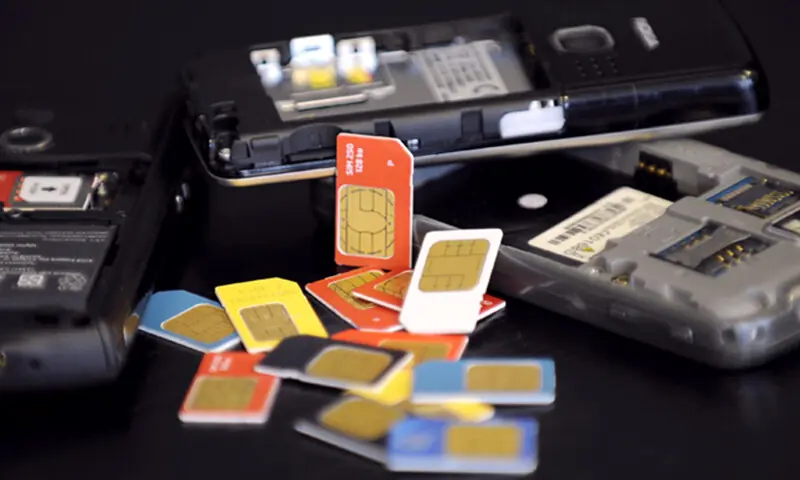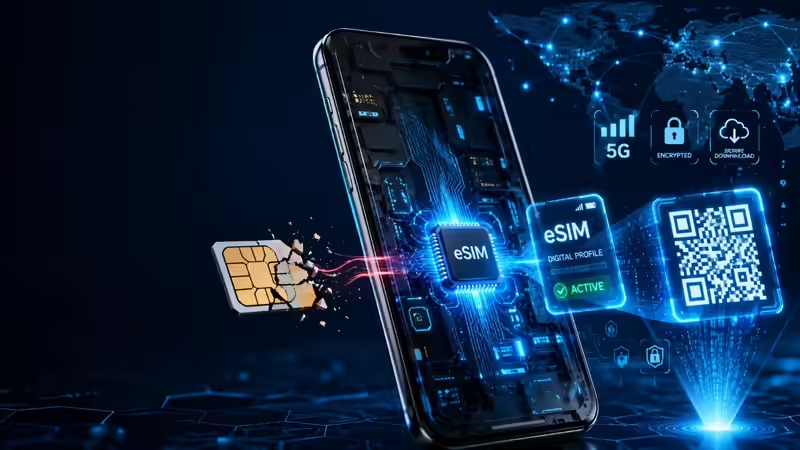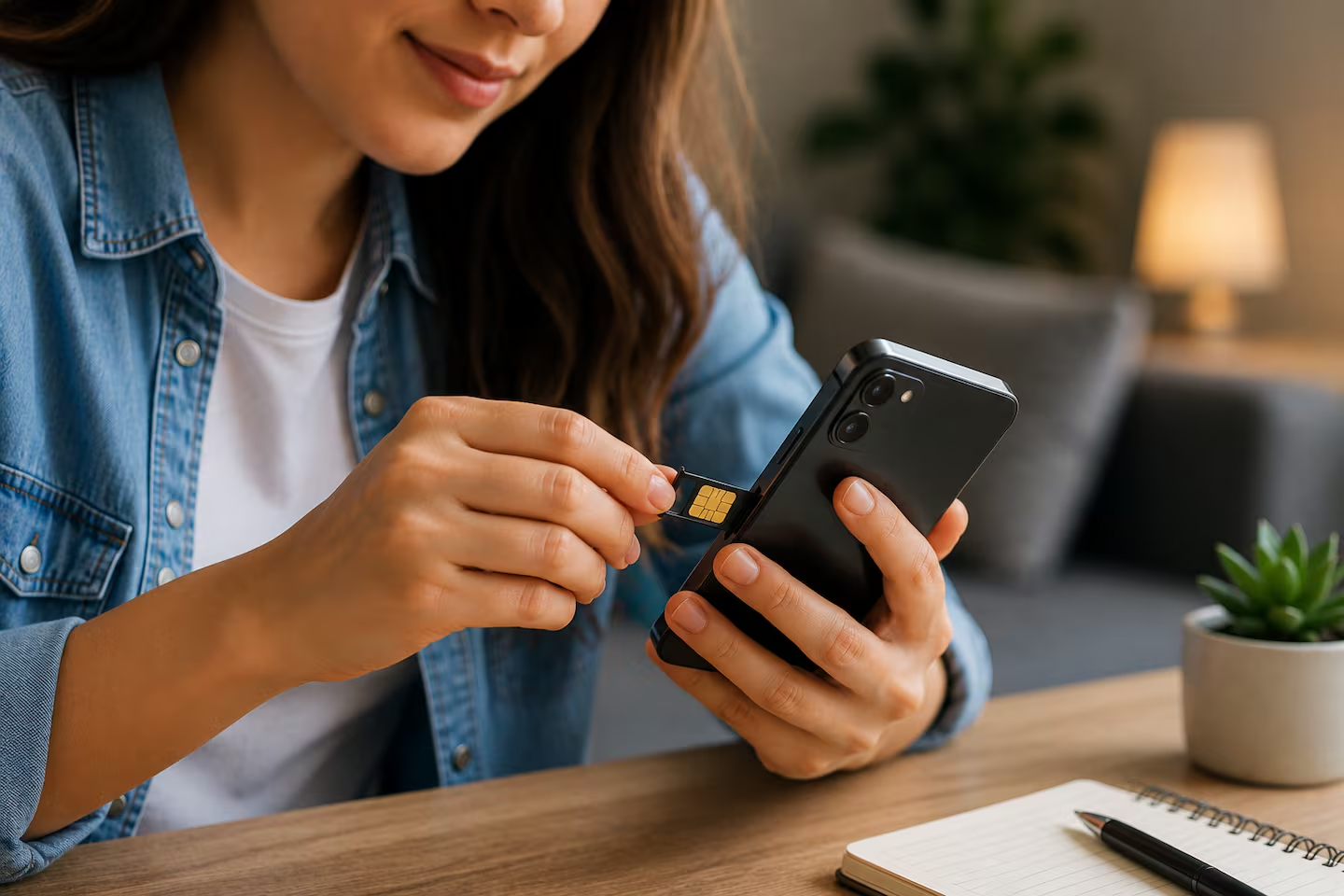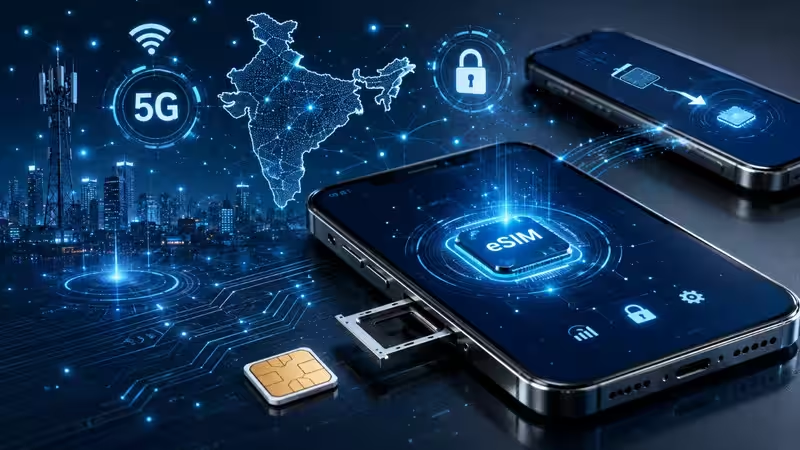
A physical SIM is still the safer default for most Indians who keep one important number for banking, UPI and OTPs. It can be removed from a dead phone and placed in a spare handset within minutes. An eSIM is the better choice for frequent travellers, people who need two numbers on one phone, and users who value protection against a thief simply removing the SIM. If your phone supports both, the most practical setup in 2026 is often a physical SIM for the primary number and an eSIM for a second or travel connection.That answer may sound conservative when eSIM is sold as the future. The reason has little to do with the quality of the technology. An eSIM and a physical SIM connect to the same carrier network. They do not create different 5G speeds, call quality or coverage by themselves. The real difference appears when something goes wrong: the phone stops working, the screen breaks, the device is stolen, an eSIM profile is deleted, or a new handset must be activated while the owner is away from home.About The AuthorAt heart, I am a storyteller drawn to the watershed moments that bend the technology landscape. I braid narrative with data, humanise statistics, and trace the arc from first spark to world-changing impact. My reportage, features and reviews are witty, sardonic, visual and vivid, using anecdote to illuminate rather than eviscerate.
eSIM vs Physical SIM in India: Which Is Safer for UPI, Travel and a Lost Phone in 2026?
For users in India, physical SIMs provide a straightforward recovery process for primary banking contacts, making them a reliable choice. In contrast, eSIMs shine in offering flexibility for frequent travelers and those desiring multiple numbers. While Airtel, Jio, and Vi have adopted eSIM technology, the processes for reclaiming numbers differ widely among them. Furthermore, the 24-hour SMS restriction can hinder OTP access after a SIM modification.
3,704 words~17 min read