Indian exporters are worried about the development, fearing it could further delay a return to normalcy
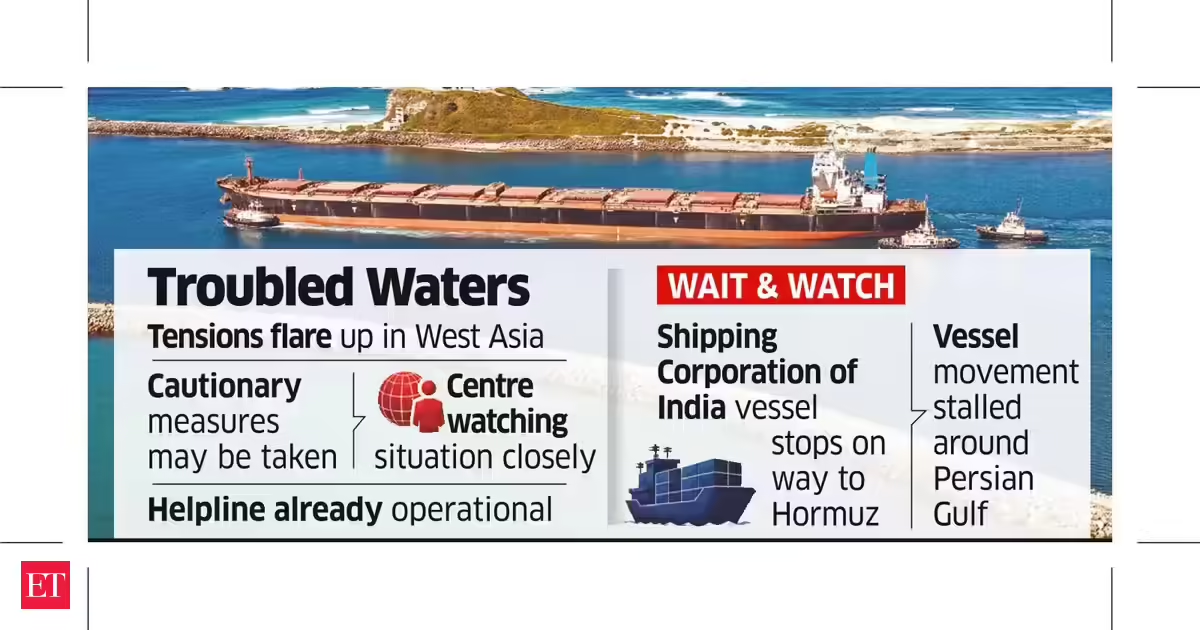
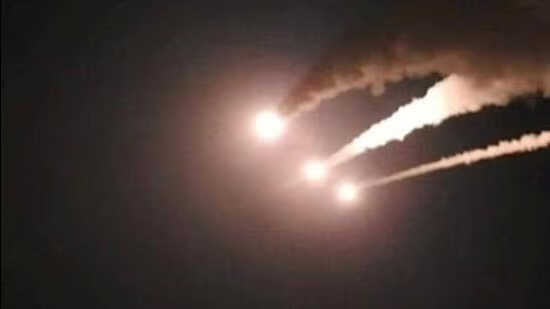
India is assessing the evolving situation in West Asia as tensions escalate to evaluate the potential impact on trade, shipping routes, energy supplies and overall economic interests, with officials closely monitoring developments before deciding on future action, sources said.“West Asia has seen its share of ups and downs, but this round of escalation looks far more serious. We are watching the situation closely, and if it continues, we will decide on the policy interventions required,” an official said.Fragile ceasefireThe latest flare-up comes after a fragile ceasefire between the US and Iran, announced only weeks ago following months of regional unrest, collapsed this month. Washington carried out fresh strikes on Iranian military infrastructure, saying the action followed attacks on commercial shipping and threats to regional security. Tehran retaliated with missile and drone strikes on locations linked to US interests in the Gulf, including facilities in Bahrain, Jordan, Kuwait and Oman, deepening fears of a wider conflict.Adding to the uncertainty, US President Donald Trump said on Monday that the US would position itself as the ‘guardian’ of the Strait of Hormuz and reinstate a blockade on Iranian vessels, while demanding a 20 per cent reimbursement on the value of all other cargo transiting the waterway to cover security costs. The proposal, posted on Truth Social, has raised fresh questions over shipping costs and trade flows through one of the world’s busiest energy corridors. Officials noted that Indian refiners have so far managed supply through a diversified import basket, with Russian crude anchoring a significant share of purchases, supplemented by barrels from Saudi Arabia, the UAE and other sources. However, LNG and LPG shipments are seen as more vulnerable given fewer short-term substitution options.Indian exporters are worried about the development, fearing it could further delay a return to normalcy.“If ships are not allowed through the Strait of Hormuz, freight rates will go up and lead times will increase. Both exports and imports will be impacted. Buyers will also prefer sourcing from countries with shorter lead times and lower freight costs,” said Sanjay Jain, a leading textiles exporter.Published on July 13, 2026