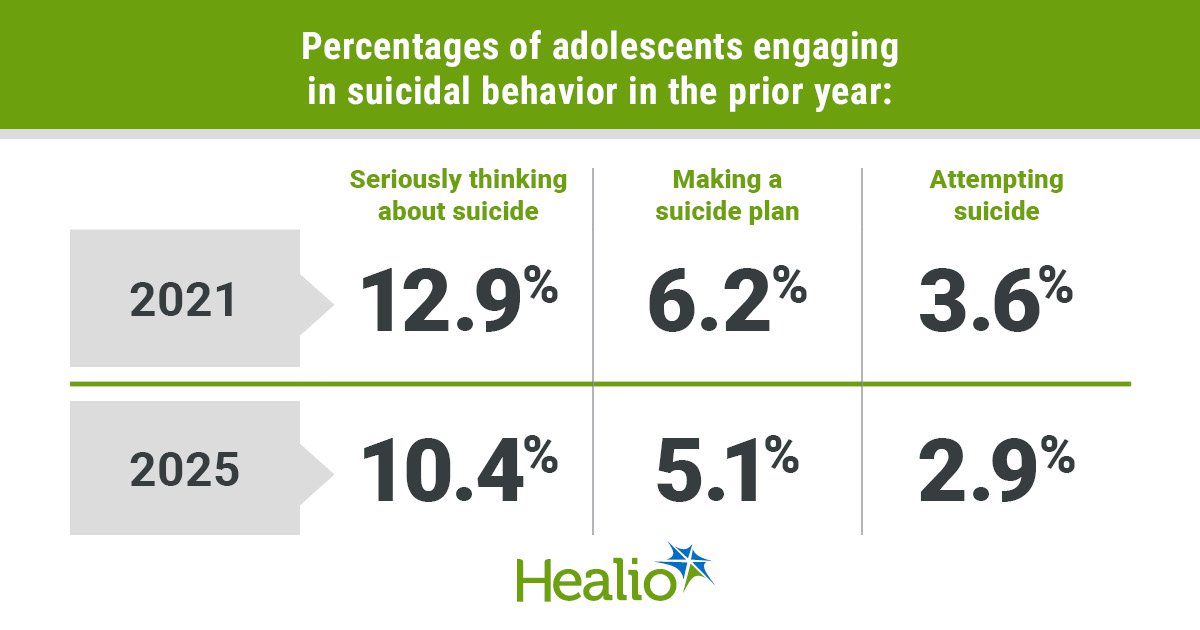
According to statistics by DSK, in the last three months 124 children attempted suicide and 37 children died by suicide.
Suicide prevention begins the moment we treat mental health crises not as a moral failing or a taboo secret, but as a critical, treatable health issue. It is a common misconception that there is nothing we can do to stop someone intent on ending their life.
In reality, suicide is rarely an impulsive choice made in a vacuum; it is the culmination of a long, exhausting struggle where options seem to run out.
This leaves windows of opportunity to intervene. By recognising subtle behavioural changes, starting compassionate conversations, and directing them to professional help, we can intercept despair. You don't have to fix everything—just help them hold on for one more day.
Do not hesitate to explicitly mention "suicide." Inquiring directly with questions like "Are you thinking about suicide?" or "Are you considering ending your life?" will not plant the thought in their mind. Rather, it demonstrates your capacity to share in their suffering and provides a safe space for them to speak candidly. Steer clear of ambiguous wording such as "doing something reckless."