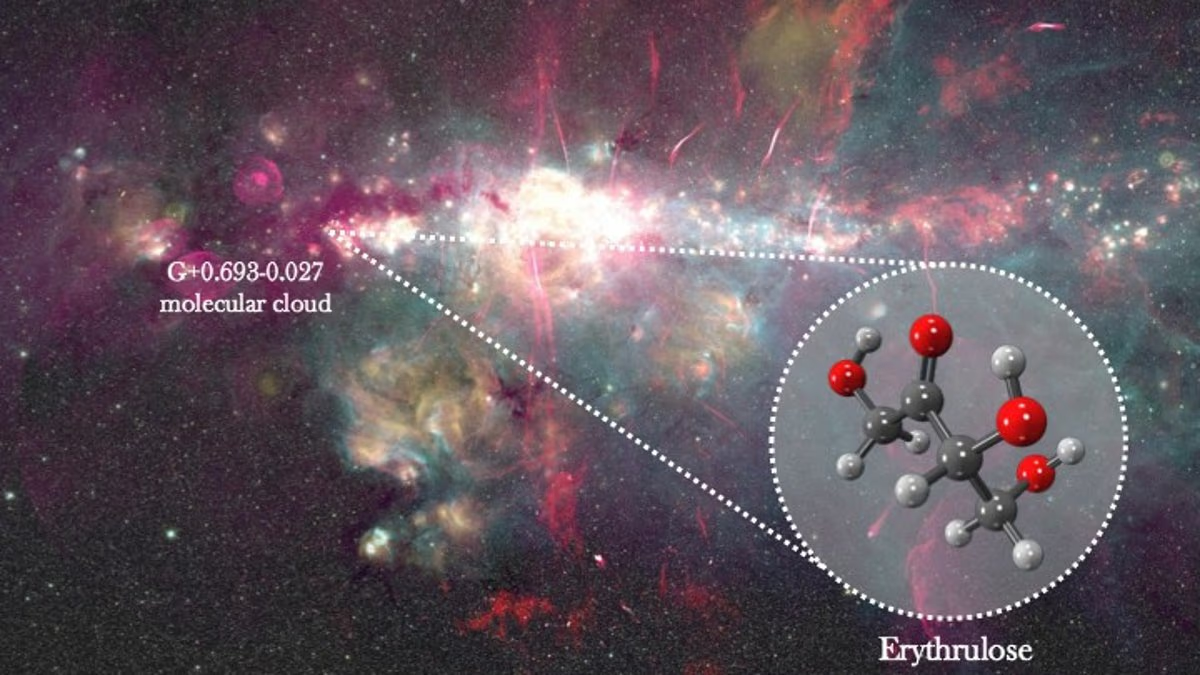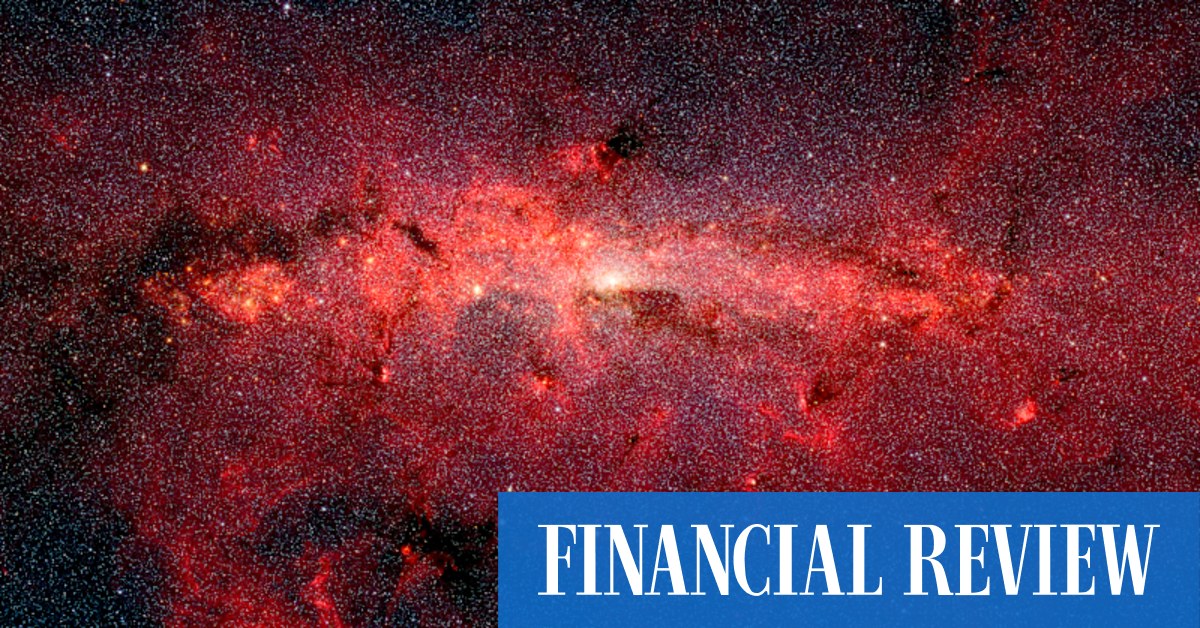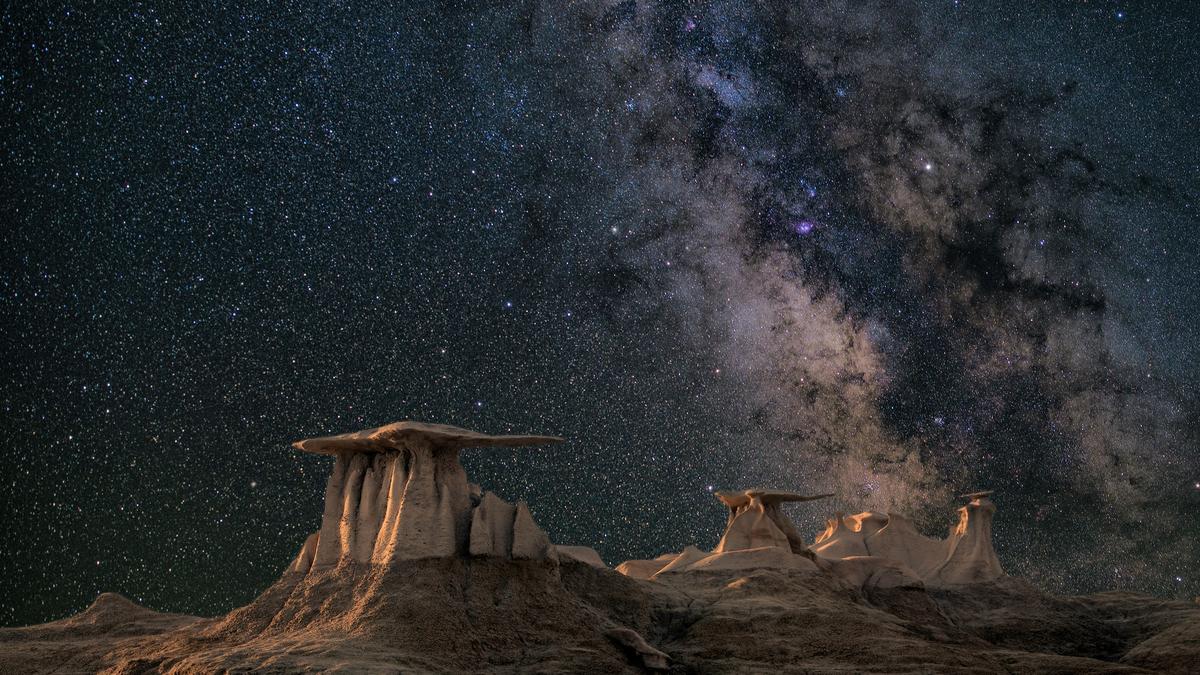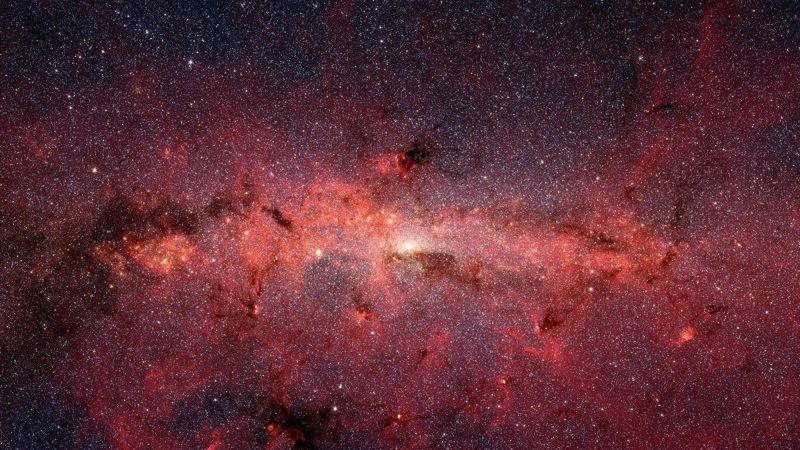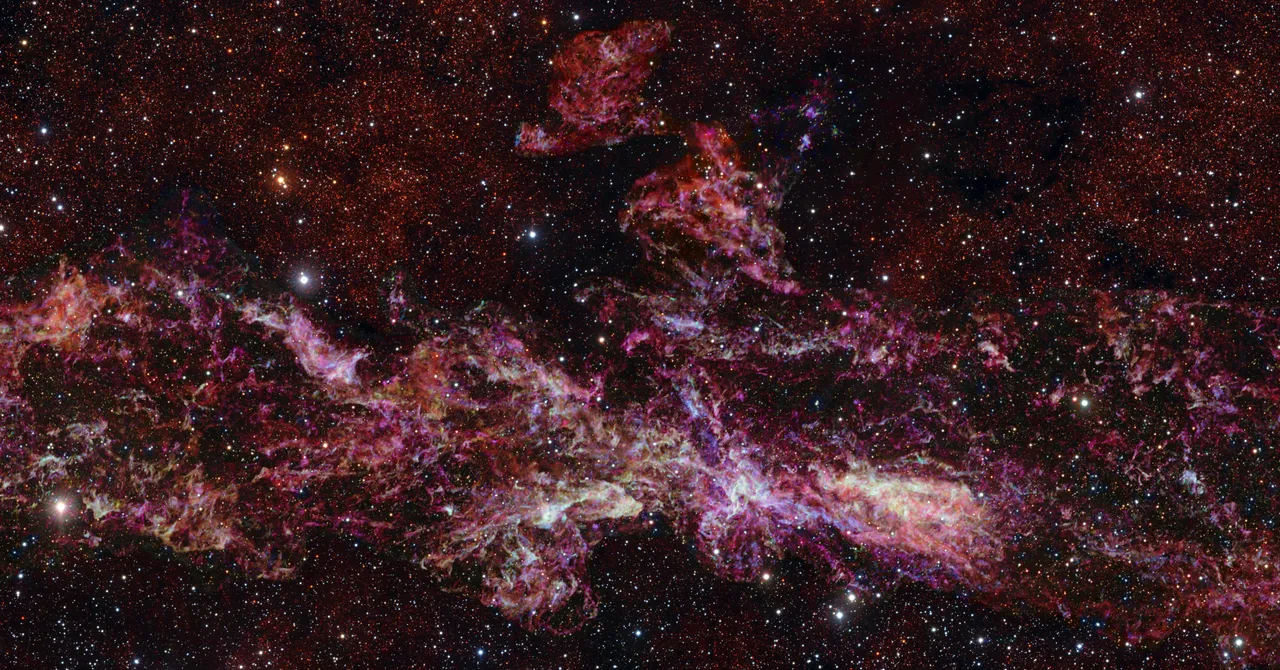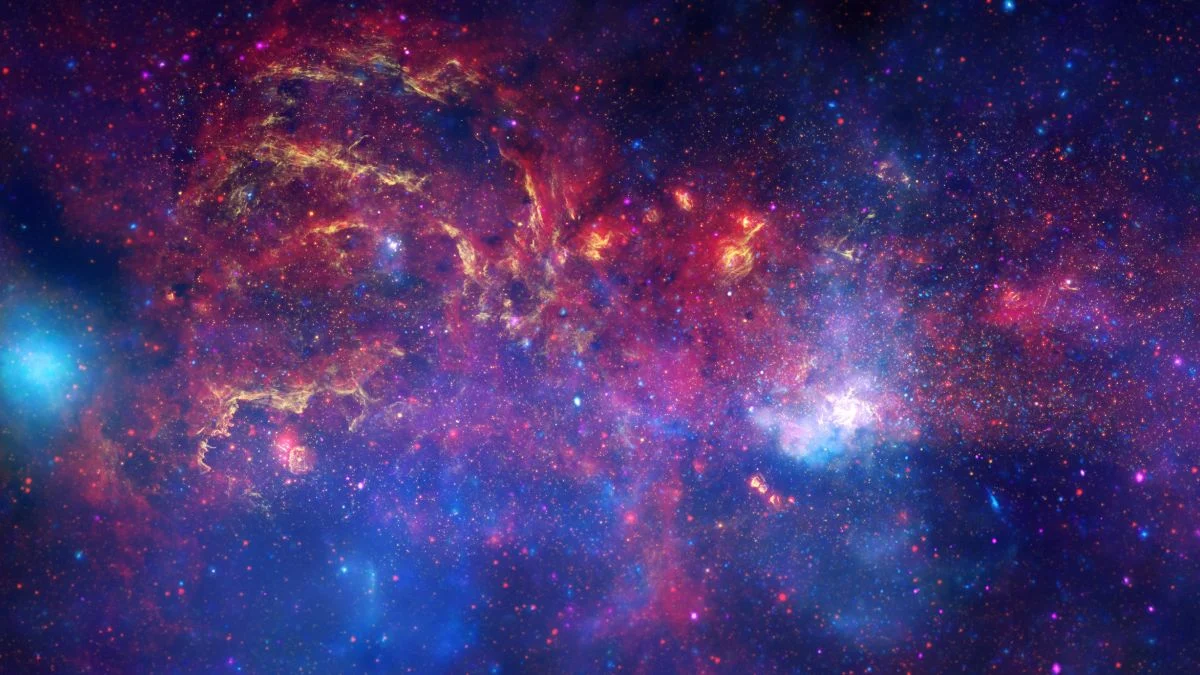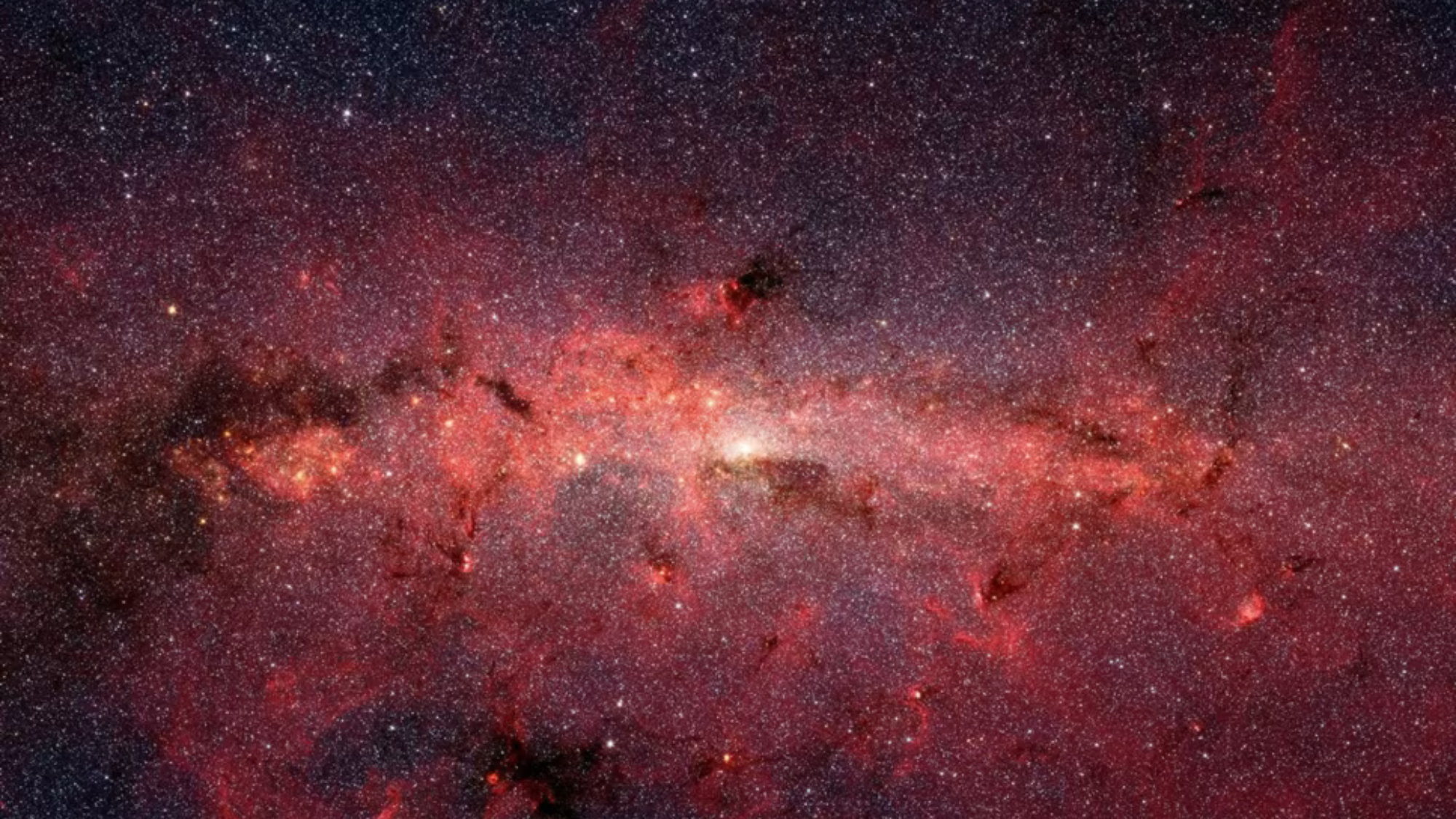
Astronomers have long suspected that sugar exists in deep space—frontiers beyond our solar system. That hypothesis was proven correct via samples from the asteroid Bennu, but scientists wanted to take things a step further: Was there a way to directly detect sugar in interstellar space? The answer to that question is a resounding yes, according to a paper published today in Nature Astronomy. Using the Yebes 40-meter and IRAM 30-meter radio telescopes in Spain, researchers report the first direct detection of erythrulose, a four-carbon sugar, in the molecular cloud G+0.693−0.027. For the discovery, the team analyzed spectral data collected from the cloud, located near the center of the Milky Way. The findings demonstrate that chemical complexity can emerge in space, even before stars or planets enter the picture. “Sugars are essential organic compounds because they represent the backbone of RNA and DNA,” Izaskun Jiménez-Serra, the study’s first author and an astronomer at the Center for Astrobiology in Spain, told Gizmodo. “Our goal was to determine whether sugars could already be synthesized in the molecular clouds where stars and planets are born.”
From raspberries to the stars On Earth, erythrulose is a sugar molecule that occurs naturally in red raspberries. According to Jiménez-Serra, in aqueous environments erythrulose changes into threose, which belongs to a family of simple nucleic acids and is a “possible evolutionary predecessor of RNA.” Erythrulose is an “especially relevant” compound for understanding the chemical history of life, she added.