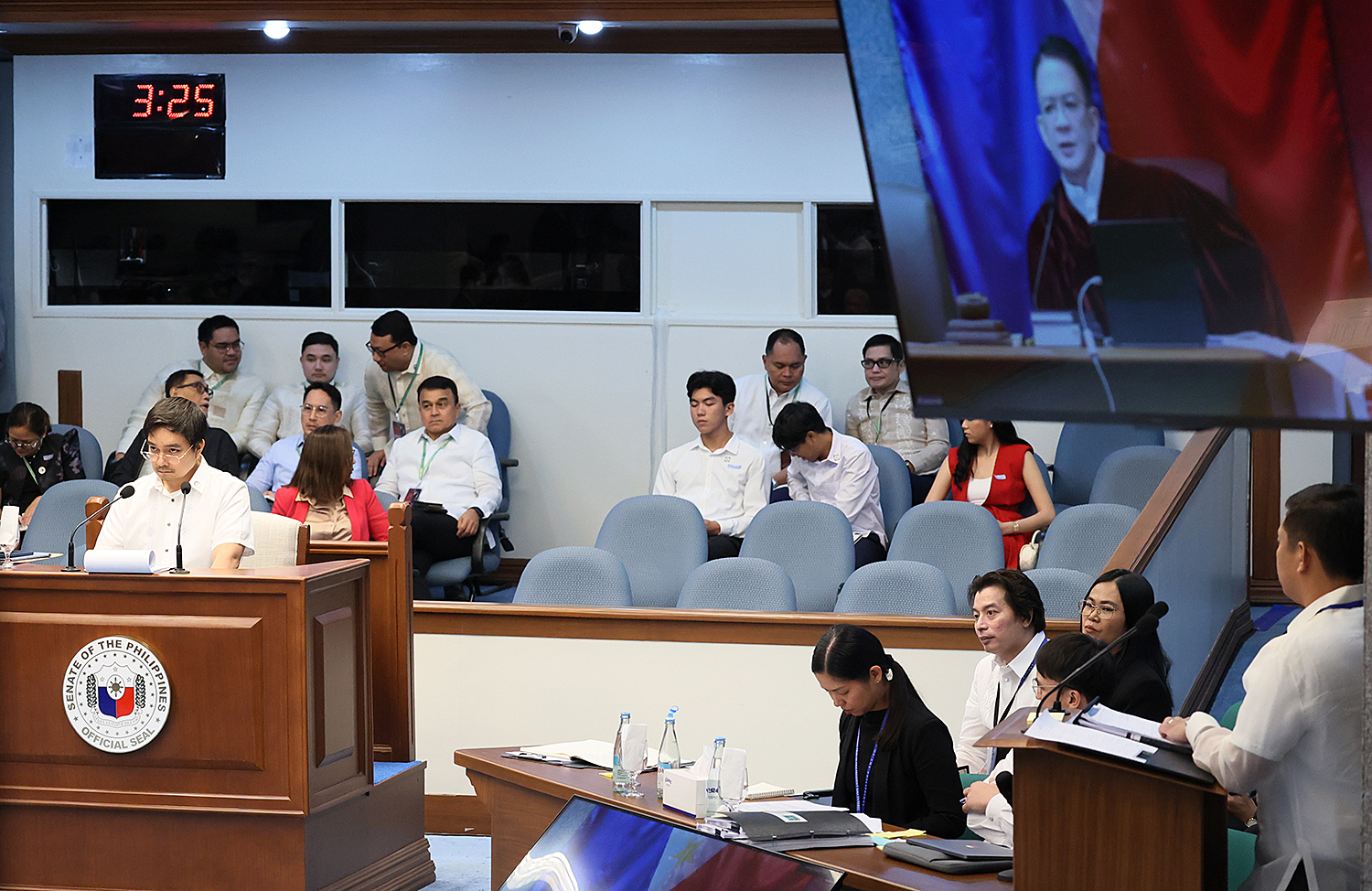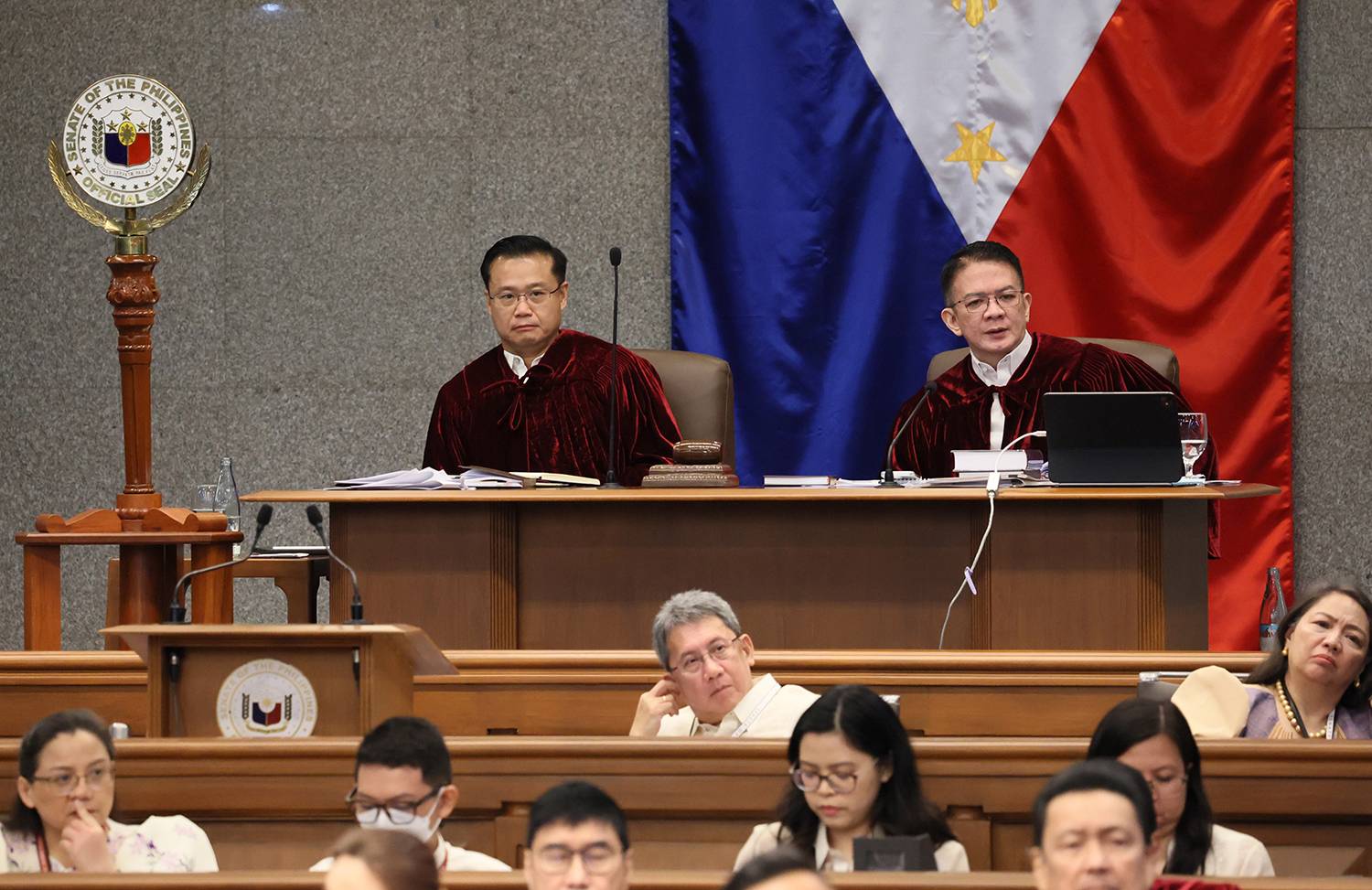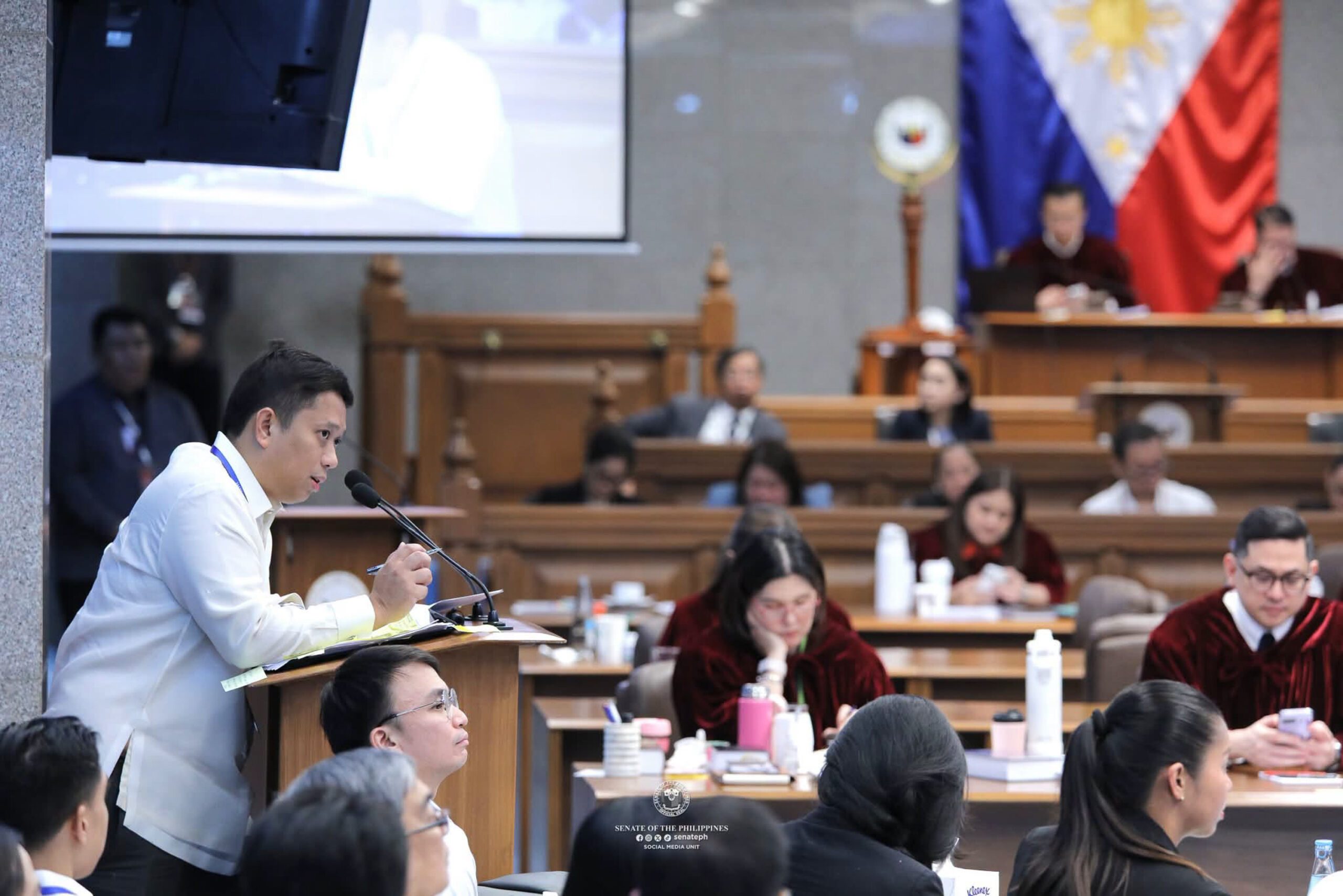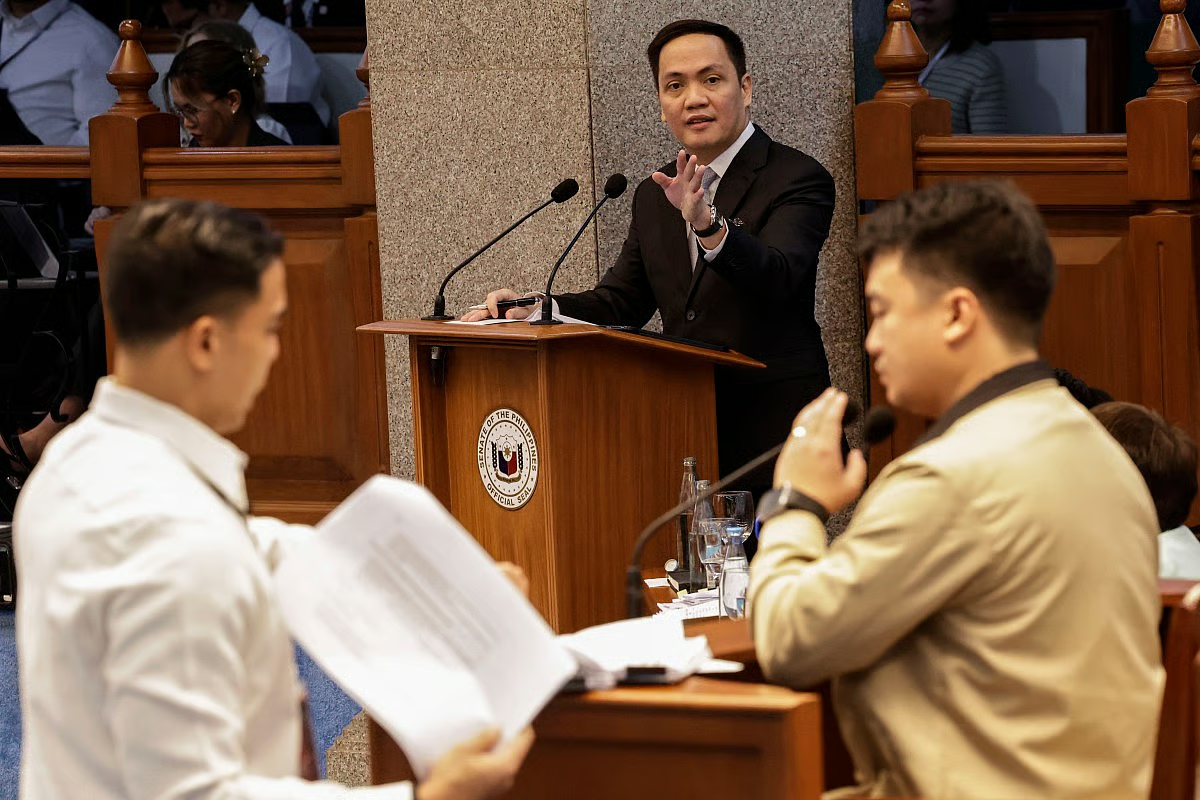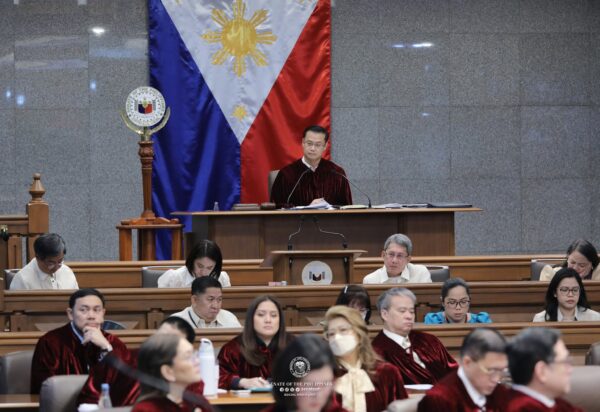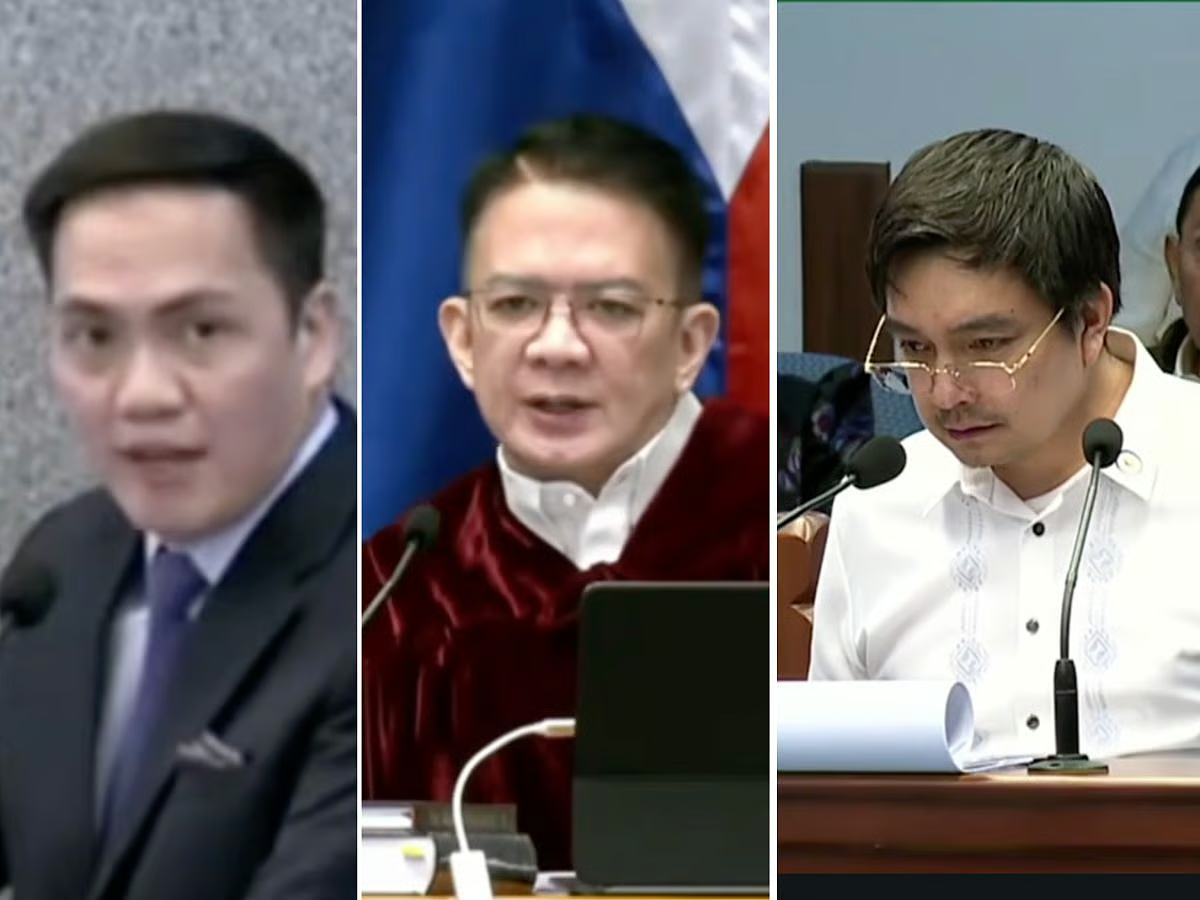
Courtroom erupts as lawyers battle over use of 'assassin' in Duterte caseLast updated: July 13, 2026 | 18:283 MIN READFrom left: Lead prosecutor Atty. Virgil Ligutan, Presiding officer Senator-Judge Francis Escudero, and National Bureau of Investigation (NBI) Regional Director and senior agent Atty. Jeremy Lotoc.Senate of the PhilippinesManila: A dispute over the use of the word "assassin" dominated Day 4 of Vice President Sara Duterte's impeachment trial on Monday (July 13, 2026).Get updated faster and for FREE: Download the Gulf News app now - simply click hereThis underscores how both the prosecution and defence are battling not only over facts but also over the language used to describe Duterte's controversial remarks about President Ferdinand Marcos Jr., First Lady Liza Araneta-Marcos and former House Speaker Martin Romualdez.It's just one of the Articles of Impeachment forwarded by the prosecution (members of the House of Representatives).The courtroom exchange erupted during the testimony of National Bureau of Investigation (NBI) Regional Director and senior agent Atty. Jeremy Lotoc, who was called as part of the defence's case.Defence lawyer Atty. Mark Vinluan objected to the prosecution's repeated use of the term "assassin" while questioning Lotoc. 'Prejudicial'Vinluan argued that the characterisation was prejudicial and improperly framed the issues before the Senate impeachment court.Lead prosecutor Atty. Virgil Ligutan defended his choice of words, saying the term was not his own invention. He argued that, based on Lotoc's earlier testimony, both the Philippine National Police (PNP) and the Presidential Communications Office (PCO) had previously used the word "assassin" in connection with their official assessments of the alleged threat. Ligutan maintained that he therefore had a factual basis for using the same terminology during his examination of the witness.The exchange prompted discussion among senator-judges over courtroom language and the extent to which prosecutors may rely on terms previously used by government agencies without prejudging the case.Assassin: The word "assassin" traces its roots to the 12th-century Arabic word hashshashin, which means "hashish-users". It was a derogatory nickname used by enemies to describe the Nizari Isma'ili, a secretive military order active in Persia and the Levant during the Crusades. The term entered European languages via medieval French and Italian as assassini. Historically, the group was famous for carrying out targeted political assassinations of high-ranking leaders.Central allegationThe debate stems from one of the central allegations in the impeachment complaint — Article IV, which accuses Duterte of making a grave threat after publicly stating that she had instructed someone to "kill" President Marcos, the First Lady and Romualdez if she herself were assassinated. Prosecutors contend the statement constituted a real and serious threat against the country's highest officials.The defence maintains it was a conditional, "no joke" remark taken out of context and not an actual order or criminal conspiracy.Defence challenges prosecutionMonday's proceedings also marked the continued presentation of the defence's evidence, including testimony aimed at challenging the prosecution's narrative surrounding the alleged threats and the government's subsequent investigation.With the trial now entering the defence phase, both camps are increasingly focused on shaping how senator-judges interpret the Vice President's words — a key issue that could determine whether the statements amount to an impeachable offense or protected political speech.Day 7: The Senate impeachment court is expected to resume hearings on Tuesday as the defence continues presenting witnesses and documentary evidence.Also In This PackageGet Updates on Topics You ChooseUp Next
Day 4: 'Assassin' sparks Philippine courtroom clash, Sara Duterte impeachment trial turns on one word
Sara Duterte impeachment trial heats up on Day 4 as the term ‘assassin’ triggers a courtroom clash over alleged threats against President Marcos and key allies.
554 words~3 min read