What is cloud native? Cloud native defined
The term “cloud-native computing” encompasses the modern approach to building and running software applications that exploit the flexibility, scalability, and resilience of cloud computing. The phrase is a catch-all that encompasses not just the specific architecture choices and environments used to build applications for the public cloud, but also the software engineering techniques and philosophies used by cloud developers.
The Cloud Native Computing Foundation (CNCF) is an open source organization that hosts many important cloud-related projects and helps set the tone for the world of cloud development. The CNCF offers its own definition of cloud native:
Cloud native practices empower organizations to develop, build, and deploy workloads in computing environments (public, private, hybrid cloud) to meet their organizational needs at scale in a programmatic and repeatable manner. It is characterized by loosely coupled systems that interoperate in a manner that is secure, resilient, manageable, sustainable, and observable.
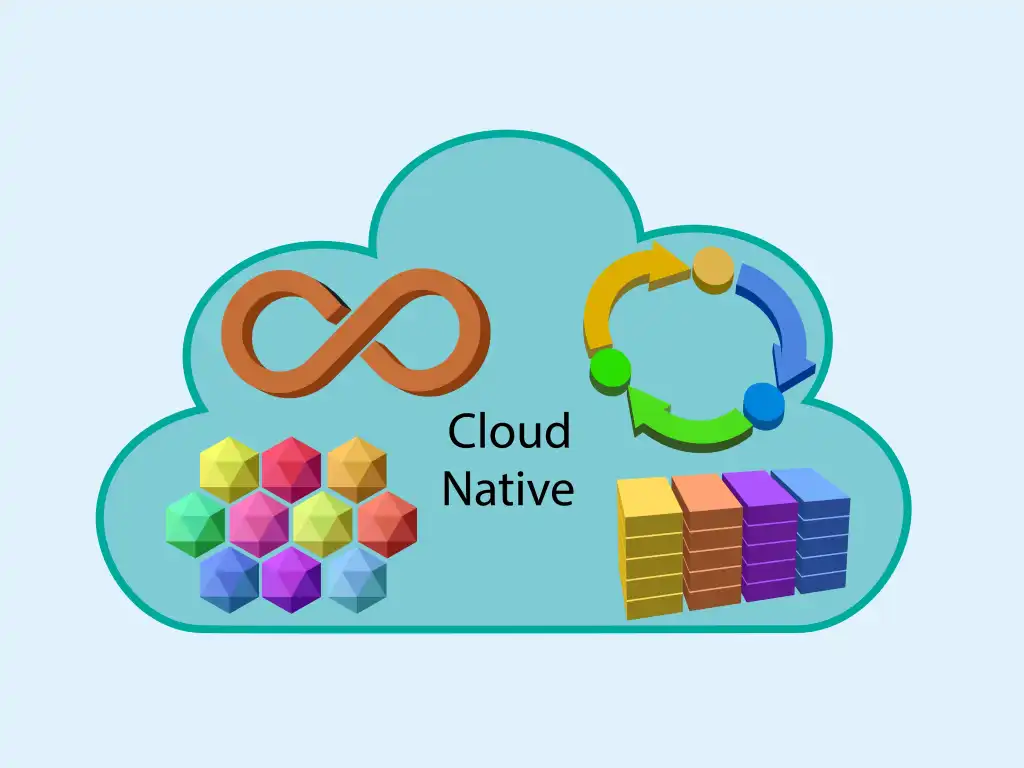
Cloud native technologies and architectures typically consist of some combination of containers, service meshes, multi-tenancy, microservices, immutable infrastructure, serverless, and declarative APIs — this list is not exhaustive.