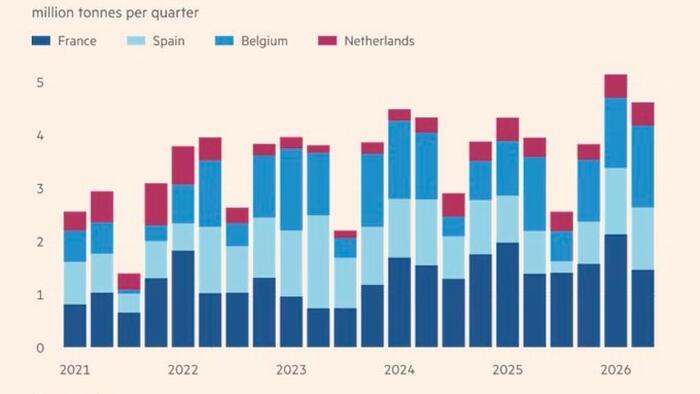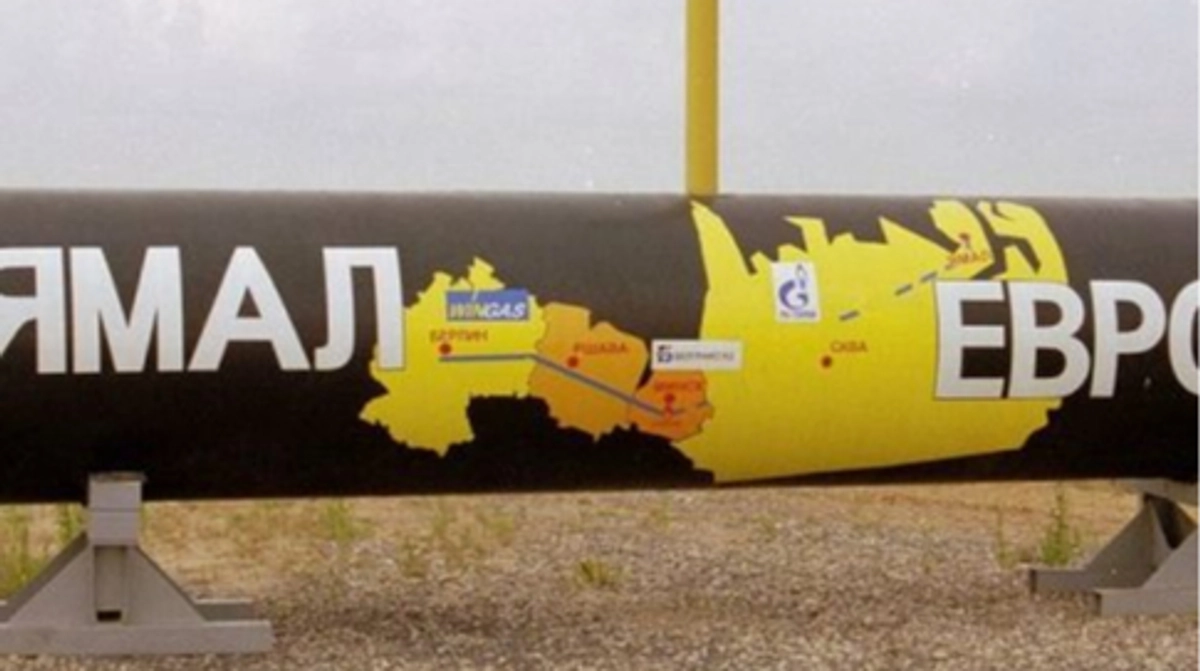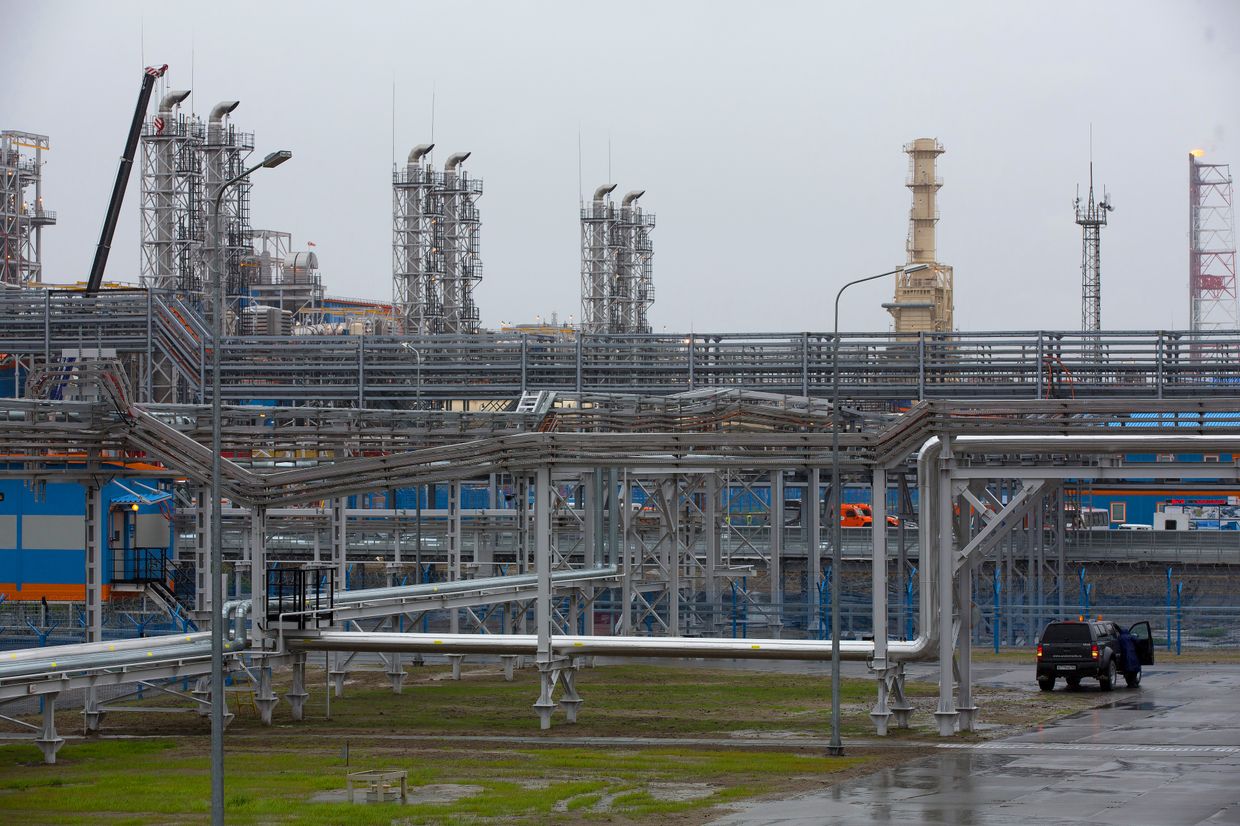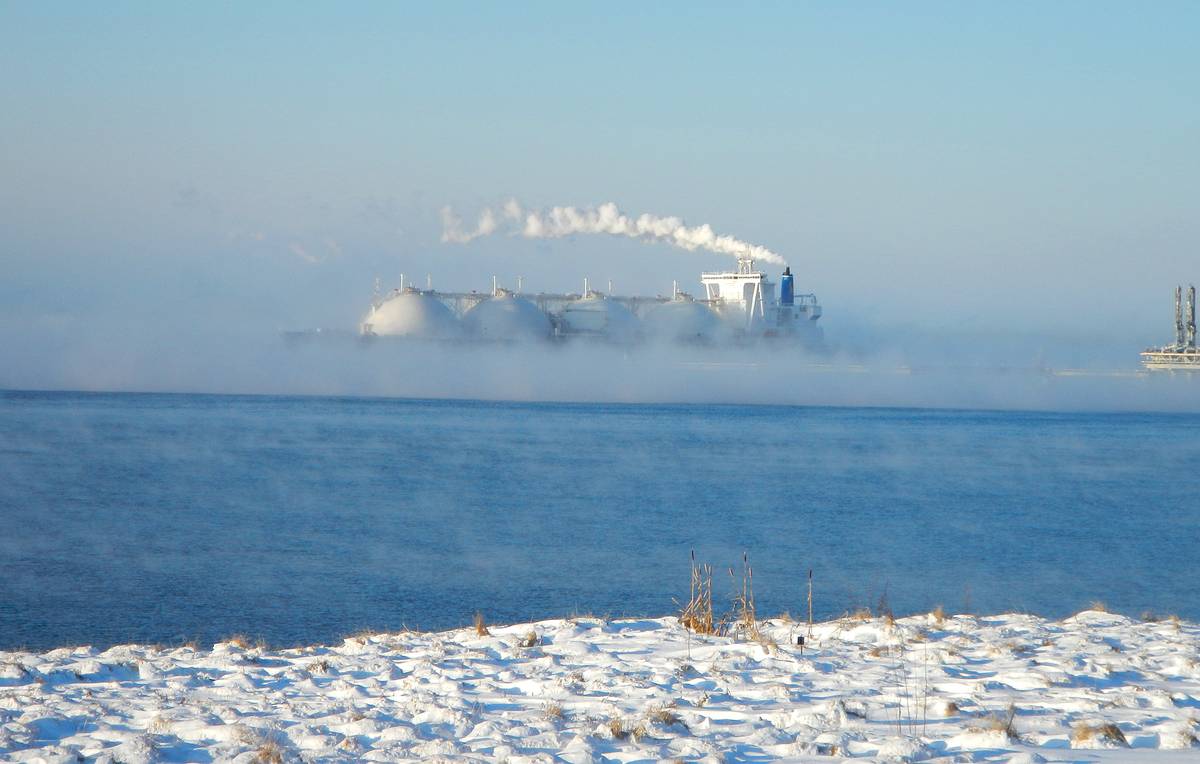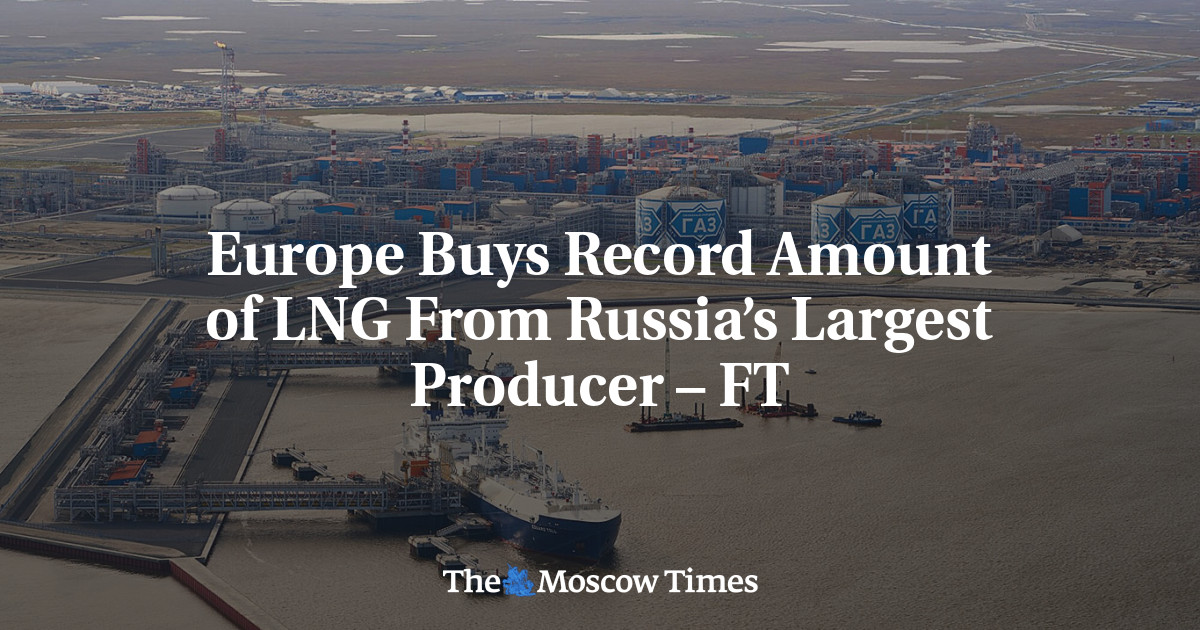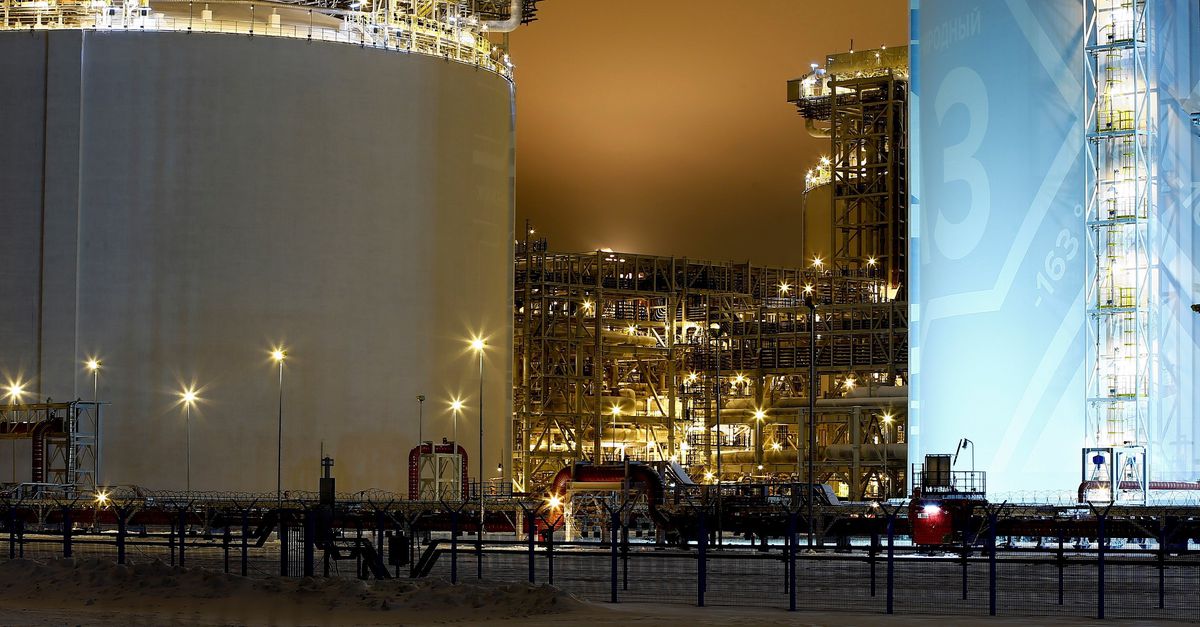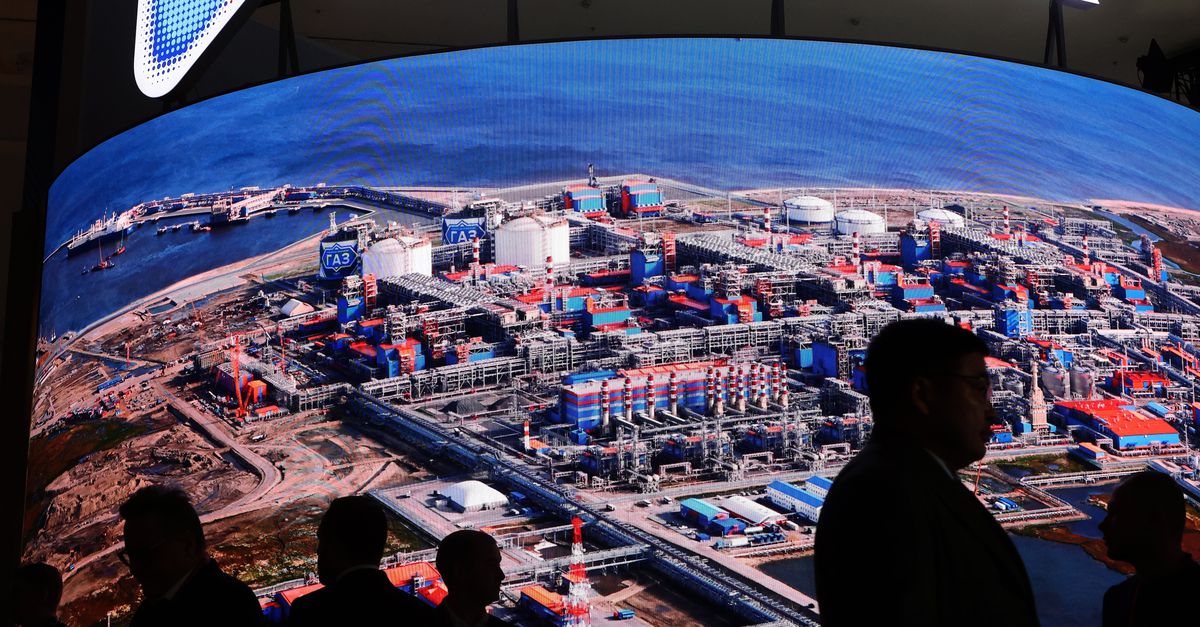
The European Union imported a record 9.97 million metric tons of liquefied natural gas (LNG) worth €5.96 billion (~$6.82 billion) from Russia's Yamal LNG facility in the first half of 2026, marking a 16% increase compared to the same period in 2025 as they front-loaded Russian energy supplies ahead of impending phase-out bans. Kpler data shows that European buyers absorbed over 97% of the Siberian facility's total output during the first half of the year, despite years-long efforts to overcome dependency on Russian energy.Overall EU imports of Russian LNG increased by 11% Y/Y during the period, while imports of Russian pipeline gas increased 7%Y/Y, according to the data.Supply bottlenecks in the Middle East, including blockades in the Strait of Hormuz and damage to Qatari infrastructure, forced European buyers to lean heavily on readily available Arctic gas.The EU's ban on short-term Russian LNG imports went into effect on April 25, 2026, under the REPowerEU Gas Regulation. However, exemptions built into the regulation have allowed European buyers to maintain or even accelerate their intake of Russian gas before a complete blanket ban takes effect on January 1, 2027. While LNG faces tighter initial phase-outs, pipeline imports from Russia under short-term legacy contracts were given until June 17, 2026 while long-term pipeline gas remains legally permitted until September 30, 2027.Set OilPrice.com as a preferred source in Google here.France, Belgium, and Spain are the largest buyers of LNG from the Yamal facility, while Hungary is the largest buyer of pipeline gas shipments delivered via the TurkStream pipeline.Meanwhile, Hungary and Slovakia continue to receive Russian crude via the southern branch of the Druzhba pipeline as they hold official temporary exemptions from the EU's embargo on Russian seaborne oil. A Russian airstrike damaged the pipeline in Ukraine, entirely halting oil flows to both nations for nearly three months. Both were forced to rely on emergency reserves and alternative routes such as Croatia's Adria pipeline during the disruption.In response, Hungary and Slovakia have agreed to construct a new 127 km pipeline exclusively to transport refined oil products between their respective major refineries.By Alex Kimani for Oilprice.com More Top Reads From Oilprice.comIran Strikes 5 Gulf Countries as Regional Escalation ContinuesU.S. LNG Exporter Reaps Windfall as Middle East Turmoil Drives Fees HigherNigeria’s Oil Production Hits Six-Year High as Middle East Risks Return
EU's Russian LNG Imports Hit Record High Ahead of 2027 Ban | OilPrice.com
The EU imported a record 9.97 million metric tons of Russian LNG in the first half of 2026, front-loading supplies ahead of a full 2027 import ban.
383 words~2 min read