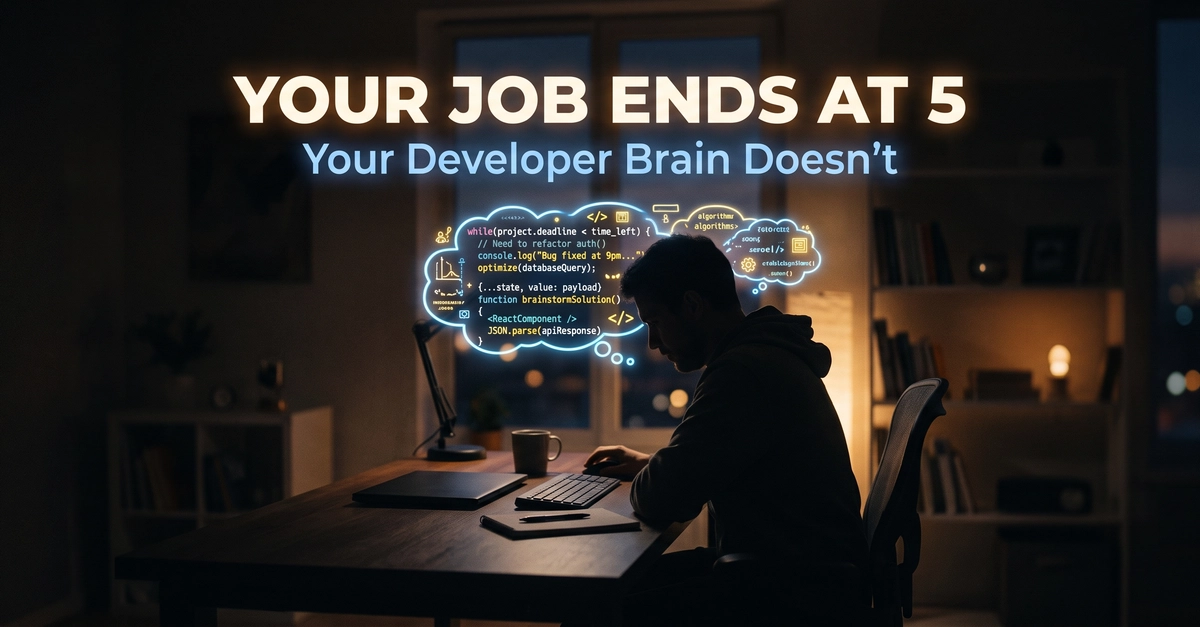
Open your laptop right now and count the tabs. A code editor, three browser windows, a Slack sidebar blinking with unread threads, a ticketing board, a documentation page you never finished reading, and probably a phone somewhere nearby doing its own quiet buzzing. This is not a special case. This is simply what a workday looks like for most software developers in 2026, and it has been building toward this point for close to two decades.
The modern development environment was not designed with human attention in mind. It was designed for speed, visibility, and constant availability. Every tool that makes a team more responsive — instant messaging, live pull request comments, real-time dashboards — also places demands on attention that appear to exceed what our cognitive systems handle efficiently over long periods. For a while, this seemed like a manageable tradeoff. More recently, research in cognitive psychology and neuroscience has begun to suggest it might not be.
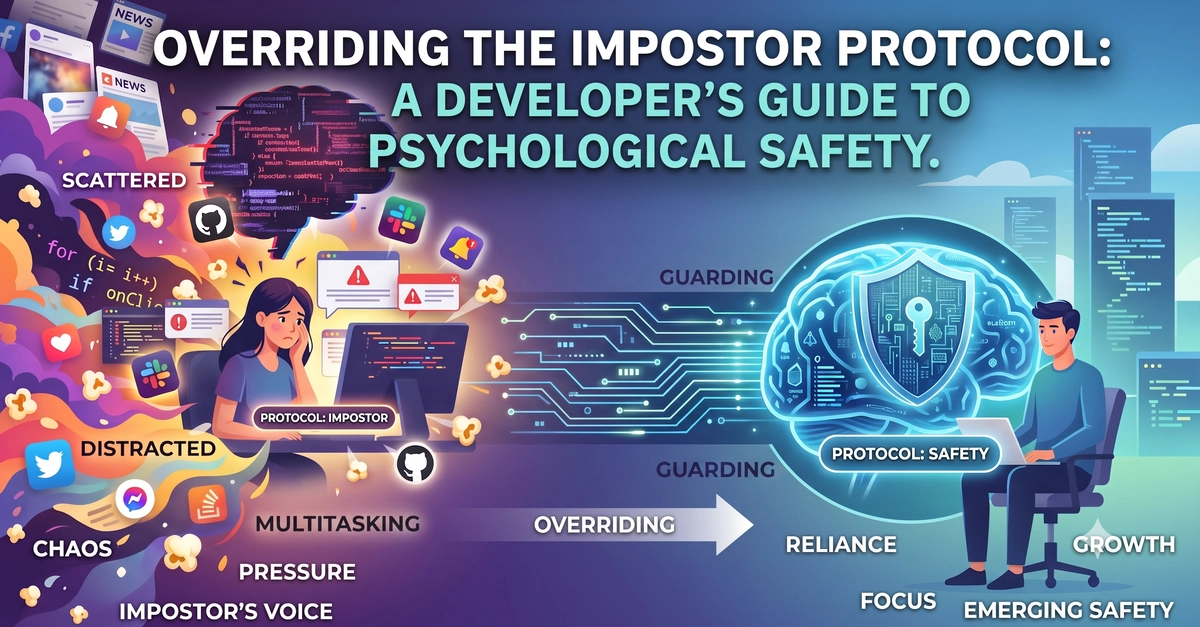
This piece looks at what happens inside the brain when fractured, high-switching screen use becomes a daily habit rather than an occasional one. It covers the psychological term "popcorn brain," what neuroimaging research actually shows about gray matter and attention circuitry, why a scroll break rarely feels restful even though it looks like one, and what a research-informed reset might look like for someone who spends most of their waking hours moving between code, chat, and documentation. None of this is presented as settled medical fact. Brain science in this area is still young, mostly correlational, and worth approaching with some caution — but the direction of the evidence is consistent enough to take seriously.