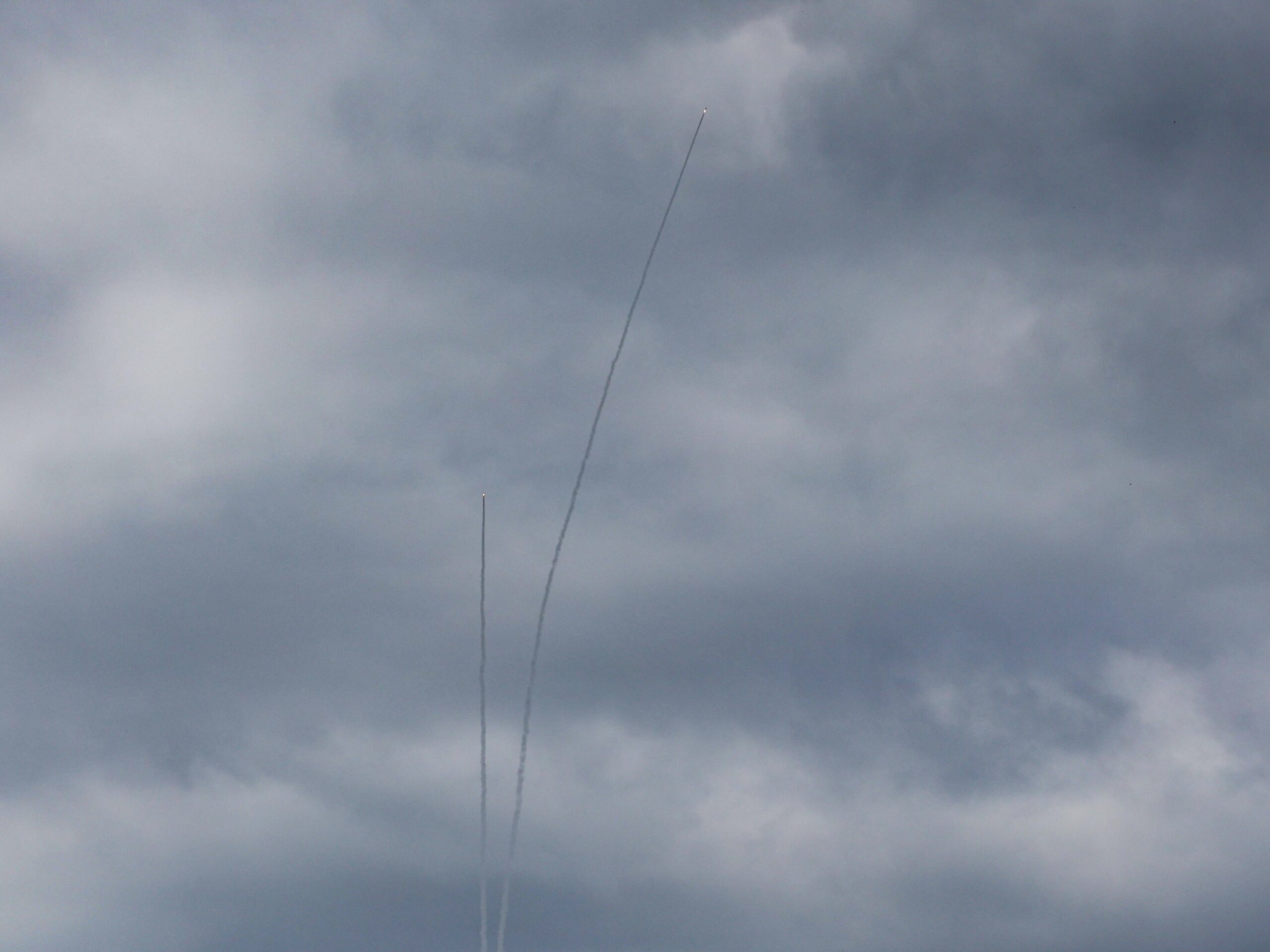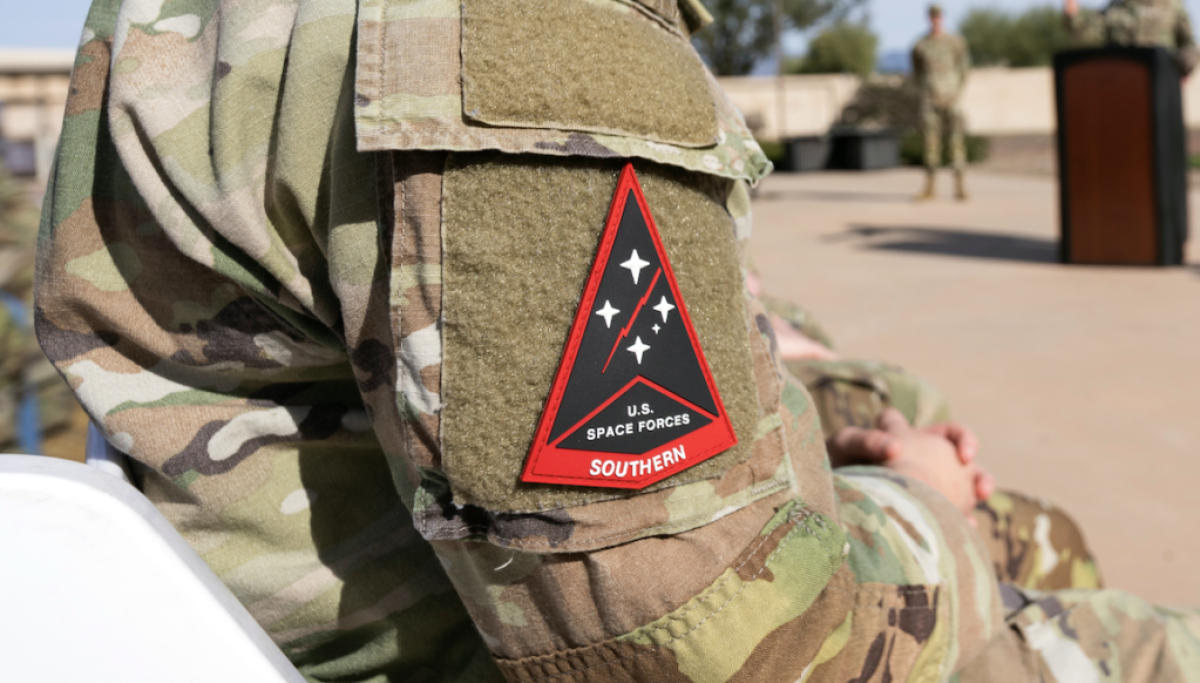
Hypersonic weapons and long-range drones are straining the homeland defense assumptions that helped keep America safe after World War II. They have already shaped battlefields in Ukraine and Israel, and future variants will be designed to reach farther, fly lower, maneuver harder, and overwhelm legacy defenses. Meeting that threat will require two longtime rivals — Colorado Springs and Huntsville, Alabama — to turn decades of competition into a national security advantage and build the Golden Dome missile shield capable of detecting, tracking, and defeating the next generation of aerial threats.The danger is not theoretical. Hypersonic weapons can carry nuclear or conventional payloads, fly at extreme speeds, and maneuver unpredictably in flight. Long-range drones, as Iran and Russia have shown, can be launched in large numbers, from unconventional platforms, and used to saturate defenses. The United States needs a homeland defense architecture that can see the threat early, pass the data quickly, and engage it affordably before it reaches American cities, bases, and critical infrastructure.Meeting that threat falls in significant part to Colorado Springs and Huntsville. They have competed since the dawn of the Space Age, most recently in a bruising fight over U.S. Space Command. But the requirements of the Golden Dome map directly across both communities. Colorado Springs is the operational center of America’s national security space enterprise, with the sensors, space operators, and command-and-control cells needed to detect and track missile and drone threats. Huntsville is the heart of American missile defense, where the engineering, integration, interceptors, and directed-energy capabilities needed to defeat those threats are built.
Rival cities must join forces to build Golden Dome
Colorado Springs is not stepping back from this mission. We are stepping into a larger version of it, alongside a city being asked, like us, to do more.
1,266 words~6 min read