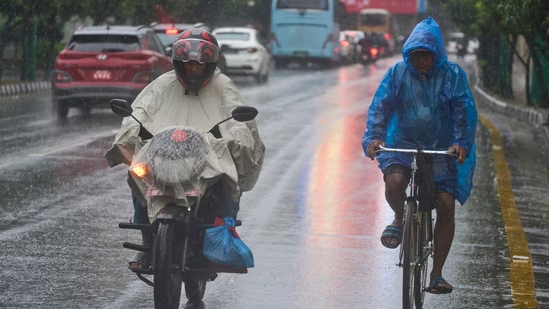
Monsoon pregnancy precautions every mother-to-be should follow. (Unsplash) From food safety to preventing infections, here are practical precautions to help you navigate the rainy season safely as a would-be mother.Pregnancy is a crucial phase, and women should make sure to be attentive when it comes to their well-being. The rainy season can increase the risk of infections, slips, dehydration, and mosquito-borne diseases during pregnancy. Heavy rains, waterlogging, high humidity, contaminated food and water, and an increase in mosquitoes can lead to various health issues in women. In an interview with HT Lifestyle, Dr Smiti Jain, consultant obstetrician and gynaecologist at Motherhood Hospitals, Greater Noida, shared precautions every pregnant woman should take during those rainy days.Also read | Thinking of delaying motherhood? Gynaecologist shares key facts about fertility after 30 that every woman should knowDrink boiled waterDr Smiti highlighted that it will be crucial for pregnant women to make sure to drink boiled, filtered, or purified water. This will help to reduce the risk of water-borne infections such as diarrhoea and hepatitis A and keep them healthy. If you are required to travel for work or even to the hospital for a doctor’s appointment, then just carry a bottle of water.Eat home-cooked foodDr Smiti advises that pregnant ladies should ensure to eat freshly prepared, home-cooked meals and avoid stale food, raw salads from outside, and unhygienic street food, which may carry harmful bacteria and make you sick. Try to avoid junk, spicy, oily, canned, and processed foods.Try to avoid junk, spicy, oily, canned, and processed foods. (Unsplash)Ensure enough hydration throughout the day“It is necessary to drink at least 12-15 glasses of water per day. Have soups, coconut water to prevent dehydration. Don’t have outside juice during the monsoon,” highlighted Dr Smiti.Protect from dengue and malariaPregnant women should prevent dengue and malaria by avoiding mosquito bites, wearing full-sleeved clothing, and keeping the surroundings free from stagnant water.Personal hygiene is crucialWash your hands with soap and water before eating and after returning home, and follow cough etiquette.Wear appropriate footwearWet floors and slippery roads increase the risk of falls. Choose footwear with a good grip and walk carefully without falls or injuries.Keep clothes and feet dryChange wet clothes and footwear to be able to prevent fungal infections, skin rashes, and even discomfort. Hygiene shouldn't be overlooked during the monsoon.Diet should be prioritised during the monsoonAccording to Dr Smiti, opt for fresh fruits, vegetables, whole grains, pulses, dairy products, nuts, and protein-rich foods that will help to boost immunity and ensure your baby's growth. Say NO to junk, spicy, oily, canned, and processed foods.Check-upsDo not miss the antenatal check-ups even during the monsoon. Be attentive when it comes to your well-being.Do not miss the antenatal check-ups even during the monsoon. (Pexel)Sleep well every dayGet at least eight hours of sleep daily, walk indoors or do light exercises as advised by the doctor, de-stress by doing yoga and meditation, and stay healthy during the monsoon.About doctorDr Smiti Jain did MBBS, DGO, MRCOG (UK) DNB Obstetrics and fellowship in Cosmetic Gynaecology. She is known for her expertise in obstetrics, gynaecology, laparoscopy, and cosmetic gynaecology. Note to readers: This article is for informational purposes only and not a substitute for professional medical advice. Always seek the advice of your doctor with any questions about a medical condition.Anukriti Srivastava thrives at the intersection of words and voice, where journalism meets storytelling. A digital editor and journalist with over 5 years of experience, she has written across lifestyle, women issues, relationships, entertainment, fashion, and travel. She did her Masters in Broadcast Journalism and has published more than 500+ lifestyle content pieces across platforms.
Gynaecologist Dr Smiti Jain shares monsoon pregnancy precautions every mother-to-be should follow
From food safety to preventing infections, here are practical precautions to help you navigate the rainy season safely as a would-be mother. | Health
799 words~4 min read