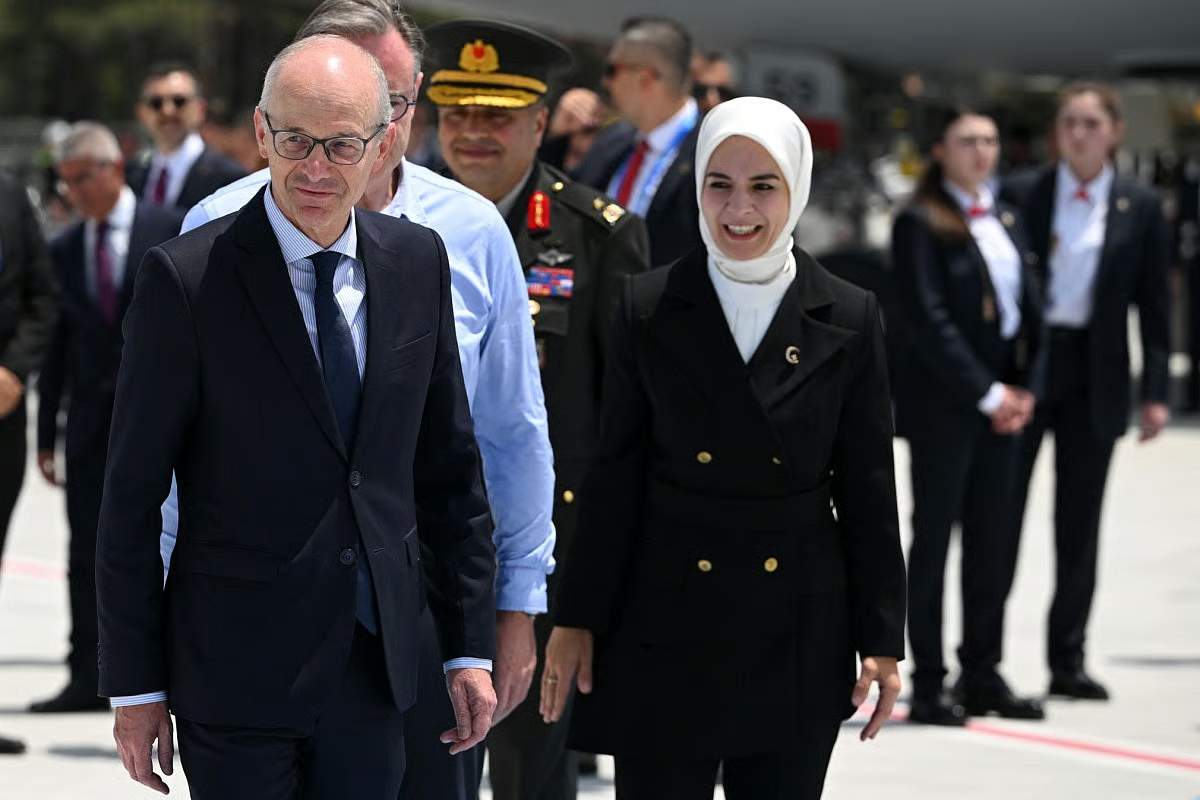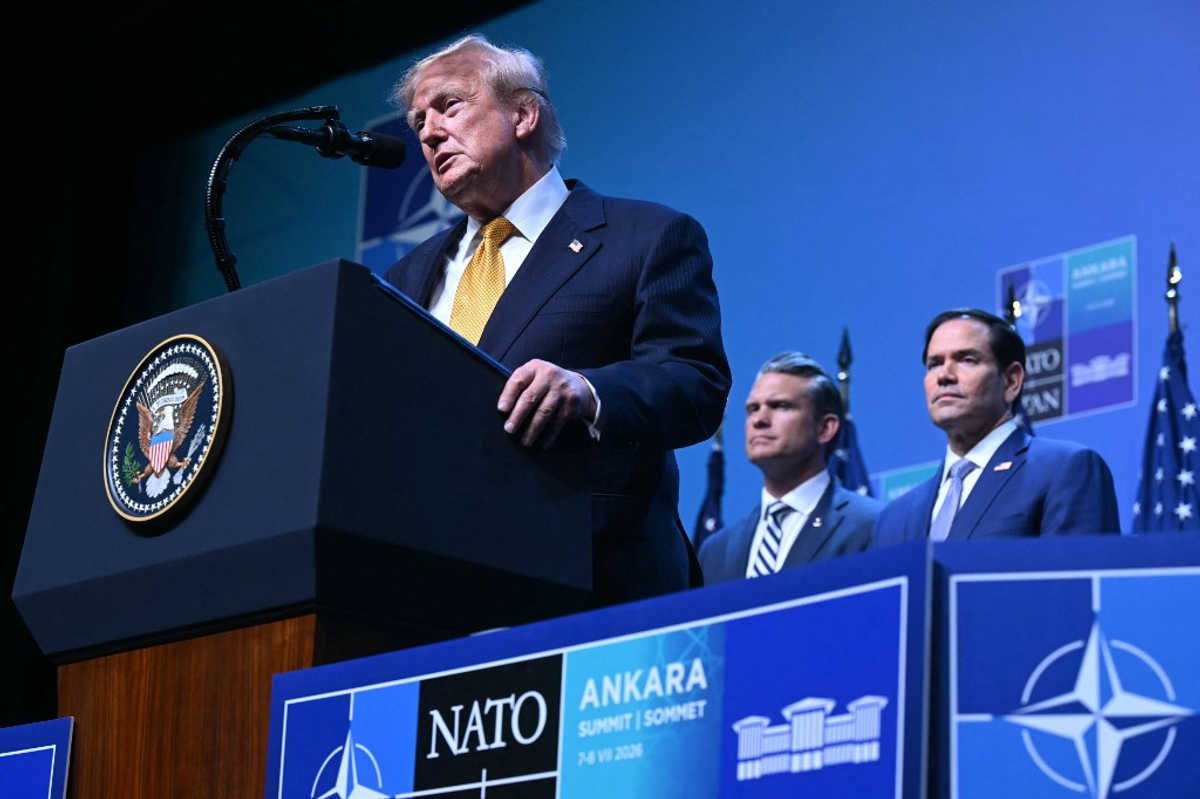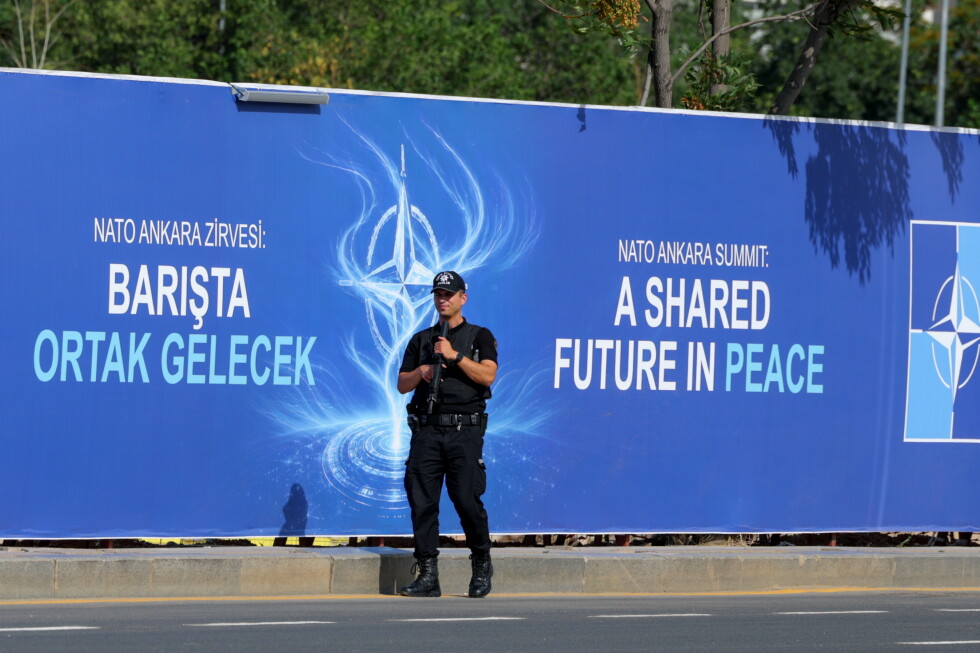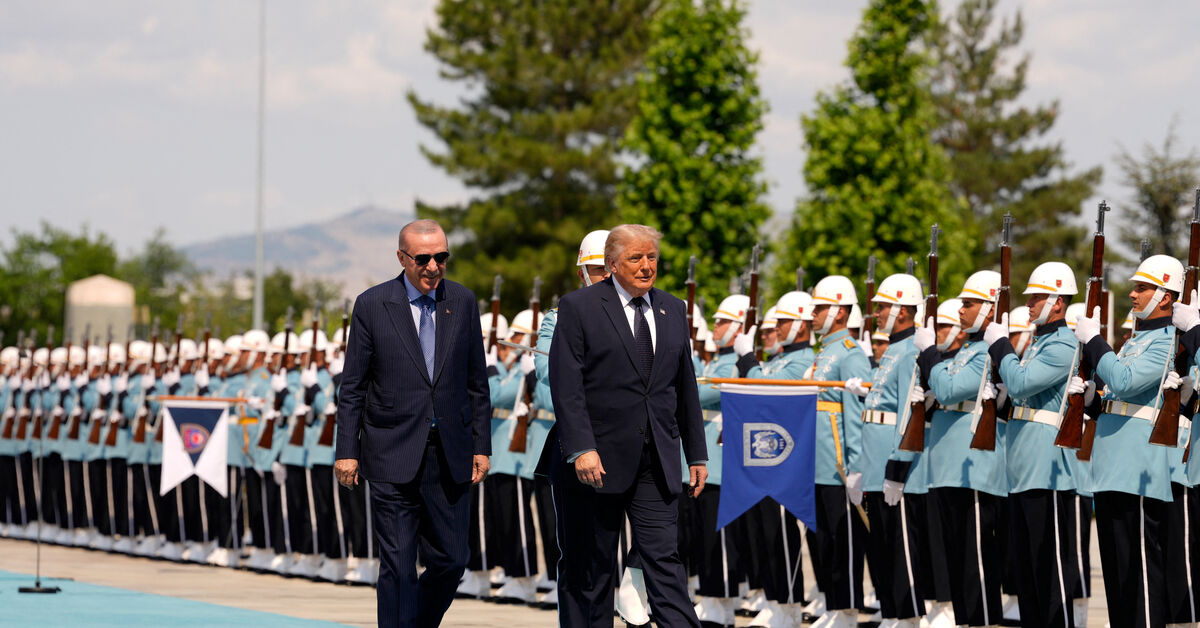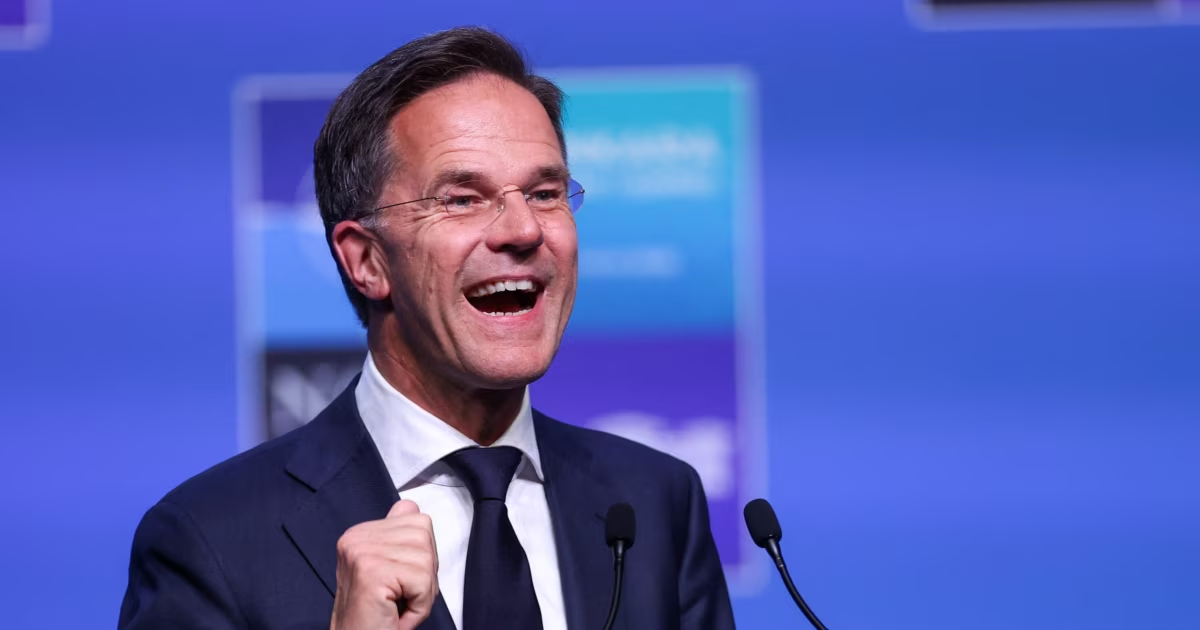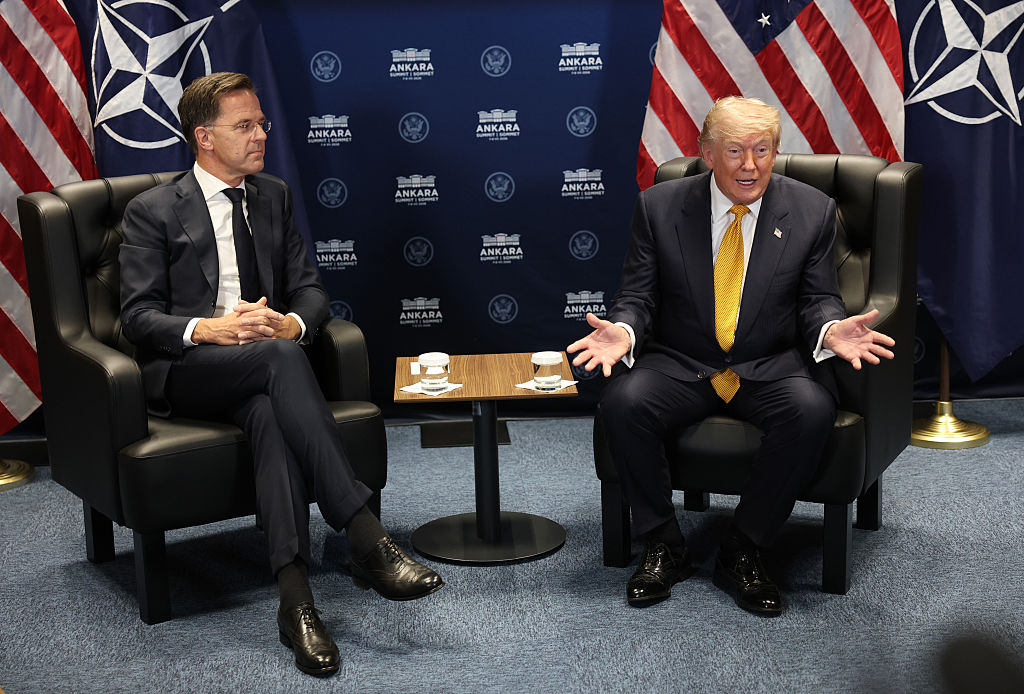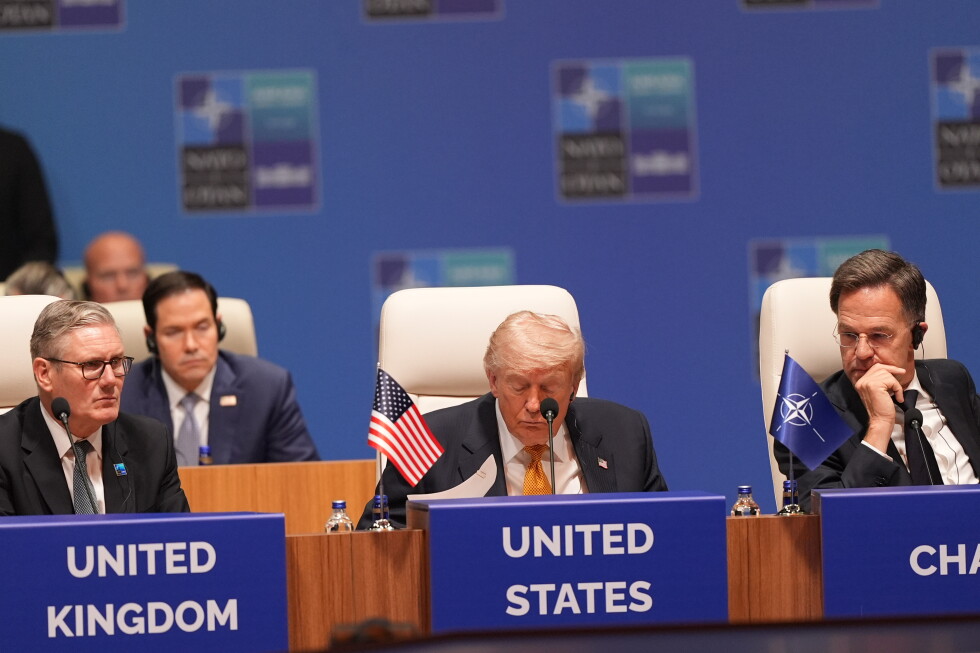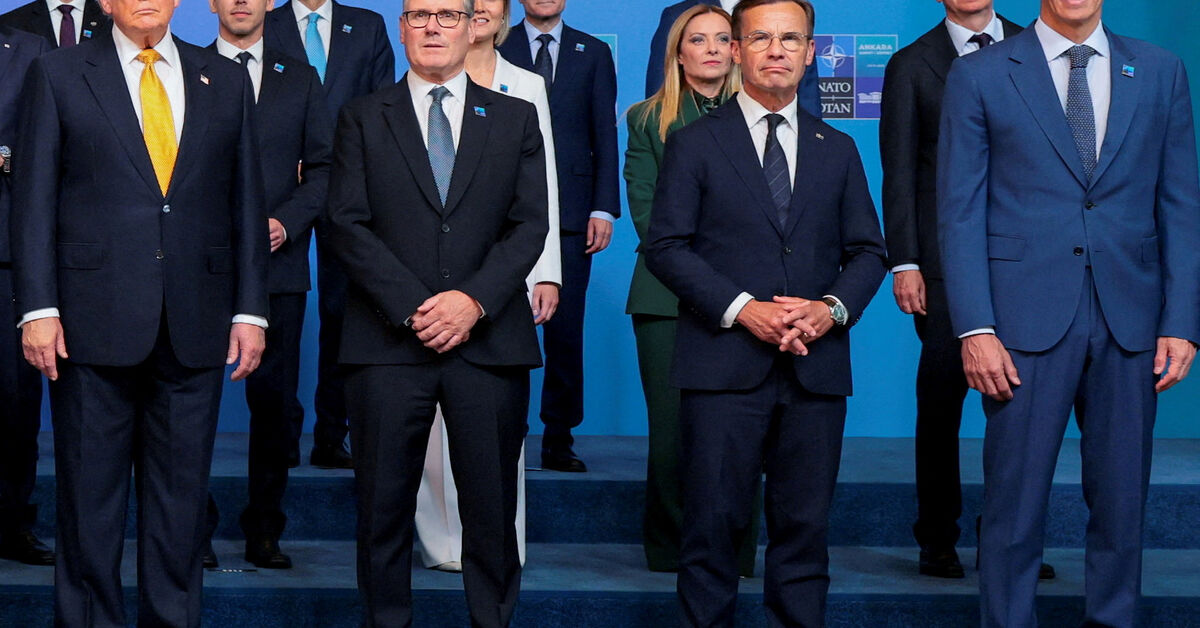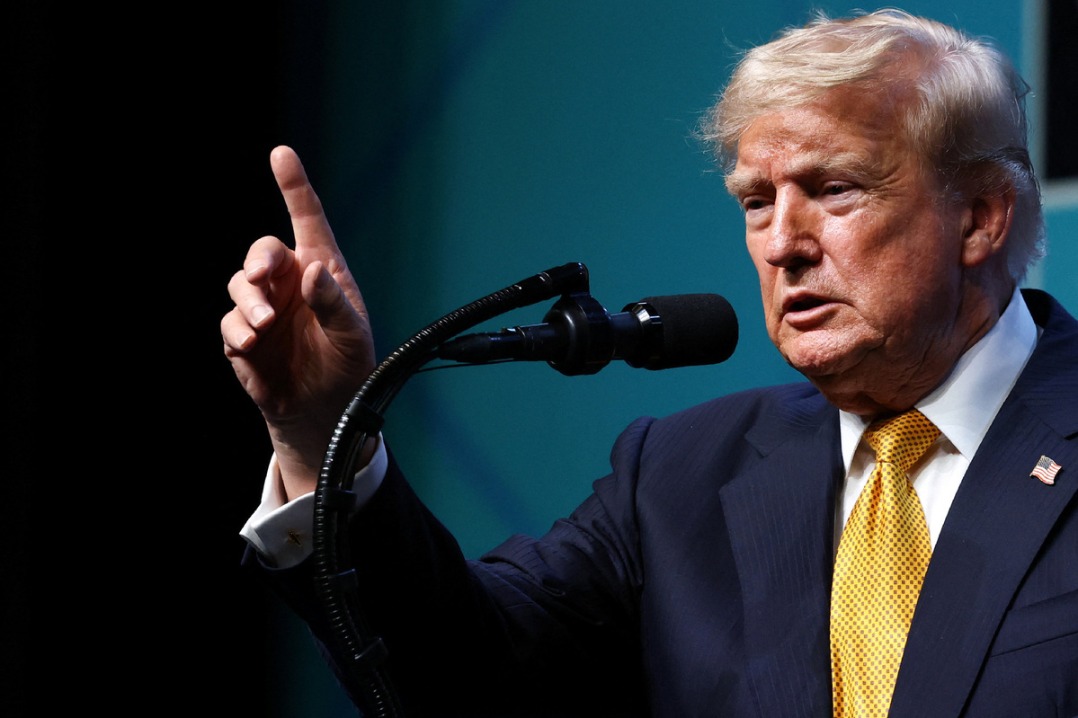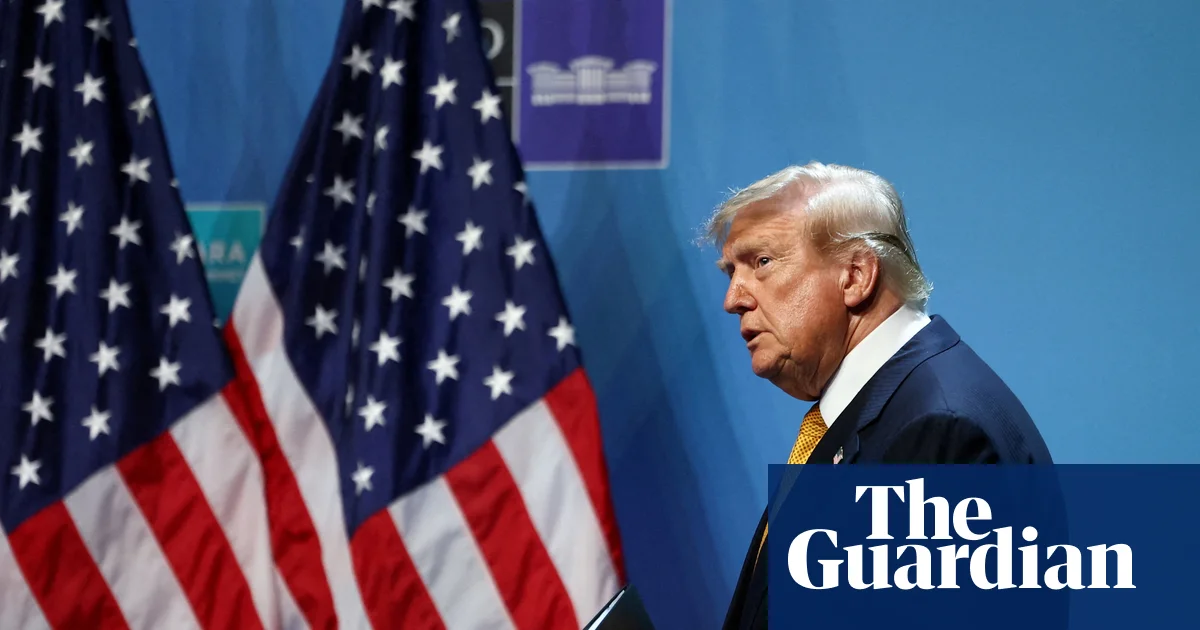
ANKARA—As he boarded Air Force One to depart the NATO Summit on Wednesday, US President Donald Trump praised the “tremendous unity” of allies at the gathering. But the more widely held view over the past week here in the Turkish capital was that transatlantic unity remains vulnerable.
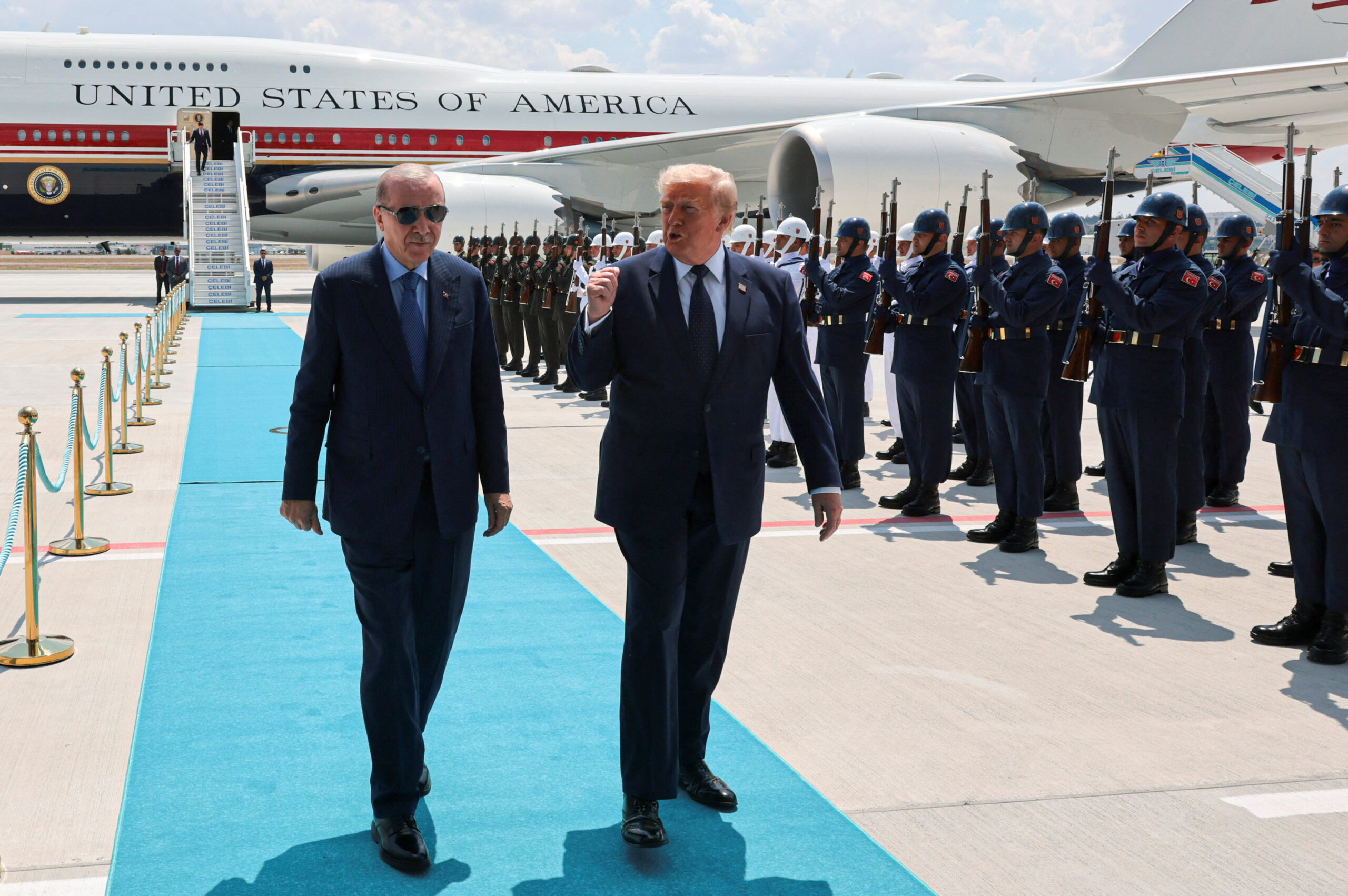
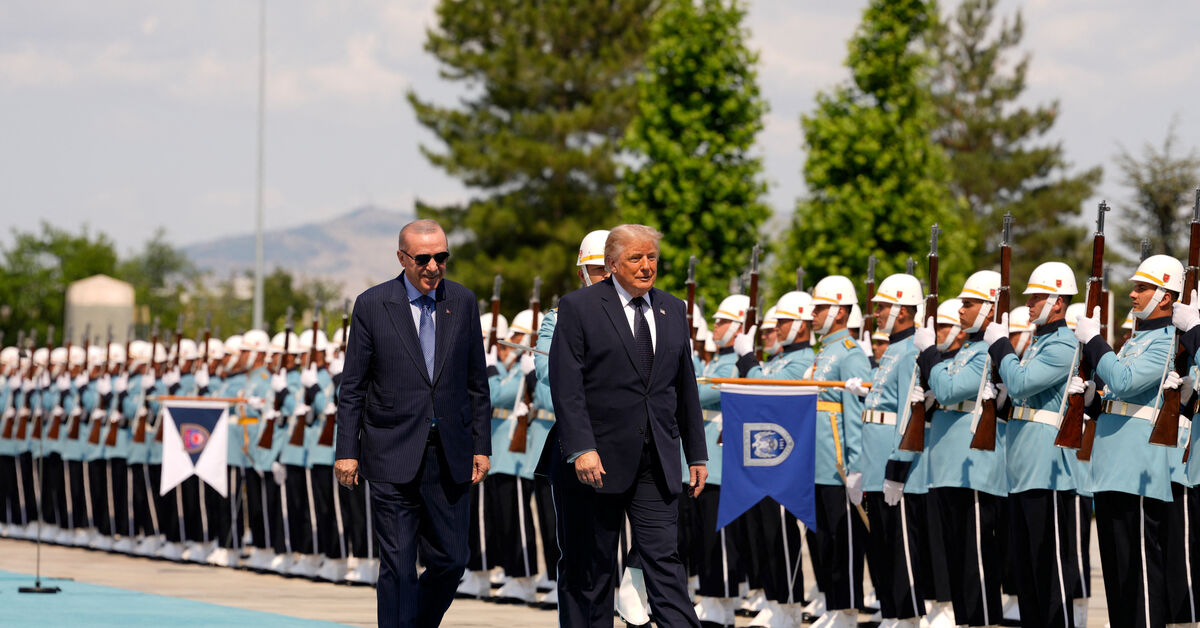
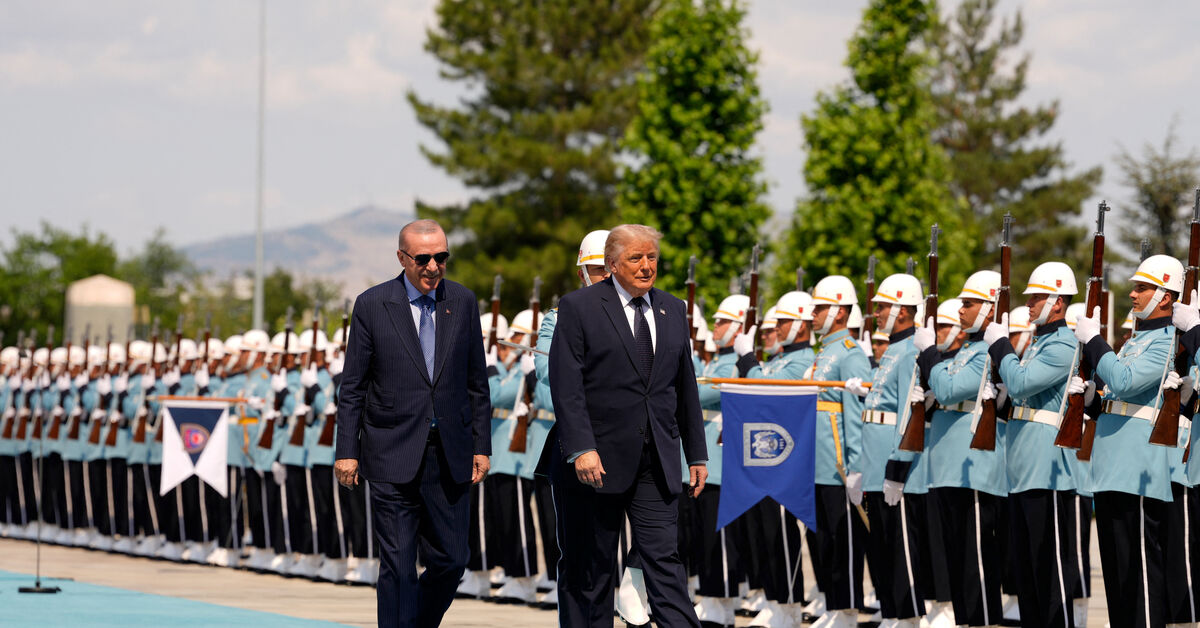
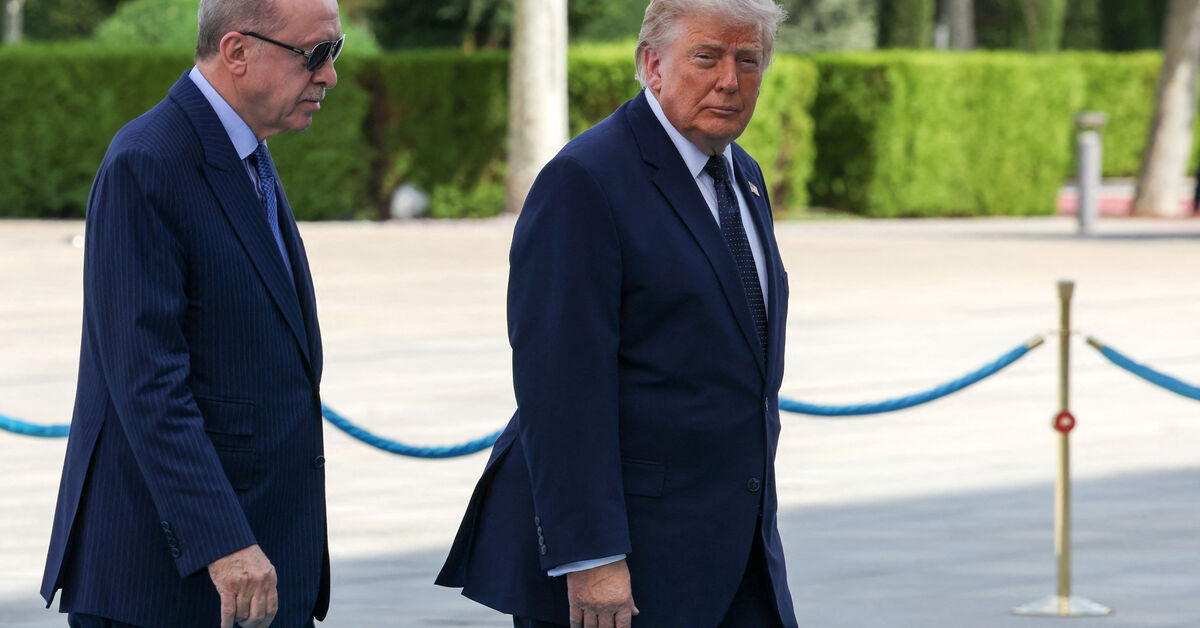
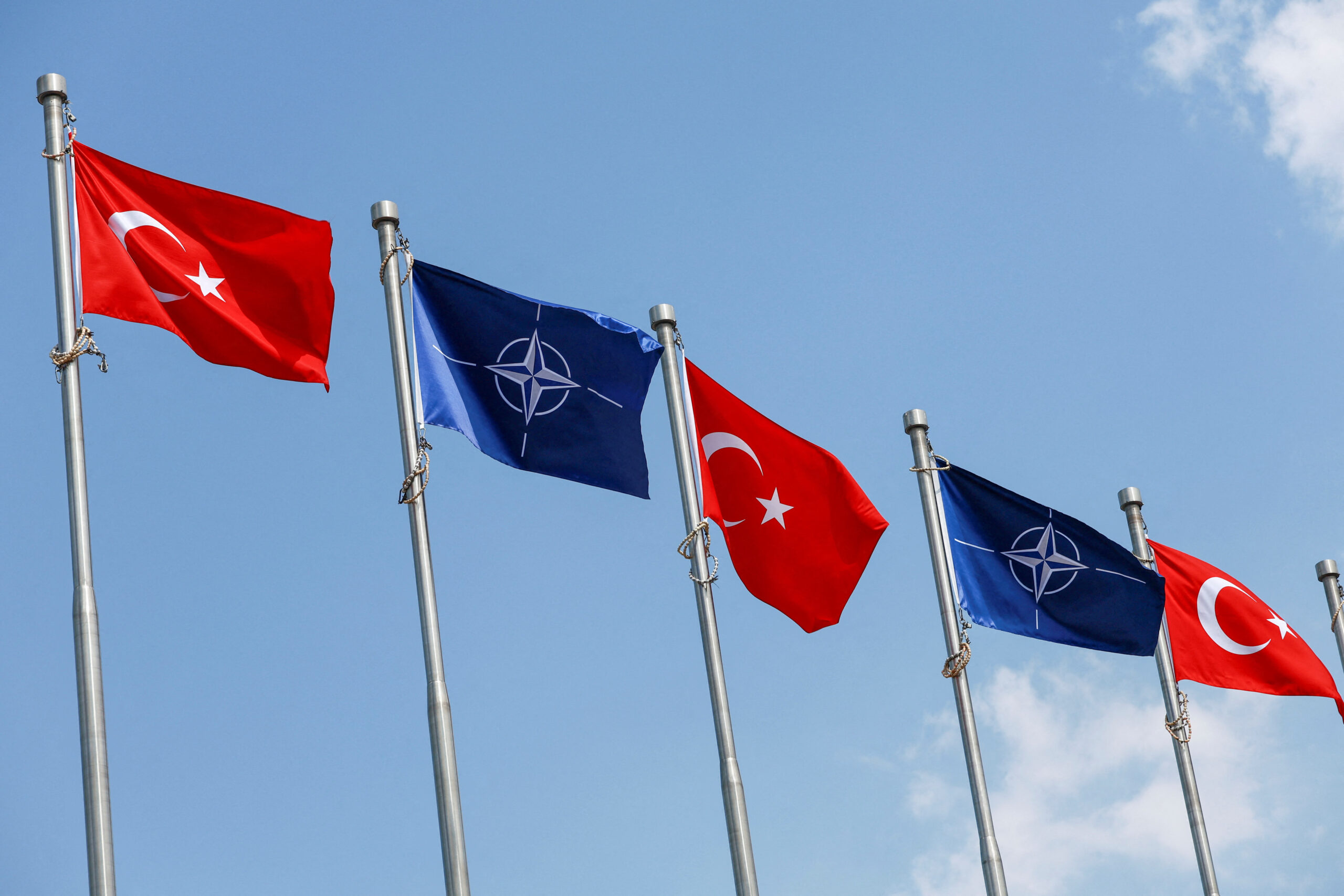
During his two days in Ankara, Trump renewed his criticism of European allies, ordering a halt to all trade with Spain over its refusal to meet the new defense spending target of 5 percent of its gross domestic product and its reluctance to support Washington’s operations against Iran. He also revived his demand for control of Greenland and declared the fragile ceasefire with Tehran over. One NATO member, however, appears to have emerged from the summit in a stronger position than before: Turkey. President Recep Tayyip Erdoğan’s decision to personally welcome Trump at Ankara airport, a protocol gesture rarely reserved for visiting leaders, underscored the renewed momentum in US–Turkish relations and set the tone for the summit.
Welcome to NATO 3.0
Turkey’s role within NATO has always been vital. Ankara joined the Alliance in 1952, in large part to stave off Soviet territorial demands. Since then, its geopolitical centrality has been self-evident, not least because of its proximity to the Soviet Union during the Cold War. During the early 1960s, for example, the United States deployed Jupiter missiles in Turkey to strengthen its deterrence against Moscow.