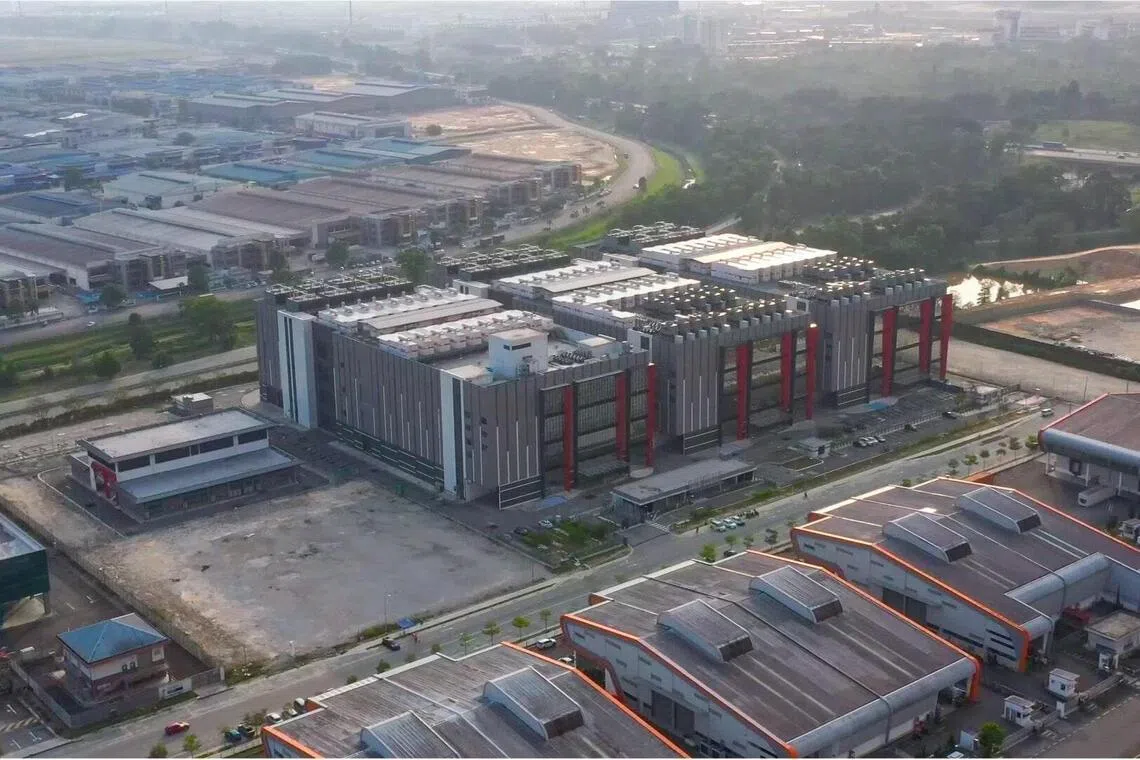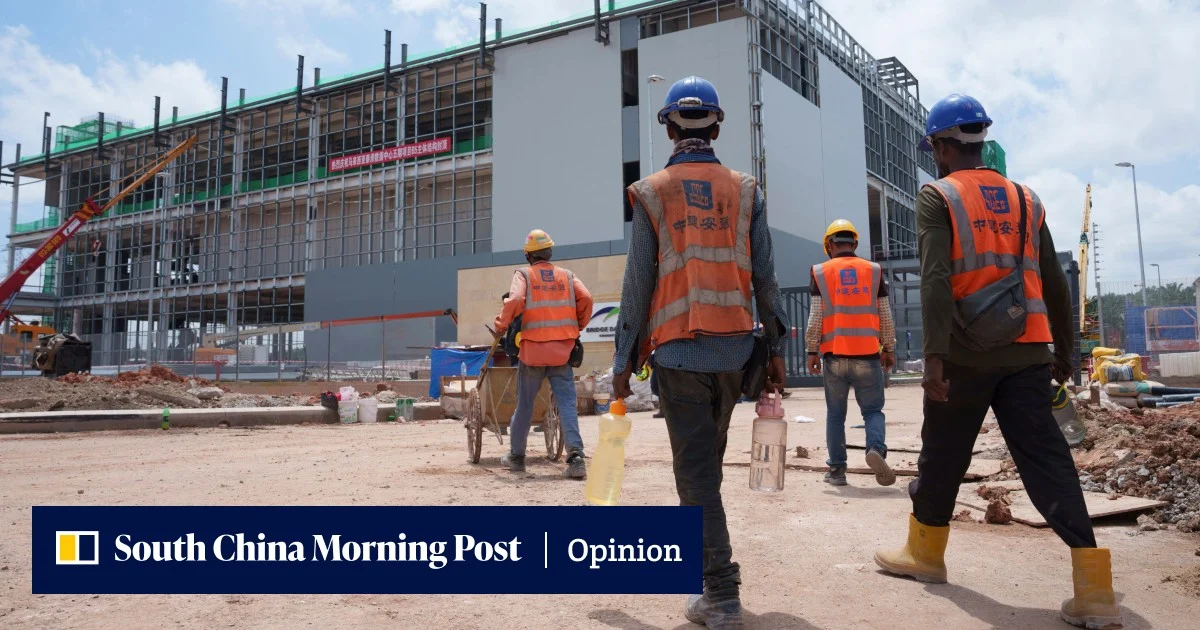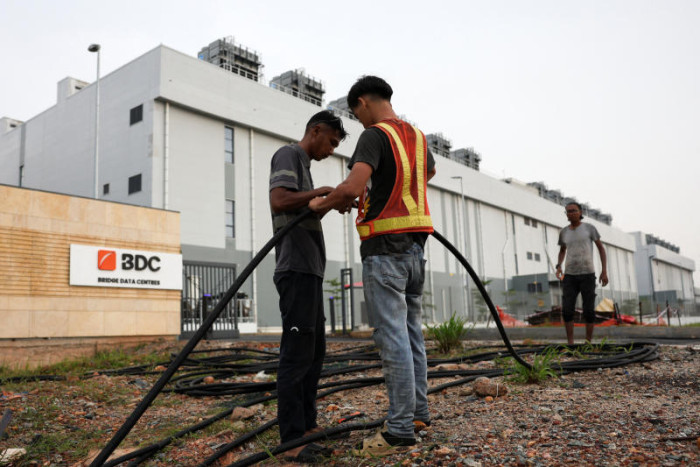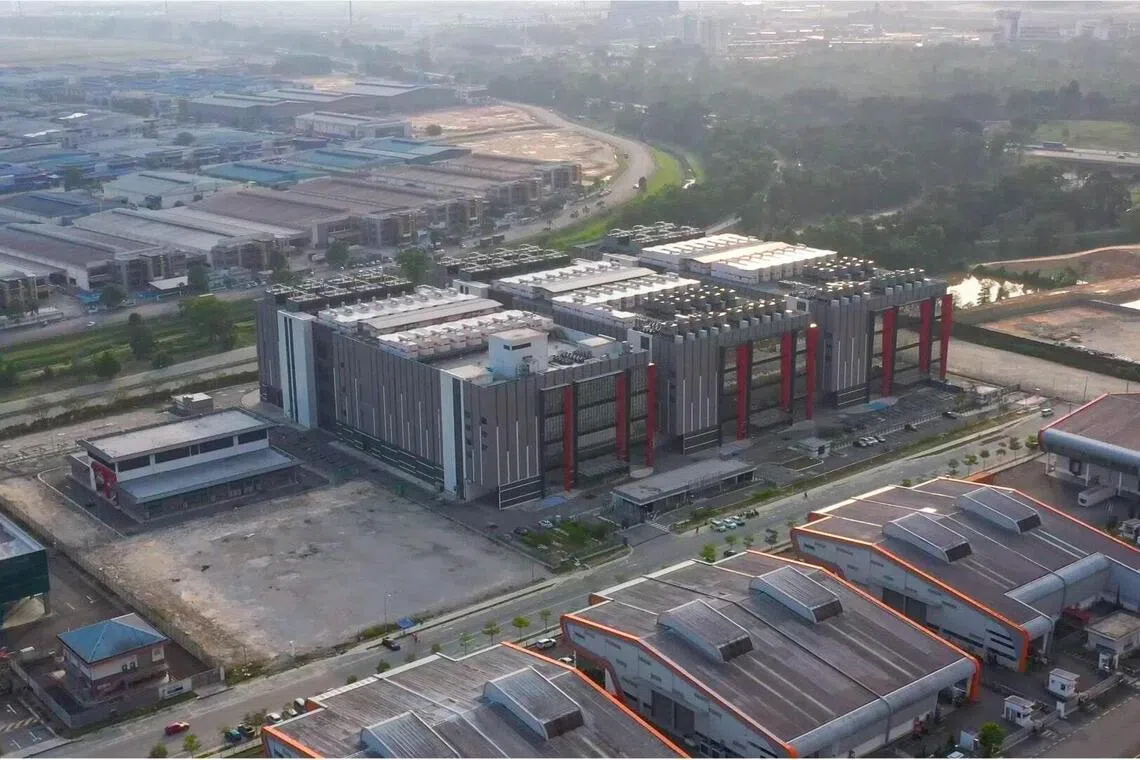
SINGAPORE – Singapore’s data centre market will retain its pricing power and premium status due to its high standards on data centre efficiency, JPMorgan said.But those very same tighter efficiency regulations will also push the next wave of hyperscale and artificial intelligence capacity into Malaysia, it added.In a research note on July 7, JPMorgan analysts said Singapore’s proposed efficiency standards will act as a “structural catalyst” that sharpens the distinct roles of both markets.While Singapore moves to optimise its scarce land and power resources, Malaysia is rapidly becoming the preferred destination for incremental regional capacity.“In short, Singapore optimises every megawatt (MW); Malaysia captures the next megawatt,” the report said.A premium squeezeSingapore currently ranks among the most expensive data centre markets globally, commanding monthly rents of US$330 to US$475 (S$425 to S$613) per kilowatt (kW), the report noted.Driven by near-full occupancy and tight capacity, those rates are more than double the cost in developed markets such as Sydney and Northern Virginia.The supply squeeze is expected to intensify under Singapore’s draft Digital Infrastructure Bill.Under Section 33 of the proposed Bill, any data centre operator with a critical IT load of 3 megawatts or more will be legally mandated to meet strict baseline facility-level energy and water efficiency requirements.The legislation also grants regulators the power to forcefully reduce an operator’s allowed electrical capacity for compliance failures, and allows for heavy financial penalties of up to 10 per cent of an operator’s annual Singapore turnover.JPMorgan expects the prescribed rules to force both new and existing operators towards tight 1.25 to 1.3 power usage effectiveness (PUE) thresholds over time, as defined in Singapore’s 2024 Green Data Centre Roadmap.PUE is a ratio that describes how efficiently a data centre uses energy, where a range of one to 1.2 is the top standard and 1.3 to 1.5 is considered highly efficient.While new supply from the CFA-2 allocation of about 200MW is entering the market, it comes attached to these higher efficiency thresholds. CFA-2 is Singapore’s second call for applications for data centres that allocates limited capacity to best-in-class operators.JPMorgan said this regulatory move will be a net positive for local landlord pricing power, as it reinforces asset scarcity.Furthermore, with construction costs sitting at a steep US$12 million per MW, the bank noted that redeveloping older facilities such as Keppel DC REIT’s Singapore 1 facility can yield highly attractive returns on investment (ROI) of 7 per cent to 8 per cent.As Singapore constrains its footprint, Malaysia’s data centre pipeline has exploded to nearly 13 gigawatts (GW) – a capacity pool larger than Indonesia, Thailand and Singapore combined.JPMorgan said Malaysia’s investment case has evolved beyond just being an overflow market for Singapore. Hyperscalers are prioritising the country because of execution speed and lower costs, with development outlays averaging US$7 million per MW, compared with Singapore’s US$12 million.For one, a single-utility framework, led by Tenaga Nasional via its Green Lane Pathway, allows for energisation timelines of around three years, beating Thailand’s four-year average.Malaysia’s Corporate Renewable Energy Supply Scheme also provides direct green energy access, while the Digital Ecosystem Acceleration scheme offers tax allowances covering 60 per cent to 100 per cent of qualifying capital expenditure.BacklashThe pivot towards Malaysia does not come without risks. JPMorgan highlighted that rapid infrastructure deployment is facing growing public and environmental scrutiny, pointing to recent local protests in Johor over resource usage alongside similar pushbacks in the US and Singapore.Consequently, maintaining a “social licence” via green energy adoption, local skills development and community ecosystem building will become critical to keeping project timelines on track.For equity investors navigating the regional AI infrastructure boom, JPMorgan highlighted two preferred vehicles. In Singapore, Keppel DC REIT remains the brokerage’s top pick to capture the Republic’s resilient rental growth and high ROI brownfield upgrades.Meanwhile, Sunway Construction is the preferred pure-play proxy to capture the construction tailwinds of the ongoing 13GW pipeline boom across the Causeway. THE BUSINESS TIMES
Malaysia’s data centre pipeline beats neighbours’, but Singapore will keep premium status: JPMorgan
The Republic’s tighter green rules hand scale and new projects to Malaysia, but it will keep premium status. Read more at straitstimes.com. Read more at straitstimes.com.
647 words~3 min read