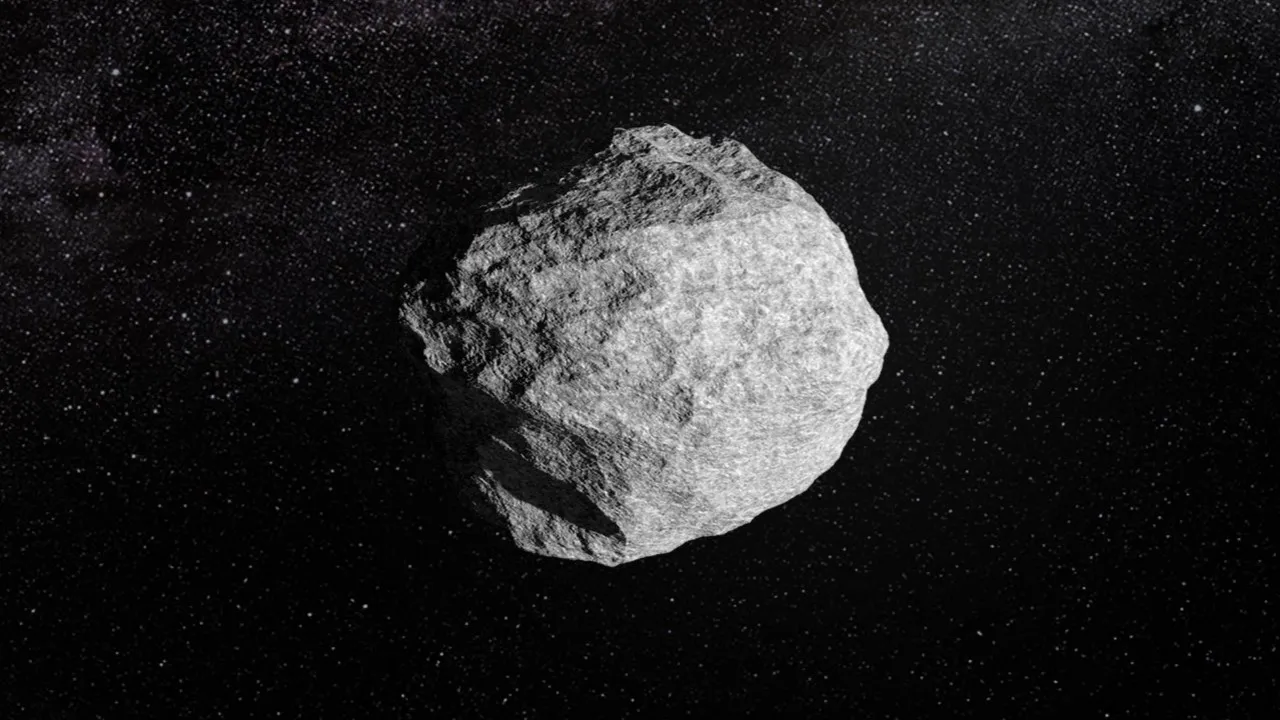
Illustration of the asteroid YR4. Credit: ESA-Science Office
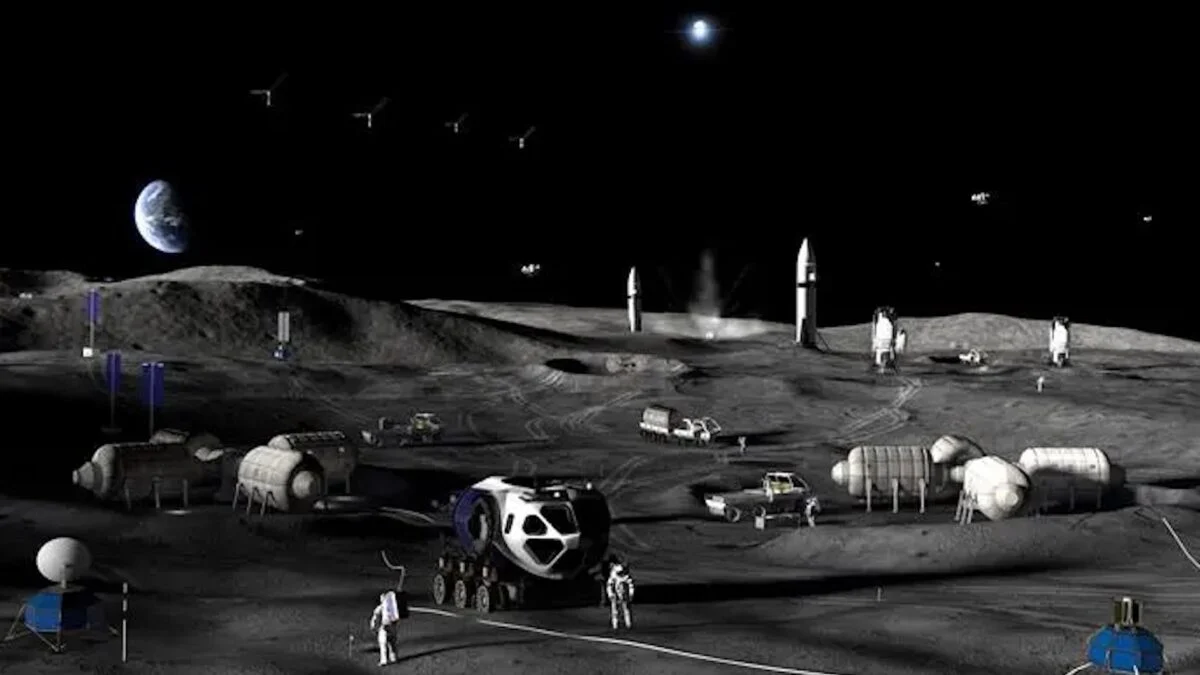
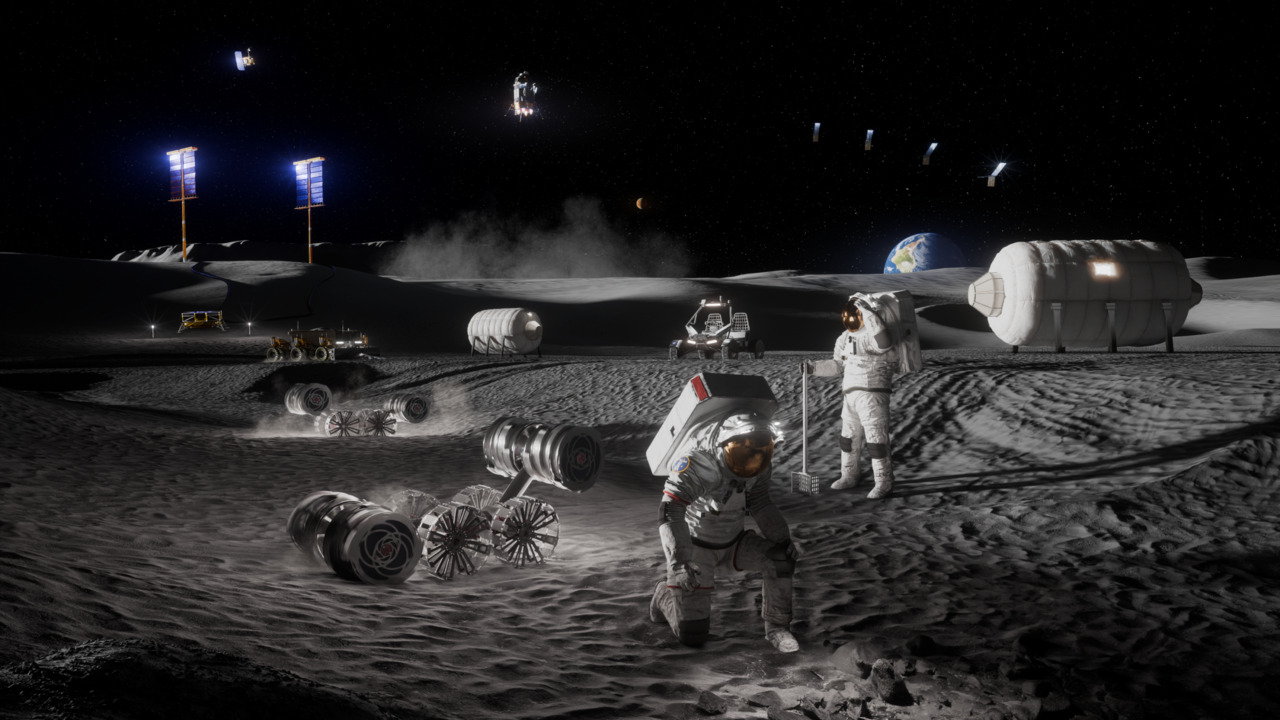
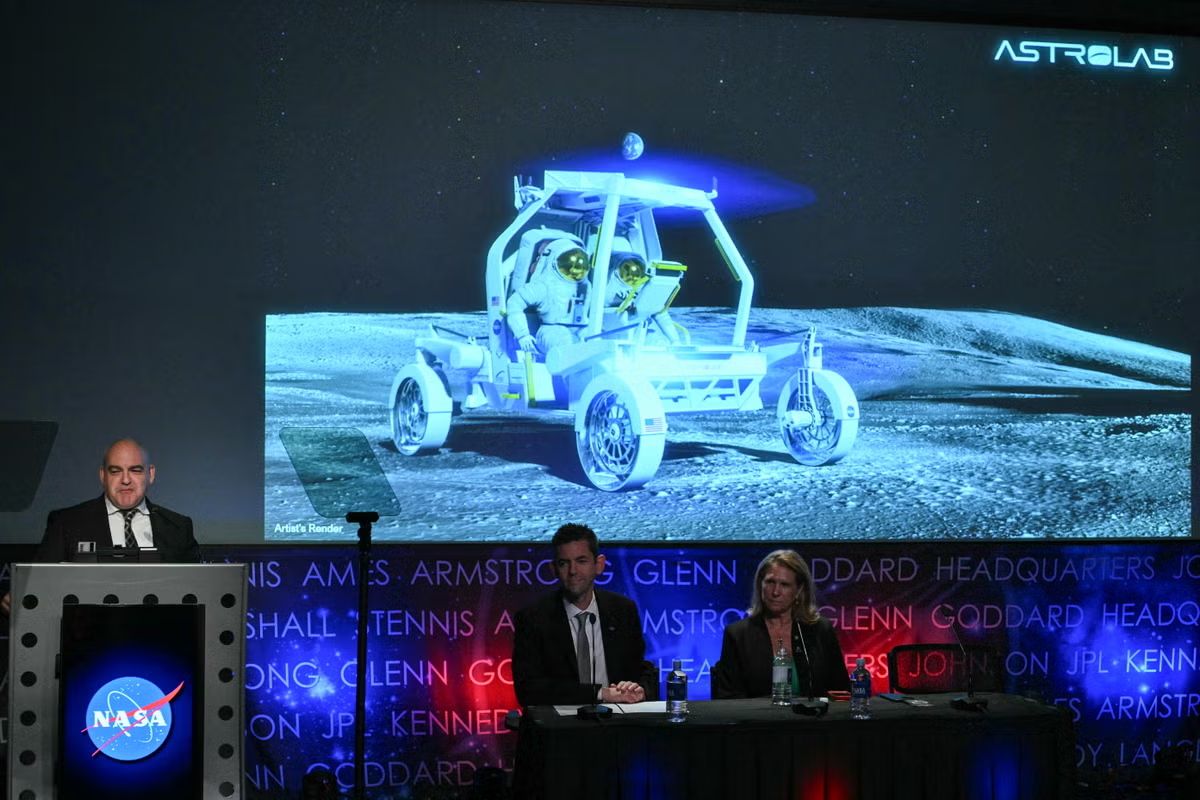
Development in space is gaining serious momentum. Impressively, NASA recently unveiled plans for a new moon base — the first concrete step toward permanently moving human civilization off Earth. However, as we become an interplanetary species, it is important to protect this multi-year, multi-billion-dollar investment while building a habitable environment. That starts with bolstering the Space Force’s ability to detect and counter asteroid threats to American lunar infrastructure.
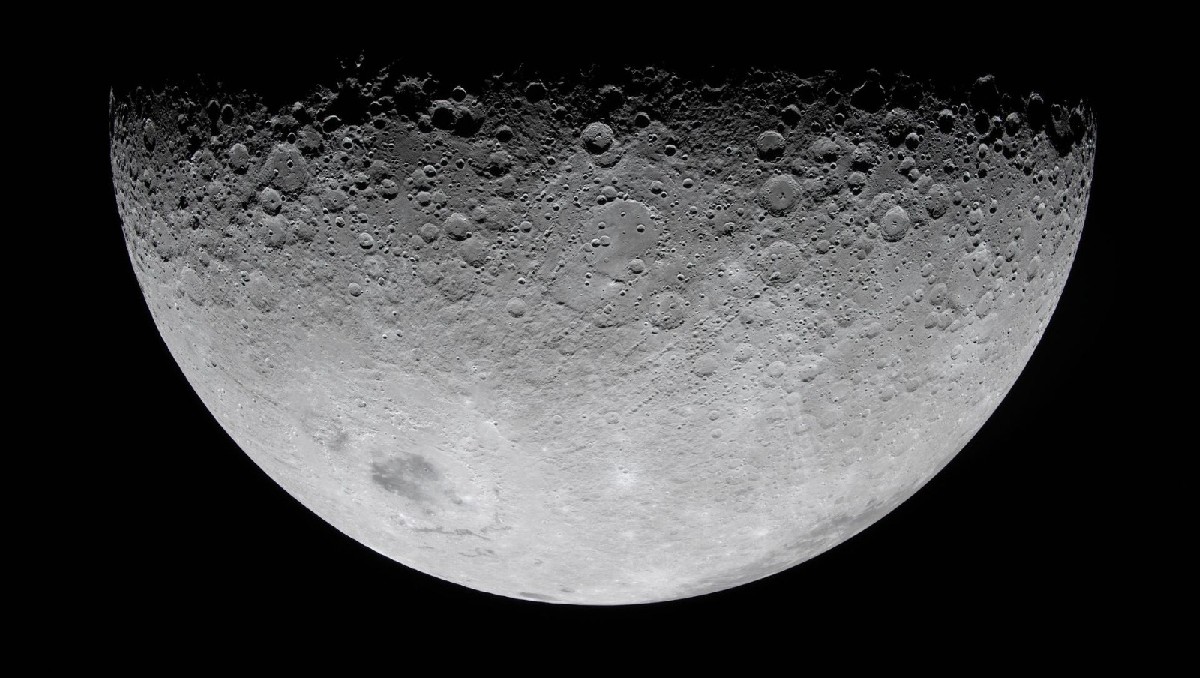
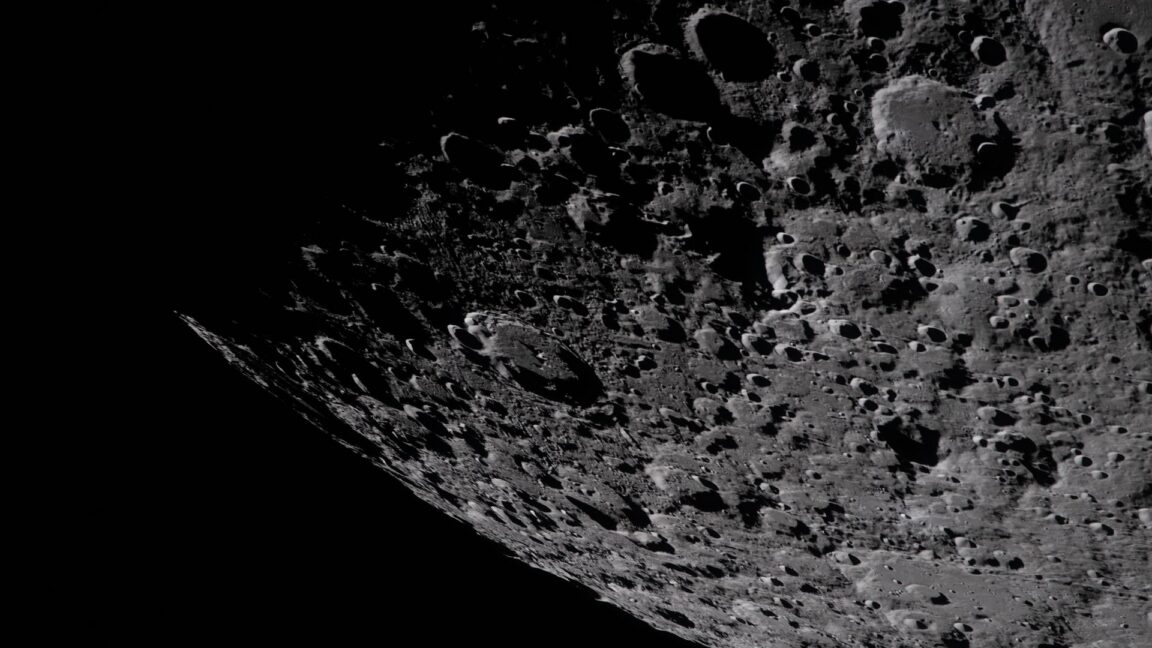
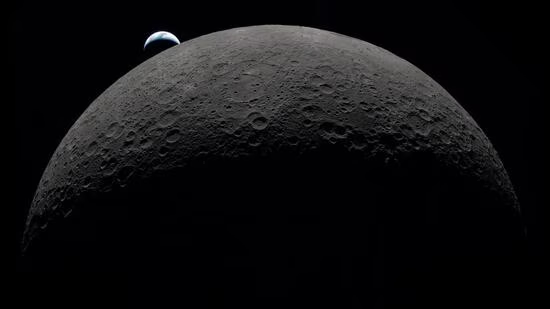
This is important because a permanent lunar presence also means a permanent target. During their lunar flyby this Spring, the Artemis 2 crew witnessed and documented six separate meteorite impacts on the lunar surface. In March of 2022, a Chinese Long March 3C rocket crashed on the moon, creating a double crater, and on August 5, 2026 a SpaceX Falcon 9 upper stage is projected to impact the far side of the moon at 5,500 miles per hour. Those impacts are minor inconveniences compared with what could happen if the lunar surface is impacted by a large asteroid.
The recent case of Asteroid YR4 illustrates the concern. In late December 2024, when NASA scientists discovered YR4, there were initial fears that the nearly 200-foot-wide asteroid could collide with Earth. But as time passed, its orbit instead appeared to be heading toward intersection with the moon. Thankfully, in March, the James Webb telescope confirmed that YR4 would not strike the moon and destroy billions of dollars of infrastructure in geostationary and low Earth orbit. But the “near miss” also offered a stark lesson: The Space Force was not ready to defend the nation’s interests in space, nor was it sufficiently aware of those threats.