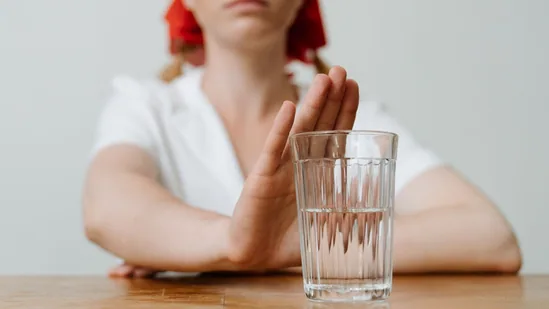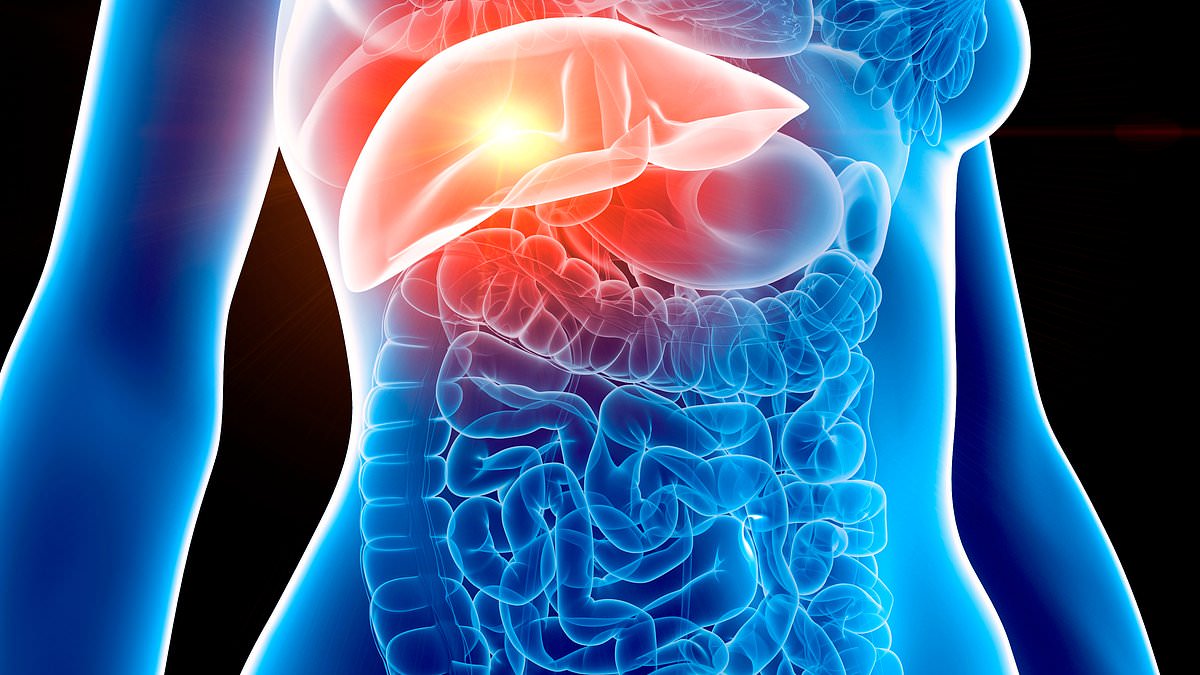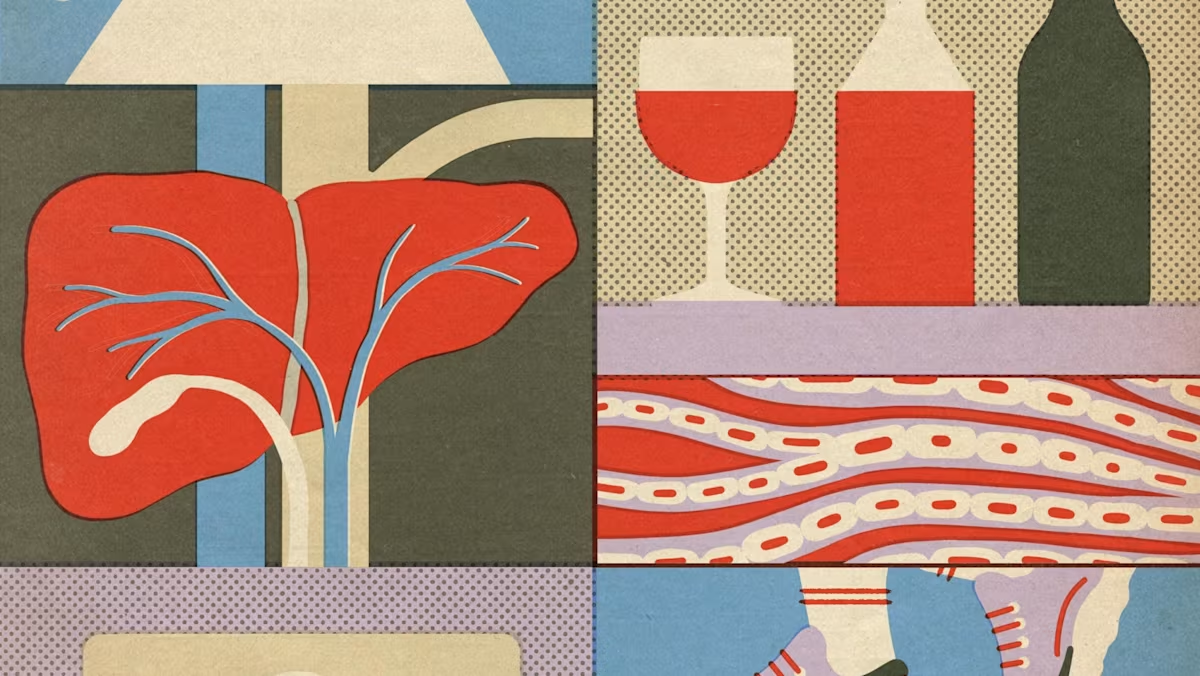
Liver disease often progresses silently and is not always related to alcohol consumption. Dr Salhab debunks the misconception and shares what drives risk. When most people think of liver disease, alcohol is often the first culprit that comes to mind. While excessive drinking can certainly damage the liver, assuming you're in the clear simply because you don't drink is a misconception that can be dangerously misleading. Many forms of liver disease develop silently, with few or no symptoms in their early stages, leaving people unaware they have a problem until significant damage has already occurred. Understanding that liver health is influenced by far more than alcohol is key to recognising the risks early and taking steps to protect this vital organ.Read more to find out the biggest factors that drive liver disease. (Unsplash)Also Read | Discarding the watery layer that sits on top of your yoghurt? Gastroenterologist explains why you shouldn'tDr Joseph Salhab, a Florida-based gastroenterologist and health content creator specialising in digestive, liver, pancreatic and nutritional health, is debunking one of the most common misconceptions about liver disease – that it only affects people who drink alcohol. In an Instagram video shared on July 12, he explains the wide range of conditions that can damage the liver and outlines the major risk factors that contribute to liver disease, many of which have nothing to do with alcohol consumption.Not all liver disease is caused by alcoholAccording to Dr Salhab, not all liver disease is linked to alcohol consumption, and it is entirely possible to develop liver problems even if you have never consumed alcohol. He highlights that liver disease can stem from a variety of other causes, including fatty liver, viral hepatitis, autoimmune liver disease, and inherited conditions that lead to excessive iron or copper accumulation in the body, among other factors. However, the most common cause today is fatty liver, also known as metabolic dysfunction-associated steatotic liver disease (MASLD).The gastroenterologist explains, “You can have liver disease without drinking a sip of alcohol. Most people don't even know they have it. It used to be called non-alcoholic fatty liver disease, but now it's called MASLD because most people have no symptoms. In fact, this is going to be one of the leading cause of people developing liver cirrhosis and needing liver transplants. And this is related to poor dietary habits, diets high in refined sugars, excess calories, excessive saturated fat, obesity, lack of exercise, and genetics, and it's often silent.”Biggest risk factors for fatty liverAdded sugar: A diet high in added sugars, especially sugary drinks.Saturated fat: Excess saturated fat, which can contribute to fat buildup in the liver.Low-fibre diet: Eating more fibre supports metabolic health, healthy cholesterol levels, gut health, and may help improve several risk factors associated with fatty liver.Physical inactivity: Regular exercise can reduce liver fat, even if the number on the scale doesn’t change much.Obesity: Particularly excess abdominal fat, is one of the strongest risk factors for fatty liver.Metabolic risk factors: Insulin resistance, prediabetes, and type 2 diabetes are closely linked to fatty liver.Cholesterol and triglycerides: High cholesterol and elevated triglycerides commonly occur alongside fatty liver as part of metabolic dysfunction.Genetics matter: You can develop fatty liver even if you’re not overweight because inherited genes also influence your risk.Why is fatty liver called MASLD?According to Dr Salhab, fatty liver is called metabolic dysfunction-associated steatotic liver disease (MASLD) because it is often part of a larger picture involving metabolism, insulin resistance, cholesterol, blood sugar, nutrition, physical activity and genetics.The gastroenterologist concludes, “The good news is that fatty liver can often improve. Eating a diet rich in fibre, reducing added sugars, choosing healthier fats, exercising regularly, managing cholesterol and diabetes, and maintaining a healthy weight when appropriate can all help reduce liver fat and improve overall liver health.”Note to readers: This article is for informational purposes only and not a substitute for professional medical advice. It is based on user-generated content from social media. HT.com has not independently verified the claims and does not endorse them.Dr Salhab is a gastroenterologist providing services in central Florida. He received his medical degree from Lake Erie College of Osteopathic Medicine, Bradenton Campus, and has been in practice for over a decade. He has expertise in treating gastroenteritis and upper GI endoscopy, among other conditionsEshana Saha is a fresh face in lifestyle and cultural journalism, bringing a refined, multidisciplinary perspective to the intersection of entertainment, fashion and holistic wellbeing. With less than a year of professional experience, she has quickly adapted to high-pressure editorial environments and currently works full-time with HT Media. Prior to this, she interned for nearly six months with Hindustan Times’ entertainment and lifestyle vertical, where she gained hands-on experience in digital reporting, trend analysis and editorial storytelling.
Gastroenterologist Dr Joseph Salhab warns ‘Not all liver disease is caused by alcohol’; shares 8 biggest risk factors
Liver disease often progresses silently and is not always related to alcohol consumption. Dr Salhab debunks the misconception and shares what drives risk. | Health
1,045 words~5 min read