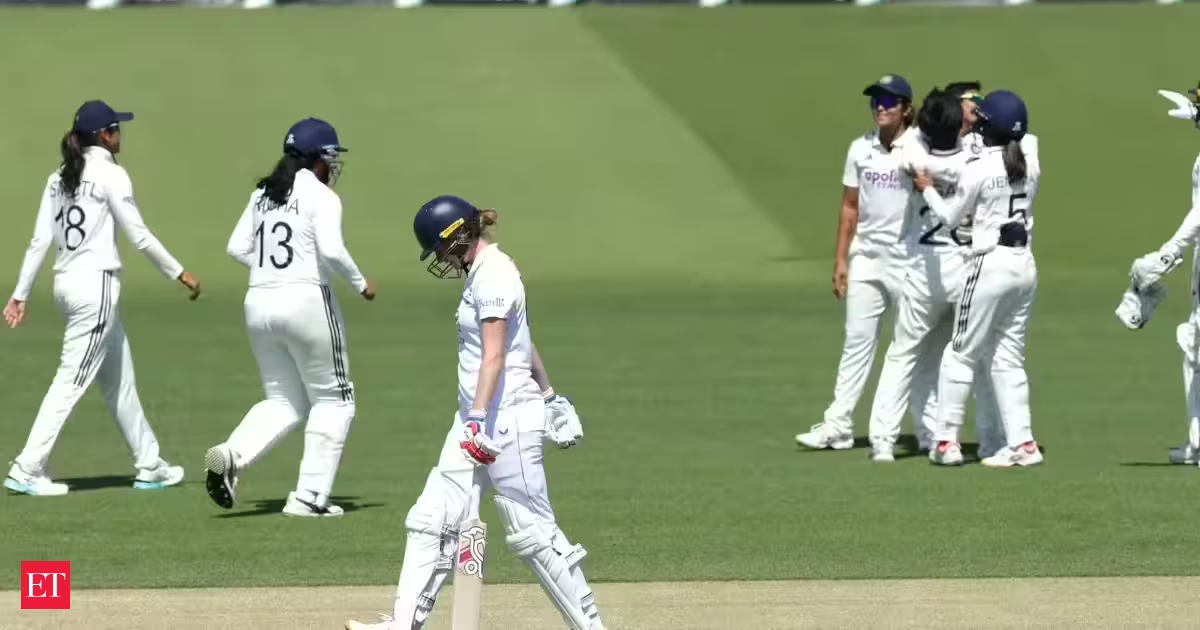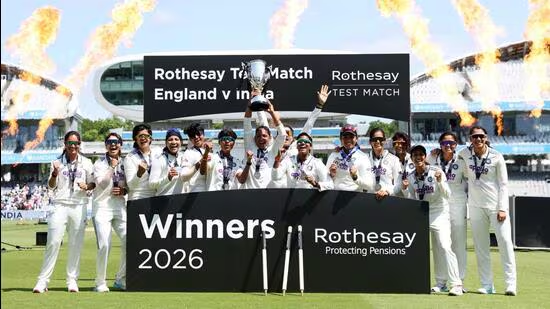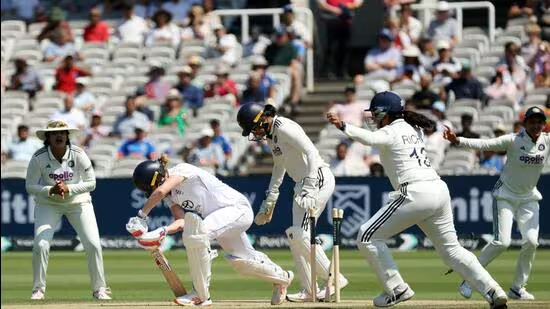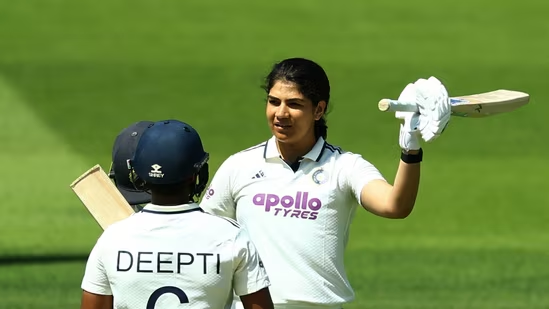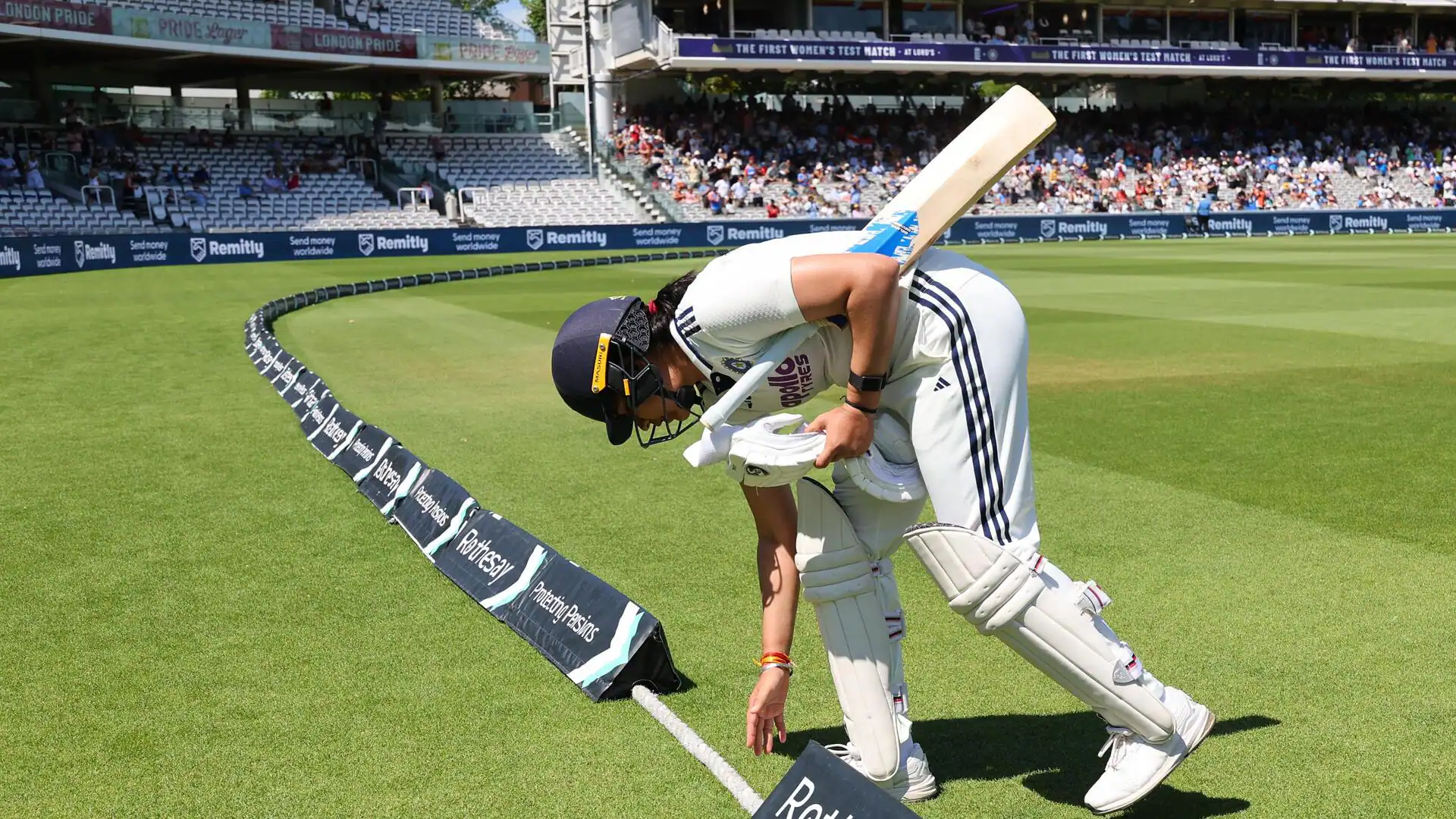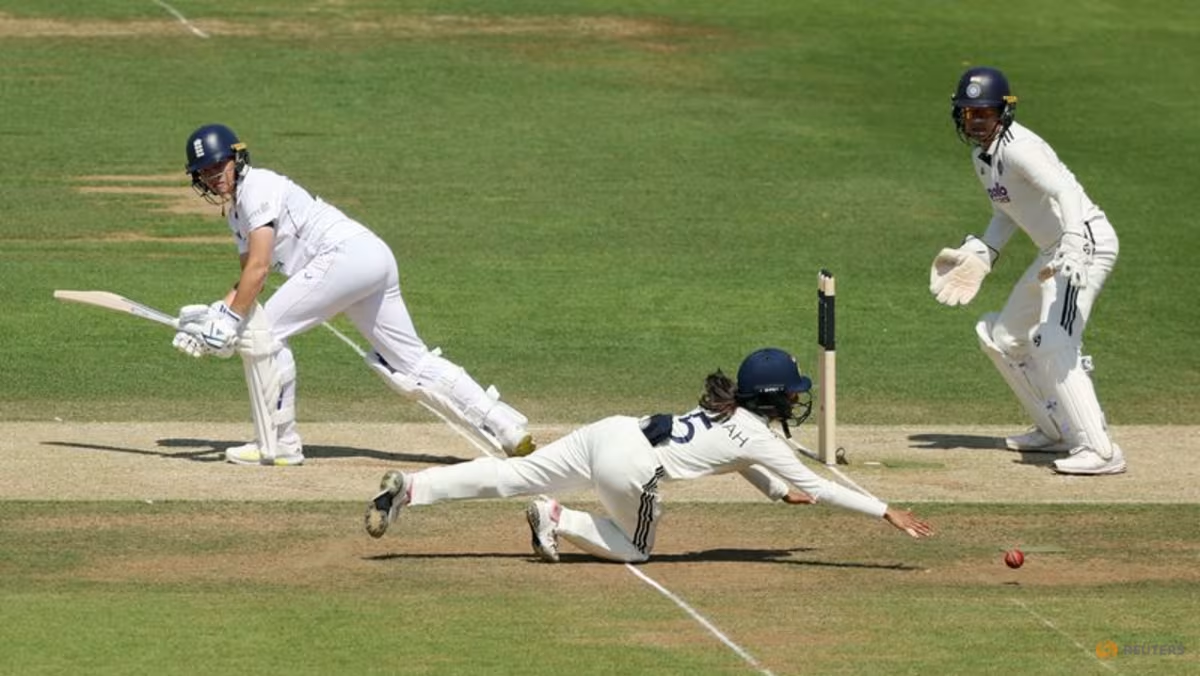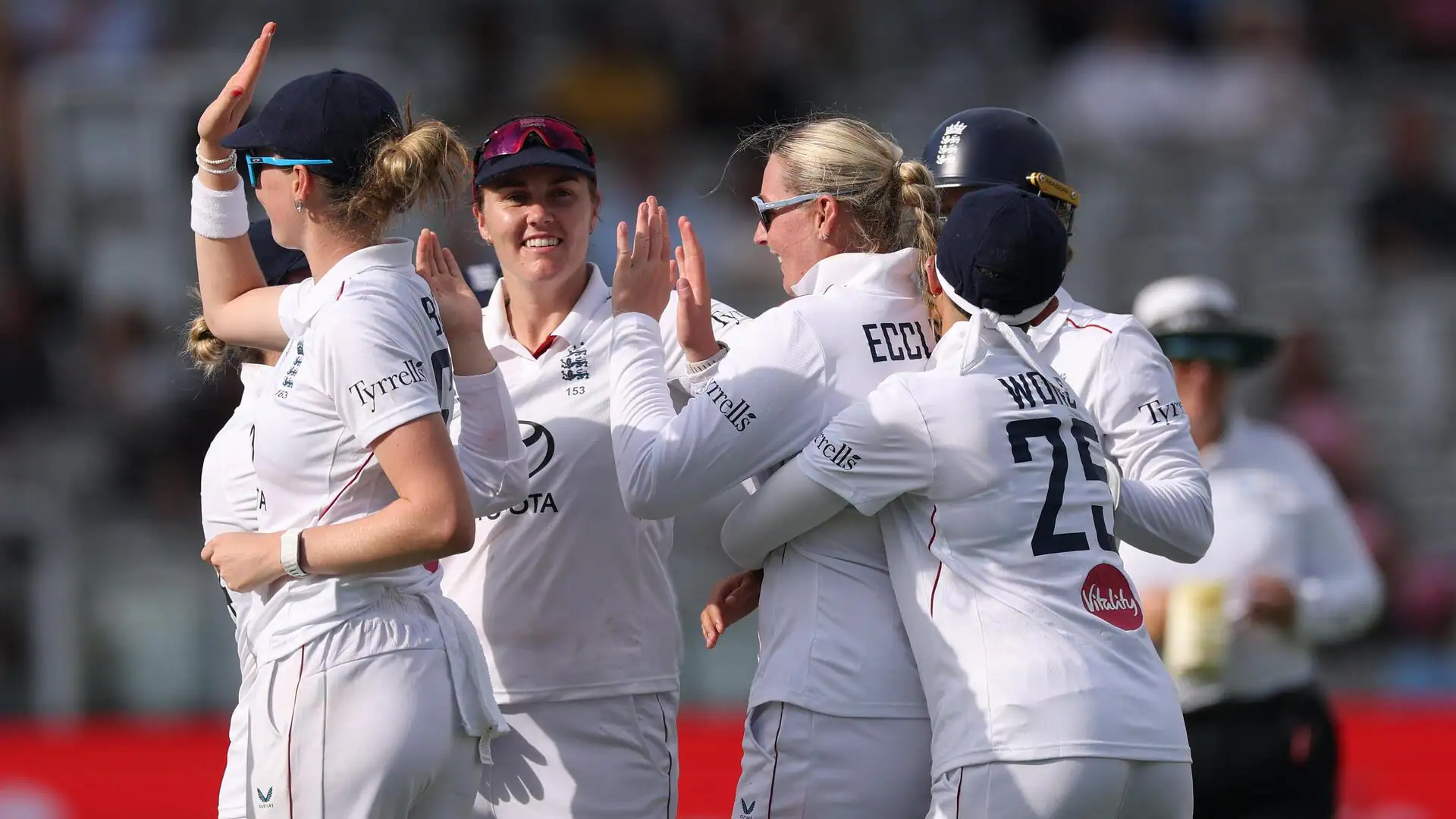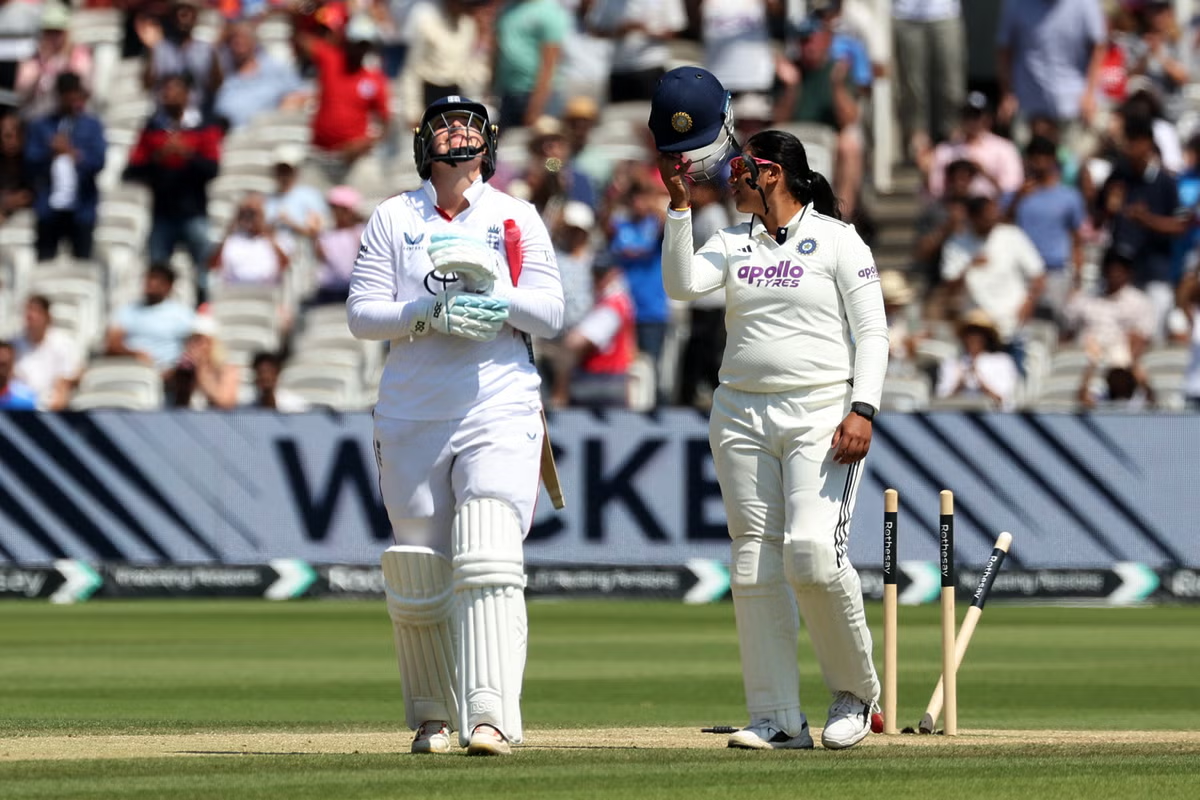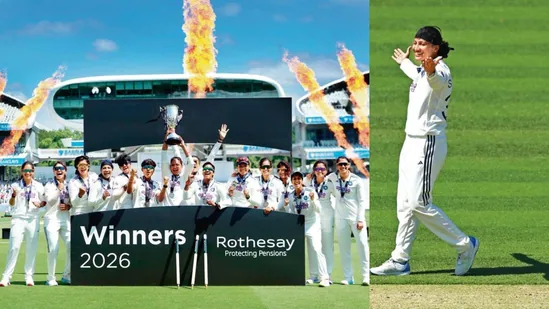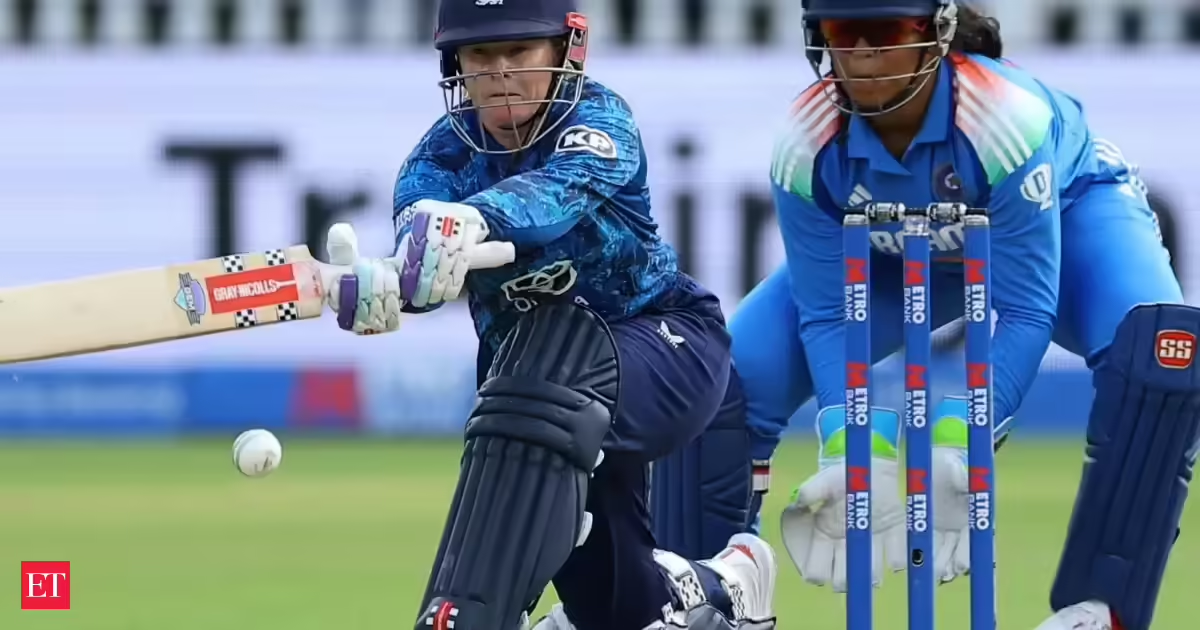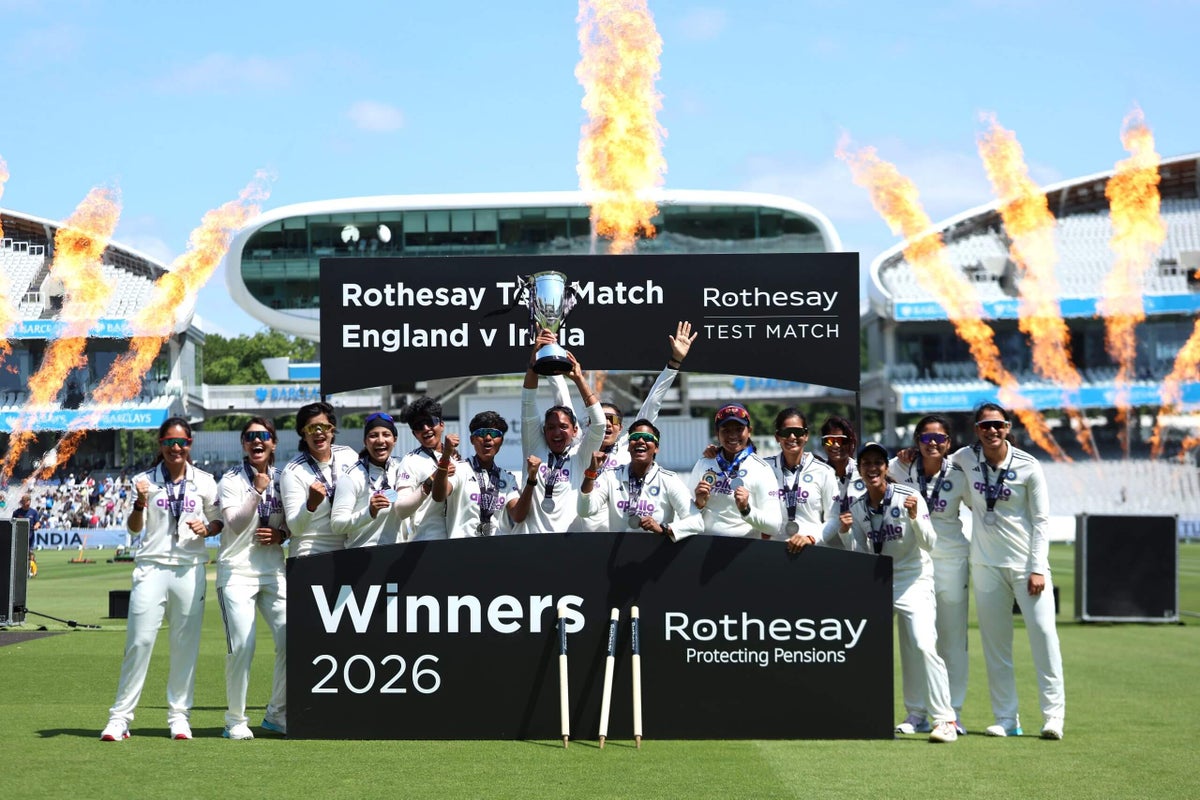
History was made at Lord’s, and it was India who rose to the occasion.The first women’s Test match at the ‘home of cricket’ — the 153rd to be played in the women’s game — ended as a one-sided affair as the tourists thrashed their hosts, completing an emphatic victory on the fourth day to prevail by 270 runs. Two of their number, player of the match Kranti Gaud and Yastika Bhatia, added their name to the honours’ board.As a collective, India put in a stunning performance.England, beaten at this venue by Australia in the T20 World Cup just a few days before the start of the match, bid farewell to two stalwarts of the game in Tammy Beaumont and Heather Knight. Despite positive contributions from Sophie Ecclestone, who took eight wickets and scored her first Test 50, and Amy Jones, who scored a pair of half-centuries, this was a chastening defeat.Paul Newman dissects the key talking points from a groundbreaking occasion.A long time comingWhen Rachael Heyhoe Flint led out the England team for their first ever one-day international at Lord’s in 1976 — in skirts rather than trousers — they had to walk round the back of the pavilion and onto the hallowed turf because women, then, were not allowed in the Long Room.It is extraordinary to think that was only 50 years ago, and it was only 27 years ago that women were finally allowed to be members of the Marylebone Cricket Club and set foot in that fabled Long Room. Before then only the Queen and, with more than a touch of casual sexism, “cooks and cleaners” were permitted.That was a finding of the Independent Commission for Equity in Cricket, which said in 2023 that it was “quite appalling” no women’s Tests had been held at Lord’s and said the home of cricket was still principally a home for men.Rachel Heyhoe Flint leads England onto the pitch in August 1976 for the first ODI to be played at Lord’s (Dennis Oulds/Central Press/Getty Images)But this week was Lord’s showing its more feminine side.The first women’s Test at Lord’s was a very long time coming but it is a very different, forward-thinking MCC these days. The most famous and traditionally stuffy club in cricket put on a great show as India gatecrashed the party by dominating over four days.The best of the Test, for England at least, came off the pitch on the first day. A parade of more than 50 former England women players, including six surviving members of the 1976 side, were warmly greeted in the Long Room where once they would not have even been allowed and then the group rang the five-minute bell en masse on the outfield.Before then, a pavilion full of families, with the MCC relaxing its rather old-fashioned dress code — usually strictly jacket and tie for men — had seen the unveiling of portraits of leading figures in women’s cricket from bygone eras in Enid Bakewell, Mary Duggan, Jan Brittin and Myrtle Maclagan as well as a group painting of the England team that won the 1993 women’s World Cup at Lord’s.Former England players ring the five-minute bell on day one of the Test (Philip Brown/Getty Images)“The women’s game has celebrated some incredible firsts in recent years but the first Test at Lord’s has to be the best of them all,” Clare Connor, who has seen it all as England player, captain and administrator, and now as the outgoing managing director of England women, told The Athletic.“Lord’s is simply a dream for all cricketers and both teams are immensely proud of writing themselves into the history books. MCC has done an outstanding job of making it an occasion befitting of what it represents.“This is the last big ‘first’ for our sport and that is extremely satisfying. It has been a really special few days.”Firsts and farewellsIt may have been a first Test at Lord’s, but it was the last international game for two leading members of the England side.Beaumont announced this would be her 261st and final game for England, bringing to a close a 17-year career during which she was player of the tournament in the 2017 World Cup triumph.
The Briefing: India triumph in historic Lord’s Test as England bid farewell to Beaumont and Knight
The first ever women's Test at the home of cricket ended in a comprehensive victory for the tourists, but this was a momentous occasion
2,027 words~9 min read