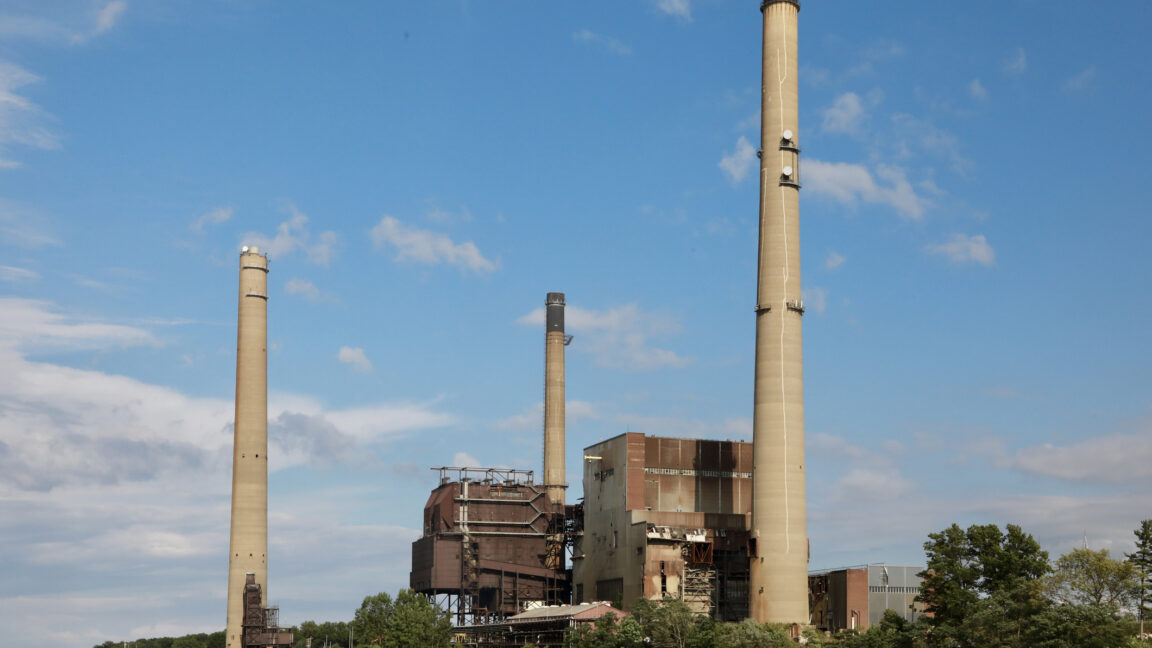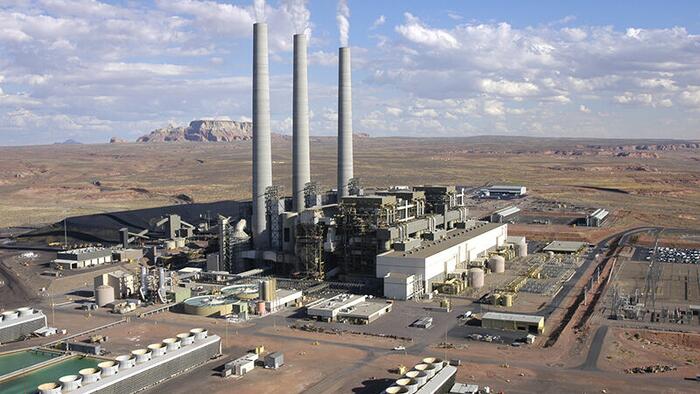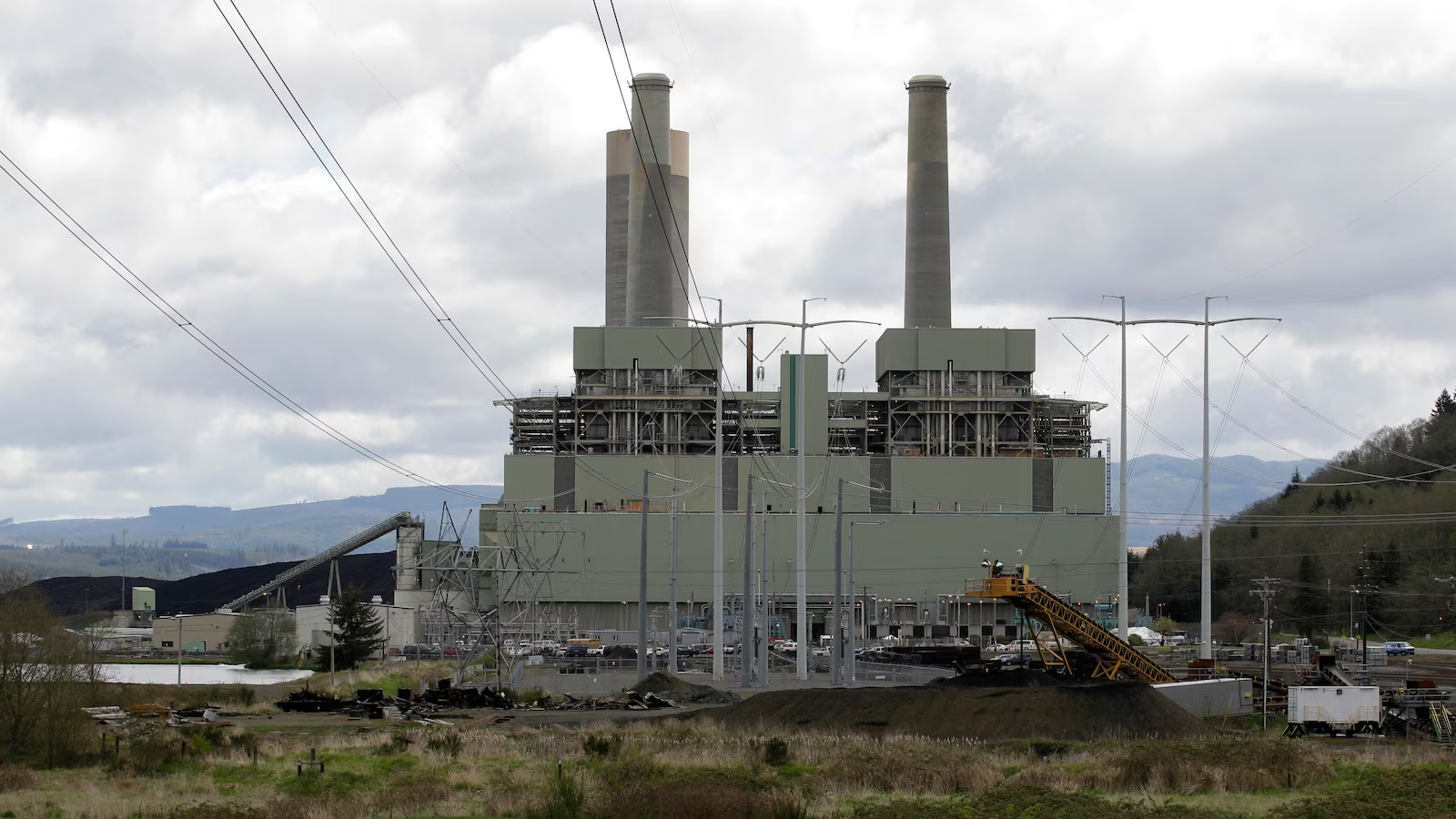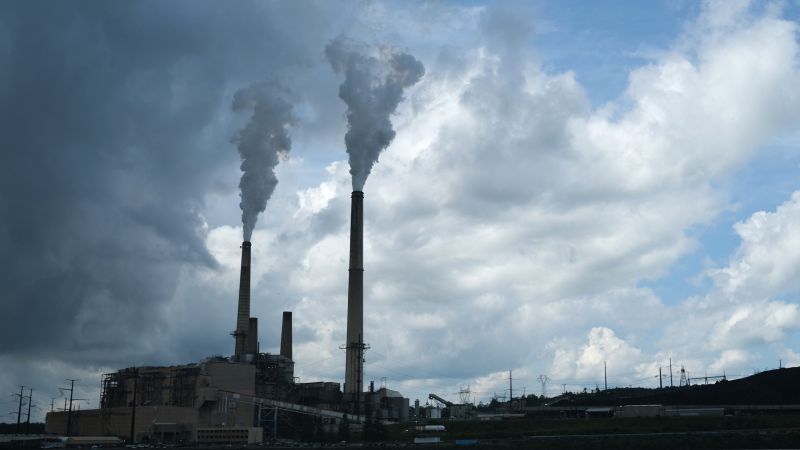
It’s been 13 years since the last large coal-fired power plant was built in the US. Now, the Trump administration wants to build another two, but experts say even federal support likely won’t make that feasible.
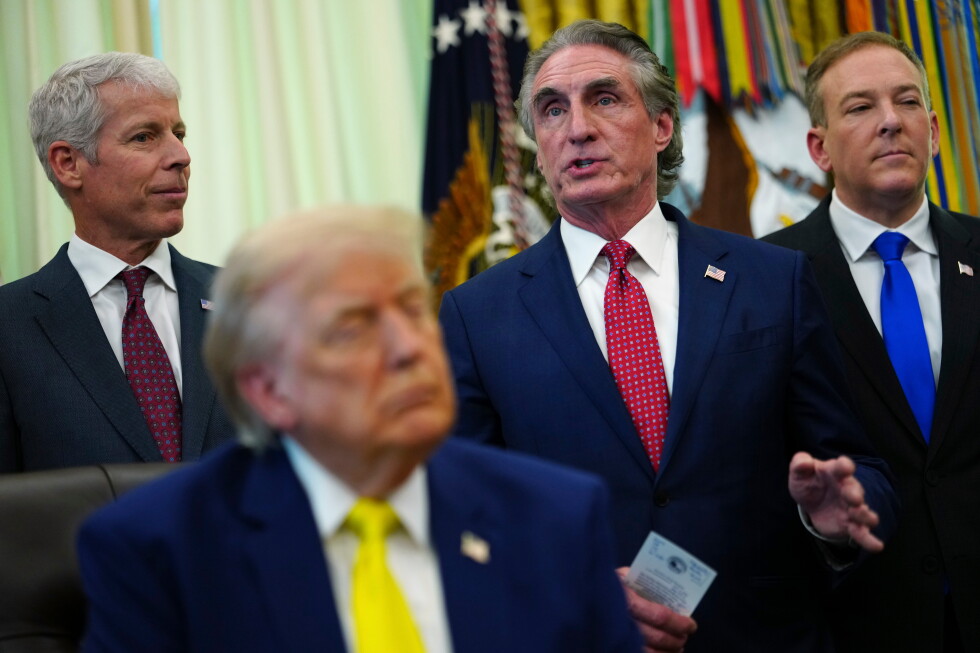
President Donald Trump and his administration have made no secret of their preference for coal-fired power, arguing it is an important source of firm, always-on electricity prized by large users like data centers and industry.
Most of their efforts have been directed at keeping existing coal plants operating longer, but last month, the administration announced it would give more than $100 million in federal funding to two proposed plants in West Virginia and Alaska.
These projects are in the planning stage, and the federal money will be used for early-stage feasibility studies. If they are built, it would be a momentous turn of events for coal-fired power in the US. However, that’s a big “if” because the cost could be astronomical to build coal plants with proposed carbon capture — a technology that would stop most of their plant-warming pollution from escaping into the atmosphere, storing it instead.
It would cost more than $10 billion to construct a 1.6 gigawatt coal plant outfitted with carbon capture, like the proposed one in West Virginia, according to an independent analysis prepared for the Wyoming Energy Authority this year. Similarly, it would cost more than $8 billion to build a plant the size of the 1.25 gigawatt Alaska project.