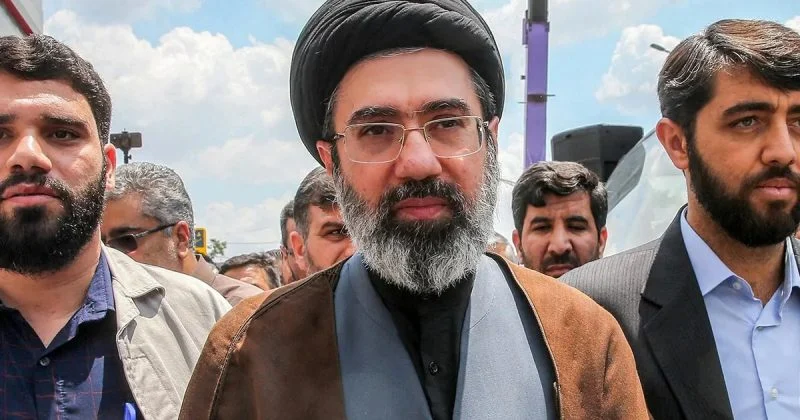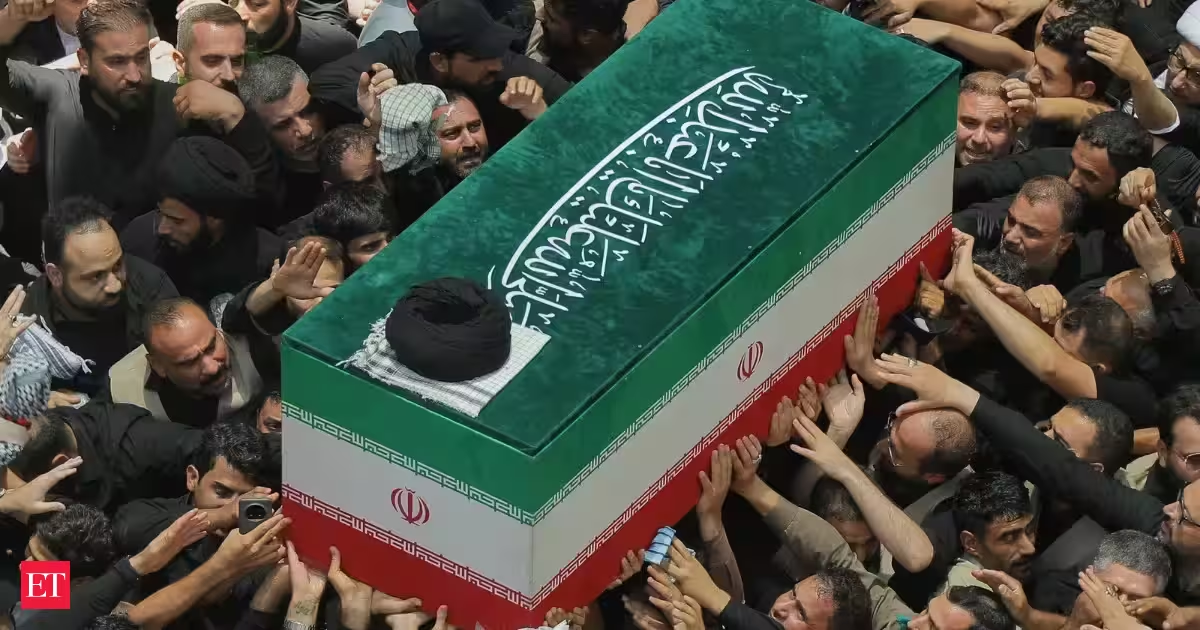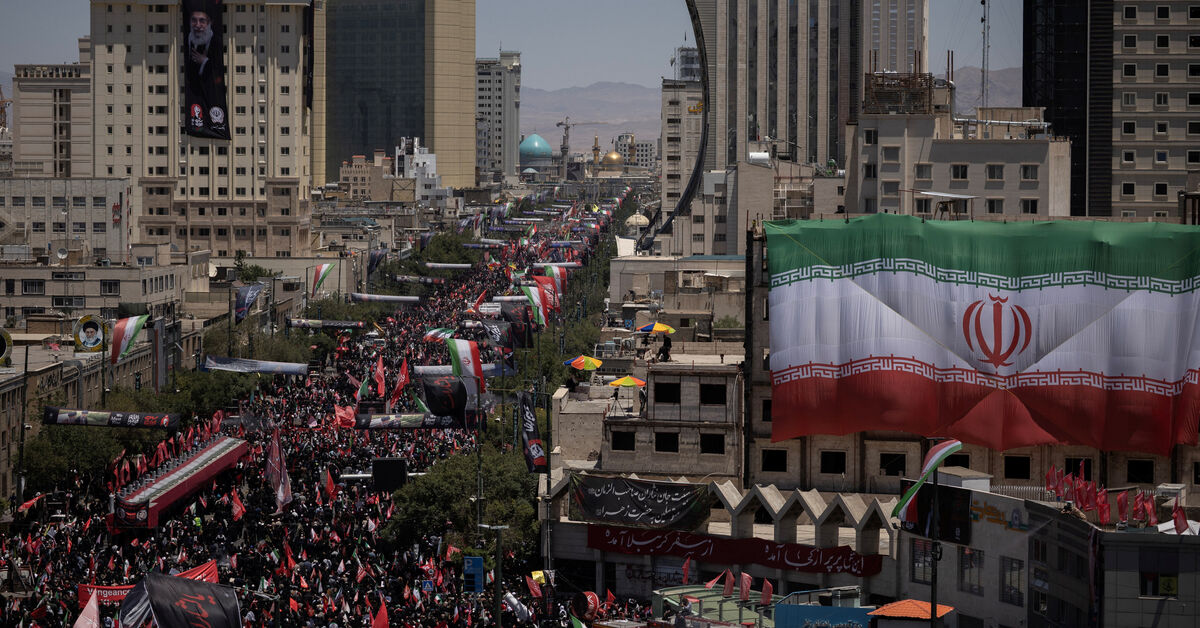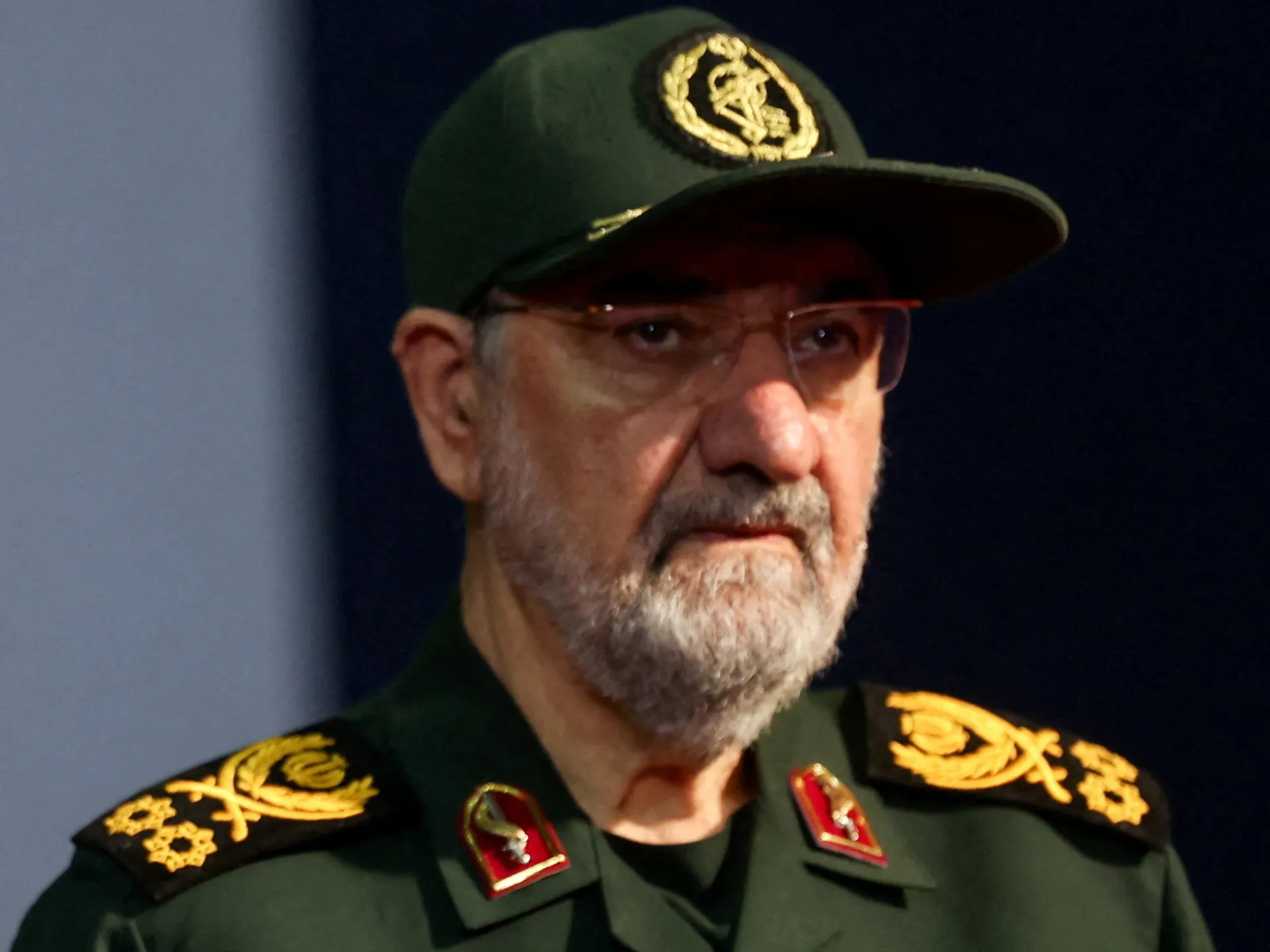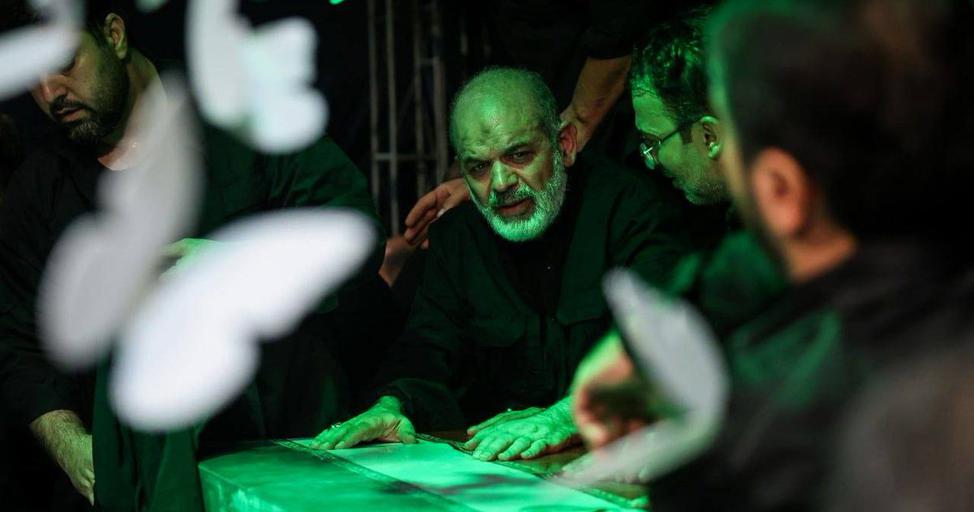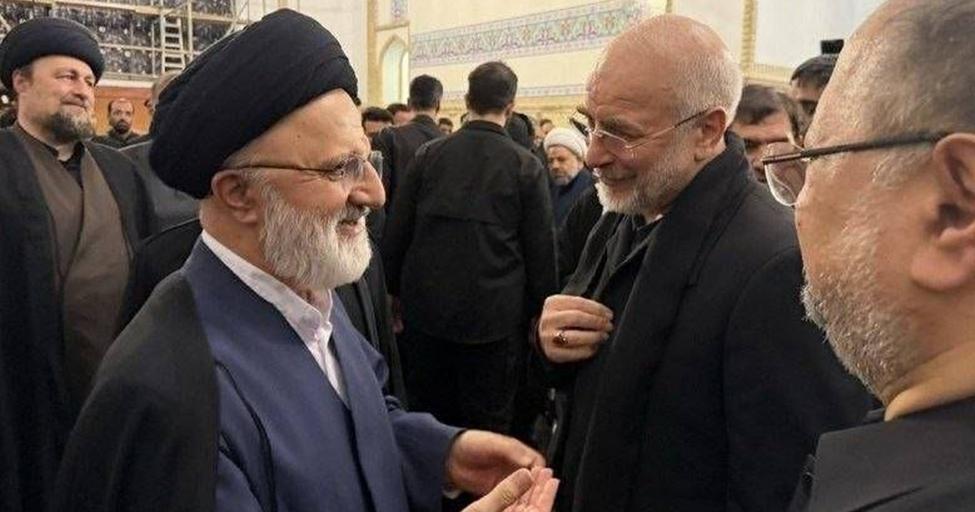
For the first time since the conclusion of the 39-day war, Ali Asghar Hejazi, the long-serving head of security affairs within the former Supreme Leader’s Office, made a public appearance at an official event in Mashhad on July 9. Attending the burial ceremonies of Ali Khamenei, Hejazi was seen actively conversing and exchanging pleasantries with various high-ranking officials.
His public reappearance after an absence of more than 130 days came after Israel had previously claimed to have assassinated him in a targeted covert operation.
Beyond merely protecting the regime’s top figure, Hejazi’s actual mandate encompasses coordinating the Islamic Republic’s disparate intelligence apparatuses and translating high-level political decisions into operational policies. His deeply entrenched position within the regime’s hard core allowed him to operate far beyond the legal boundaries of the Ministry of Intelligence. He pioneered a model of centralized, security-driven governance within the Supreme Leader’s Office, known as the Beit, that has functioned for decades as the country’s primary nexus for multi-agency coordination.
Recently, Hejazi mobilized ahead of the selection process for the new Supreme Leader, personally attending the Assembly of Experts. His strategic presence is widely believed to have heavily influenced the ultimate selection of Mojtaba Khamenei. Despite his immense influence, Hejazi remains virtually unknown to the general public and actively avoids media visibility, maintaining a low profile that historically allowed him to walk the streets without a visible security detail. Just as he served as the ultimate backstage operator of the Islamic Republic during the era of the first Khamenei, he appears positioned to maintain his grip on power under the new leader.