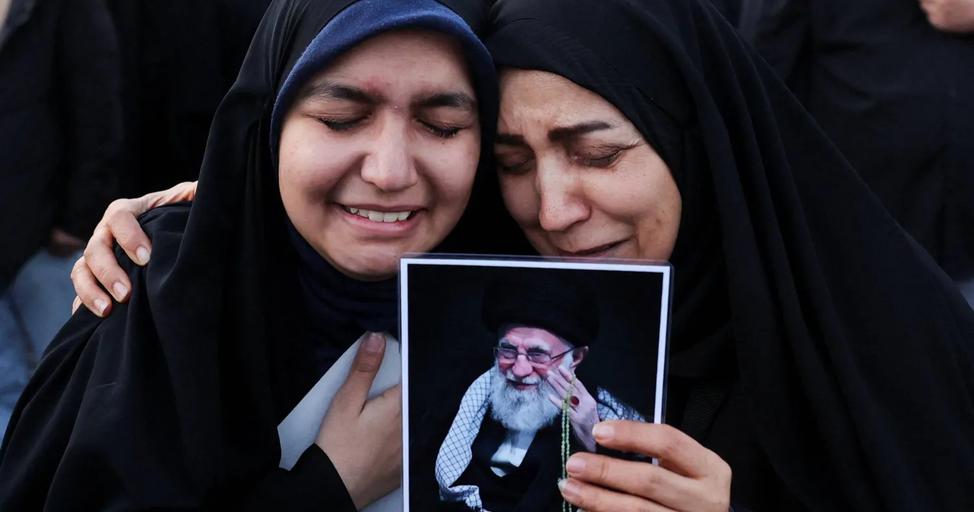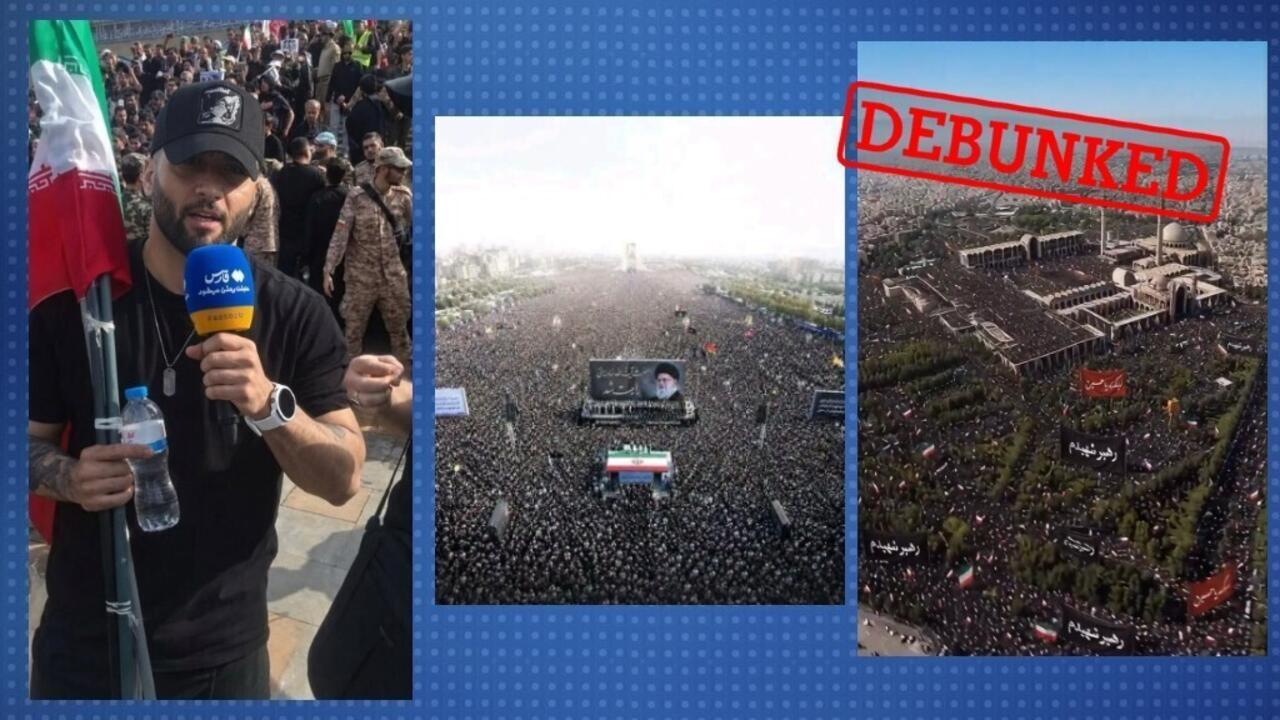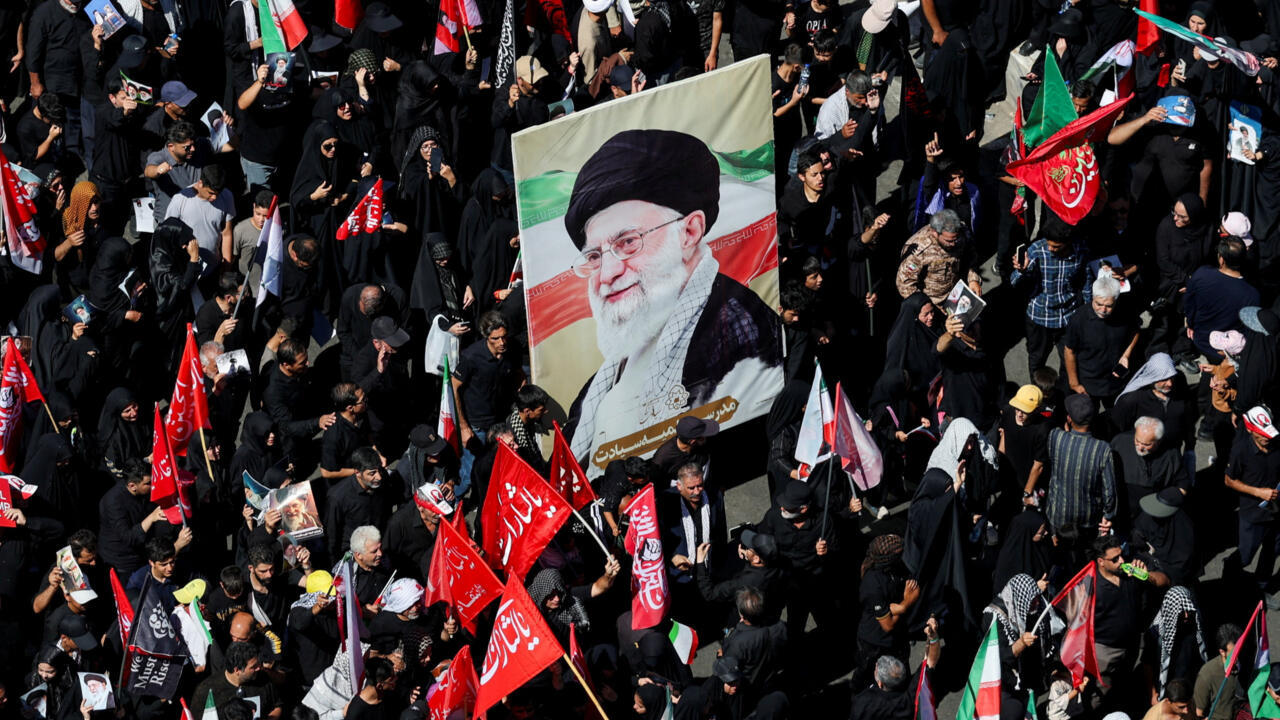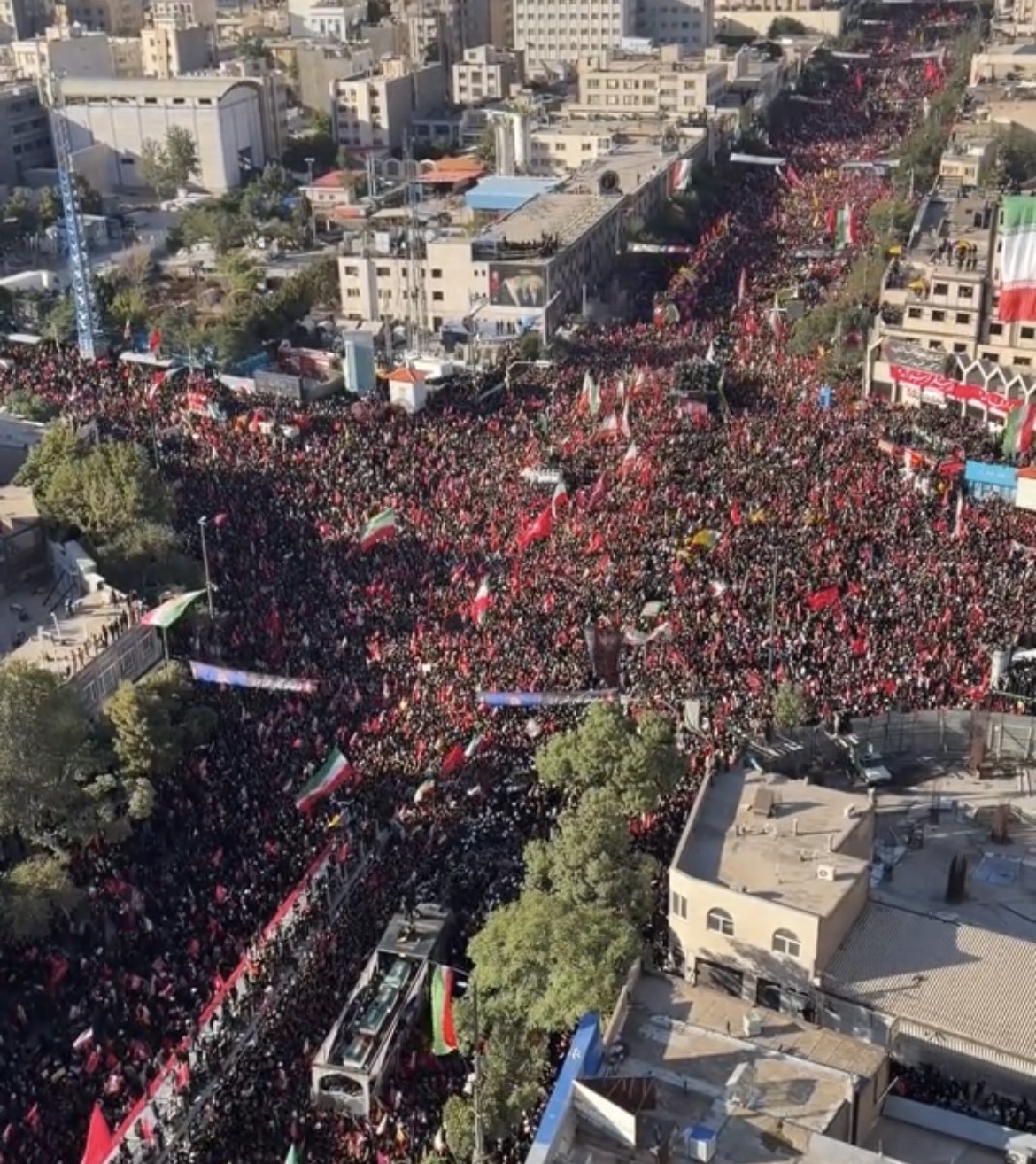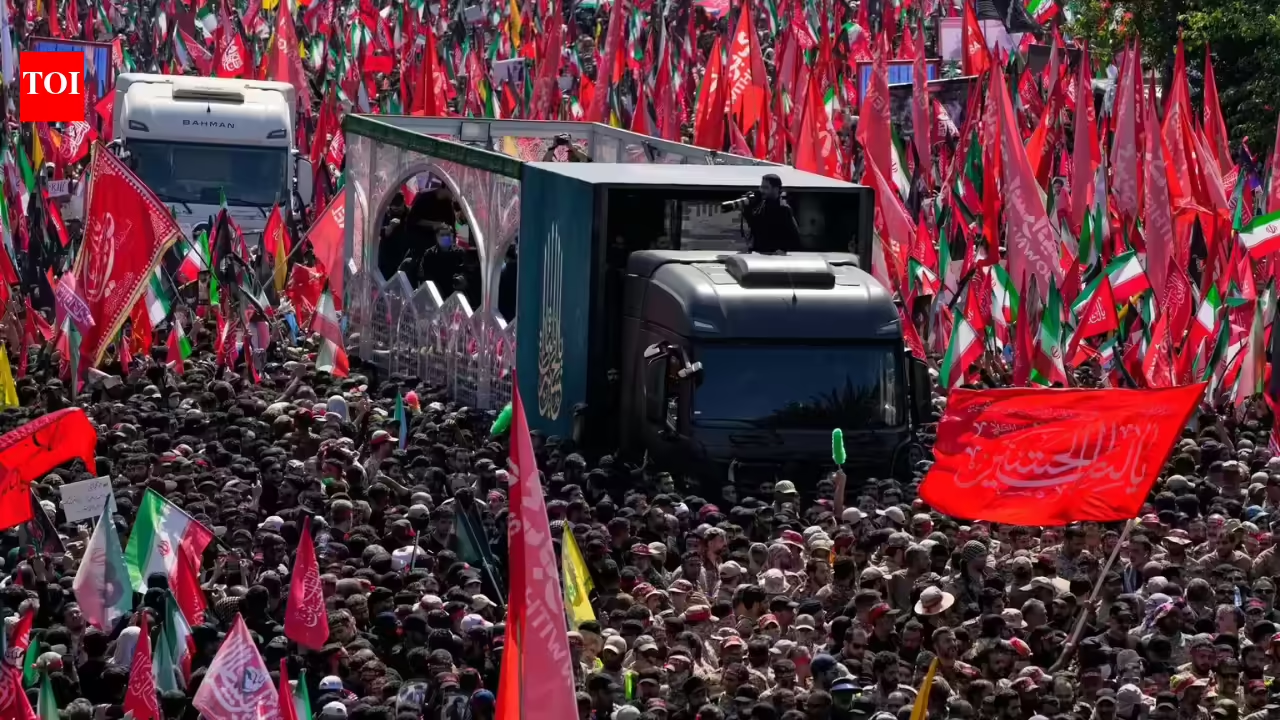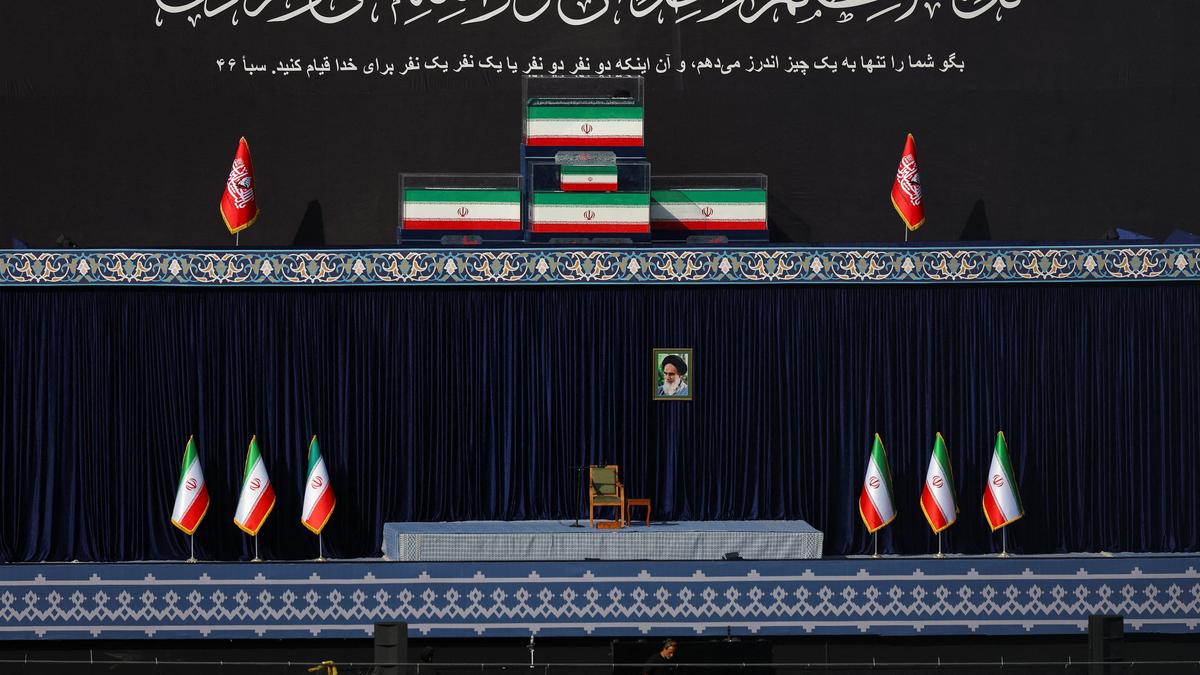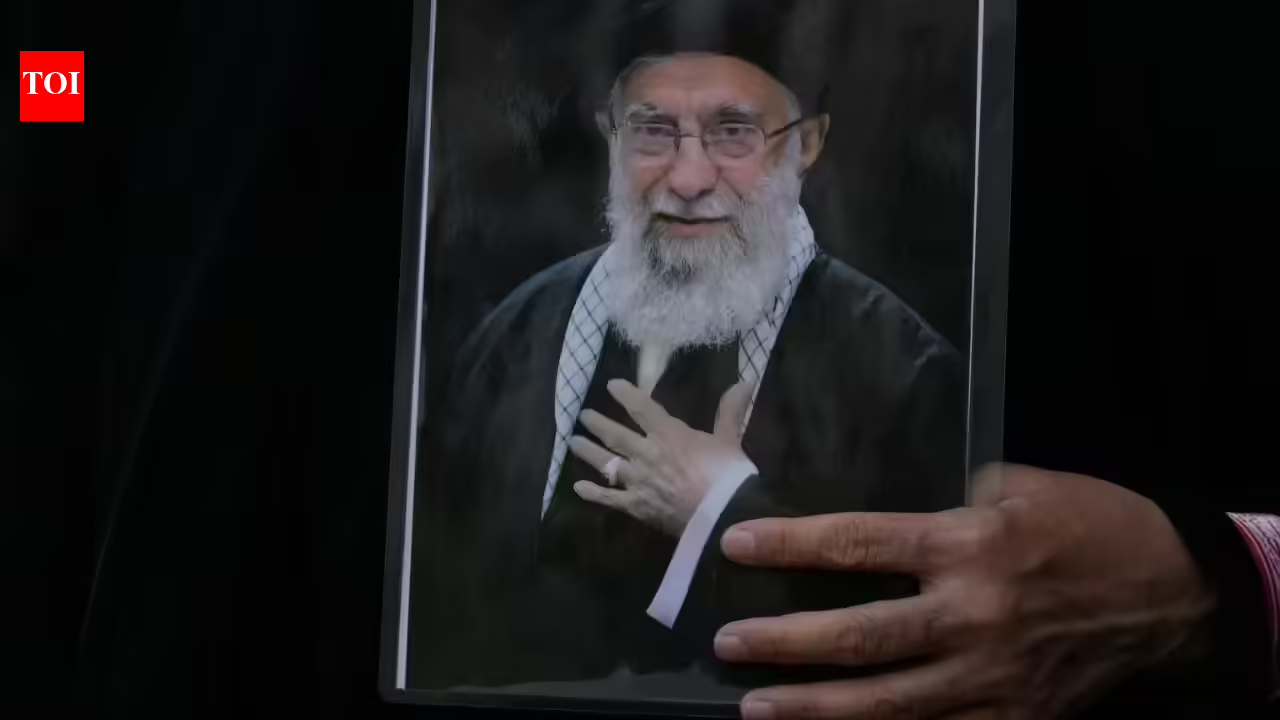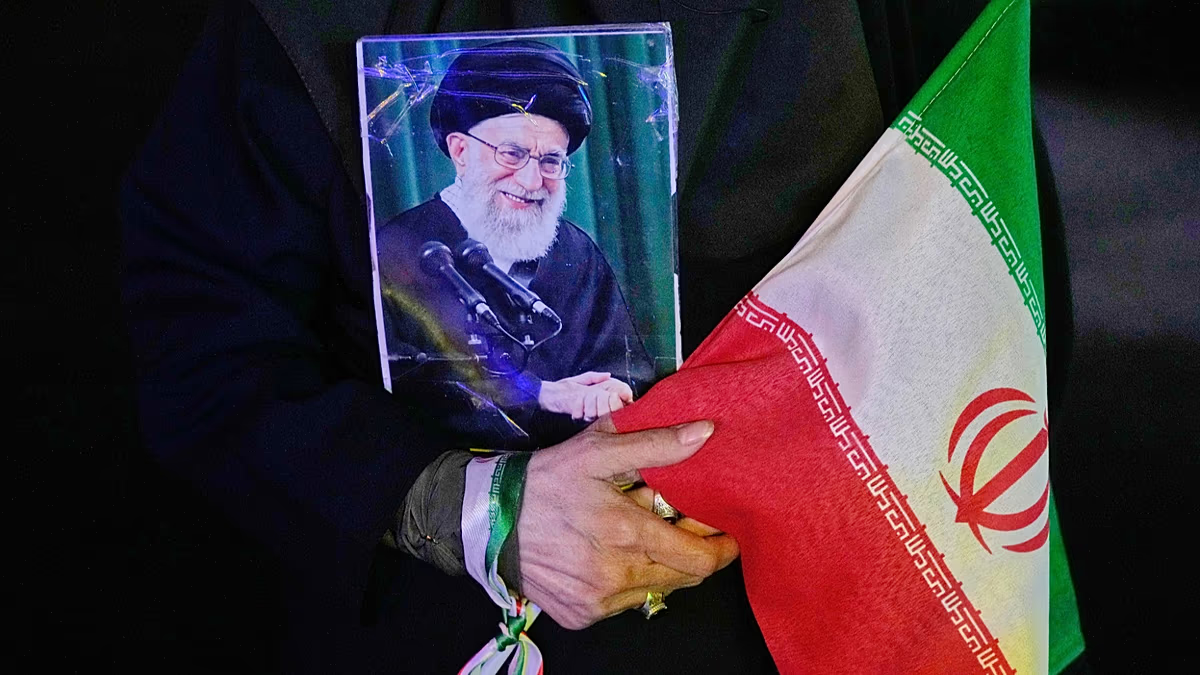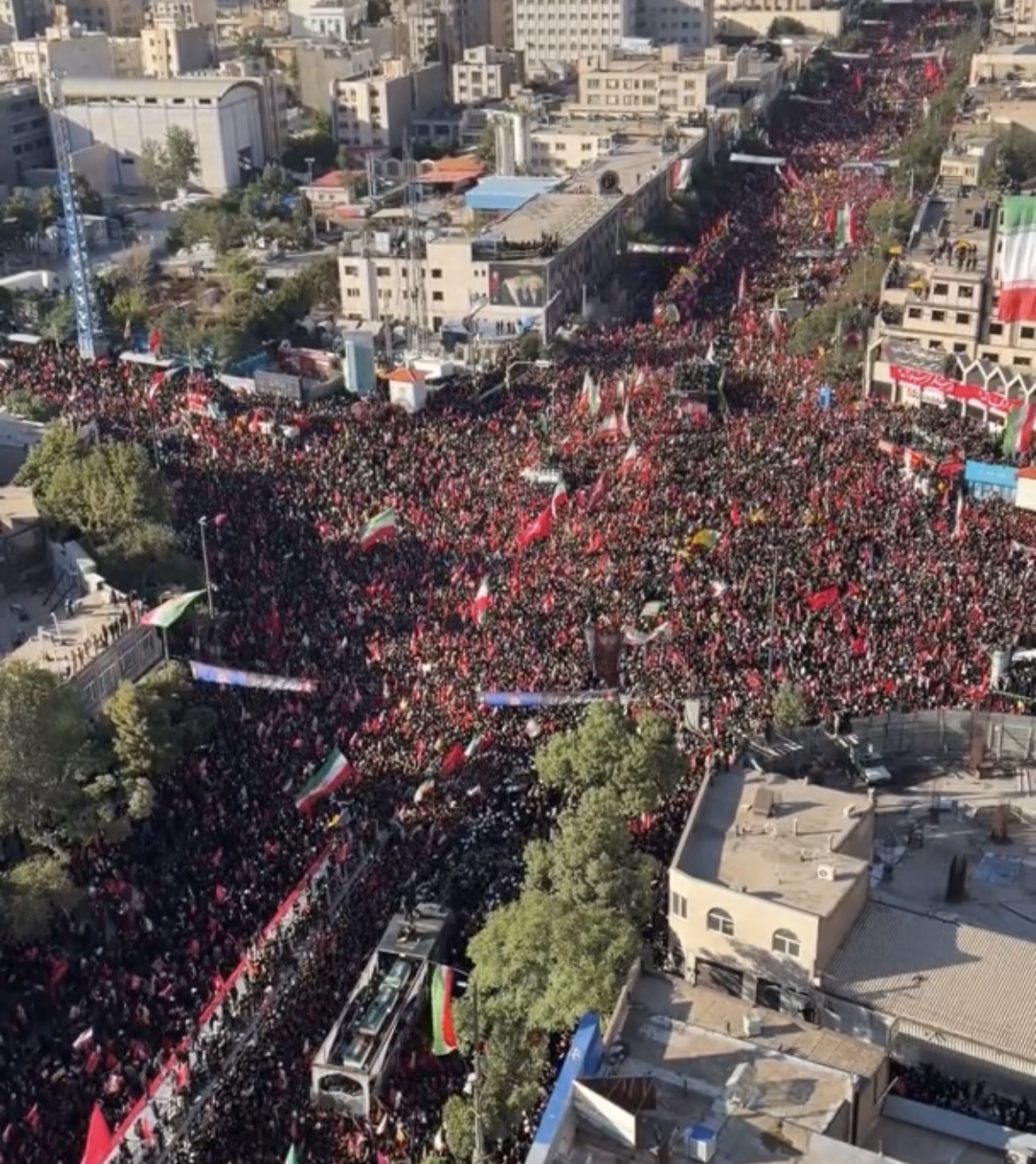
I watched Ali Khamenei's funeral from Athens, on state feeds and drone footage, the way most Iranians abroad watched it. Nothing in the spectacle surprised me. States bury their rulers with state resources. The Islamic Republic set the template in 1989, when roughly ten million people attended Khomeini's funeral, a figure Guinness recorded as the highest attendance share in any burial in history. A government organizing an enormous funeral for its dead leader is normal politics. The scandal lies elsewhere.
Begin with the machinery, documented by the regime's own media. On June 10 the Interior Ministry formed a national funeral headquarters. The IRGC's Tehran division ran the operation on the ground. Around two thousand organized service stations fed and housed mourners. Officials prepared 1,635 lodging centers in schools, mosques and stadiums, with capacity for over one million visitors, plus free public transport. In Tehran province alone, authorities stockpiled some 12,000 tons of basic goods, including two million loaves of bread.
The concrete barriers along the procession route cost about 60 billion tomans by official admission, roughly 300,000 euros at the street exchange rate of funeral week. IranWire estimated route preparation above 100 billion tomans, over half a million euros. No consolidated bill exists. The government scattered the costs across ministries, municipalities, military bodies and religious foundations, and refused to publish an aggregate figure. Opacity here is not an accident. It is the accounting method.