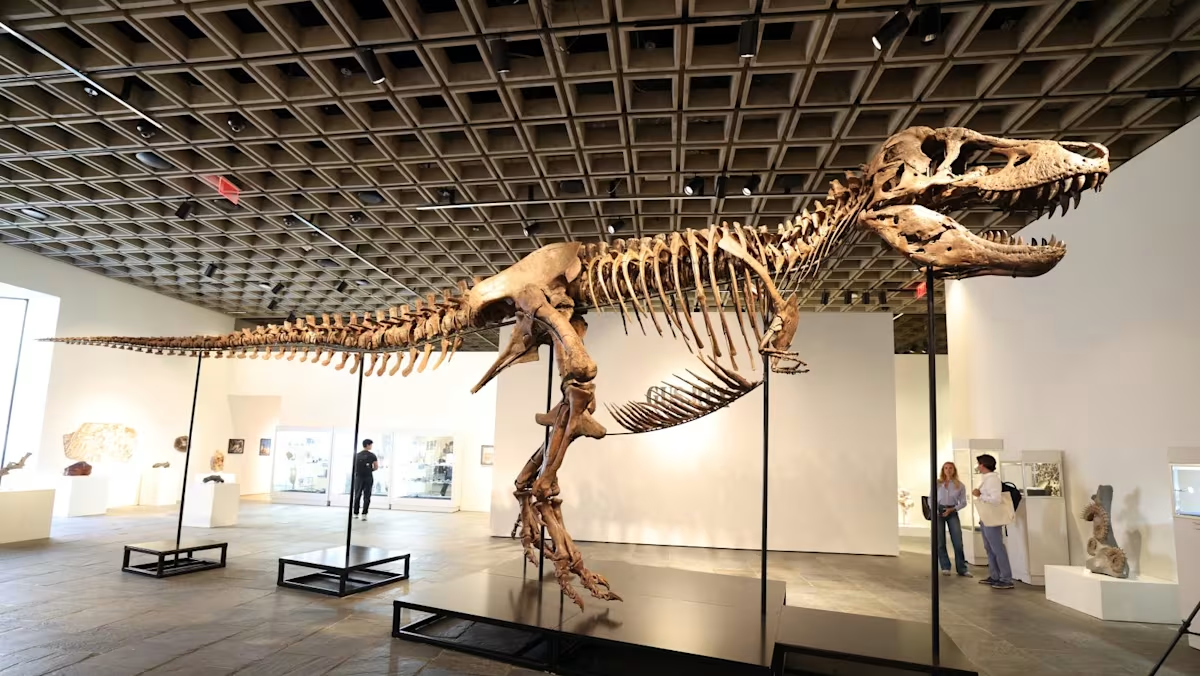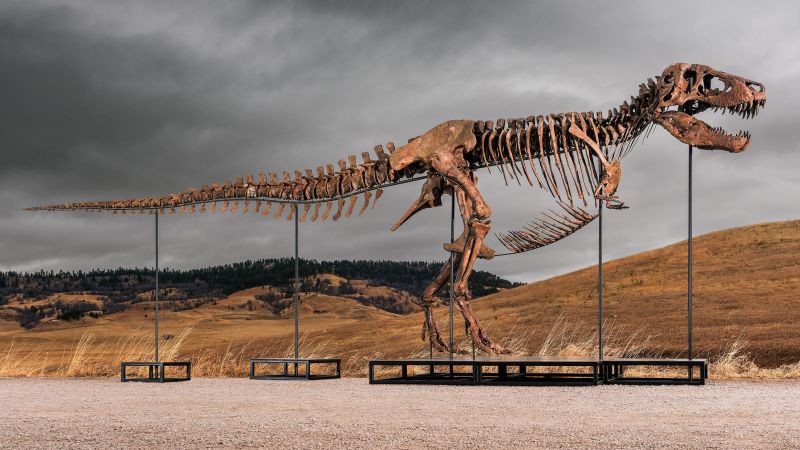
Before he became the namesake of one of the largest predators that ever lived — or made it into the footnotes of an auction catalog — the late Gary “Gus” Licking, a cattle rancher in South Dakota, had always suspected his land was hiding something big.
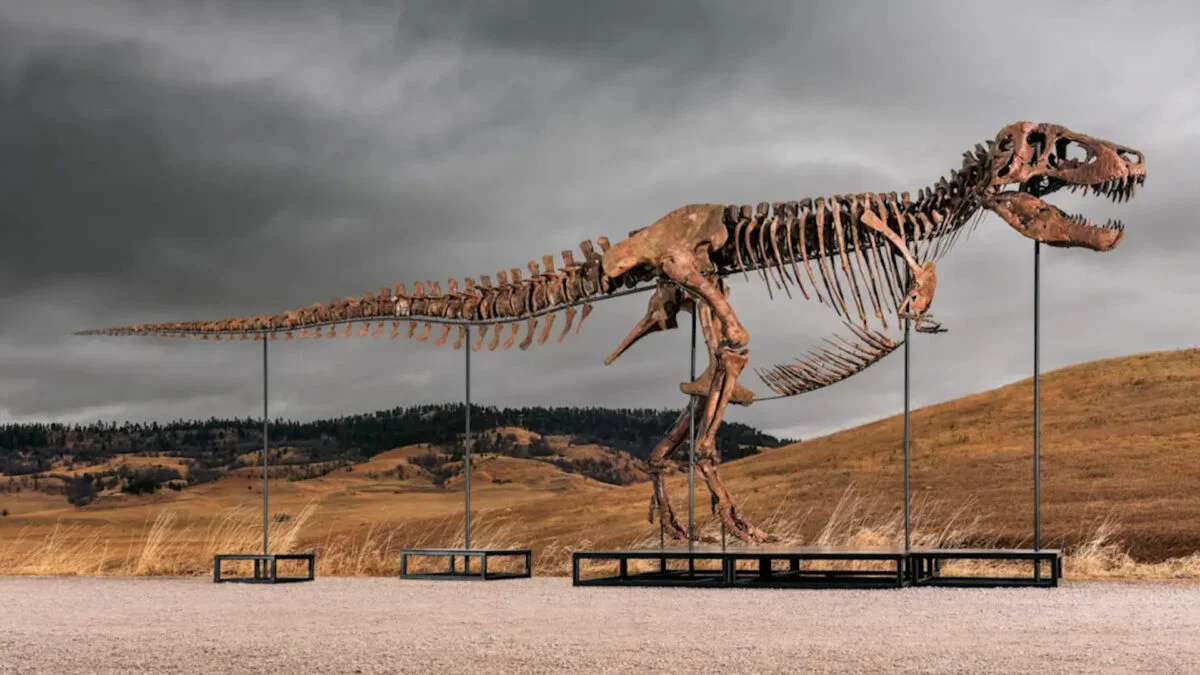
The Licking ranch sits within the Hell Creek Formation, a legendary geological boneyard that stretches across Montana, Wyoming and the Dakotas. It’s the most important place in the world for the most famous of dinosaurs, Tyrannosaurus rex. One of the first skeletons of T. rex was found there in 1902, and the name T. rex was given to the species based on fossils unearthed in this area.
Stan, an almost-complete T. rex skeleton discovered miles up the road from Licking’s place, sold at auction in 2020 for $31.8 million, a record at the time.
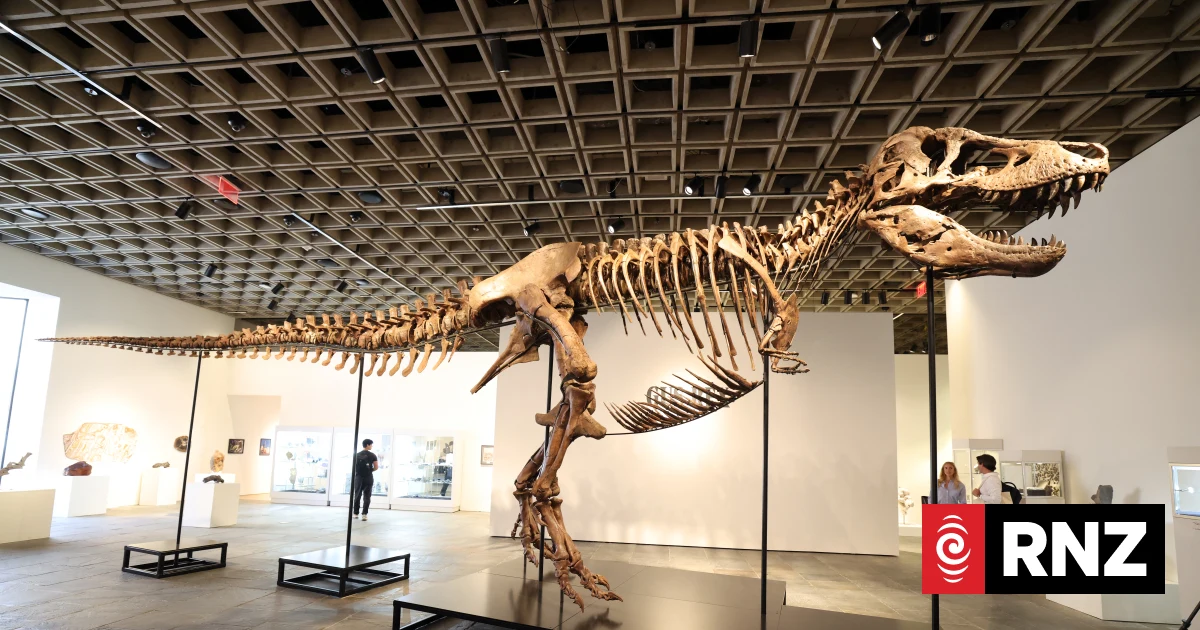
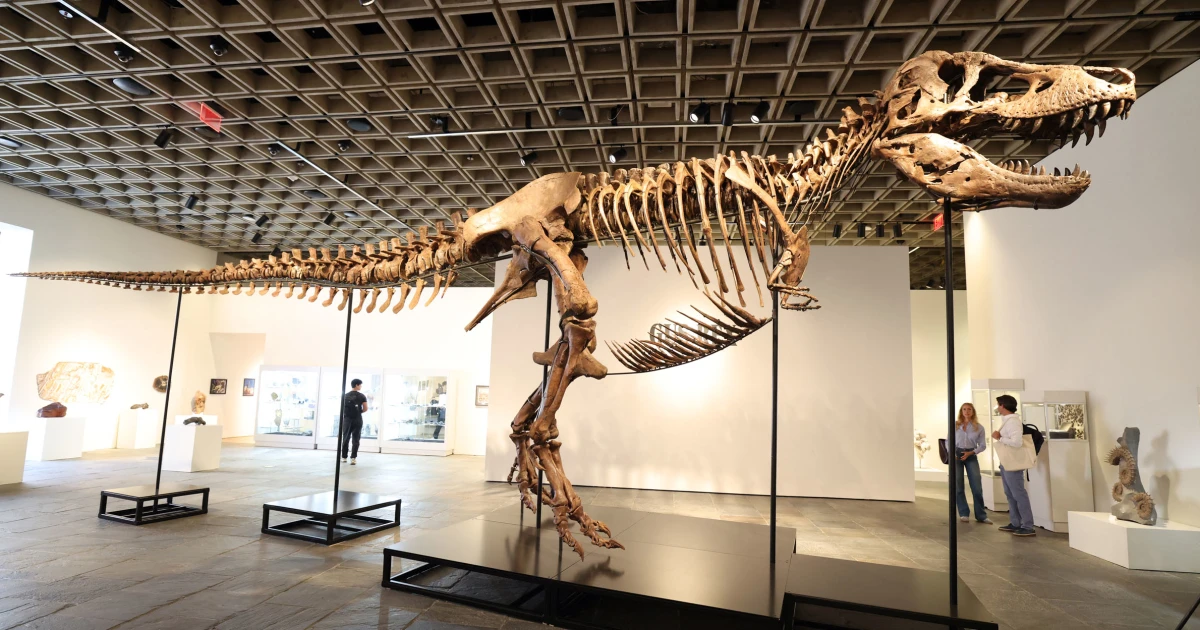
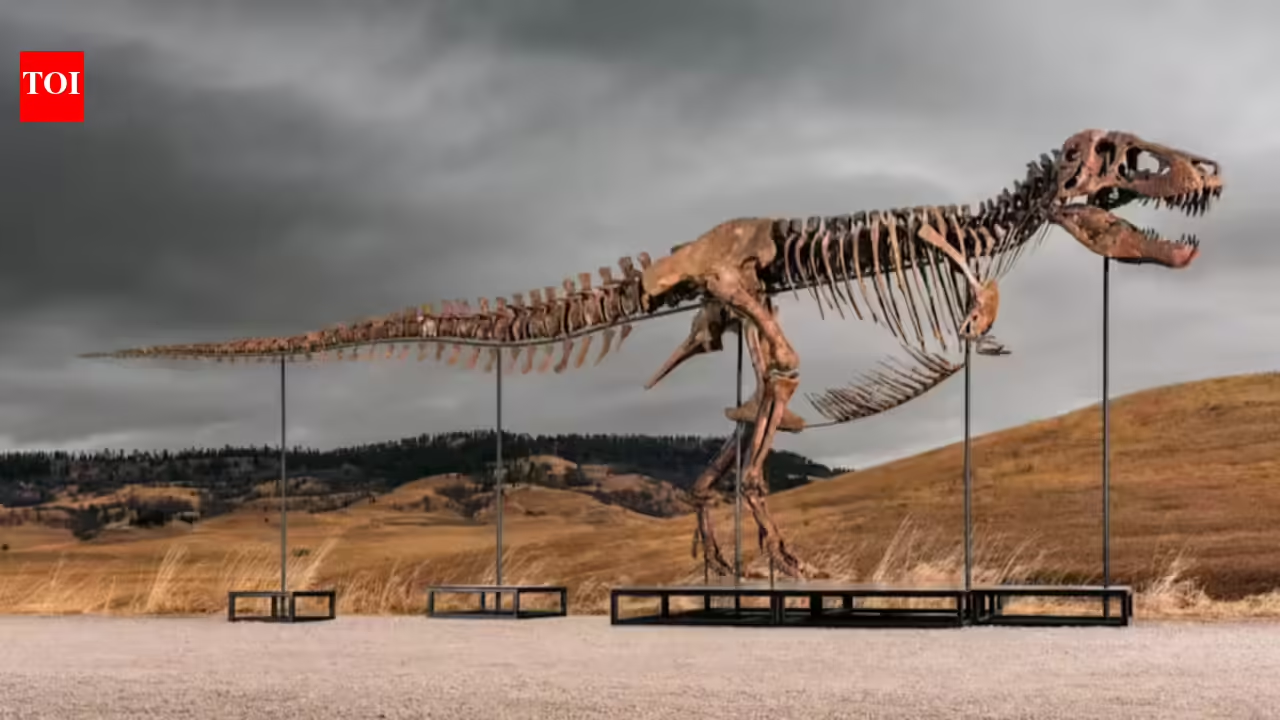
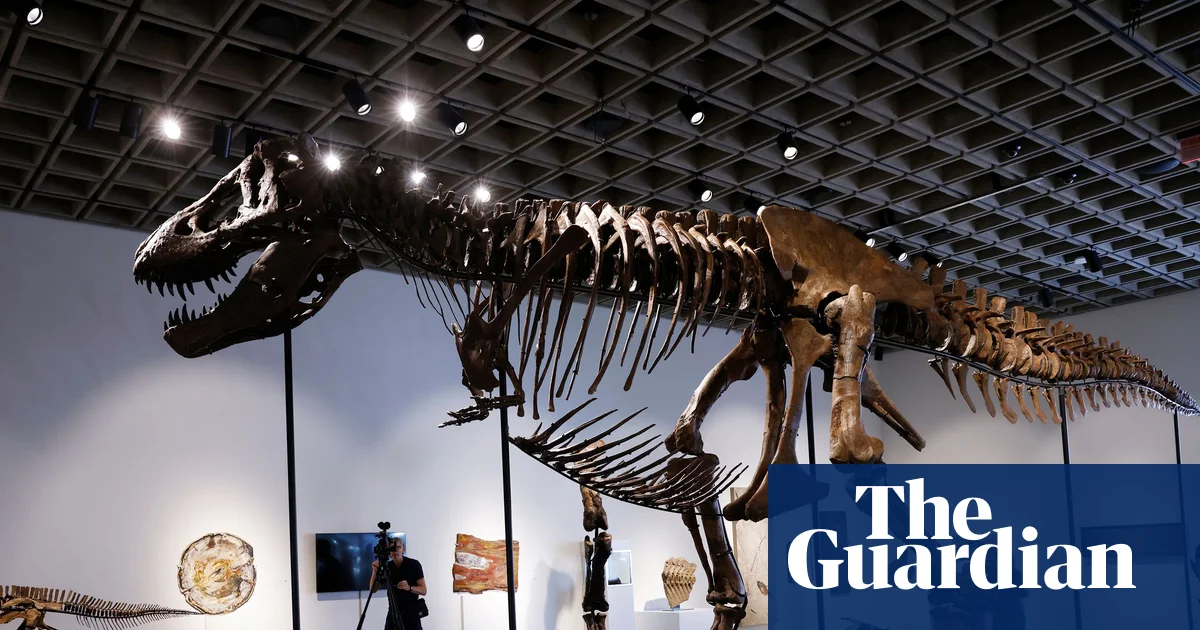
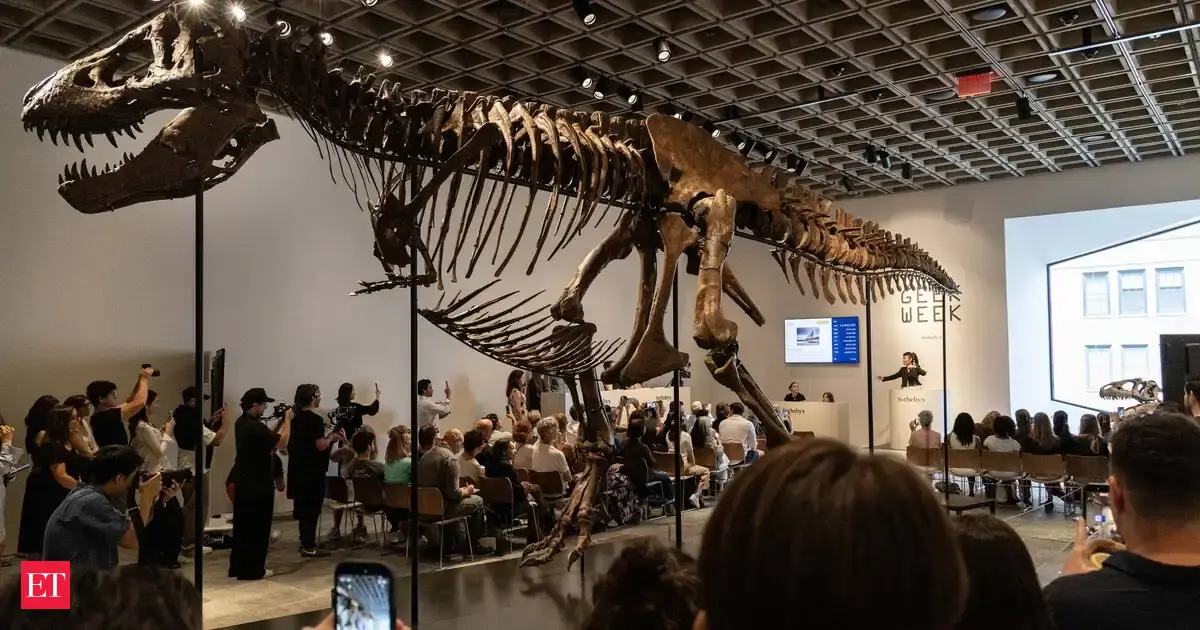
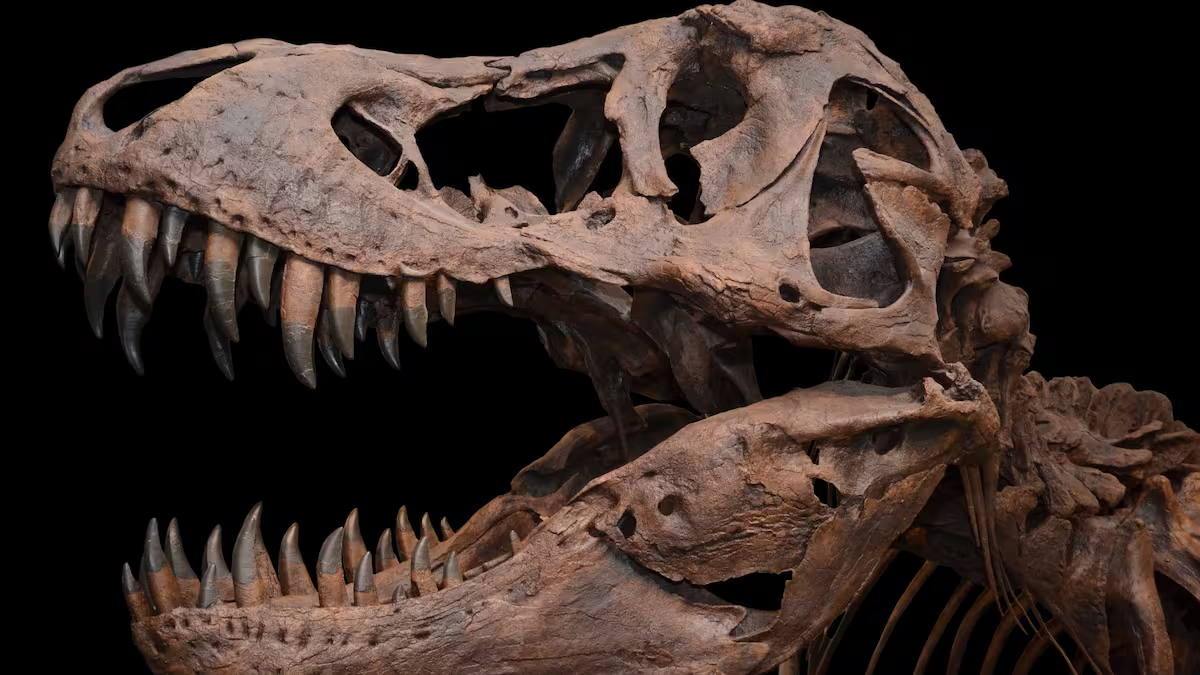
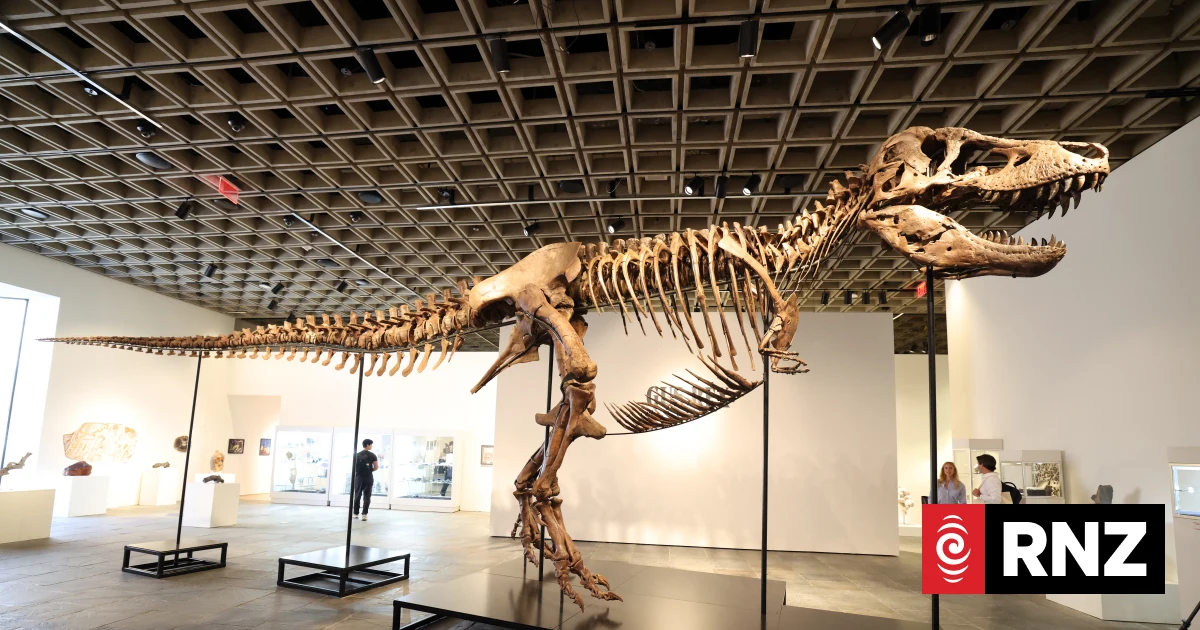
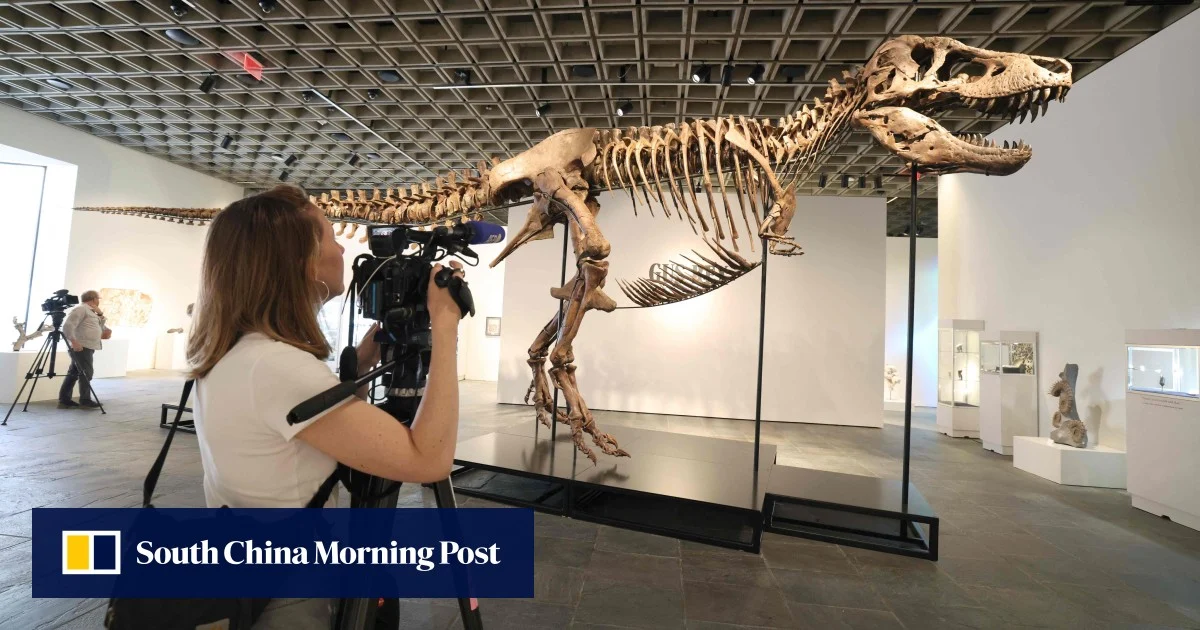
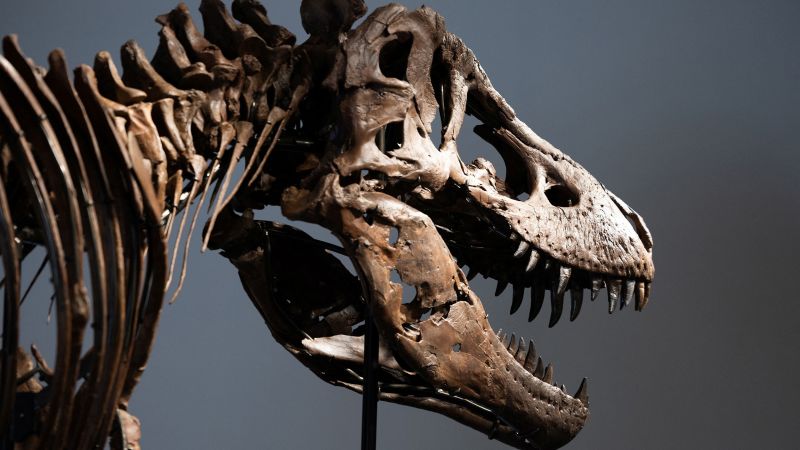
Now, the rancher’s 6,500-acre property in Harding County is writing its own chapter in Hell Creek history, having yielded a fossil near the magnitude of Stan. Named Gus in honor of Licking, the newer skeleton is set to be auctioned Tuesday at Sotheby’s in New York City, when it could become the world’s most expensive fossil.
But Gus’ sale, likely into private hands, is also bound to spark controversy because of what it represents: a paleontological predicament in which experts say ownership and stewardship are increasingly at odds — and science is usually the loser.