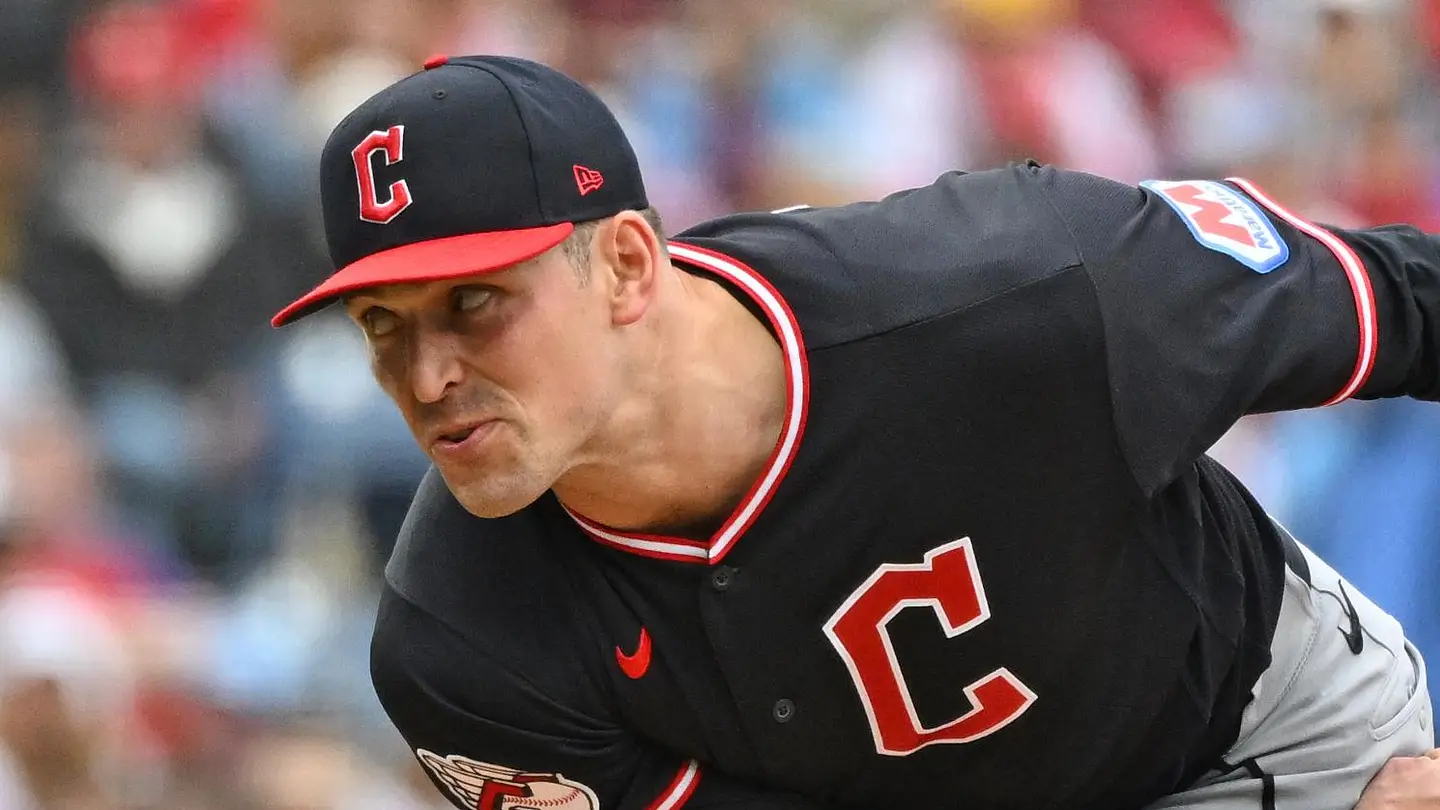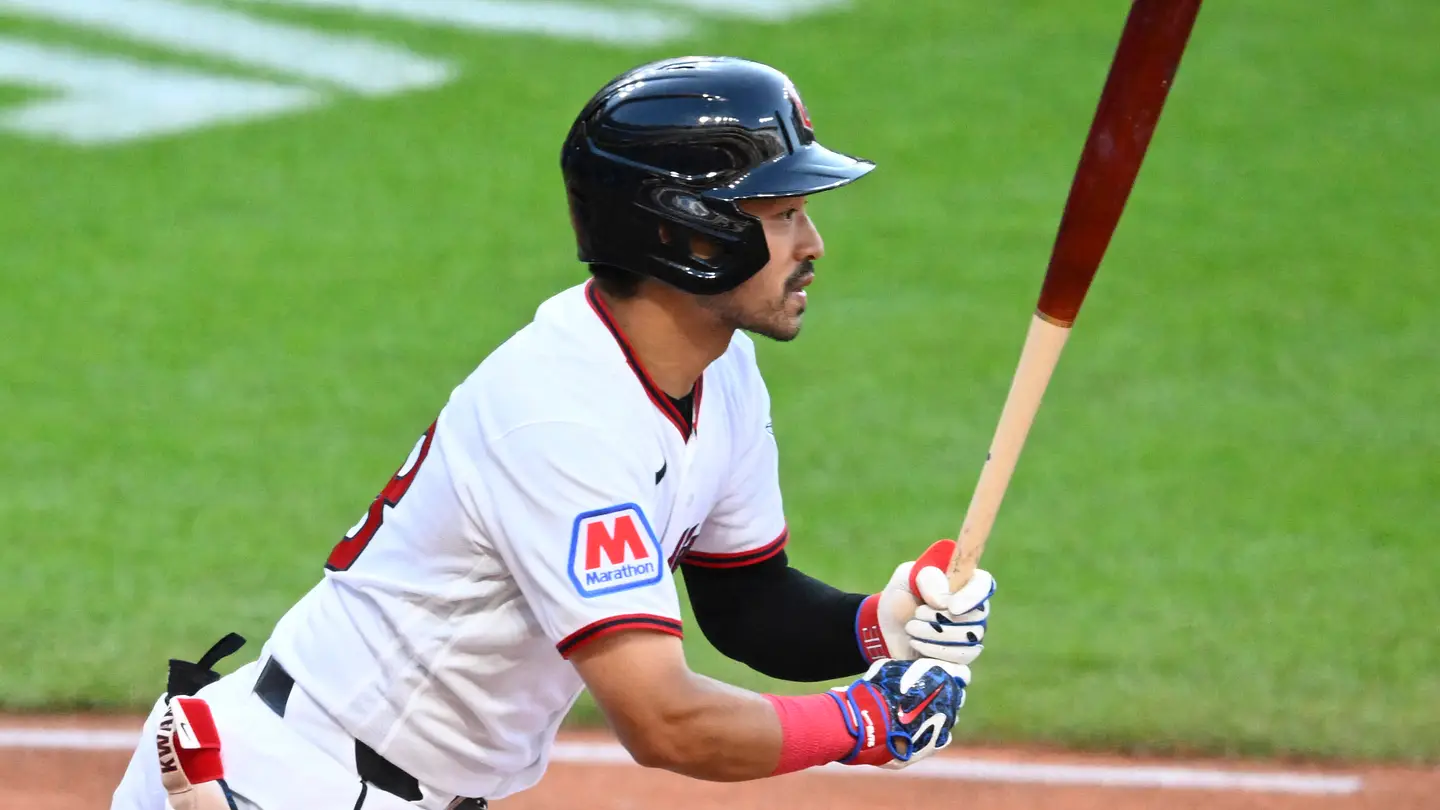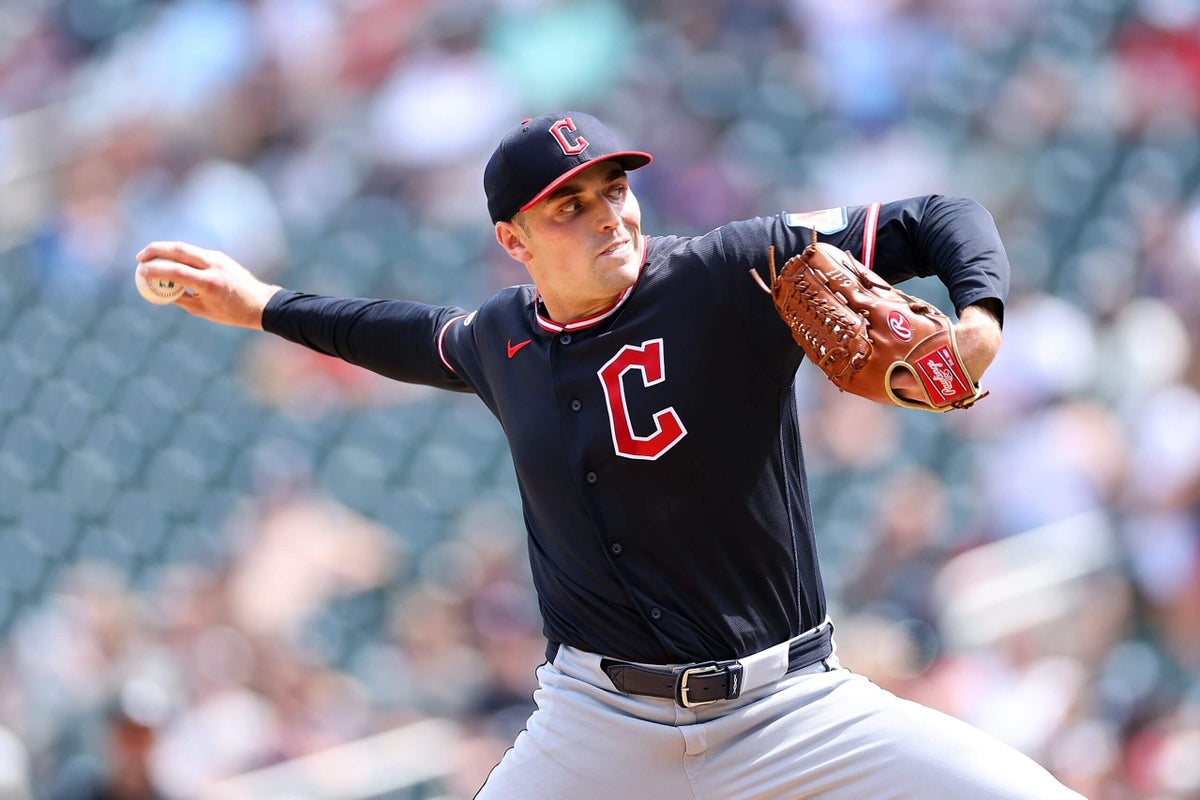
CLEVELAND — As Steven Kwan strolled to home plate one morning during spring training a few years ago, teammates wished him luck.Kwan was confused. This was a pressure-free at-bat on a back field at the Cleveland Guardians’ Arizona complex, with some anonymous prospect standing on the mound.“His last name is literally Smith,” Kwan thought. “How crazy good could this guy be?”The answer to Kwan’s question came in the form of a mind-melting fastball that seemed to teleport from the pitcher’s fingertips to the catcher’s glove.“It felt like he was releasing it in front of my face,” Kwan said. “It was special.”The pitcher was Cade Smith, an unheralded, undrafted reliever who was still learning everything his 6-foot-5 frame and his partnership with Cleveland’s pitching whisperers had to offer.He’s on everyone’s radar now.This month, Smith’s peers elected him to his first All-Star Game. They’ve witnessed firsthand his upper-90s fastball and the way it seems to glitch its way to home plate. Or they’ve gawked at his gaudy strikeout total and his league-leading saves figure in his first full season in the closer role. Or they’ve played alongside him and have marveled at his discipline, work ethic and the near-robotic manner in which he plods through his daily regimen all so he can overbear whichever hitters stand in his path in the ninth inning.“That’s as good of a pitcher as there is in the big leagues,” said Guardians catcher Austin Hedges.Amid the coronavirus pandemic, Major League Baseball revamped the 2020 draft. There were only five rounds, followed by a 48-hour moratorium, and then a free-agent free-for-all beginning at 9 a.m. ET on a Sunday. Teams could ink any undrafted player to a signing bonus capped at $20,000.Cleveland’s front office split up its big board and cold-called agents, players and family members. It resembled a college recruiting process. One Guardians executive remembers calling an agent to ask if their client would sign for $20,000. The agent replied: “He might, but just so you know, he just got off a FaceTime with David Ortiz.” The executive had no counter to that sort of power play.Thankfully for Cleveland, Smith didn’t need to be wooed with a celebrity testimonial. He was dazzled by data and blueprints for a better arsenal.The organization knew Smith from his high school days in Abbotsford, British Columbia. Smith had pitched in showcases on U.S. soil, and while they didn’t see him much at the University of Hawai’i at Mānoa, they studied enough video of his mechanics to know they wanted him.The average team scooped up about six undrafted free agents. Four teams signed at least 10. The Boston Red Sox, with their dignitaries delivering sales pitches, signed 14.Cleveland kept a more targeted approach, which appealed to Smith. They weren’t casting a wide net; they had specific motivation for each pursuit.Smith was deliberate and meticulous with his process, too. Once teams initiated contact, he conducted background checks on the state of their farm system, their reputation and their ability to develop pitchers. Many undrafted free agents signed within a day or two. Smith took a week.“If you ask my wife,” Smith said, “the way I make decisions is very thorough and probably sometimes painstakingly slow. … If something does backfire, I’d like to be able to say, ‘Hey, I did my research, I checked into it and I’m not going to have any regrets for how this blew up in my face.’”He took Zoom calls with about five teams, but none lasted longer than his meetings with Cleveland. In all, the two sides spoke for four hours.One front-office member, reviewing notes from the interviews, recalled Smith as being “dialed in” to the conversations. After their first call, Smith had asked to connect with a couple of the organization’s pitching coaches and the director of physical development. The club’s evaluators were confident he would capitalize on the resources at his disposal. That was pivotal, because they felt he was “raw” in understanding his mechanics and how certain tweaks could make his fastball a lethal pitch.“It was pretty clear that these guys are the best at pitching development,” Smith said.Smith’s parents are teachers, but he was convicted in his path forward, and assured them he should forgo his senior year of college to jump to the professional ranks. He worried about having enough bandwidth for both his biology studies and baseball, and he didn’t want to join the overflow of players entering the 2021 draft after the abbreviated 2020 edition.After a weeklong probe, he chose Cleveland over Seattle, passing on the Mariners’ proximity to Abbotsford. He was Cleveland’s fourth and final undrafted free-agent addition.Once he joined the organization, Smith consumed every morsel of input from coaches and analysts, who helped to adjust his release point, boost his velocity and craft pitch grips and shapes that would work in harmony.He had doubts along the way, he stressed. He was throwing 88-92 mph when he arrived in the organization. Now, he throws 95-99 mph with elite extension that adds zip to whatever the radar gun claims, plus a sweeper and a devastating splitter.“You design a process, and he’s going to do it perfectly,” said Guardians assistant GM Matt Forman.Smith seized the attention of the team’s decision-makers during spring training in 2024, enough to land him on the roster bubble. The Guardians canvassed the waiver wire in the final days of camp, leaving Smith in limbo. But the morning of Opening Day, as he played cards with his siblings in his San Francisco hotel room, Smith learned he had earned a roster spot.He debuted two days later, and with each stifling heater he heaved, he became slightly less anonymous. Hedges was behind the plate as Smith struck out five over two scoreless innings.“I didn’t know he had that type of a fastball,” Hedges said. “I’m seeing 95 or whatever. I’m like, ‘That’s a good heater.’ But it’s blowing everybody away, and I’m like, ‘This guy has it. There’s something here. This guy has special stuff.’”Had the baseball plan fizzled, Smith would have pursued a career in medicine, perhaps as an eye surgeon.Guardians pitcher Slade Cecconi: “I’d want someone like Cade operating on me.”Hedges: “I’d let him do anything. If he felt confident in doing something, I would trust him with my life.”Guardians reliever Erik Sabrowski: “He would do everything in his power to figure out how to do it smoothly and effectively.”That’s the way he operates. Since he landed only a $20,000 signing bonus and knew he’d earn a meager salary as a minor-leaguer, Smith watched a free course on YouTube and then taught himself how to code so he could help a friend’s brother build websites for some extra cash.Cecconi: “He’s too smart to do anything other than something exceptional.”Hedges: “He’s about as smart of a human as it gets.”Kwan: “Everything he does is calculated.”From arm care to calorie count. Kwan said he watches Smith consume a plate of fruit and greens every day before he tackles his actual pregame meal.Kwan: “We make fun of him for it, like it’s rabbit food. We know every time he has a meal, it’s at an exact time, exactly the right amount of stuff that he needs.”Sabrowski: “His entire day is scripted. Sometimes you feel like you have to drag him down to your level.”Cecconi: “You play 10 days in a row on the road, and that last day, it’s pretty easy to just show up, eat a donut and roll through the day. But you’ll never see that out of Cade.”That might help explain his consistency on the mound over the past two and a half years. Several members of the front office and coaching staff dubbed Smith the hardest worker in the organization.“I’ve never been around somebody with more detailed routines,” said Guardians manager Stephen Vogt.MLB leaders in fWAR, 2024-26 (relievers)1. Cade Smith: 7.1
Cade Smith’s journey from undrafted free agent to Guardians All-Star closer
“That’s as good of a pitcher as there is in the big leagues,” said Guardians catcher Austin Hedges.
1,617 words~7 min read