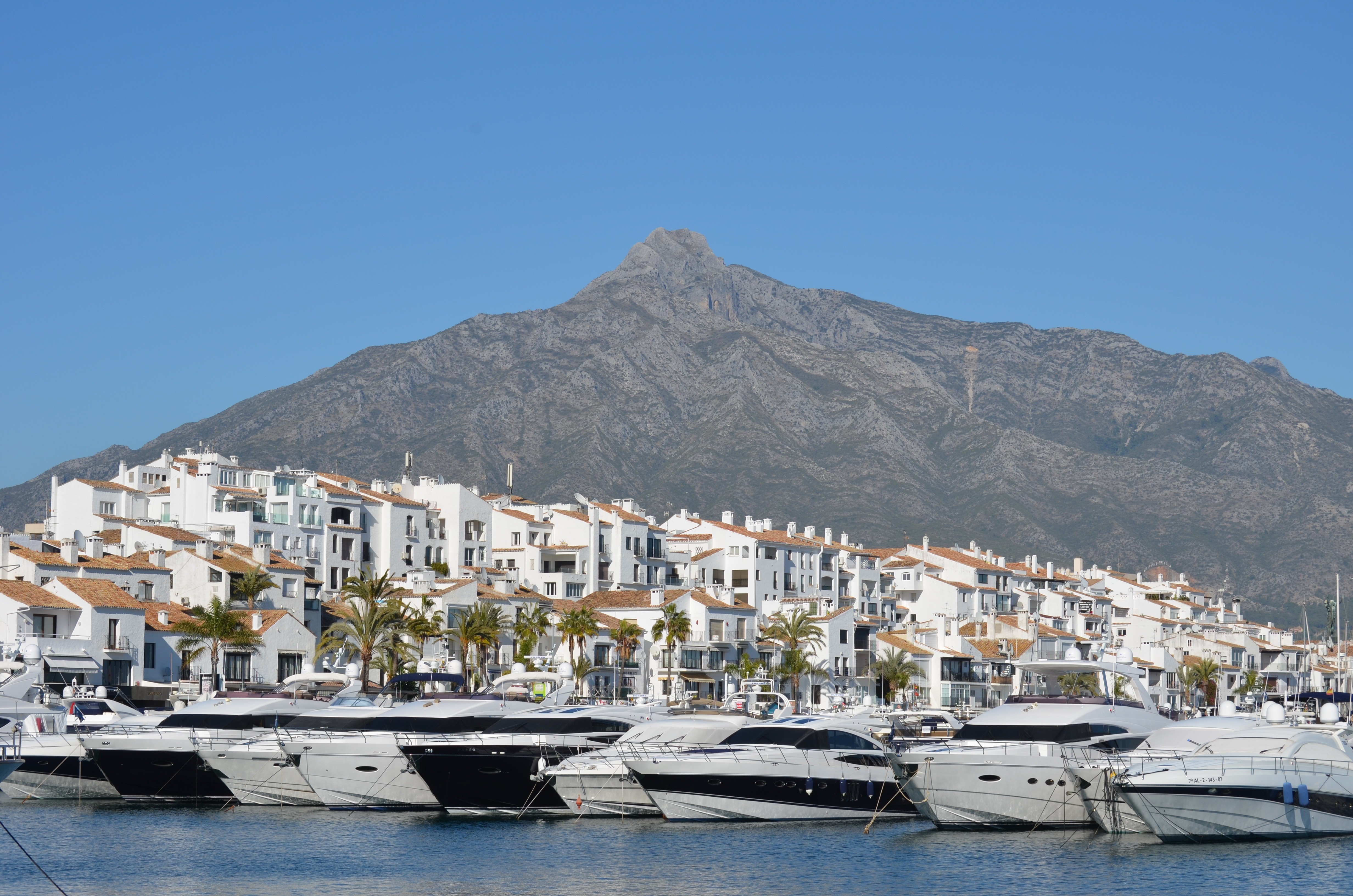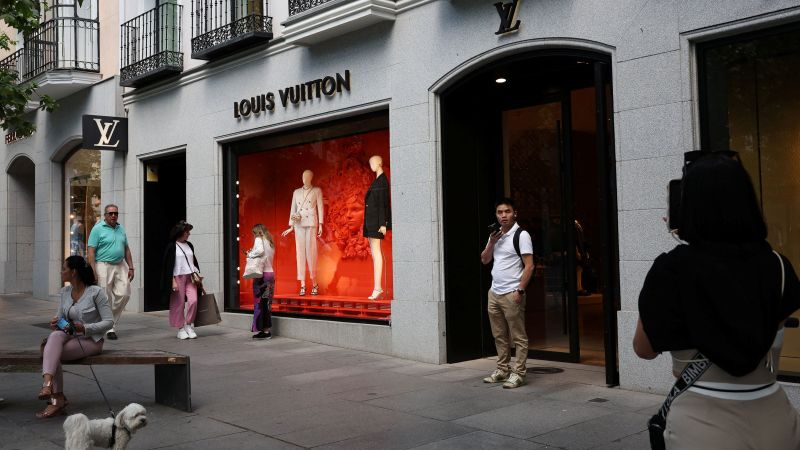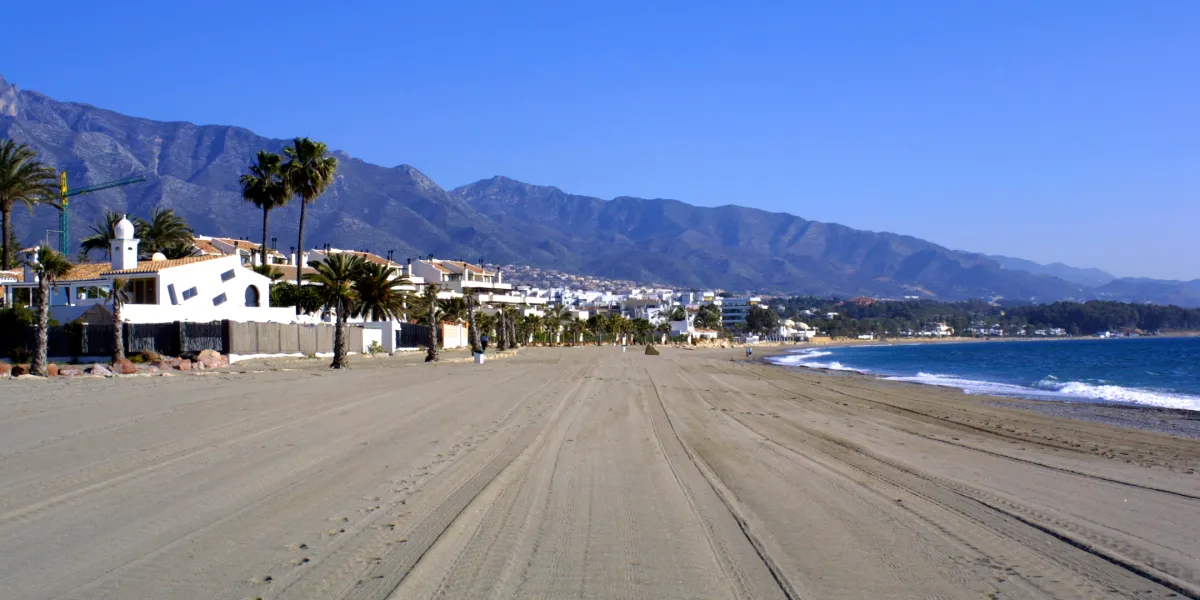
Most tourist destinations have signposts pointing to their historical sites. In Puerto Banús, near Marbella on Spain’s Costa del Sol, the signs direct visitors to Bottega Veneta, Bvlgari, Louis Vuitton and Rolex. Yachts line the waterfront, and Ferraris, Lamborghinis and Bentleys cruise the roads.
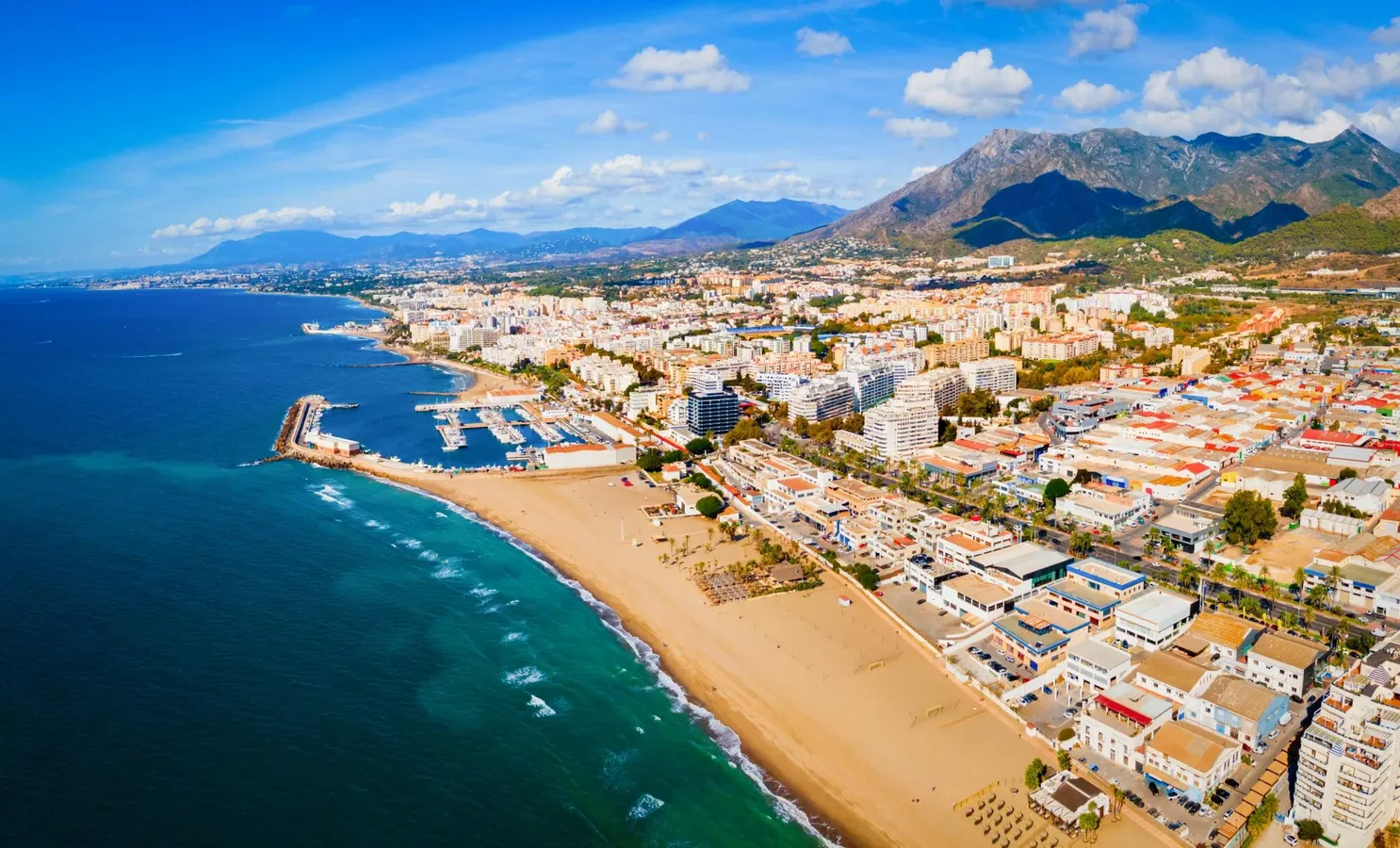
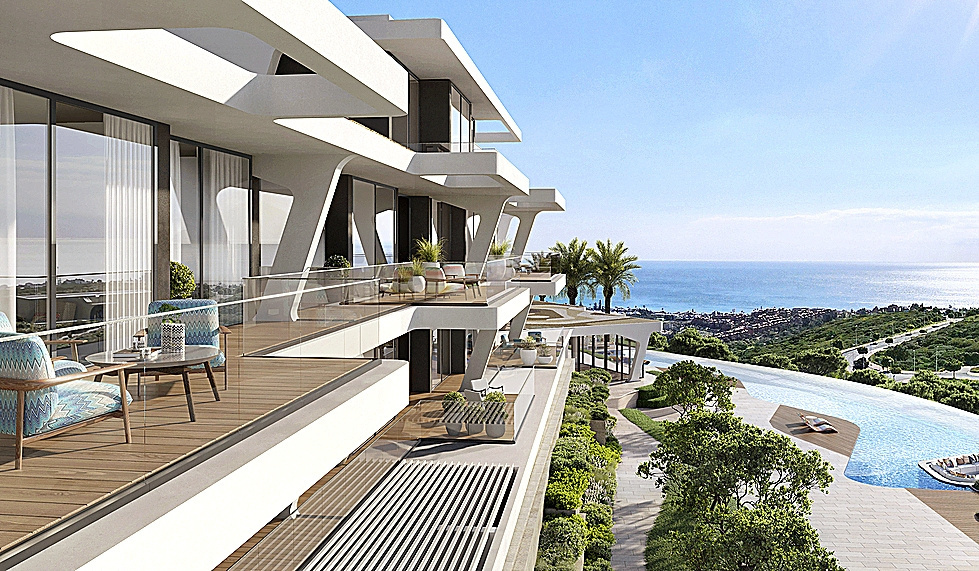
For decades, Marbella has attracted international money. Europeans, particularly from the U.K. and Scandinavia, bought second homes in the area or settled permanently there in the late 20th century. So too did international fugitives seeking a safe haven from the law, giving the area an alternative moniker: the Costa del Crime. More recently, a wider range of buyers have arrived, and the region has become ostentatiously wealthy, with luxury residences and gated communities multiplying and sprawling into the surrounding hills.
Now, the city wants to reinvent itself, with a “2.0” vision that positions the Costa del Sol as a Silicon Valley of Europe, with Marbella as its Palo Alto. Co-working spaces and offices are springing up alongside the apartments and high-end restaurants.
“We’re helping shift the narrative around Marbella from a leisure destination to a serious hub for modern professionals,” said Christian Rasmussen, CEO of business hub The Pool. “I think that the future of Marbella is going to look very different to what it looks like now.”