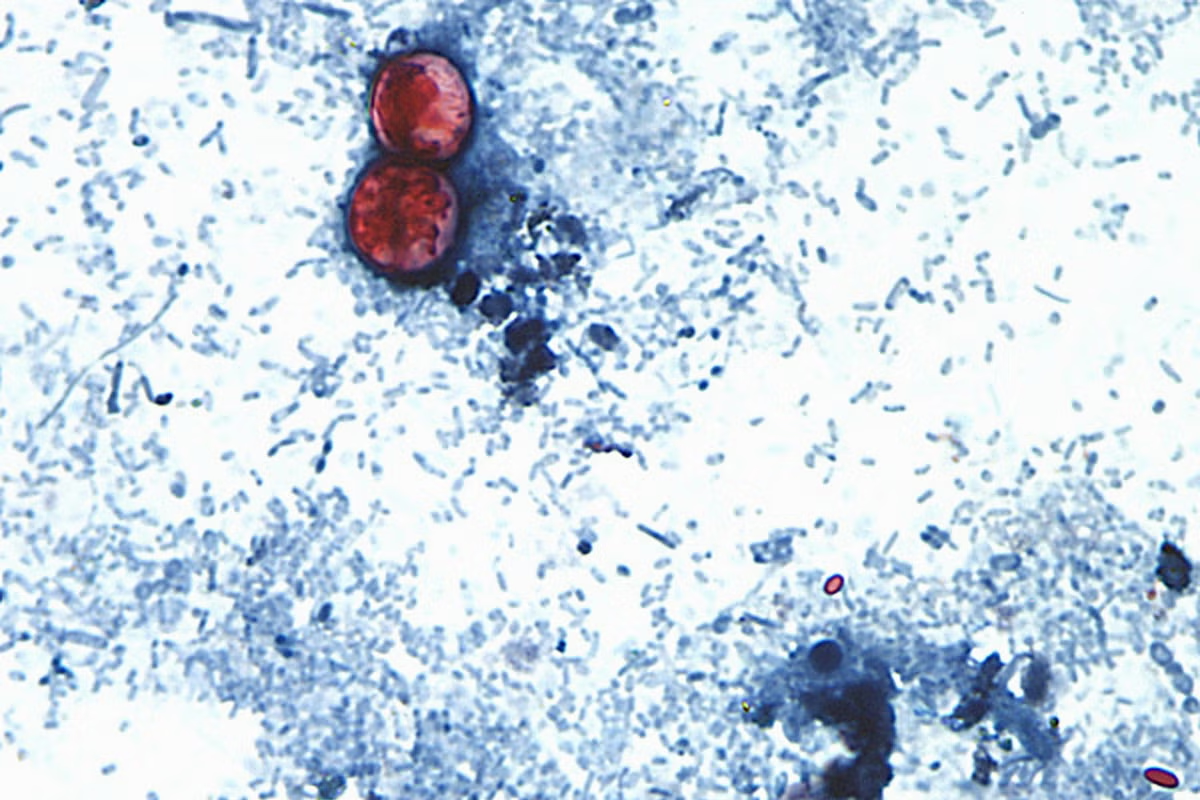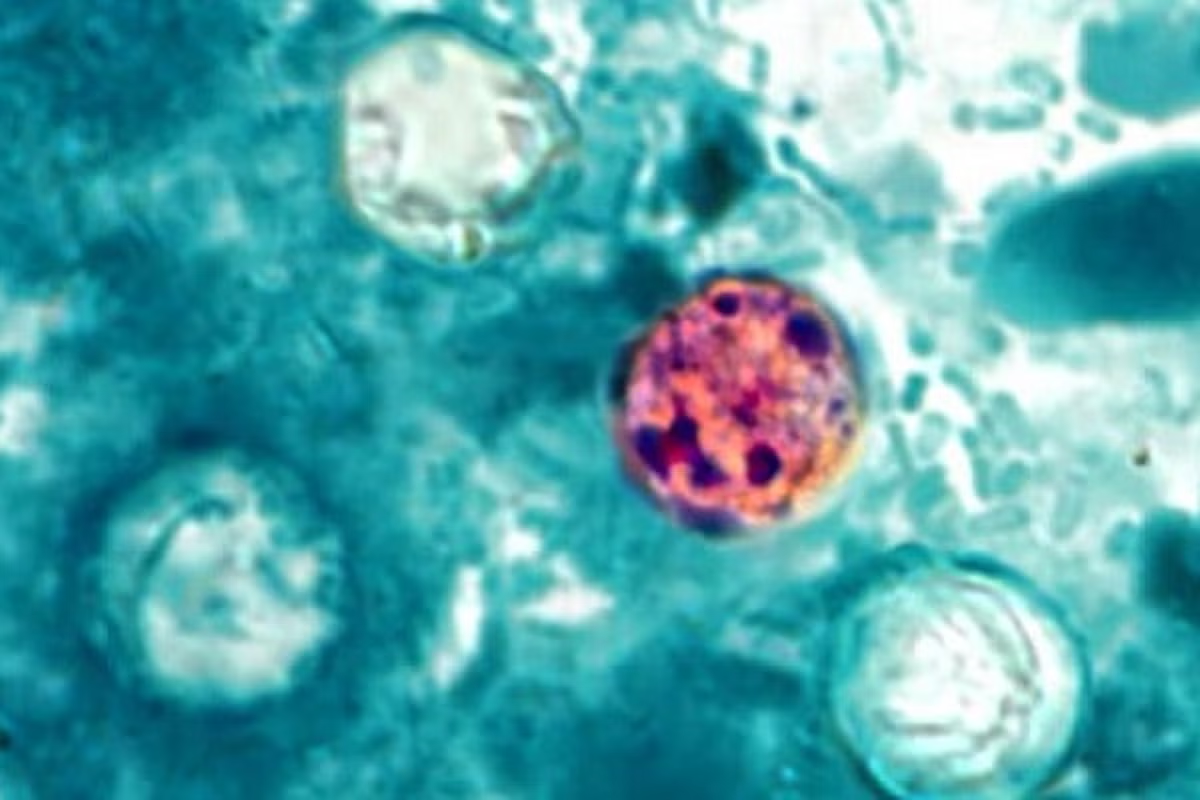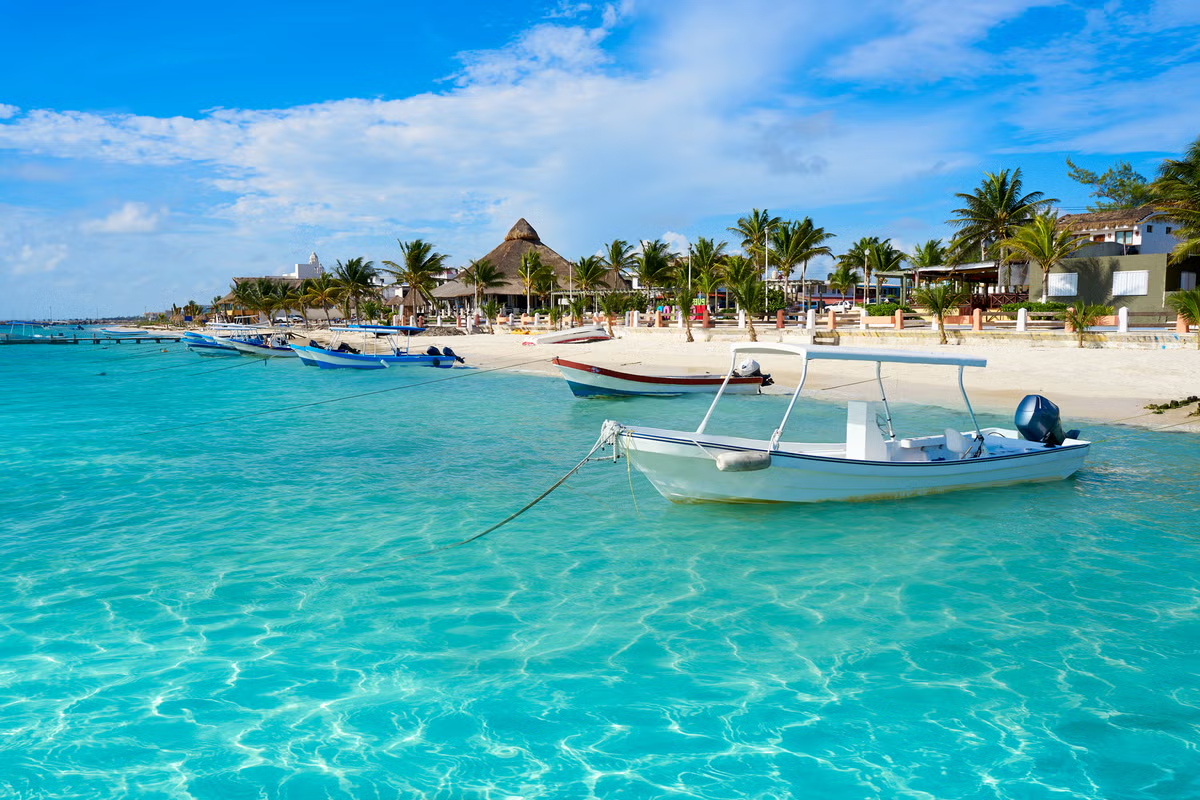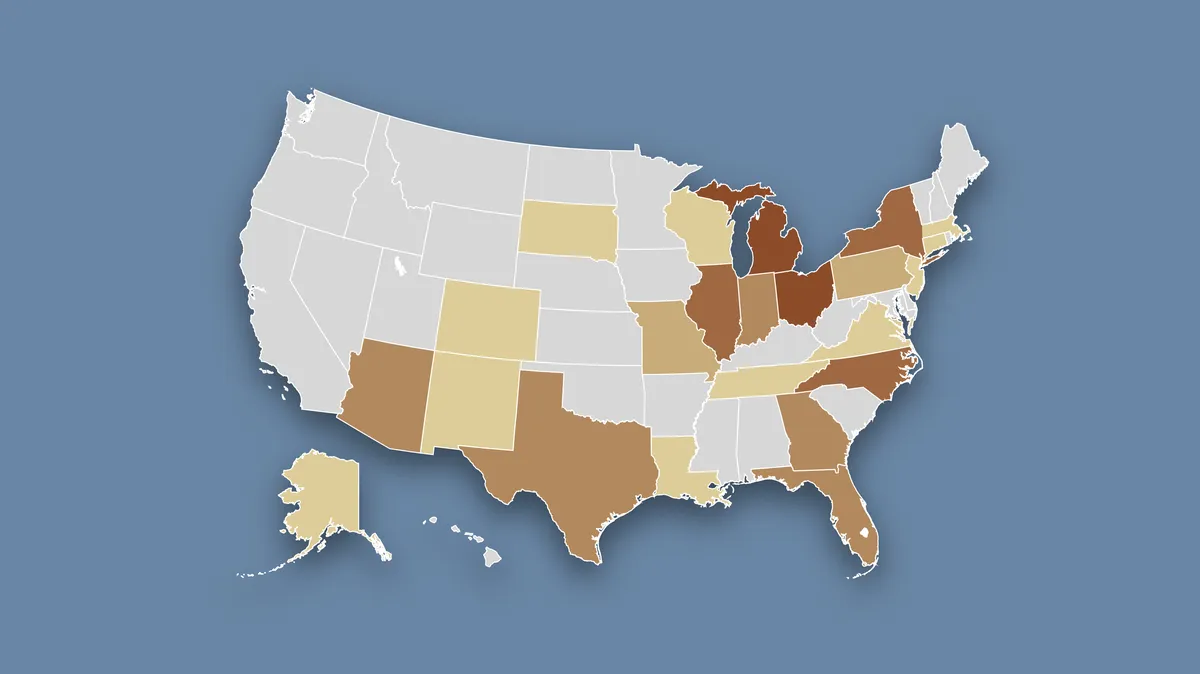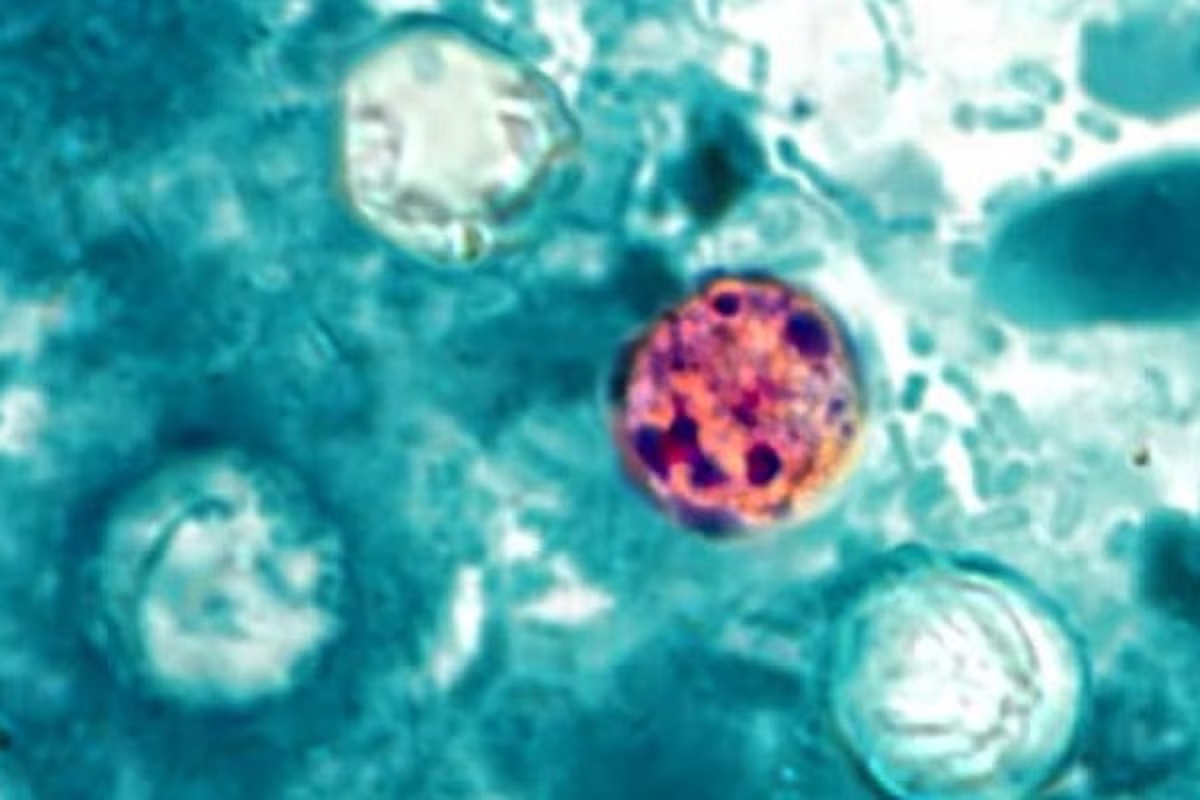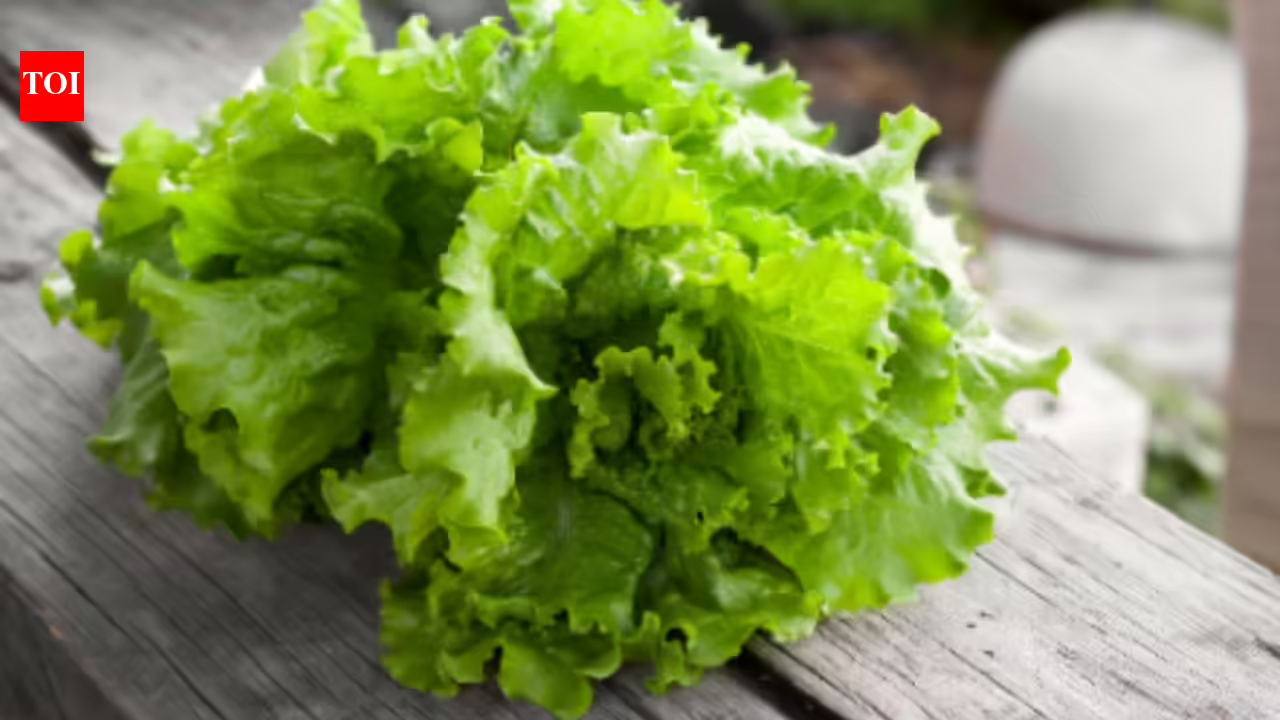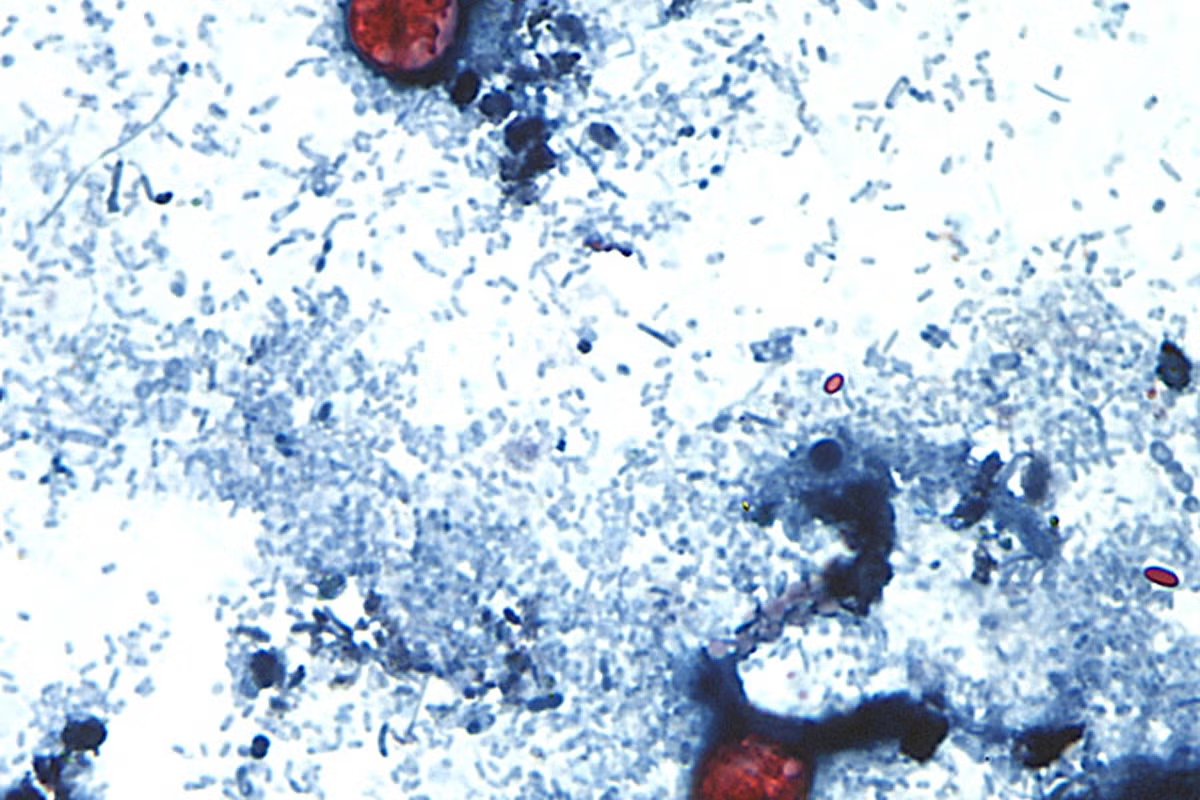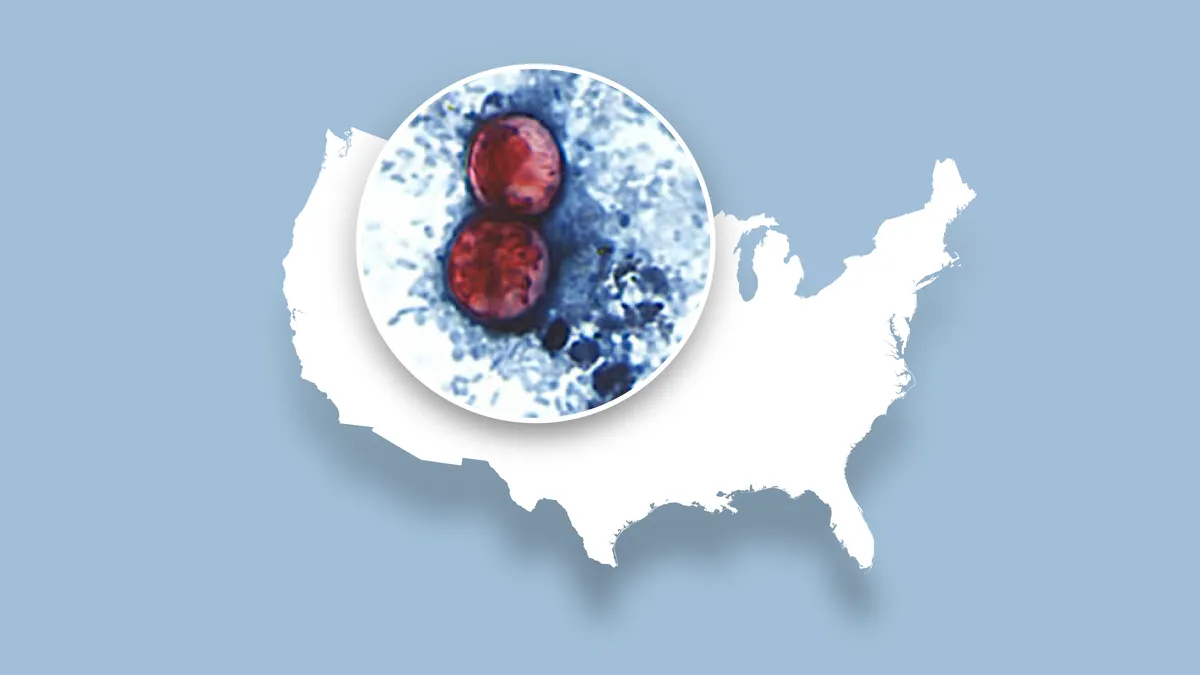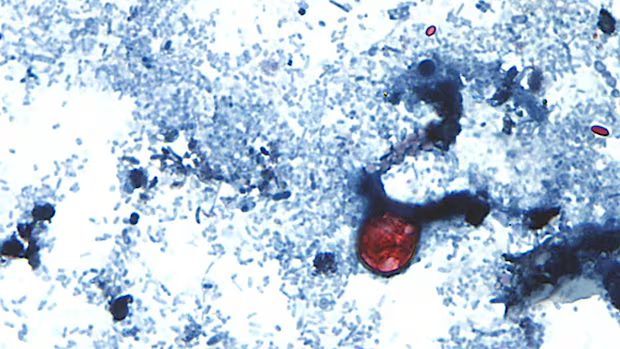
NewsHealthHealthCertain holiday destinations have seen a rise in cases of a nasty infection11:25, 13 Jul 2026British travellers have been issued a food warning amid an outbreak of a bug that causes “explosive” diarrhoea. Mexico and the US are among some of the holiday destinations that have seen a rise in cyclosporiasis.Cyclosporiasis is an infection caused by a microscopic parasite called Cyclospora. This is typically spread by eating food or drinking water contaminated with human faeces containing the parasite.Symptoms can include “watery diarrhoea” and “explosive bowel movements”, and can last several weeks. In an update provided on its website, Travel Health Pro explained that “most” UK cases have been linked to visits to Mexico.It said: “Cyclospora is a parasite found in some tropical and subtropical countries. In the UK, infections are most commonly linked to summer travel abroad.“Cyclospora has been found in Central and South America, South and Southeast Asia, and most UK travel-related cases and outbreaks have been associated with visits to Mexico.”The US Centres for Disease Control and Prevention (CDC) also recently published data showing there had been 843 confirmed cases of cyclosporiasis in the US between May 1 and July 9 this year. No deaths have been reported, and 86 people were admitted to hospital, the CDC said.As part of its advice, Travel Health Pro provided guidance on eating while abroad. It said: “People usually become infected by eating or drinking food or water contaminated with human faeces. Foods most commonly linked to Cyclospora include fresh produce such as soft or unpeeled fruit, lettuce, green salads and herbs like coriander or basil.”It continued: “You can reduce your risk of Cyclospora infection by following good food and water hygiene, even if you are staying in a luxury hotel or high-end all-inclusive resort.” To do so it said you should:Wash your hands regularly with soap and clean water; use alcohol hand gel only when handwashing is not possibleWhere there is no clean water supply, drink only bottled or boiled tap water (this includes brushing your teeth)Avoid ice in drinksAvoid fresh produce that may not have been washed with bottled or boiled water, including berries, salads, vegetables and herbs like basil or corianderChoose fruit that you can peel yourself, such as bananas and orangesEat food that has been freshly cooked and is served hotRemember that smoothies, juices and other drinks may contain raw fruit, herbs or vegetablesSymptomsTravel Health Pro said: “Not everyone infected with Cyclospora will become ill. If you do get symptoms, they will usually start about a week after consuming contaminated food or drinks.”Symptoms of Cyclosporiasis include:Watery diarrhoeaFeverStomach crampsLoss of appetite and weight lossTiredness and muscle painBloating and excess windFeeling sickIt said: “Cyclospora infections are usually mild and resolve themselves. However, symptoms can sometimes last for several weeks and return even after a person seems to have recovered. People with a weakened immune system, including those living with HIV, may be at greater risk of severe illness.”The CDC added: “Cyclospora infects the small intestine (bowel) and usually causes watery diarrhoea with frequent and sometimes explosive bowel movements.”When to seek helpTravel Health Pro says you should do the following if you become ill abroad:Drink plenty of “safe” fluids, such as bottled water, or tap water that has been thoroughly boiled and cooledUse oral rehydration solutions so that you do not become dehydratedGet early medical advice if you have a weakened immune system or are at higher risk of complicationsSeek medical help if your symptoms are severe or do not improveIf you are back in the UK, you should ask for an urgent GP appointment or get help from NHS 111 if you have diarrhoea and you've recently travelled abroad and:The diarrhoea is severe and has lasted for more than three daysYou have bloody diarrhoea or bleeding from your bottomYou have a high temperature (fever)You are dehydratedYou have a weakened immune system or other conditionArticle continues belowThe NHS said: “If you're still abroad, get medical advice where you are as soon as possible.”Choose Daily Mirror as a 'Preferred Source' on Google News for quick access to the news you value.NHSHospitalsImmune systemSTDsFitness And HealthGood HealthHealthy LifestyleHealthy eatingHealthy LifeHealthTravelHolidaysFood poisoningFood and drinkNHS England
UK travellers issued food warning amid diarrhoea outbreaks
Certain holiday destinations have seen a rise in cases of a nasty infection
690 words~3 min read