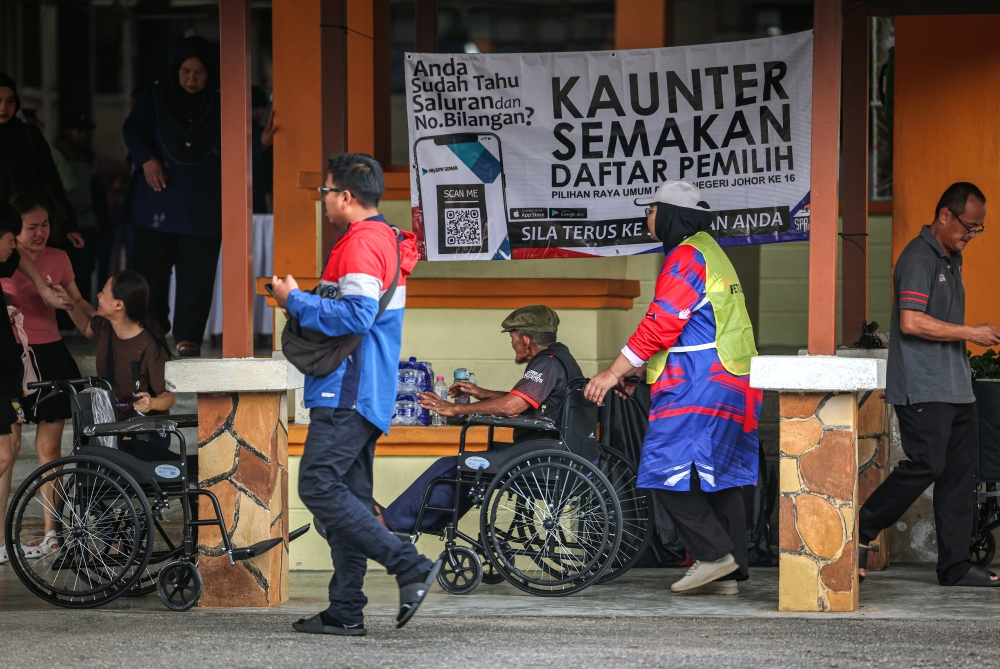
As Malaysian political coalition Barisan Nasional (BN) basks in the afterglow of its landslide win in the Johor state election, the soul-searching within Prime Minister Anwar Ibrahim’s defeated Pakatan Harapan (PH) bloc could run deepest within its largest group – the Chinese-majority Democratic Action Party (DAP).BN improved its grip on the country’s southernmost state, securing 48 out of 56 seats. PH managed to win only eight seats, and within the coalition, DAP lost 11 of the 17 seats it contested, including four previously held spots in Johor Jaya, Tangkak, Jementah and Perling. It had won 10 seats in the 2022 election.The Johor election was the second state poll loss for DAP in the last eight months.In November last year, DAP suffered a crushing defeat in the 17th Sabah state election, losing all eight seats it contested under the PH banner – the first time since 2004 that it had no representation in the Sabah State Legislative Assembly.The losses have turned the Negeri Sembilan election on August 1 into a critical test of whether DAP’s setbacks in Sabah and Johor were an aberration or a sign of a deeper erosion in voter support, with the party’s national congress on August 16 likely to see demands for changes in strategy, messaging and grass-roots engagement.Barisan Nasional supporters celebrate at the coalition’s Johor Bahru command centre during Saturday’s state election. Photo: Iman Muttaqin Yusof“DAP is seen as being overly cautious and has not sufficiently explained to its supporters the compromises it has made within the unity government,” said Awang Azman Awang Pawi, a sociopolitical analyst from Malaysian-based Universiti Malaya.
DAP’s election loss in Johor prompts soul-searching ahead of next key poll
Following two recent electoral defeats, PH’s coalition ally faces another stern test at the Negeri Sembilan poll on August 1.
265 words~1 min read