The Indian government’s latest tussle with WhatsApp has raised concerns about the censorship of app features globally.
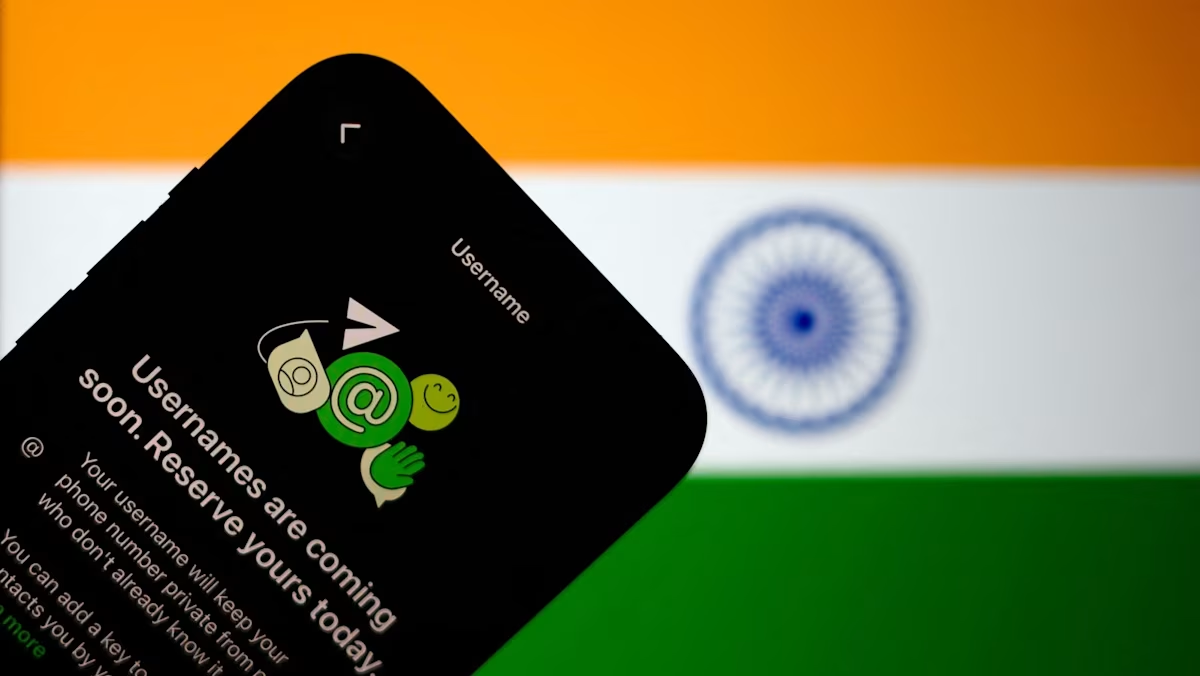
On June 29, WhatsApp began rolling out usernames globally, allowing users to chat without sharing their phone numbers. The Indian government has objected to the feature, arguing that pseudonymous accounts could make it easier for bad actors to impersonate others and carry out scams and financial fraud.
India has also sought explanations from Telegram and Signal, which already allow users to create accounts using usernames instead of phone numbers. The government asked all three platforms to respond by July 9. WhatsApp has reportedly submitted a written response, which the government is reviewing.
If WhatsApp gives in to India’s pressure, and modifies or scraps the feature, it could lead to far-reaching consequences that may discourage innovation and encourage copycat demands globally, Namrata Maheshwari, senior policy counsel and encryption policy lead at international nonprofit Access Now, told Rest of World.
“It’s a slippery slope because the moment you concede something in one jurisdiction and make it known as something that is possible to do technically, other countries will follow suit,” Maheshwari said. “Most governments around the world are vying to co-opt the kind of power and access that technology companies have over people’s lives and personal data.”