If you have ever logged into a corporate computer, searched for a colleague in your company’s email directory, or used a single set of credentials to access dozens of different internal applications, you have likely interacted with LDAP.
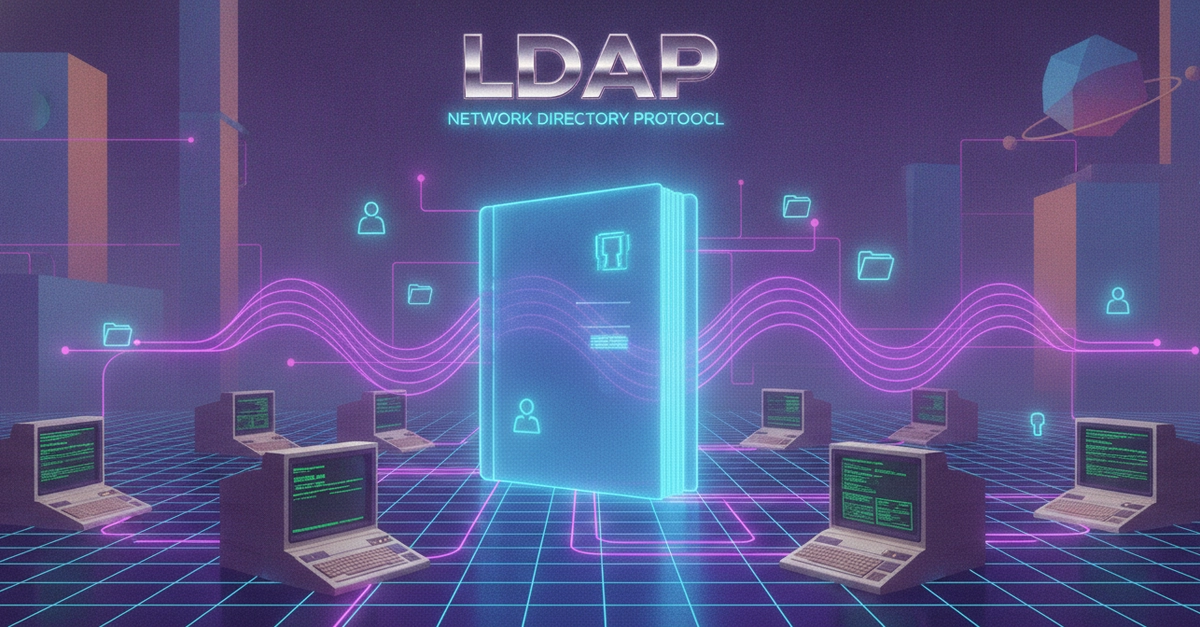
Standing for Lightweight Directory Access Protocol, LDAP is an open, vendor-neutral, industry-standard application protocol for accessing and maintaining distributed directory information services over an IP network. In simpler terms, it is the underlying language that allows different systems and applications to communicate with a central directory to find information about users, devices, and permissions.
Think of LDAP as a highly organized, digital phonebook. When an application needs to know if "John Doe" is a valid user and what his password is, it uses LDAP to ask the phonebook.
How LDAP Organizes Data
Unlike traditional relational databases (like SQL) that store data in tables, LDAP stores data in a hierarchical, tree-like structure known as the Directory Information Tree (DIT). This makes it incredibly fast at reading and searching for information, which is exactly what an authentication system needs to do millions of times a day.