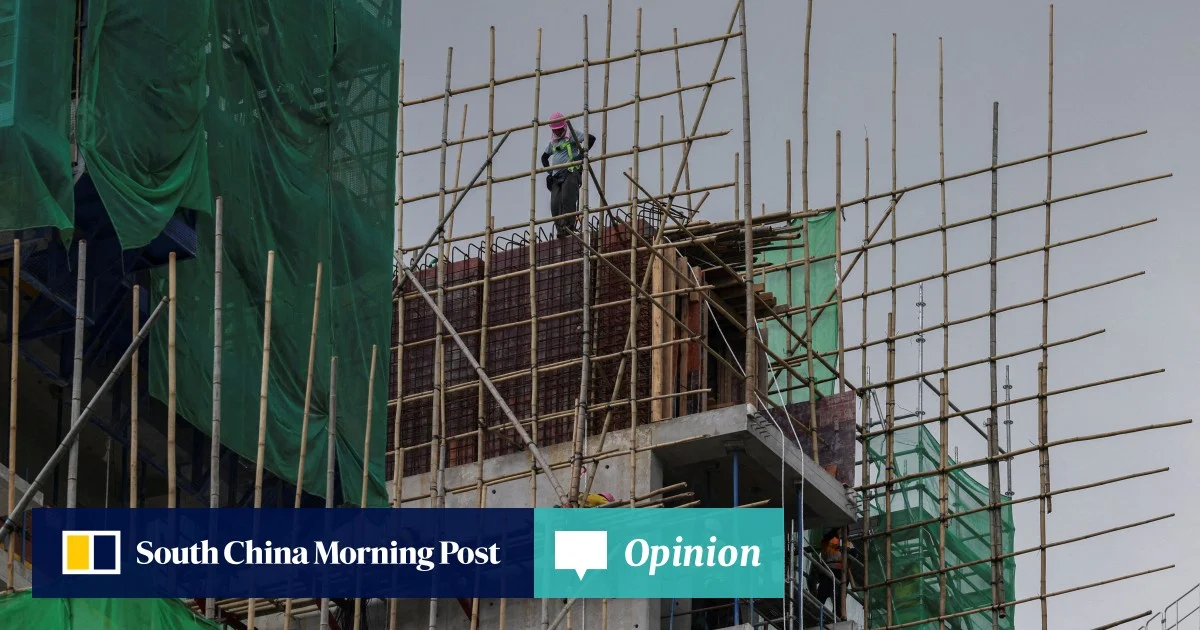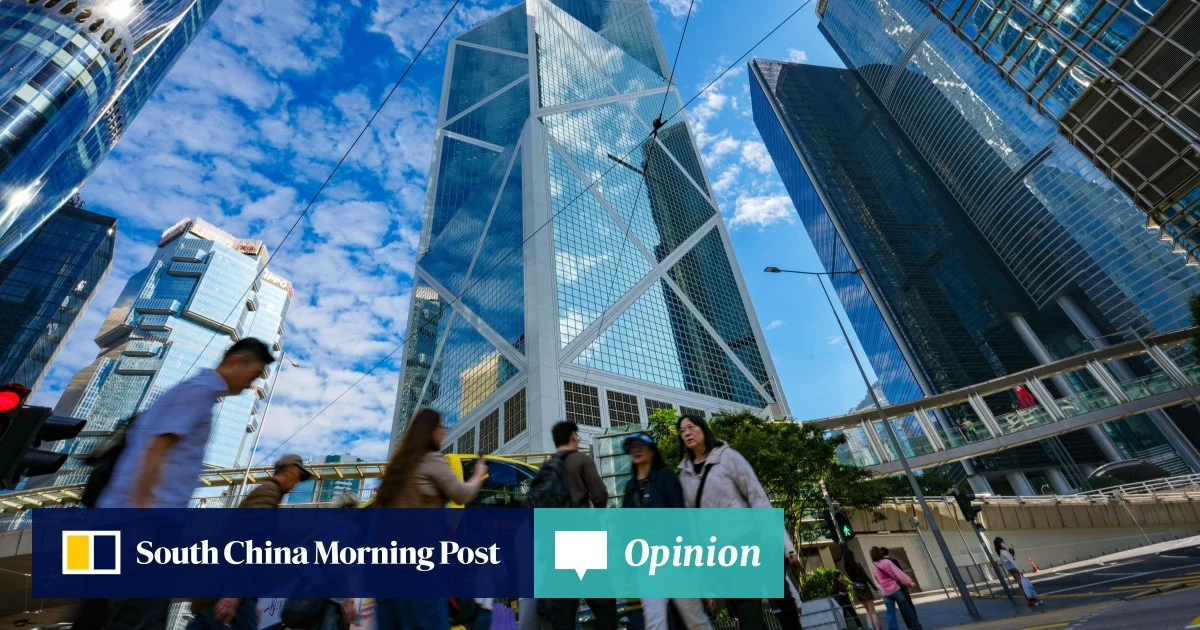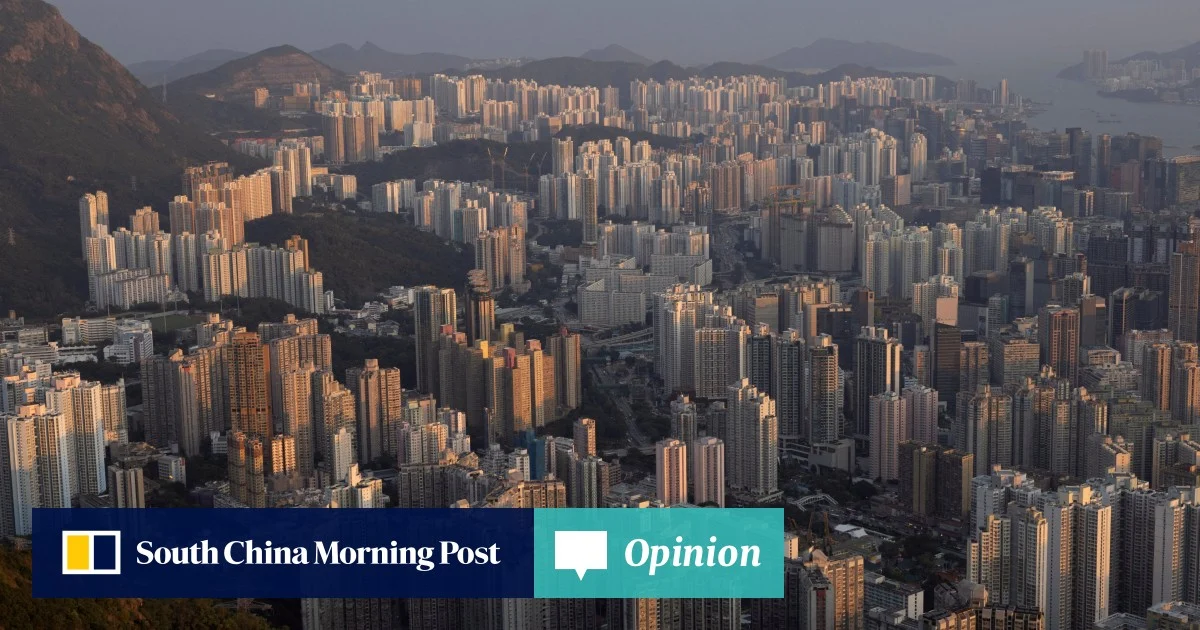
Hong Kong’s residential real estate market is roaring back to life. Prices for second-hand properties have risen 18 per cent since March last year, while average rents continue to hit new highs. The number of units sold in the primary market in the first half of this year reached a 22-year high.According to Knight Frank, which tracks sales of “super-prime” properties above US$10 million in 12 leading residential markets, Hong Kong was the second-most widely traded market in the first quarter of this year as “global private capital remain[ed] highly active where liquidity, lifestyle and long-term confidence align”.Yet confidence was shaken by Beijing’s measures to stem capital outflows from the mainland, which reached a record high of US$807 billion last year, data from the Institute of International Finance shows. The crackdown, which included penalties imposed on three prominent brokerages often used by ultra-high-net-worth Chinese to invest offshore, has put the surge in mainland capital inflows into Hong Kong under scrutiny.The city’s residential property market is particularly exposed given the critical role of mainland buyers as a source of demand, especially for high-end properties. According to Midland Realty, in the two years following the removal of cooling measures in February 2024, mainland buyers accounted for 72 per cent of transactions in the primary market above HK$50 million (US$6.4 million) and 55 per cent of sales in the HK$10-20 million bracket.In a report on July 3, Citigroup noted that transactions had slowed in recent weeks. However, in an earlier report on June 2, the bank put its finger on a key source of resilience of mainland demand: the permanent resident status of many buyers. Mainland buyers without a Hong Kong identity card accounted for just 5.5 per cent of primary and secondary transaction volumes in the financial year ending March 2025.In the two years since February 2024, mainland Chinese buyers accounted for 72 per cent of transactions in the primary market above HK$50 million in Hong Kong. Photo: HandoutA gauge of mainland demand based on the use of Chinese pinyin names in Land Registry data for 2025 as a whole put the share at 26 per cent, rising to 41 per cent in the primary market. This cohort of mainland buyers includes those who obtained permanent residency and “are less impacted [by the restrictions] as they earn HK$ salaries and have [their] own offshore bank and securities accounts”, Citigroup said.
The View | Why Chinese wealth is still powering Hong Kong and Singapore property
The draw of safe-haven assets in these cities sees more Chinese becoming permanent residents – a trend Beijing’s clampdown on capital outflows may even encourage.
398 words~2 min read