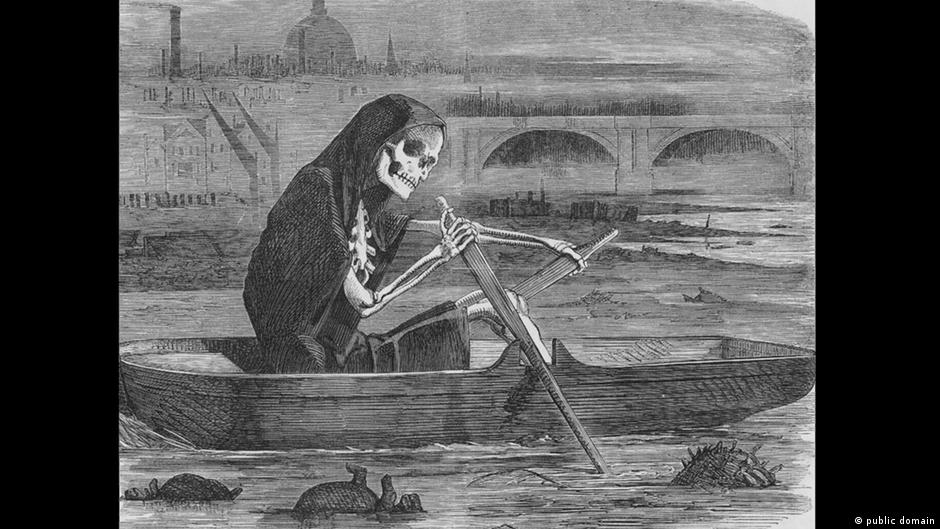
In 1858, London sweltered through an unbearable heat wave. The River Thames reeked so badly it left people gasping for air. "The Great Stink" went down in history — and ultimately gave London a modern sewer system.
The river reeked so badly, it left Londoners gasping for air. Those who could afford to fled the city. Those left behind soaked their curtains in lime chloride to keep the stench at bay and pressed handkerchiefs over their noses whenever they ventured outside. "Whoso once inhales the stink can never forget it, and may count himself lucky if he live to remember it," the local press wrote.
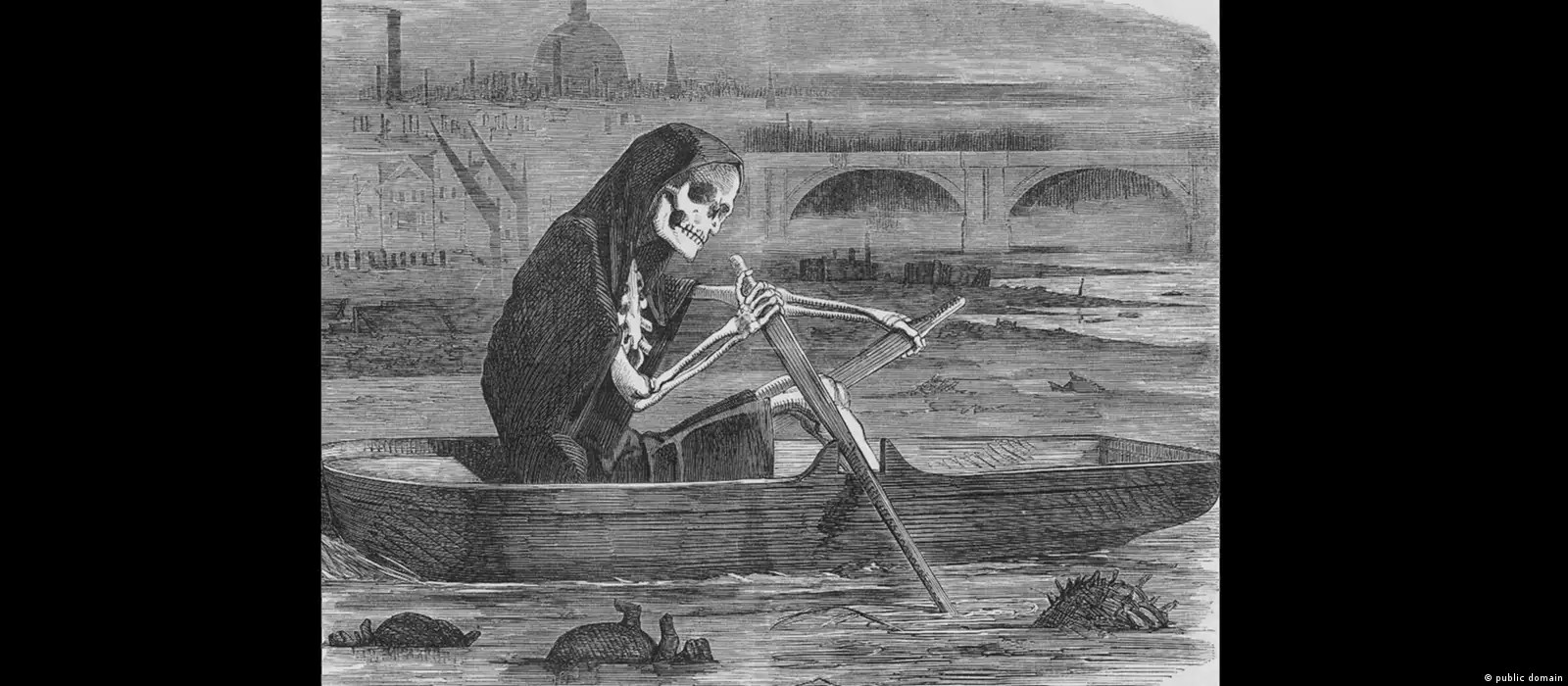
It was 1858. For weeks, temperatures hovered above 30 degrees Celsius (86 degrees Fahrenheit). Not a drop of rain fell to cool the city — or to wash away the filth choking the River Thames. London's lifeline became an open sewer: a murky, sludge-filled mix of human and animal waste, garbage and industrial pollution. The relentless heat drove the river to unusually low levels, exposing sewage and rotting refuse along its banks. Baking in the summer sun, the decaying waste fermented, blanketing the city in a suffocating haze.
Between 1800 and 1850, London's population doubled to 2.5 million, making the capital of the British Empire the largest city in the world.