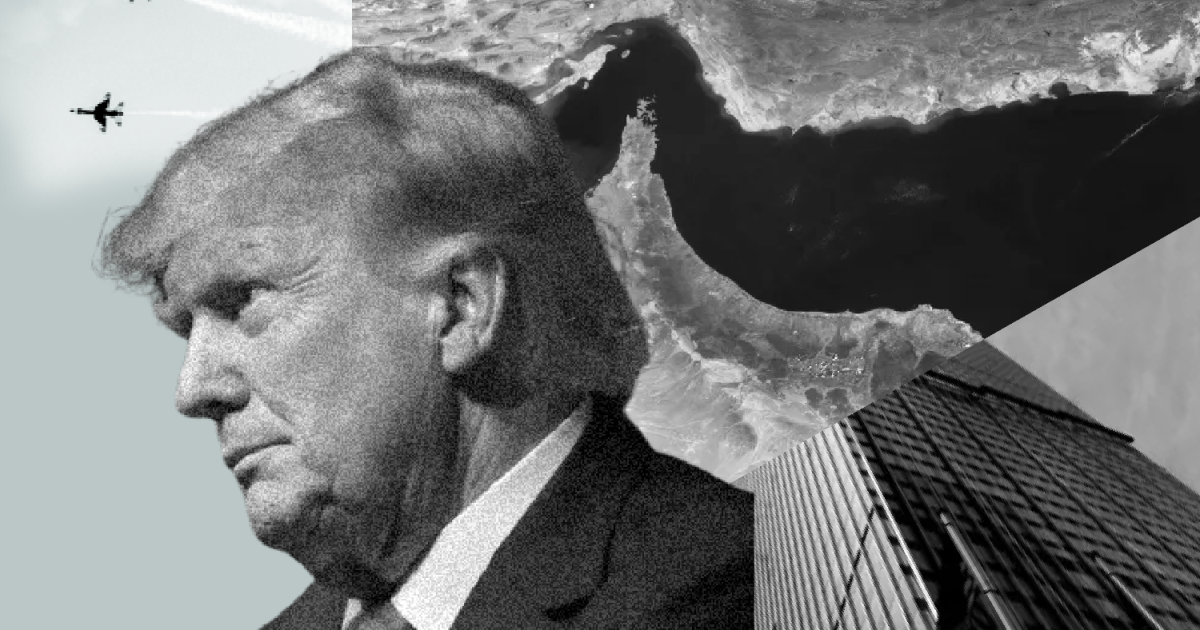
News regarding diplomatic breakthroughs and preliminary understandings between Iran and the United States, alongside hopes for the lifting of oil, petrochemical, and banking sanctions, has generated a wave of economic optimism among sections of the Iranian public and various political and economic analysts.
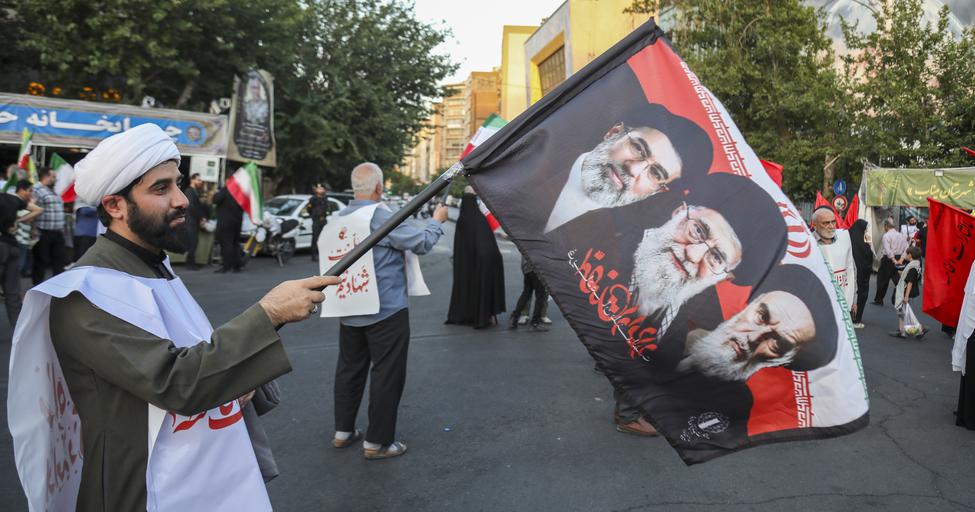
Conversely, prominent domestic journalists and political activists have taken a stand against specific figures they describe as being tied to “oil-selling networks.” They caution that lifting sanctions will remain completely ineffective without first purging systemic rent-seeking and corruption.
This report investigates a critical question: Exactly who are the individuals and factions opposing an agreement between Iran and the United States, what are their motives, and will lifting sanctions inherently bring economic relief and improved livelihoods for the Iranian people?
Non-Transparent Oil Sales and the Role of “Trustees”
International oil and banking sanctions cut Iran off from SWIFT and the global financial framework, making it impossible for the country to sell oil officially and directly or to receive payments through standard bank accounts. Under these conditions, bypassing sanctions through opaque sales and smuggling has become the default mechanism for oil exports.