By Gregory McDonaldJuly 13, 2026
McDonald is the chair of the Department of Forensic Medicine and Pathology at Philadelphia College of Osteopathic Medicine.
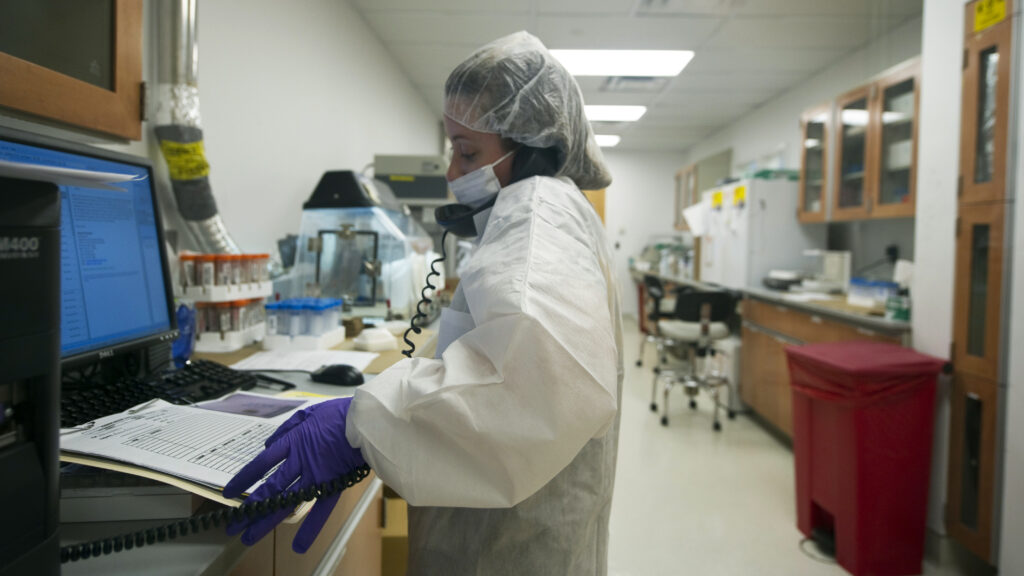
Across the United States, the shortage of forensic pathologists has reached a critical level. According to the National Association of Medical Examiners (NAME), only about 850 forensic pathologists are currently practicing nationwide — roughly 400 fewer than the number needed to meet today’s demands, as more than 3 million Americans die each year.
With the increased demand for autopsies and medicolegal death investigations, many states are facing delays in cases that impact justice and public health. In some regions, a single medical examiner may oversee hundreds of deaths each year, leading to bottlenecks that can slow criminal cases, complicate insurance claims, and leave families waiting months and sometimes years for answers.
I often think back to my time at the Philadelphia County Medical Examiner’s Office more than 20 years ago, when just four forensic pathologists were responsible for a city of nearly 1.5 million people. The four of us bore responsibility for the full scope of forensic pathology practice, which includes performing autopsies, determining cause and manner of death, responding to and investigating death scenes, and providing expert testimony in court proceedings. Even then, the field faced persistent and far-reaching workforce shortages. (Today, the office has nine full-time and two part-time pathologists for about 1.5 million people.)