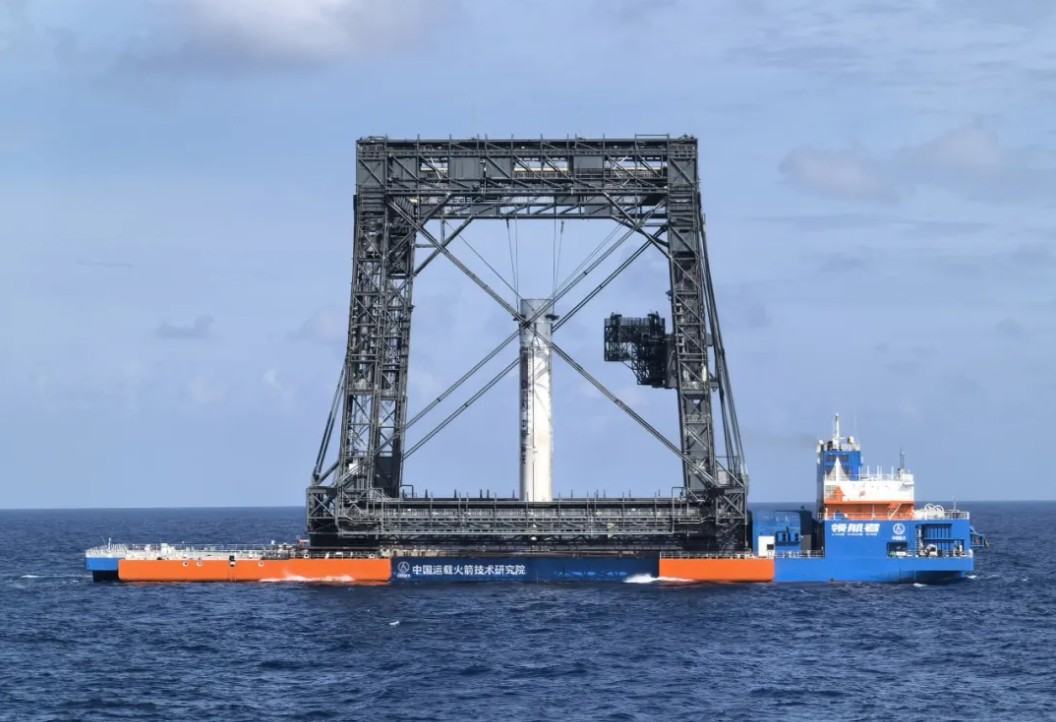
HELSINKI — China confirmed a methalox Long March 10C as its commercial workhorse following its first successful booster recovery, while injecting fresh capital into commercial rocket ventures.
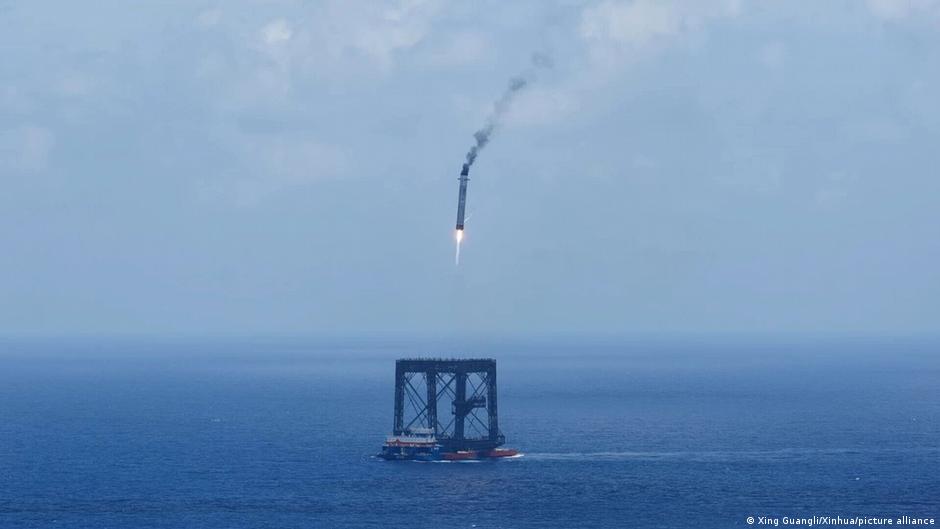
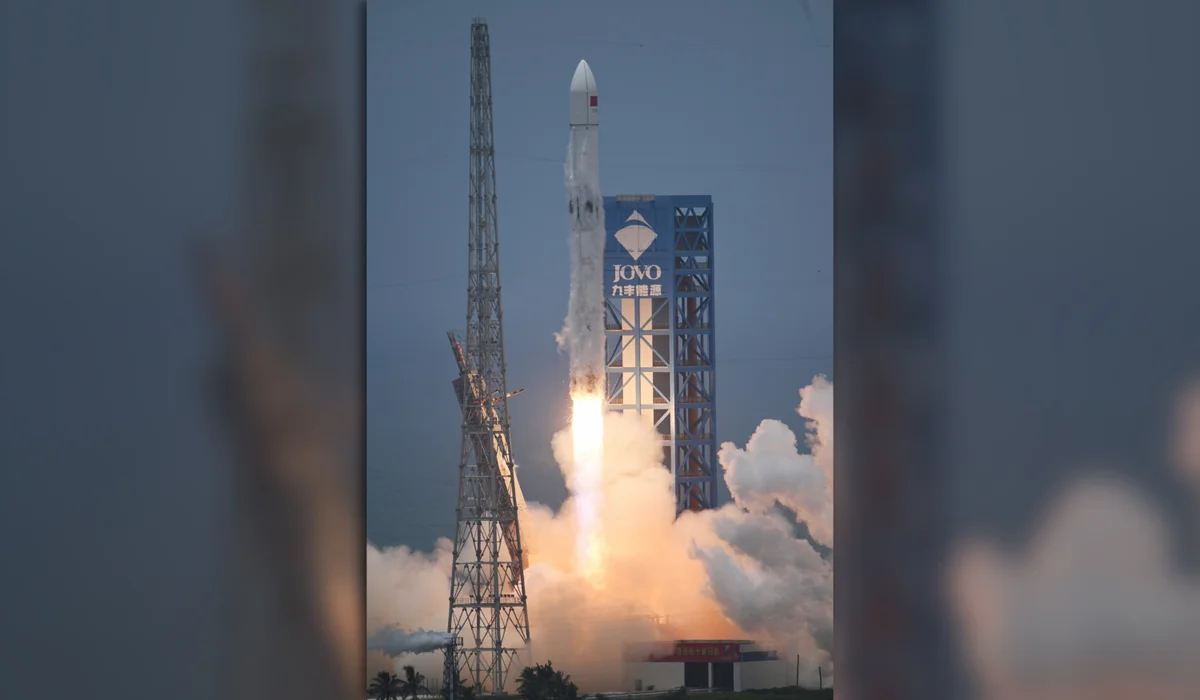
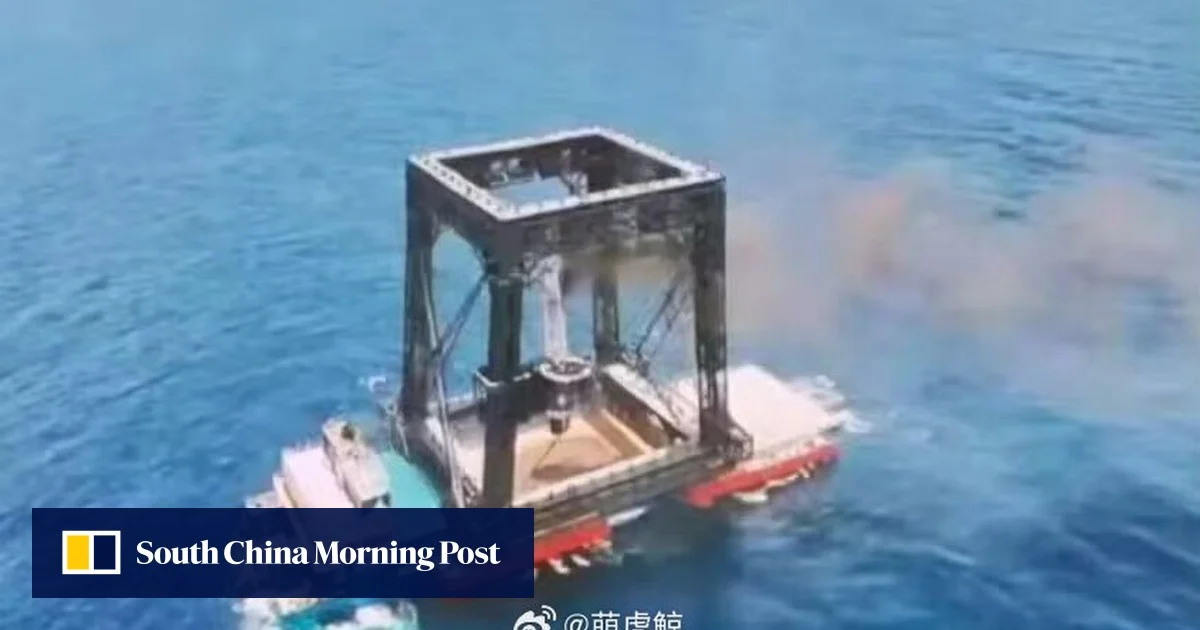
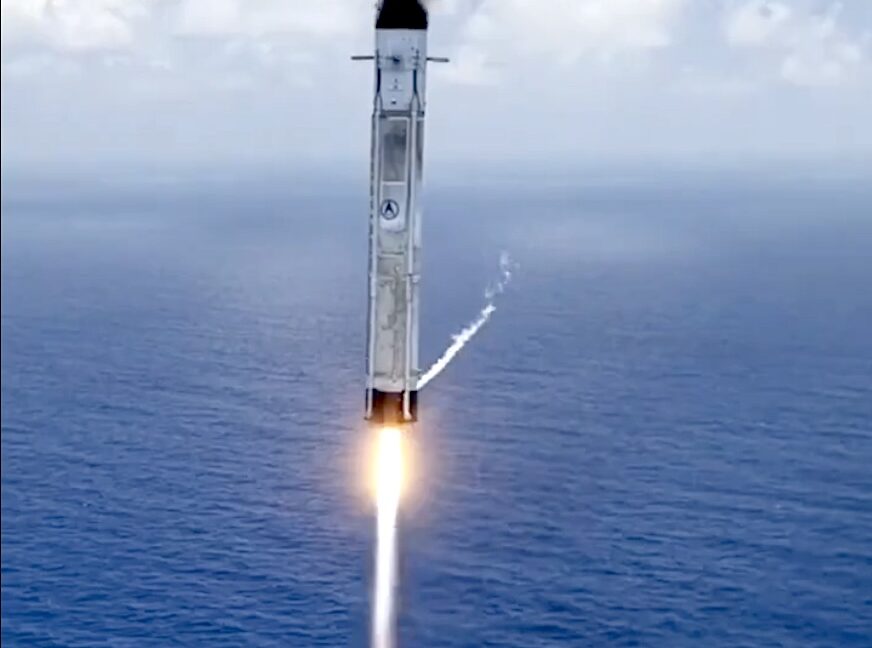
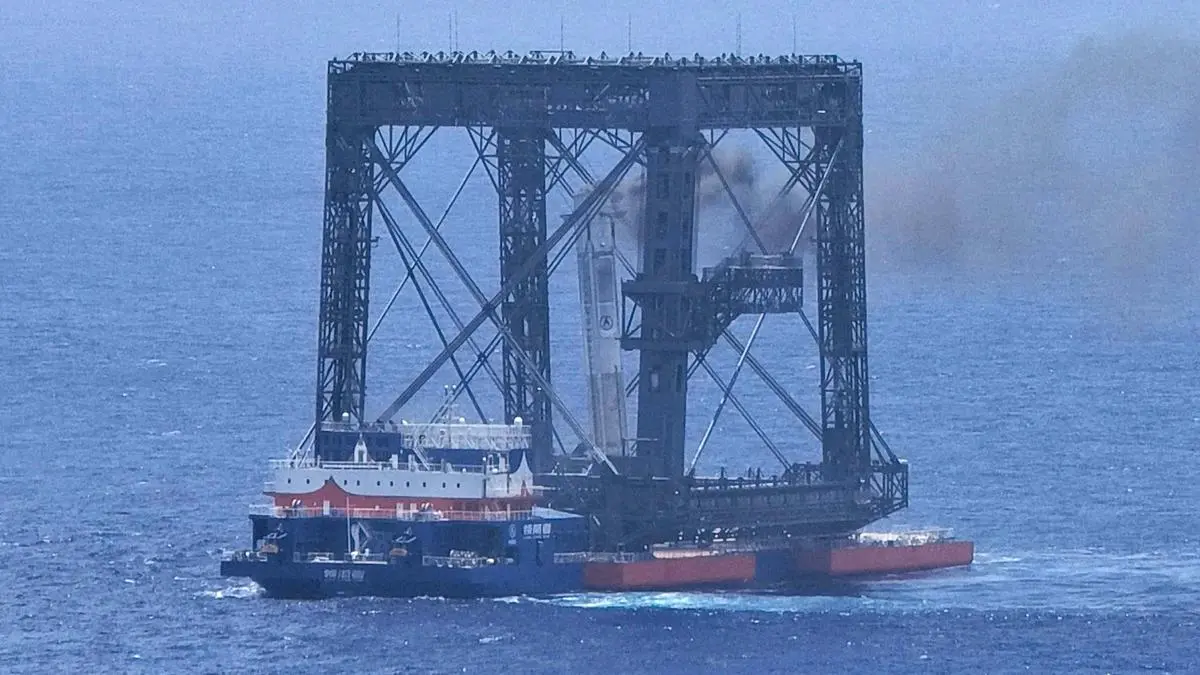
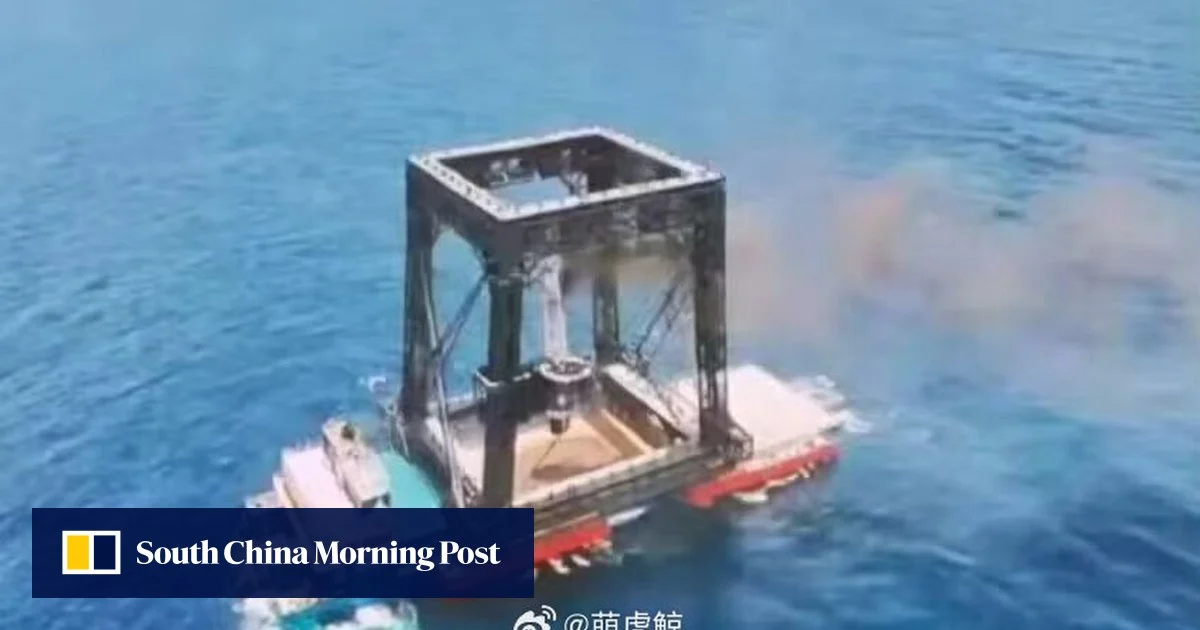
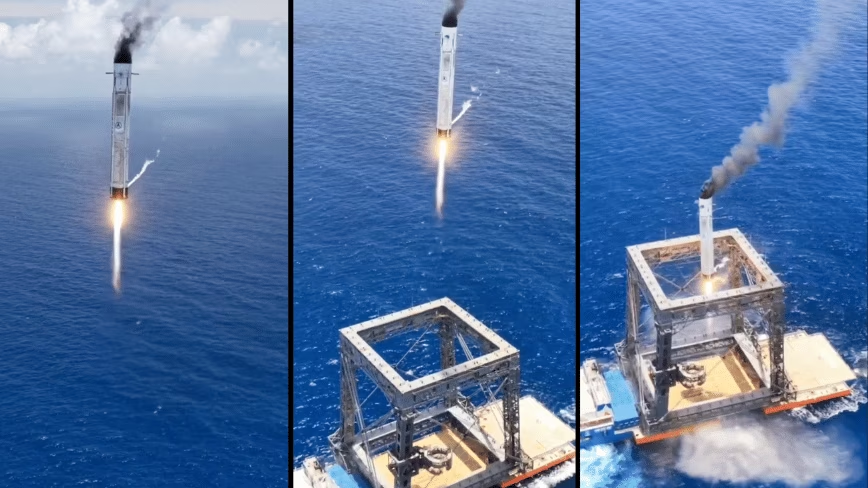
The China Academy of Launch Vehicle Technology (CALT), a subsidiary of the China Aerospace Science and Technology Corporation (CASC), pulled off the country’s first successful orbital booster recovery July 10, with the first stage from the Long March 10B’s debut flight caught using a sea vessel equipped with a net capture system downrange from Wenchang.
It marked a major success for sustained Chinese efforts across a number of programs to develop reusable rockets, just over a decade after SpaceX demonstrated the first such landing with a different technical approach.
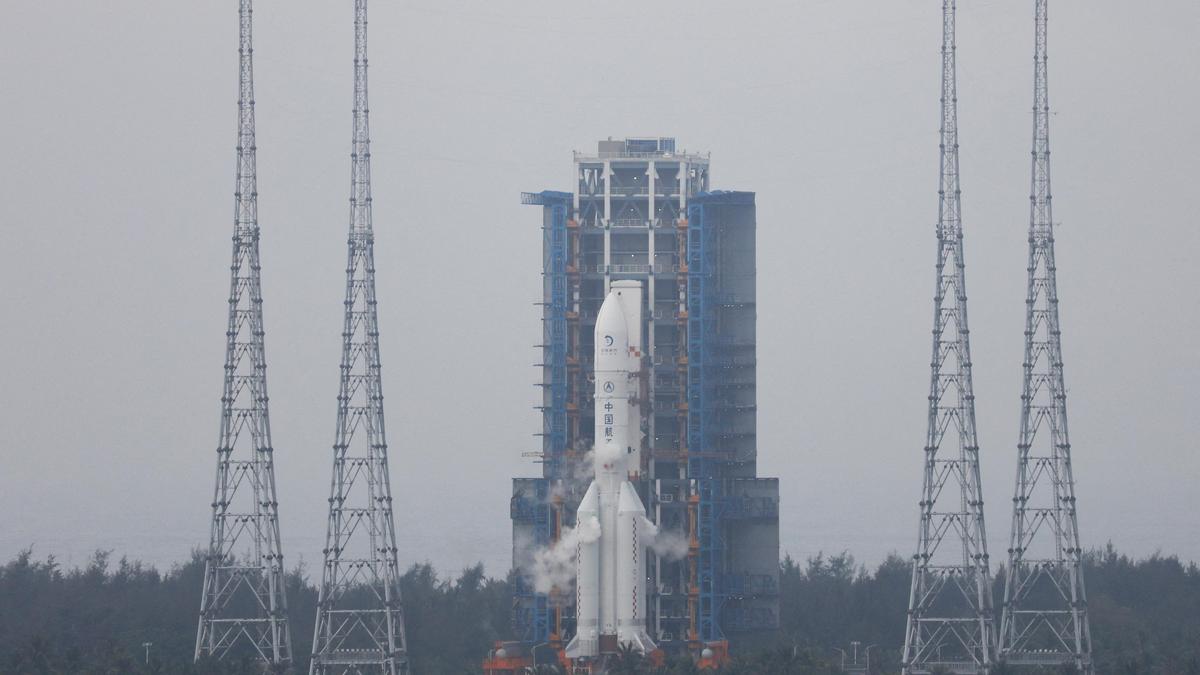
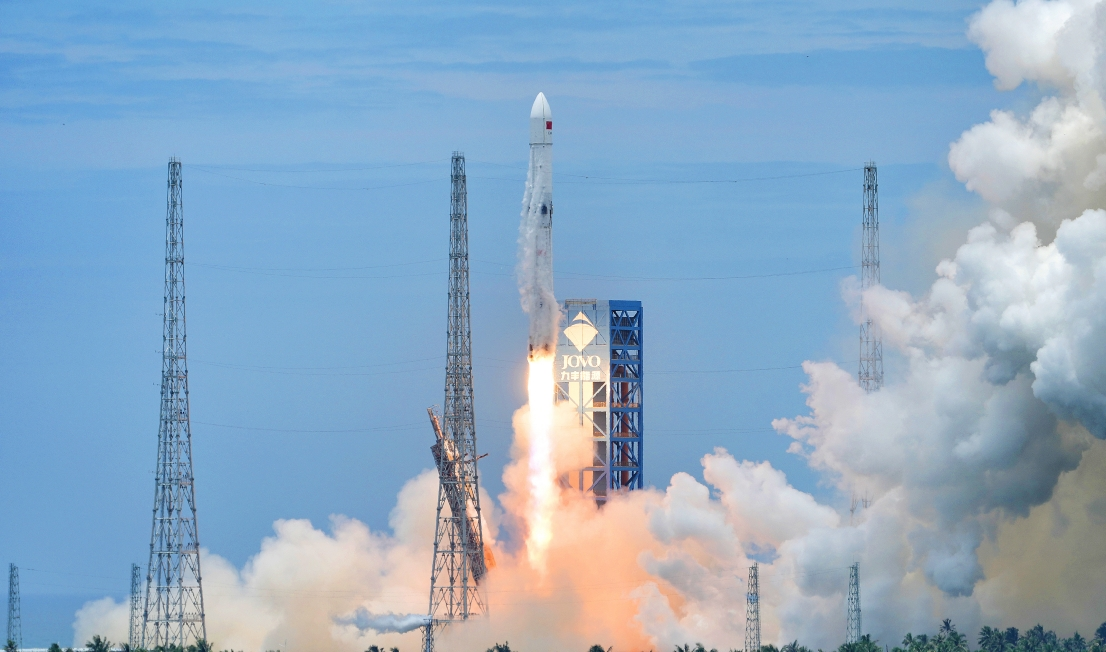
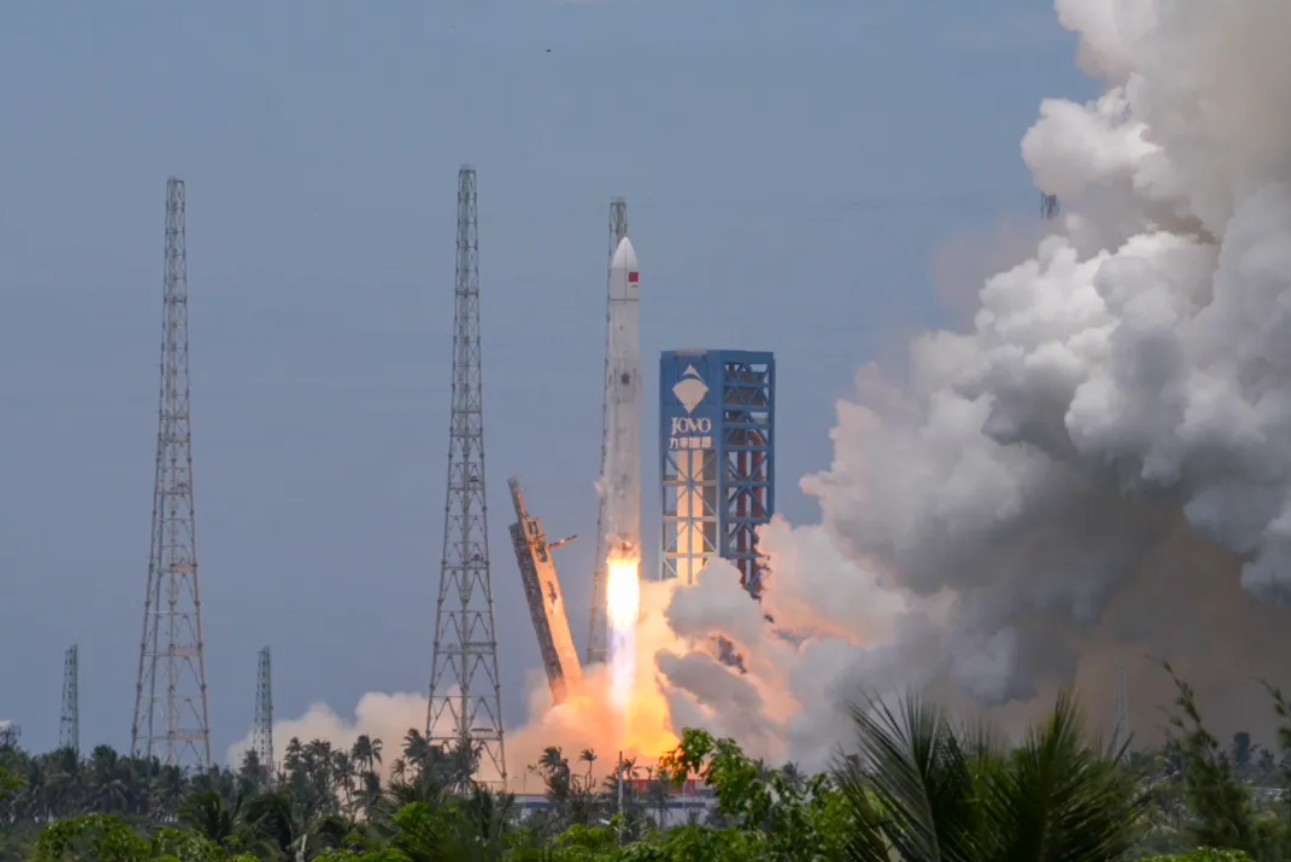
Immediately after the Long March 10B triumph, Chinese space sector officials confirmed long-expected plans for a Long March 10C rocket, expanding the range of CALT’s 5.0-meter-diameter Long March 10 series. Each rocket will play a specific role in China’s commercial launch, human spaceflight and crewed lunar programs.
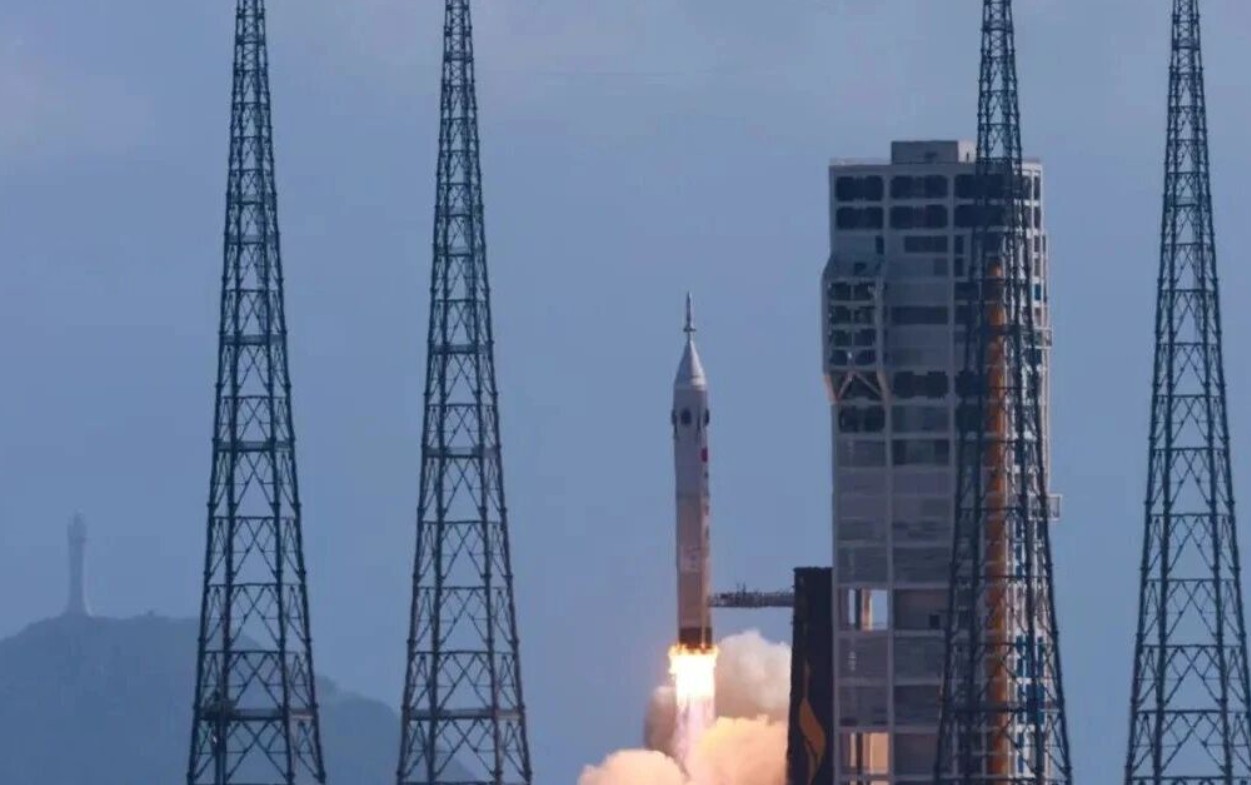
The Long March 10A, using kerolox first and second stages, uses seven YF-100 series engines on its first stage. It will be used to launch the new Mengzhou crew spacecraft to low Earth orbit (LEO), with the first test flight possibly coming this year. The Long March 10B, according to Yang Yuguang, Chairman of the Space Transportation Committee of the International Astronautical Federation, speaking to China National Radio July 10, will reuse the first stages from Long March 10A flights. The 10B, with its methalox second stage, will be used for commercial missions, while also serving the role of accumulating flight data for the Long March 10A first stage and further improving its reliability.