Certifying a single artisan through substantive routes – like learnerships and artisanal programmes – costs R388 052, which is more than it costs to produce a university graduate, at R370 923. A survey shows around half of manufacturers name the shortage of skilled labour as a serious constraint on their business.
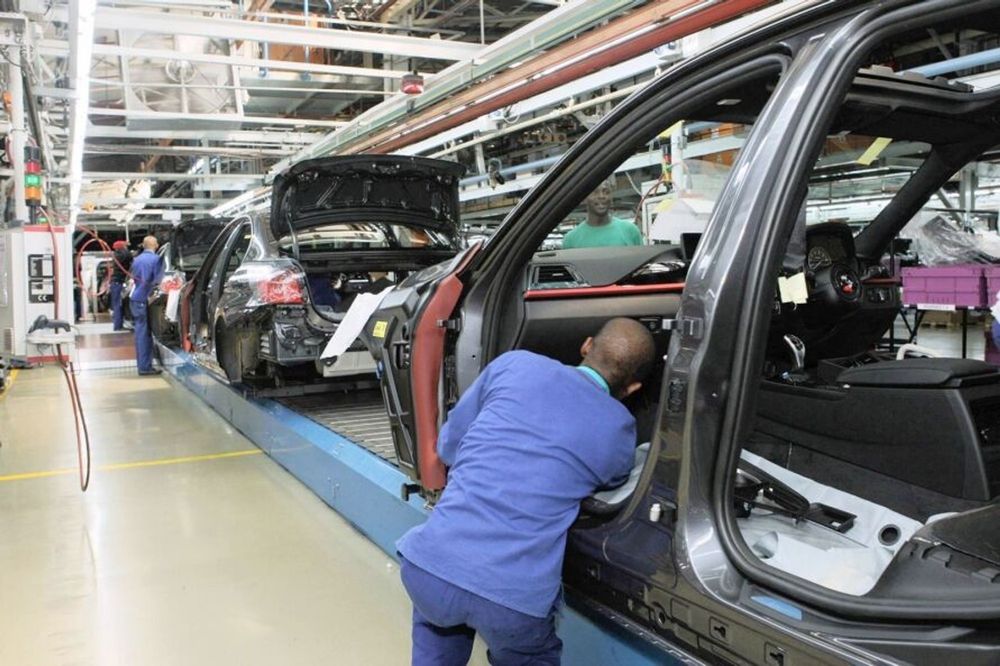
On a packaging line outside Pietermaritzburg, an operator slightly adjusts a machine because the packaging film is running tacky, preventing a batch from jamming. Two bays down, a setter finishes a die changeover in a third of the manual's estimated time because she knows the most efficient sequence by memory.
Neither holds a formal certificate for what they just did. Yet, both made the difference between a shift hitting its production targets and failing.
Walk any production line in the country and you find the same thing: skill that is real, hard-won and applied by the hour, and almost entirely invisible to the way South Africa measures its industrial workforce development.
And that blind spot has become expensive. In August 2025, the Bureau for Economic Research reviewed the SETA system. They found that once you exclude the short, low-complexity courses that inflate headline numbers, certifying a single artisan through substantive routes – like learnerships and artisanal programmes – costs R388,052.