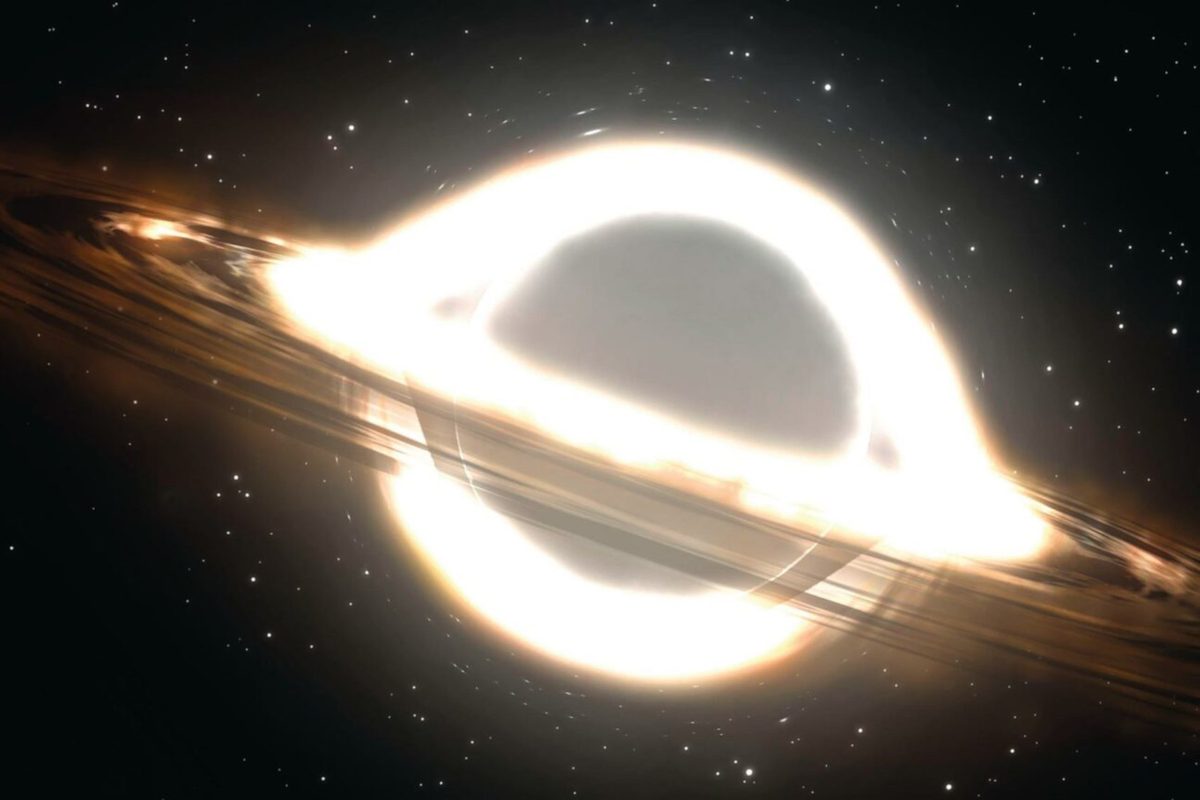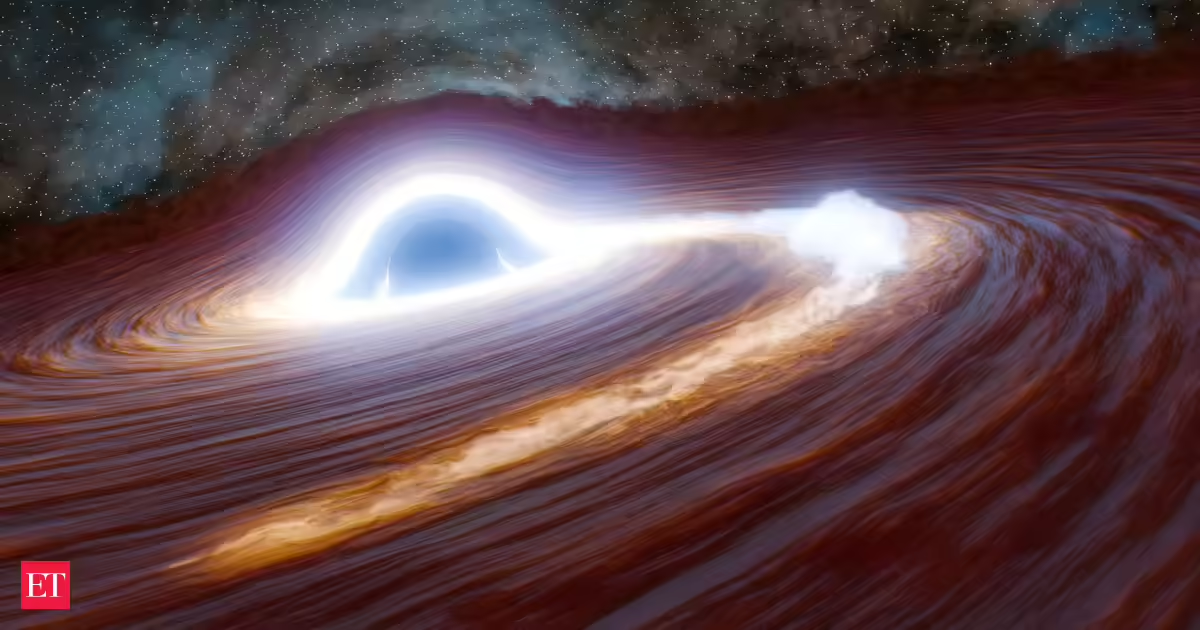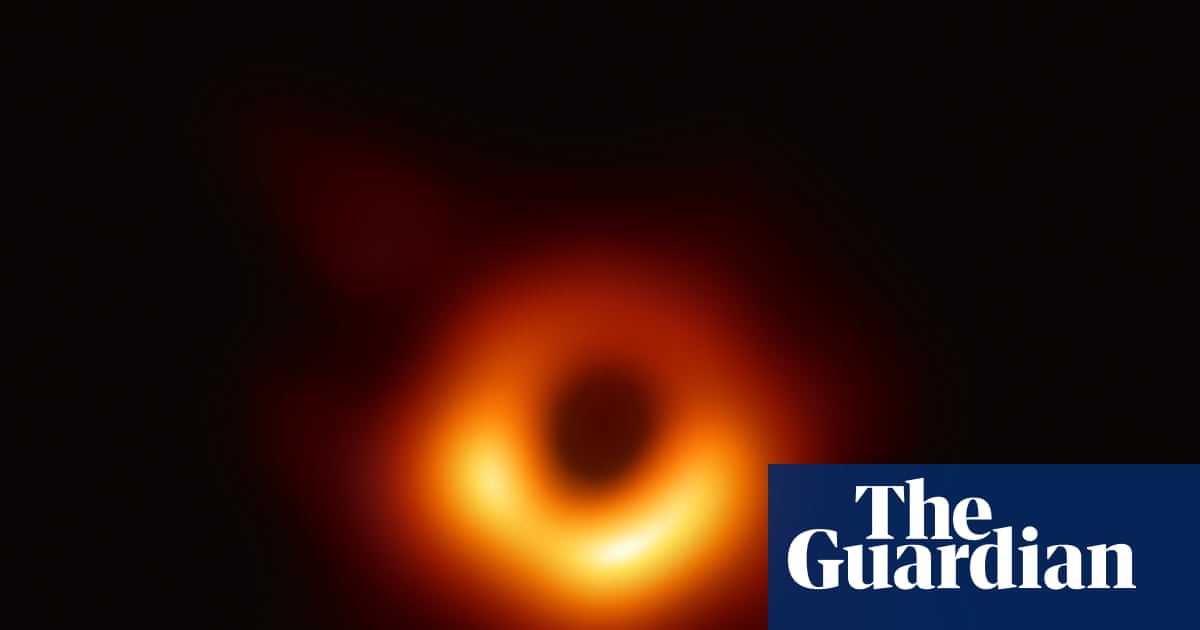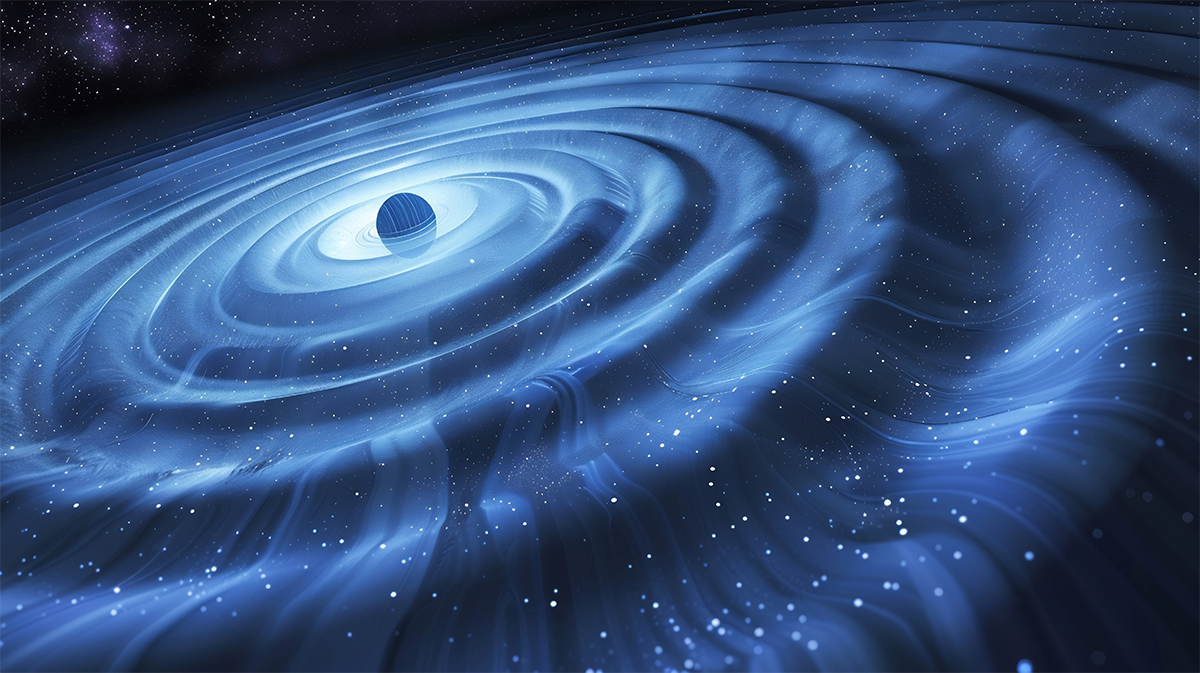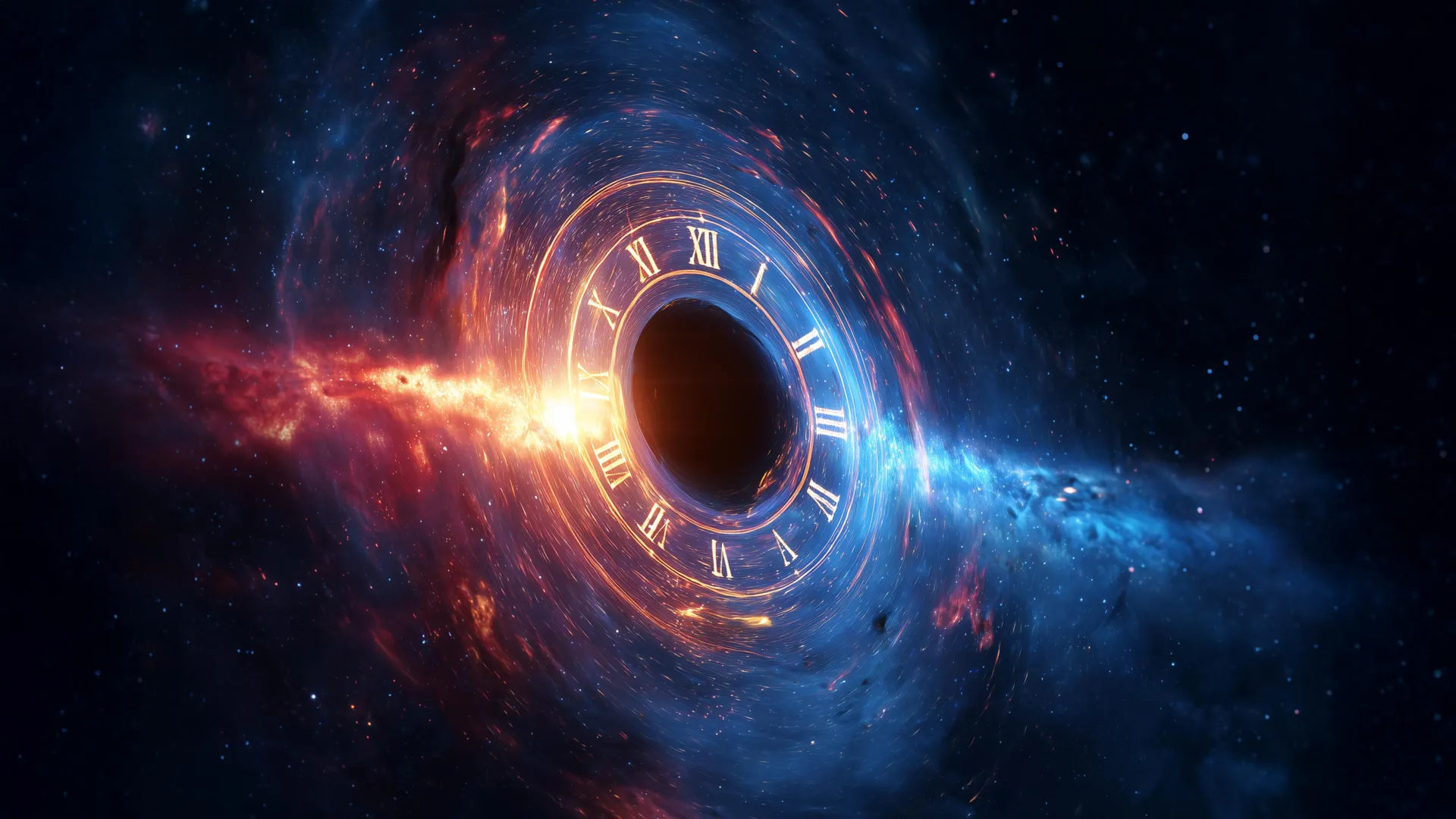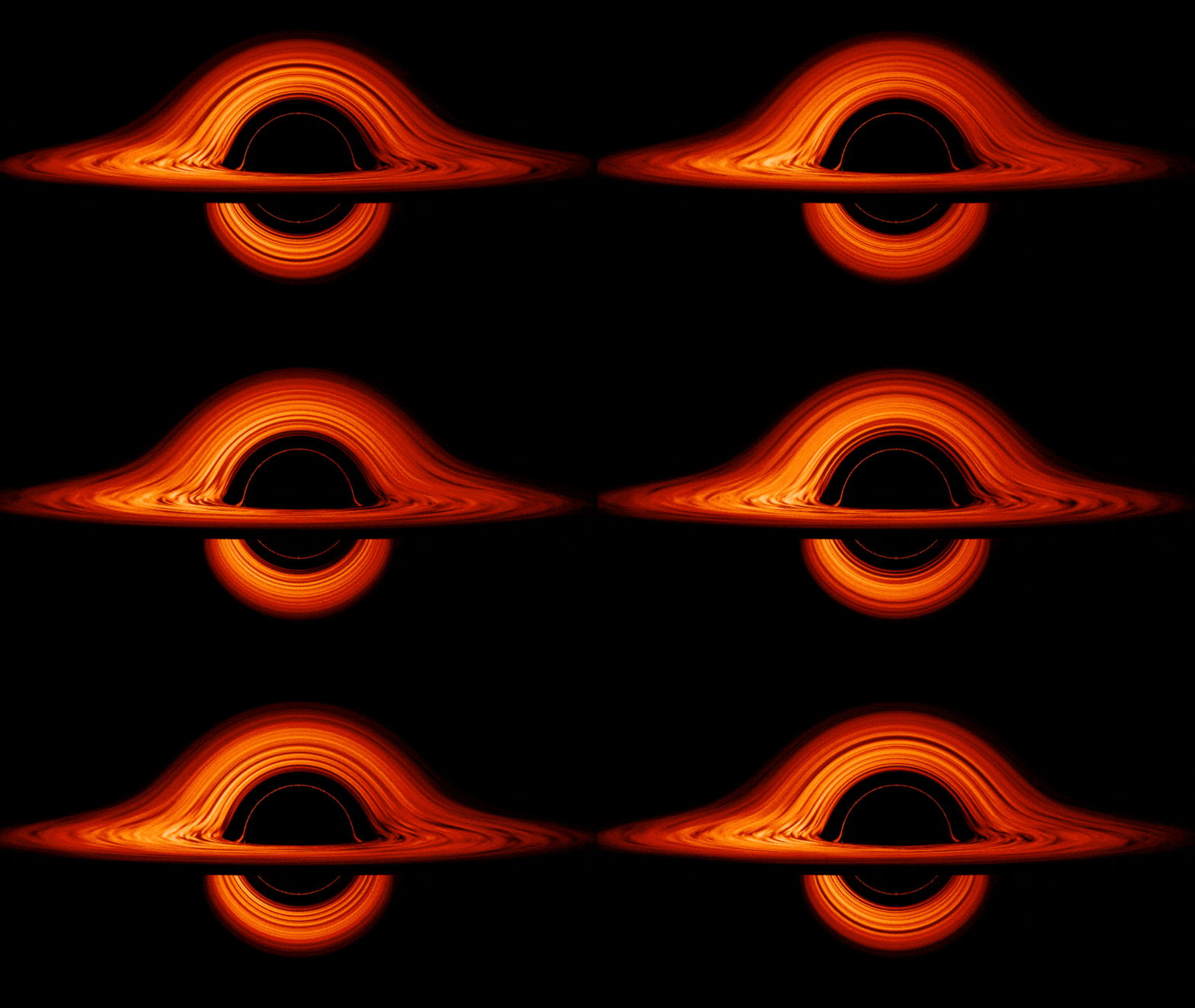
We usually treat a photograph as a record of one moment in time.Whether it's a snapshot preserving your happiest memories or a long exposure tracing the slow sweep of stars across the night sky, a photograph normally has a straightforward relationship with time.Around black holes, however, that relationship falls apart.There, thanks to the extreme warping of spacetime, a single image may combine light that left its source at different moments before finally reaching the observer, a complication physicists usually describe using "fast" and "slow" light models.Now physicists Daniel Rojas-Paternina of the National University of Colombia and Alejandro Cárdenas-Avendaño of Wake Forest University have shown in a paper accepted for upcoming publication in Physical Review Letters when those hidden differences in light-travel time matter – and when they can be safely ignored."A useful starting point is an ordinary photograph," Cárdenas-Avendaño told ScienceAlert."A camera records photons that arrive at the detector during a short exposure. Those photons did not all leave the object at exactly the same time… But because the speed of light is so large, we normally treat the photograph as a record of one instant."
Every Frame of a Black Hole Movie Is a Time Machine – And Physicists Think We're Oversimplifying
We usually treat a photograph as a record of one moment in time.
1,119 words~5 min read