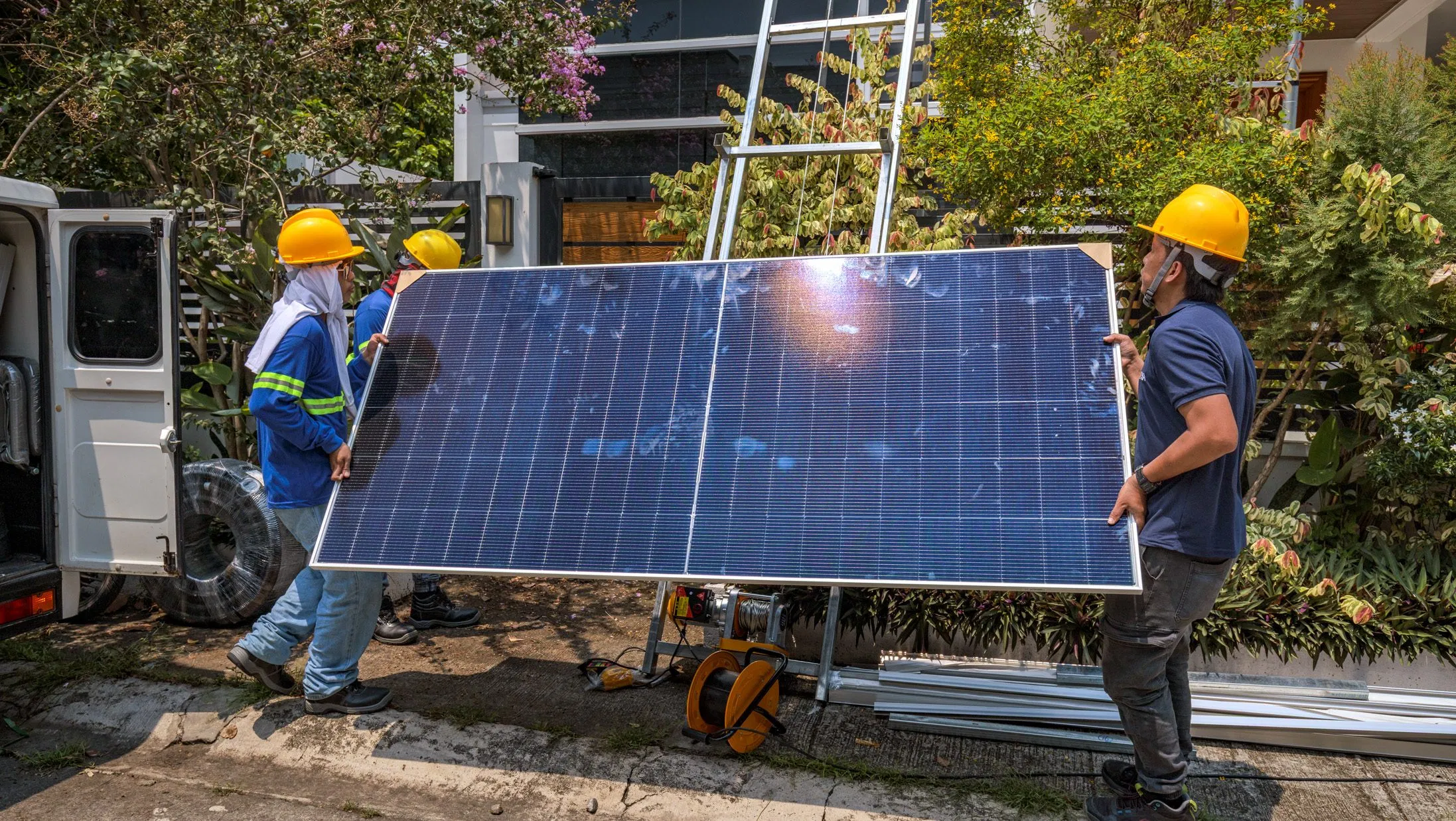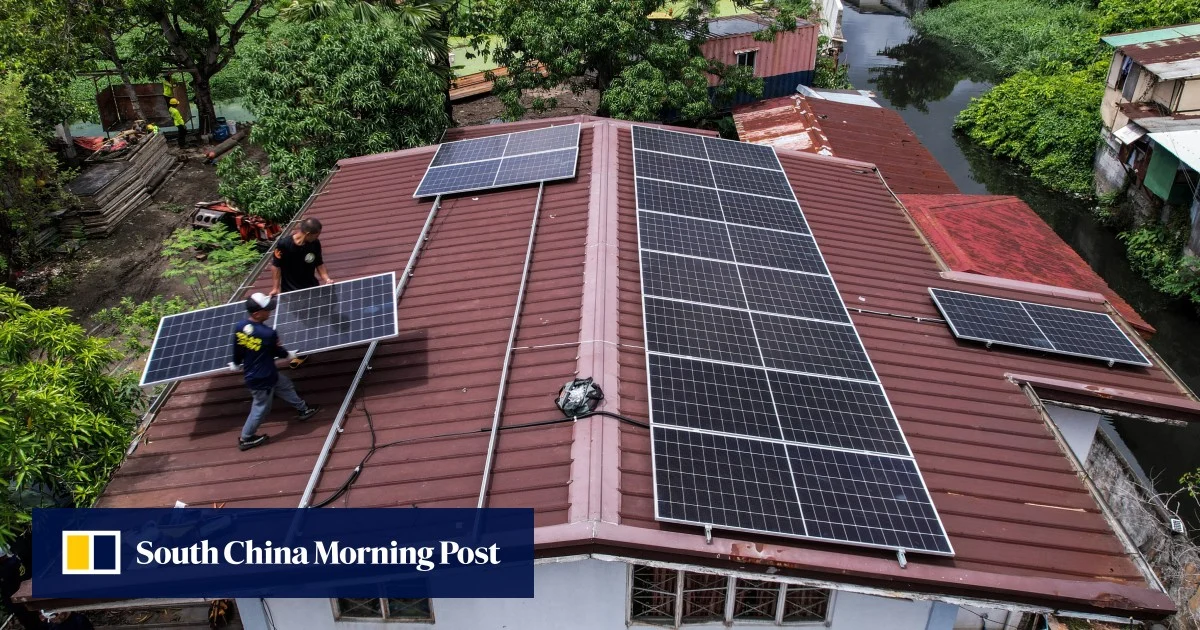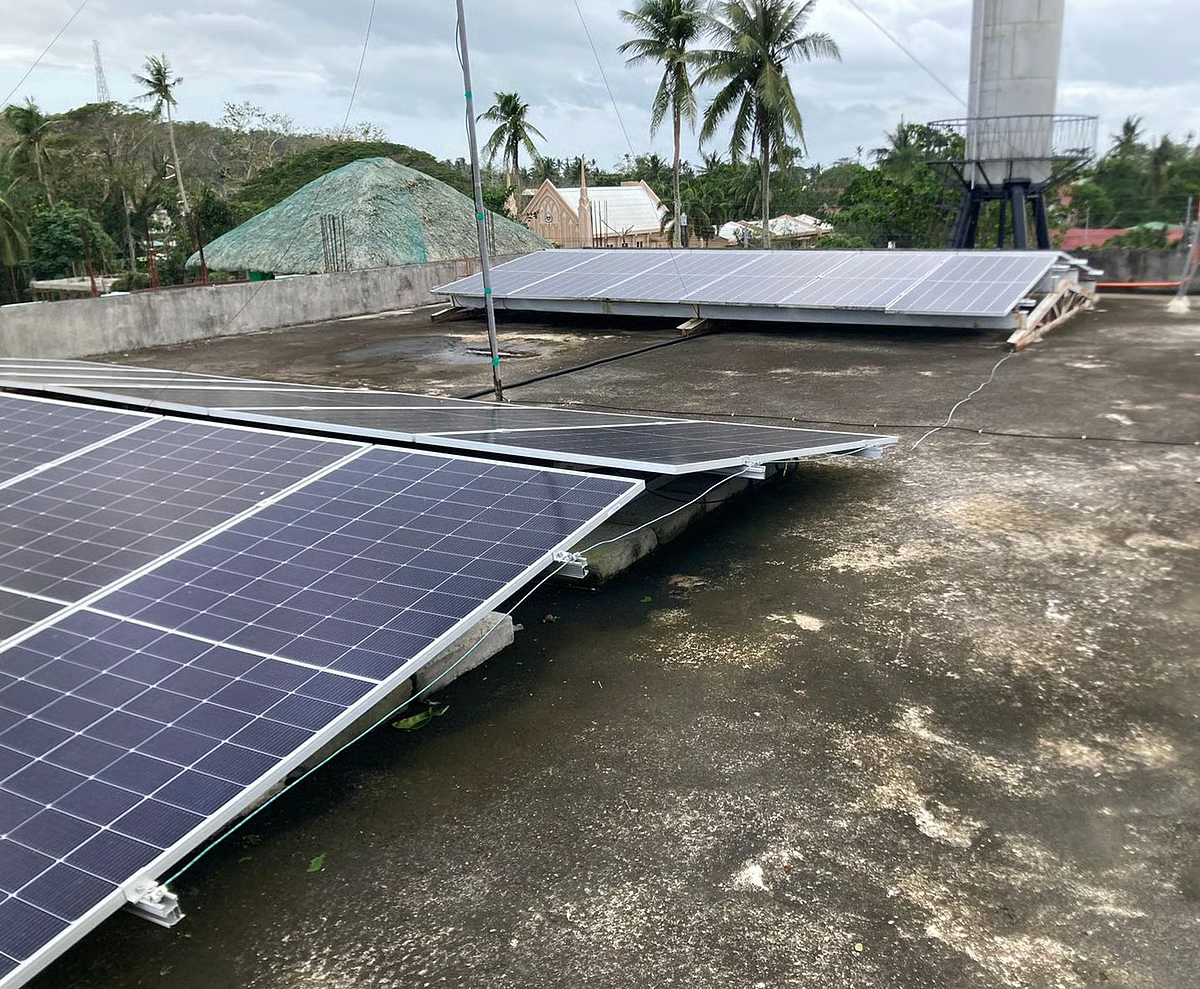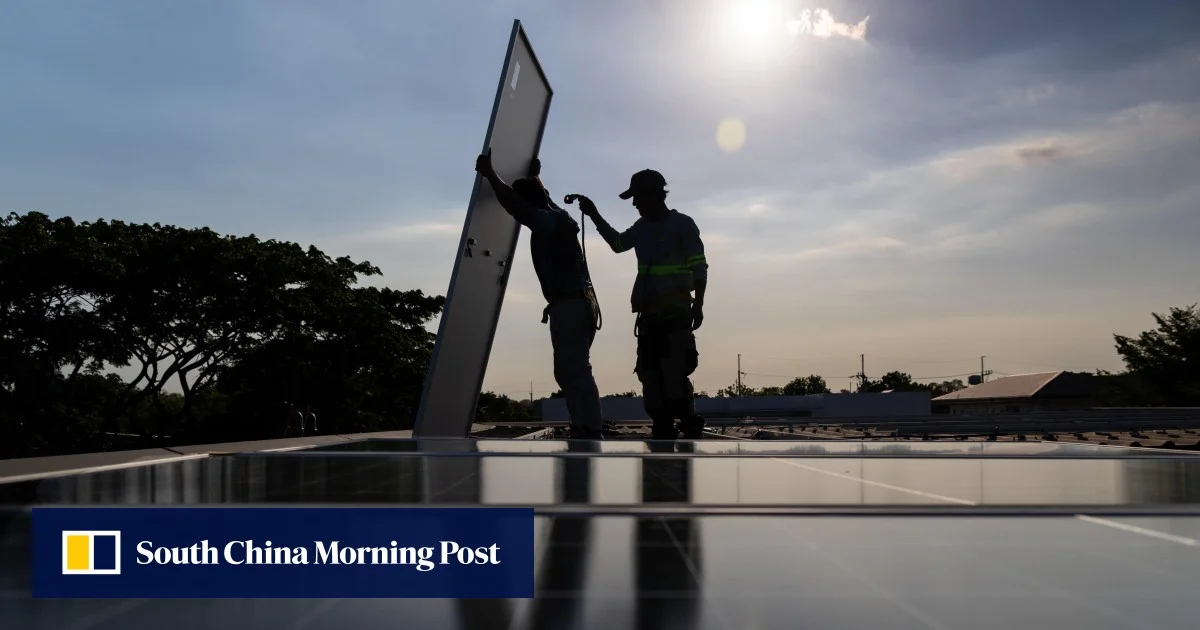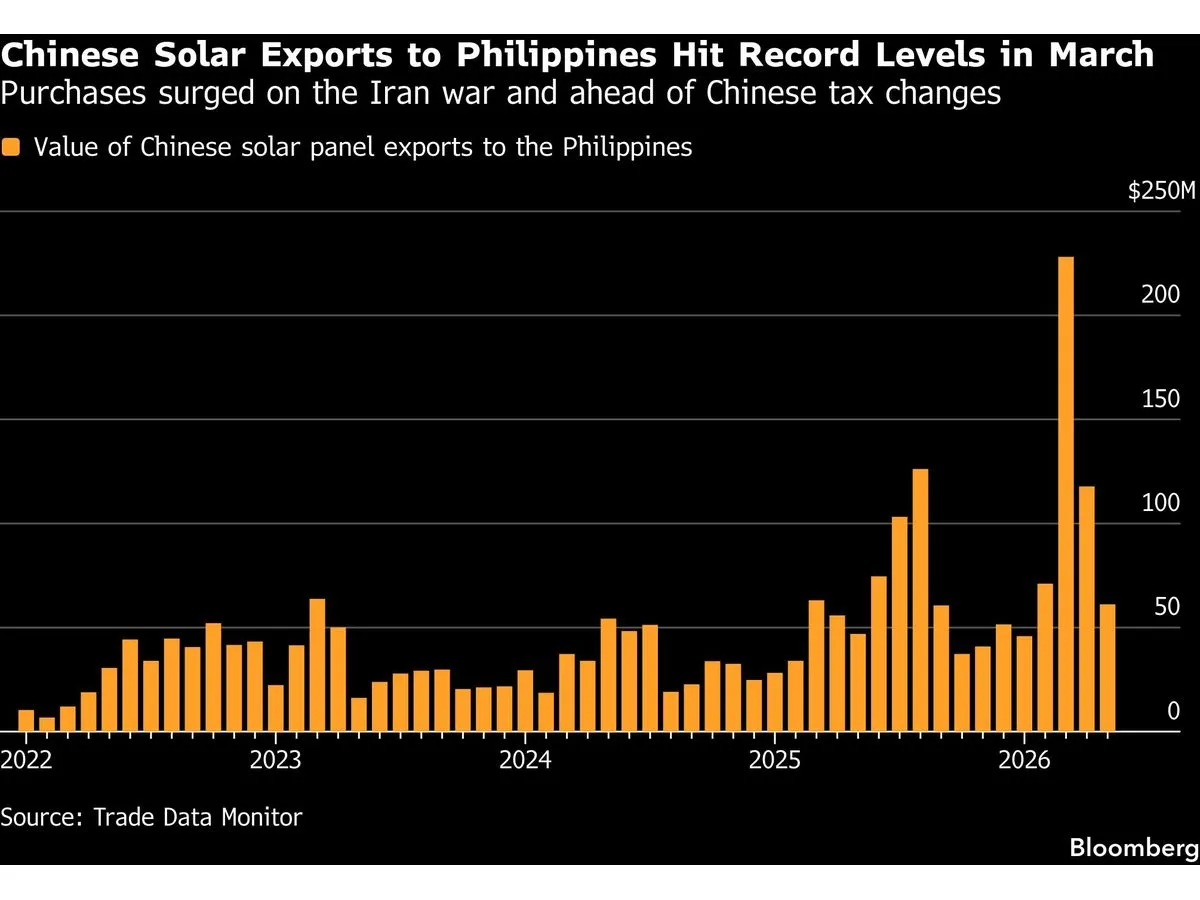
Skip to Content News Archives Economy Energy Oil & Gas Renewables Electric Vehicles Mining Commodities Agriculture Real Estate Mortgages Mortgage Rates Finance Banking Insurance Fintech Cryptocurrency Work Wealth Smart Money Wealth Management Investor Personal Finance Family Finance Retirement Taxes High Net Worth FP Comment Executive Women Puzzmo Newsletters Financial Times Business Essentials More Innovation Information Technology FP500 Podcasts Small Business Lives Told Tails Told Shopping Financial Post Store Obituaries Place a Notice Advertising Advertising With Us Advertising Solutions Postmedia Ad Manager Sponsorship Requests Classifieds Place a Classifieds ad Working Profile Settings My Subscriptions Saved Articles My Offers Newsletters Customer Service FAQ News Economy Energy Mining Real Estate Finance Work Wealth Investor FP Comment Executive Women Puzzmo Newsletters Financial Times Business Essentials HomePMN BusinessChina is Supercharging a Rooftop Solar Boom in the PhilippinesSoaring electricity bills are pushing Filipino households and businesses to embrace solar energy, and China is cashing in.Author of the article: You can save this article by registering for free here. Or sign-in if you have an account.ruo3s2qc342wbl1pss0f02vi_media_dl_3.png Trade Data Monitor(Bloomberg) — In a shopping mall in the southern Philippine city of Davao on a recent weekday afternoon, more than 700 people jostled for position. Some drove as long as nine hours to make the event, dedication more commonly seen in the archipelago for celebrity concerts or religious festivals.Subscribe now to read the latest news in your city and across Canada.Exclusive articles from Barbara Shecter, Joe O'Connor, Gabriel Friedman, and others.Daily content from Financial Times, the world's leading global business publication.Unlimited online access to read articles from Financial Post, National Post and 15 news sites across Canada with one account.National Post ePaper, an electronic replica of the print edition to view on any device, share and comment on.Daily puzzles, including the New York Times Crossword.Subscribe now to read the latest news in your city and across Canada.Exclusive articles from Barbara Shecter, Joe O'Connor, Gabriel Friedman and others.Daily content from Financial Times, the world's leading global business publication.Unlimited online access to read articles from Financial Post, National Post and 15 news sites across Canada with one account.National Post ePaper, an electronic replica of the print edition to view on any device, share and comment on.Daily puzzles, including the New York Times Crossword.Create an account or sign in to continue with your reading experience.Access articles from across Canada with one account.Share your thoughts and join the conversation in the comments.Enjoy additional articles per month.Get email updates from your favourite authors.Create an account or sign in to continue with your reading experience.Access articles from across Canada with one accountShare your thoughts and join the conversation in the commentsEnjoy additional articles per monthGet email updates from your favourite authorsSign In or Create an AccountorBut this crowd had gathered for something else entirely — a chance to glimpse cutting-edge panel and battery technology from one of the world’s top solar manufacturers, China’s Jinko Solar Co.Economies across Asia have been hit by soaring utility bills in the months since the war in the Middle East upended oil and gas markets, prompting many to rethink power supply. In the Philippines, households and businesses have embraced green alternatives, and created a welcome boon for Beijing’s solar producers in the process.Get the latest headlines, breaking news and columns.By signing up you consent to receive the above newsletter from Postmedia Network Inc.A welcome email is on its way. If you don't see it, please check your junk folder.The next issue of Top Stories will soon be in your inbox.We encountered an issue signing you up. Please try againIt has become China’s single-biggest overseas market for solar panels for the first time this year, outpacing even success stories like Pakistan. Only the Netherlands, a hub for northwest Europe, imports more.“Electricity bills here are increasing,” said Cesar Arriaga, who lives in the city’s suburbs and came along to learn about how to buy and install panels. “I like the Chinese products not only because they’re cheap, but because they’re technologically competitive.”China is the source of the world’s most inexpensive and most advanced solar technology, producing about 80% of global supply. But it has also been producing far too much of a good thing — meaning new markets are vital for the industry’s survival.China’s solar exports to the Philippines more than doubled in the first five months of 2026 from a year earlier, according to Trade Data Monitor. In March alone, imports jumped 262% year-on-year. Filipino buyers have spent more than half a billion dollars on Chinese panels so far in 2026.Granted, some of that is down to suppliers front-loading shipments ahead of changes to Chinese export tax rebates. But analysts and industry insiders say the trend will prove a lasting one, even amid on-off tensions between the two countries, including disputes in the South China Sea.One indicator is that demand has now expanded far beyond Manila into regional centers like Davao, where enthusiasts crammed the mall, fueling a leap in revenue. In 2025, Jinko’s sales to the Philippines were equivalent to nearly 1.5GW, handing it a market share of more than a quarter. In the first six months of this year, it has already shipped close to 1GW. The popularity of higher-end N-type modules, particularly effective in hot climates, have raised the company’s average selling price overseas and its profit margins.“Based on the current pace, we expect a more pronounced market boom and demand change in the Philippines in the second half of this year,” Jinko said in response to Bloomberg queries.That enthusiasm may well be enough to counter efforts by Manila to tighten control of imported solar equipment. Policymakers have proposed that solar systems and components should be certified by the country’s national standards body to ensure product safety, the Philippine Daily Inquirer reported. Still, unlike the US and parts of Europe, where governments have imposed tariffs on Chinese solar panels and modules to shield domestic manufacturers, the Philippines has shown little sign of pursuing broader trade barriers.In large part, that is because both sides stand to benefit from the current boom. Import-dependent Philippines gains access to low-cost renewable technology which is easy to deploy even in an island nation, while Chinese manufacturers can tap a fast-growing export market.“The Philippines has so much to gain by embracing solar: less pressure on retail electricity price rises, less imported gas and oil, and overall cheaper electricity for customers,” said veteran electricity analyst Dave Jones at energy think tank Ember. “Electricity prices are so high. With customers fearful that prices will rise further, this provides a firm impetus to act now.”Chinese manufacturers also want to move quickly to tap overseas markets, especially if that means profits for an industry that has been mired in losses for years. While the Philippines remains relatively small compared to China’s behemoth domestic market, rising demand here — alongside other major importers like Pakistan — is providing an important outlet for excess capacity.Other factors help. The Philippines has long been a key adopter of renewable power, ahead of many others in the Southeast Asian region, with a strong pipeline of wind and solar projects in development as it tries to keep up with expanding consumption. The country has also been active in encouraging foreign players to enter its clean-energy sector by allowing full foreign ownership and easing access to local financing.“The Philippines is a key renewable market in Southeast Asia, driven by a clear structural need,” said Geoffrey Jahnke, chief operating officer at Peak Energy, which develops clean energy projects in Asia. Demand for electricity continues to rise, and the country is still exposed to imported fuel price volatility and needs more “stable, domestically supplied energy,” he said.Rising electricity costs have provided a fresh impetus to clean up the grid, given most of that surge is directly linked to dependence on imported fossil fuels. Power prices in the Philippines have jumped at least 14% this year from last year, said Robert Liew, an analyst at consultancy Wood Mackenzie. The nation now has the costliest residential electricity price in Southeast Asia, and the second-highest commercial price, according to a May report published by Ember. To try to cushion the shock from Persian Gulf disruption, the government began offering low interest loans of up to 500,000 pesos ($8,124) for residential clean energy. It has also fast-tracked more than 30 renewable projects.That means cheap Chinese solar panels are now a viable way for households to save money. Payback for a residential rooftop project can be as short as a little more than three years, down from four years in May 2025, according to Ember.As a result, the industry is booming, as seen in Davao’s crowded mall, with exports to the Philippines smashing records in March. Average weekly rooftop solar installations have risen 170% since the US and Israel began bombing Iran in late-February, according to New Energy Nexus. The only catch is that with customer inquiries surging 582%, demand is running ahead of what the market can physically deliver, held back by supply chain shortages and limited numbers of installers.“The supply chain was not built to absorb a demand shock of this size,” New Energy Nexus said in an April report.For producers like Jinko and rival Trina Solar Co., it is still an opportunity that cannot be passed up.“The market is moving from buying panels as standalone components toward planning solar as part of a wider energy system,” Trina Solar, another Chinese manufacturer, said in response to Bloomberg queries. “We are confident in meeting this demand.”—With assistance from Ocean Hou, Ishika Mookerjee and Neil Jerome Morales. Join the Conversation This website uses cookies to personalize your content (including ads), and allows us to analyze our traffic. Read more about cookies here. By continuing to use our site, you agree to our Terms of Use and Privacy Policy.
China is Supercharging a Rooftop Solar Boom in the Philippines
Soaring electricity bills are pushing Filipino households and businesses to embrace solar energy, and China is cashing in.
1,626 words~7 min read