Lasting peace depends upon resolving the disputes that produced them in the first place.
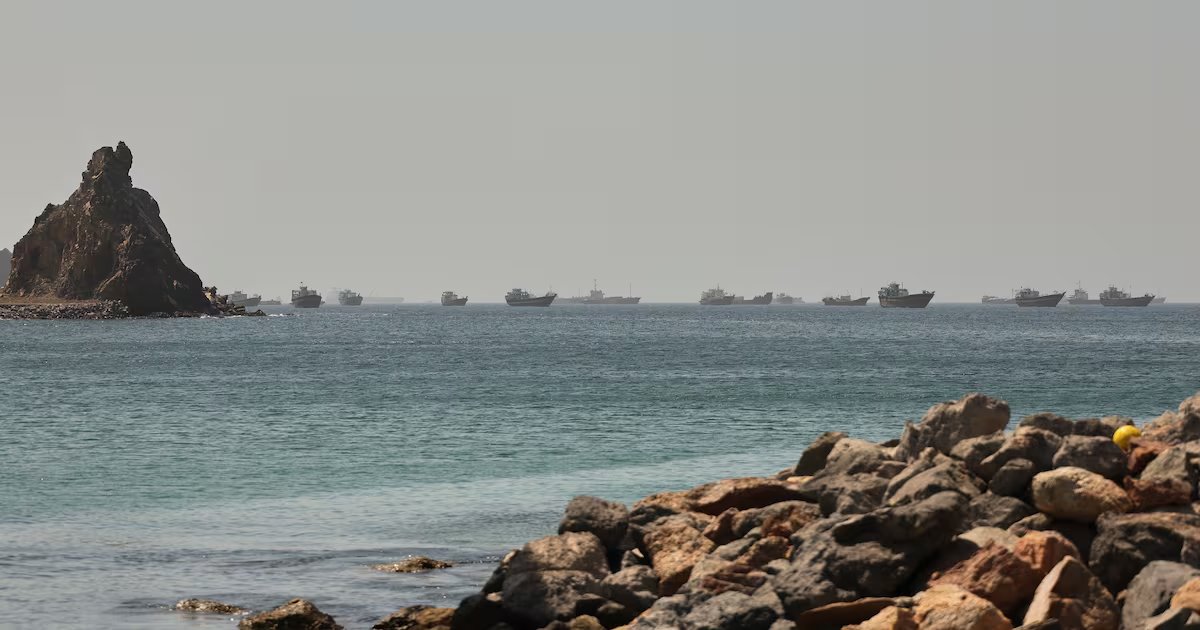
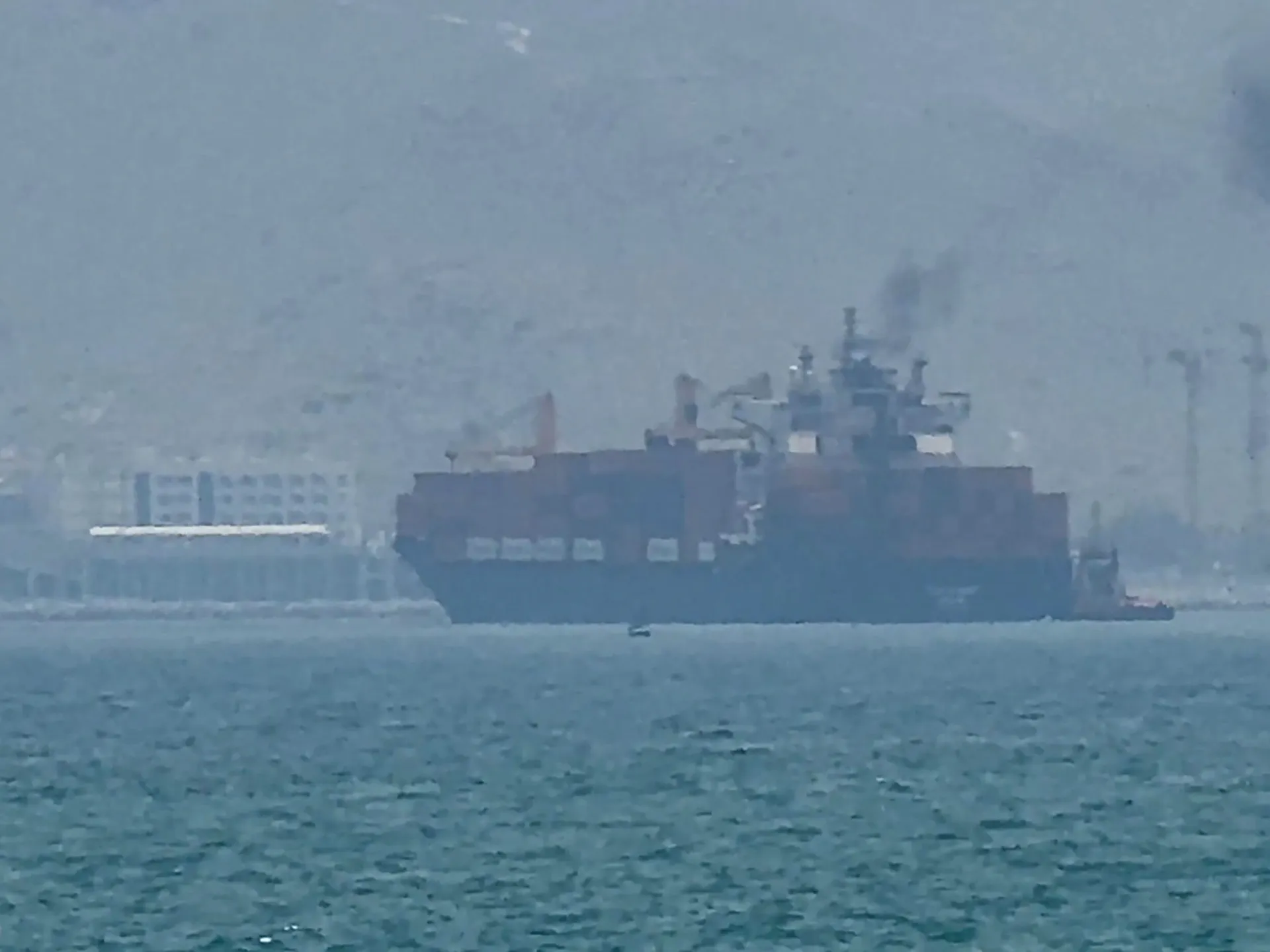
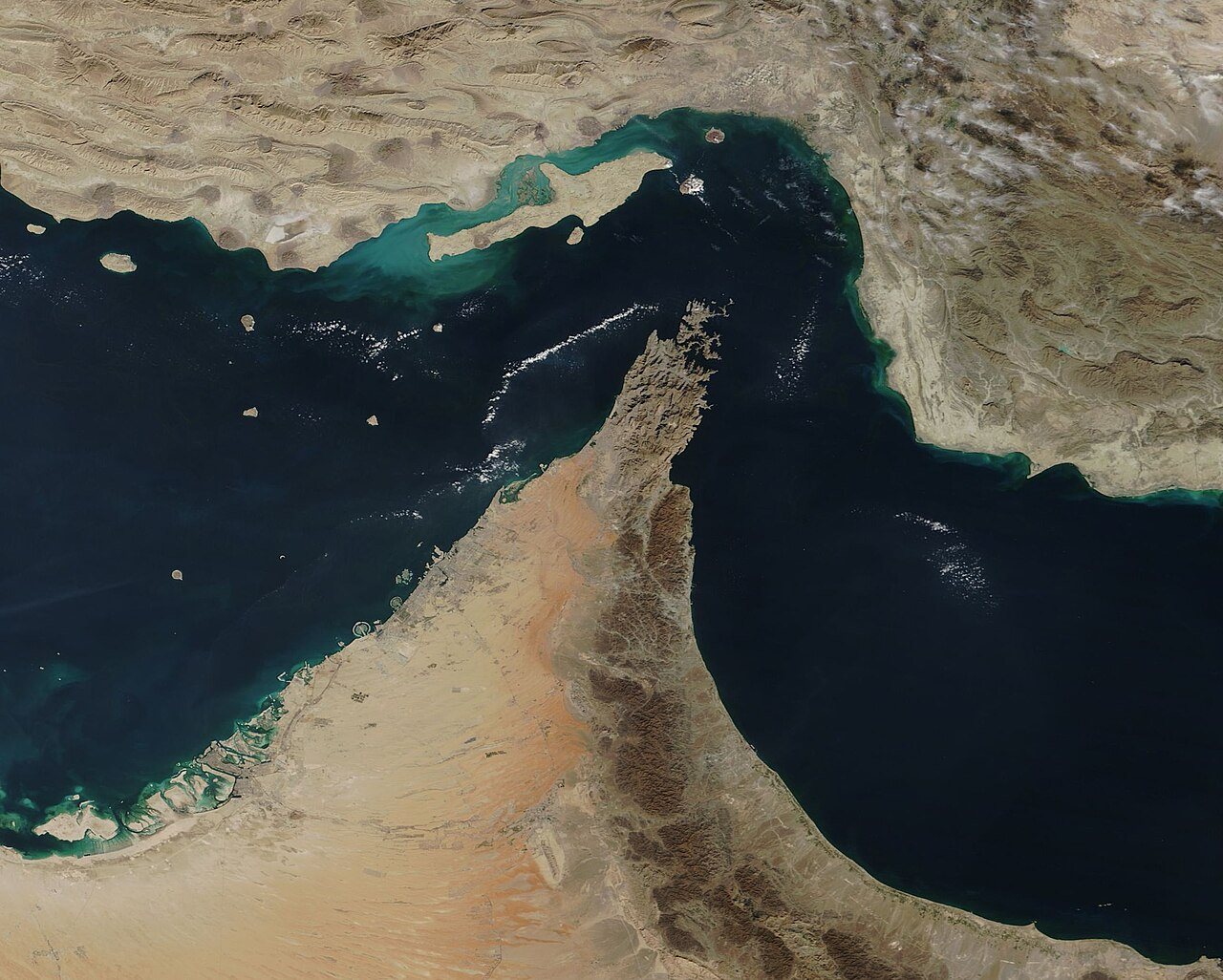
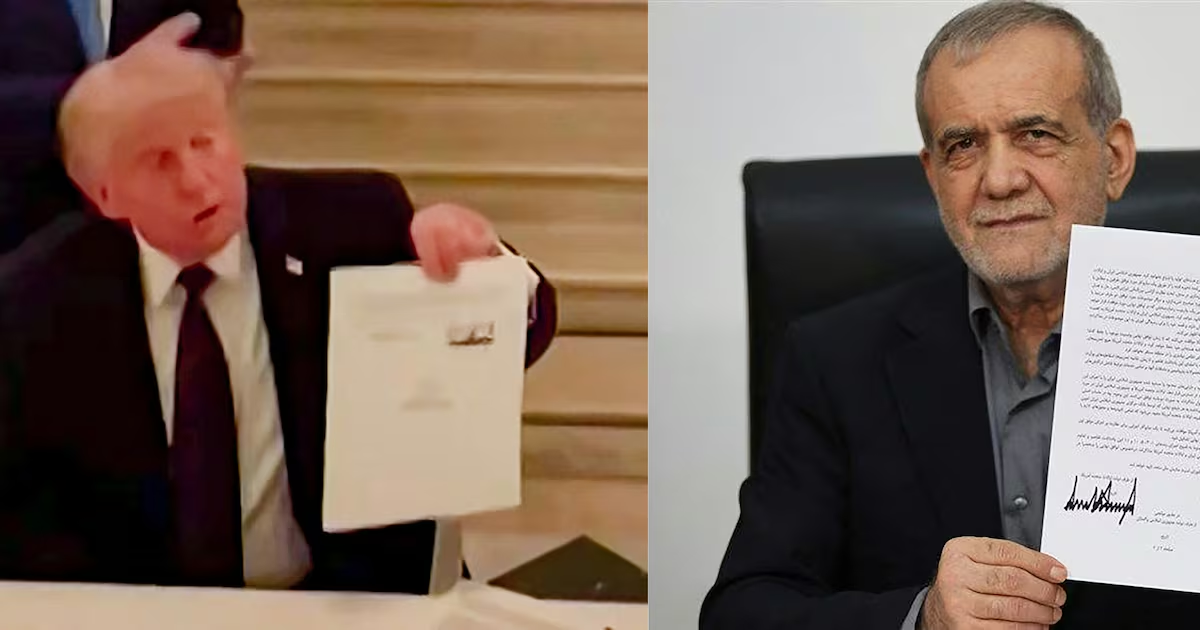
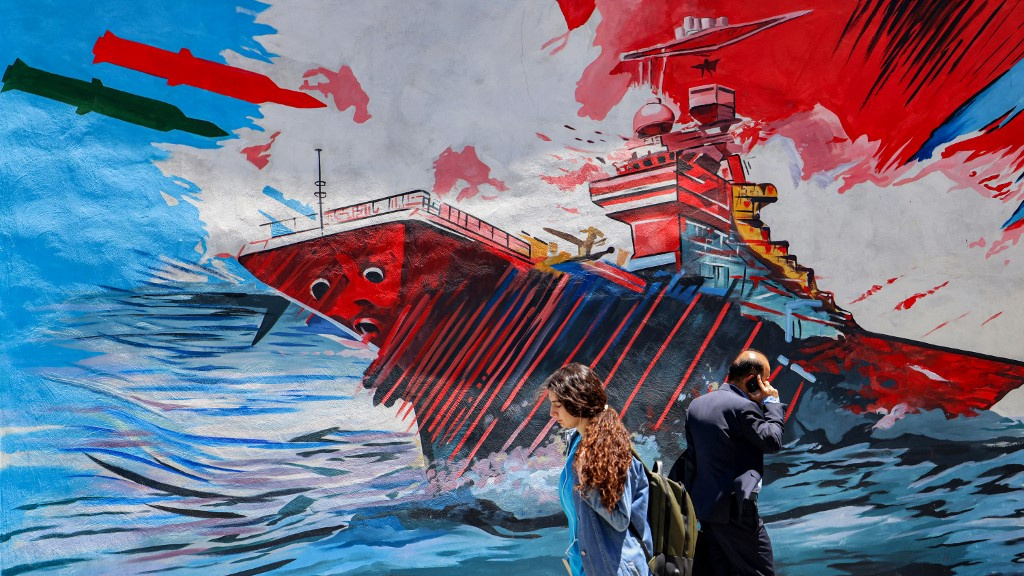
Barely four weeks after the signing of the US-Iran memorandum of understanding (MoU) that brought an uneasy halt to one of the most dangerous confrontations between the two rivals in decades, missiles are once again crossing the Gulf, commercial shipping is retreating from the Strait of Hormuz and oil prices are again inching upwards.
Over the past 24 hours, the confrontation has entered its most dangerous phase since hostilities resumed last week, with both sides sharply intensifying military operations. Overnight, the US carried out a fresh wave of precision strikes against military and petrochemical infrastructure across southern Iran, targeting facilities in the oil-producing Khuzestan province as well as sites around Bandar Abbas, Qeshm Island and Bushehr. It employed aircraft, naval assets and — for the first time in the campaign — sea drones to degrade Iran’s air defence, missile and coastal capabilities. Open-source imagery has corroborated damage to the Omidiyeh airbase and to a building within the Bushehr nuclear complex.
A projectile falls at an unknown location, during what US Central Command says are strikes on Iranian military targets, in this screengrab taken from a handout video released on July 11, 2026. — Reuters