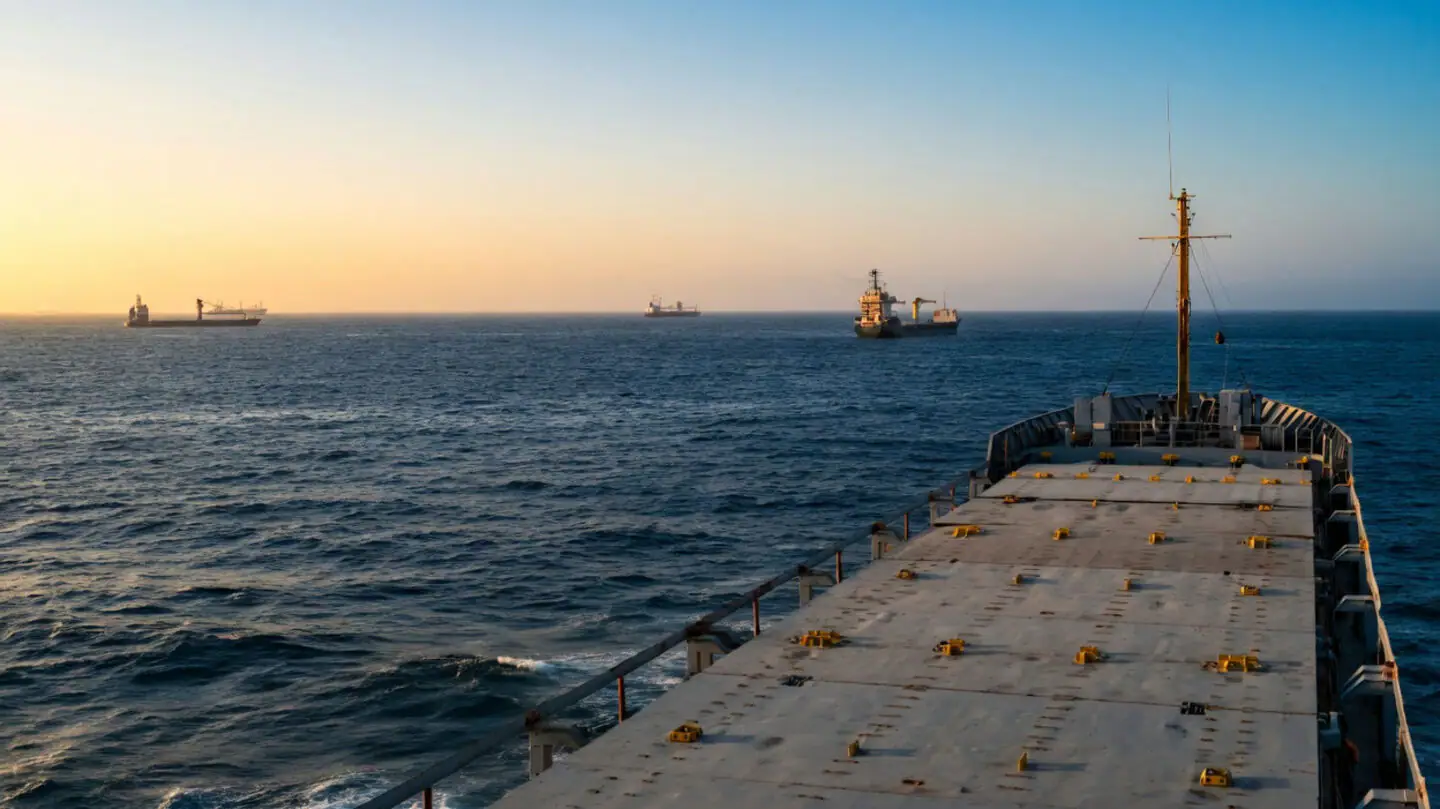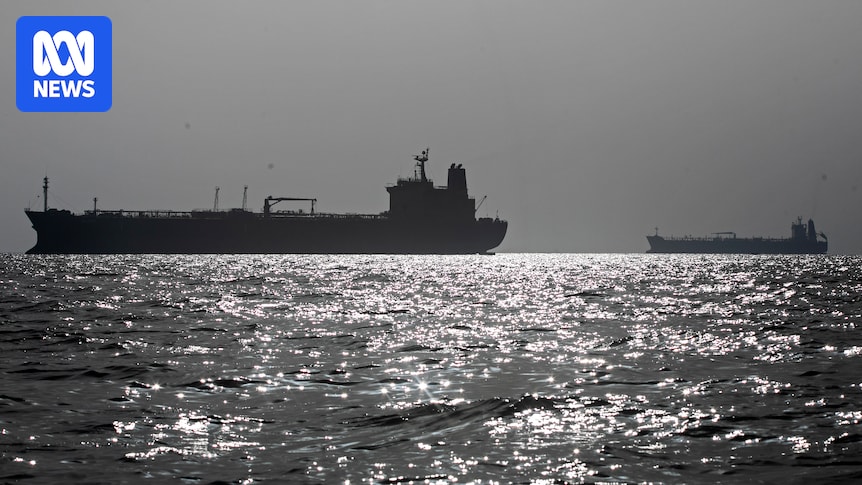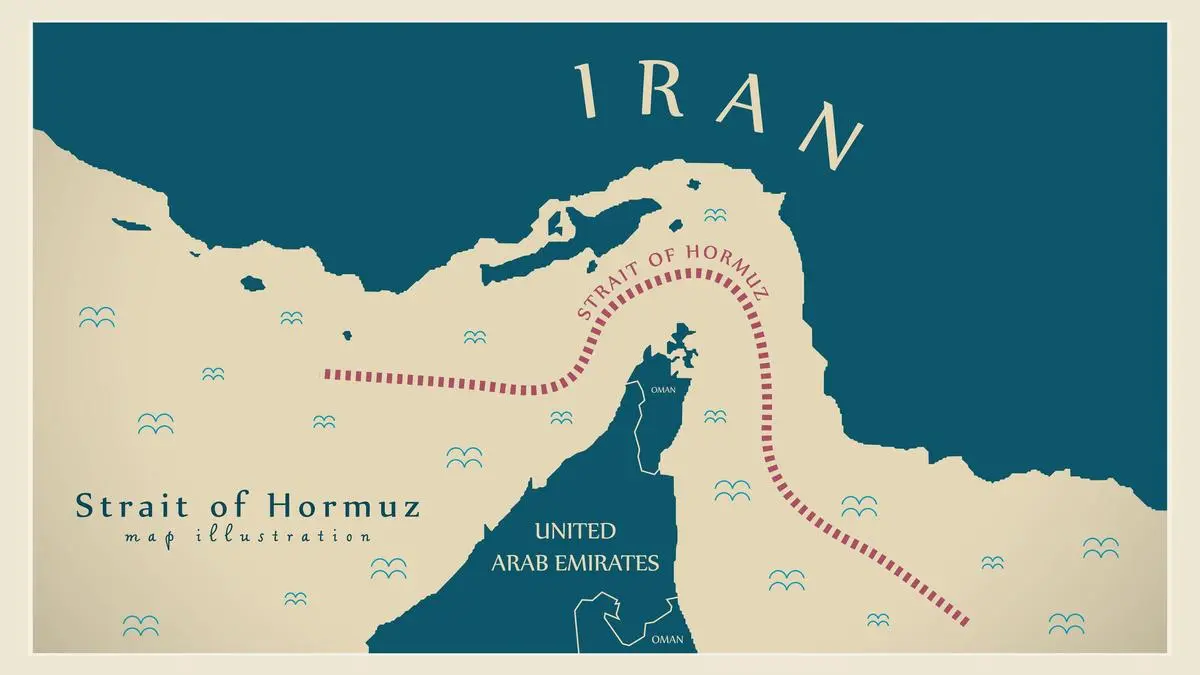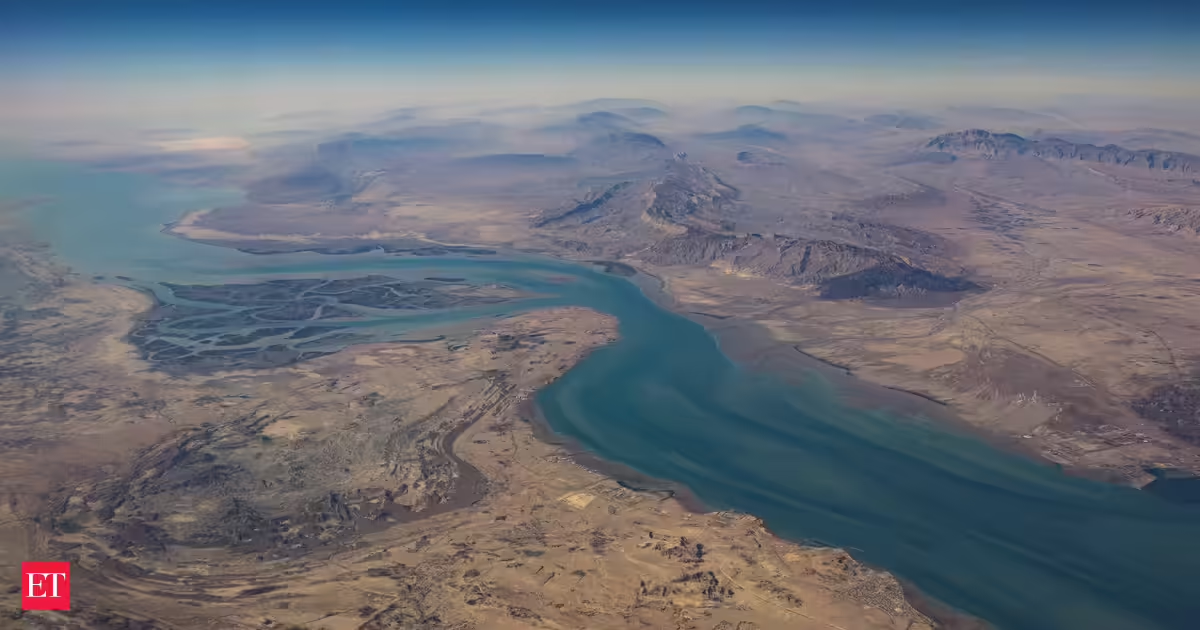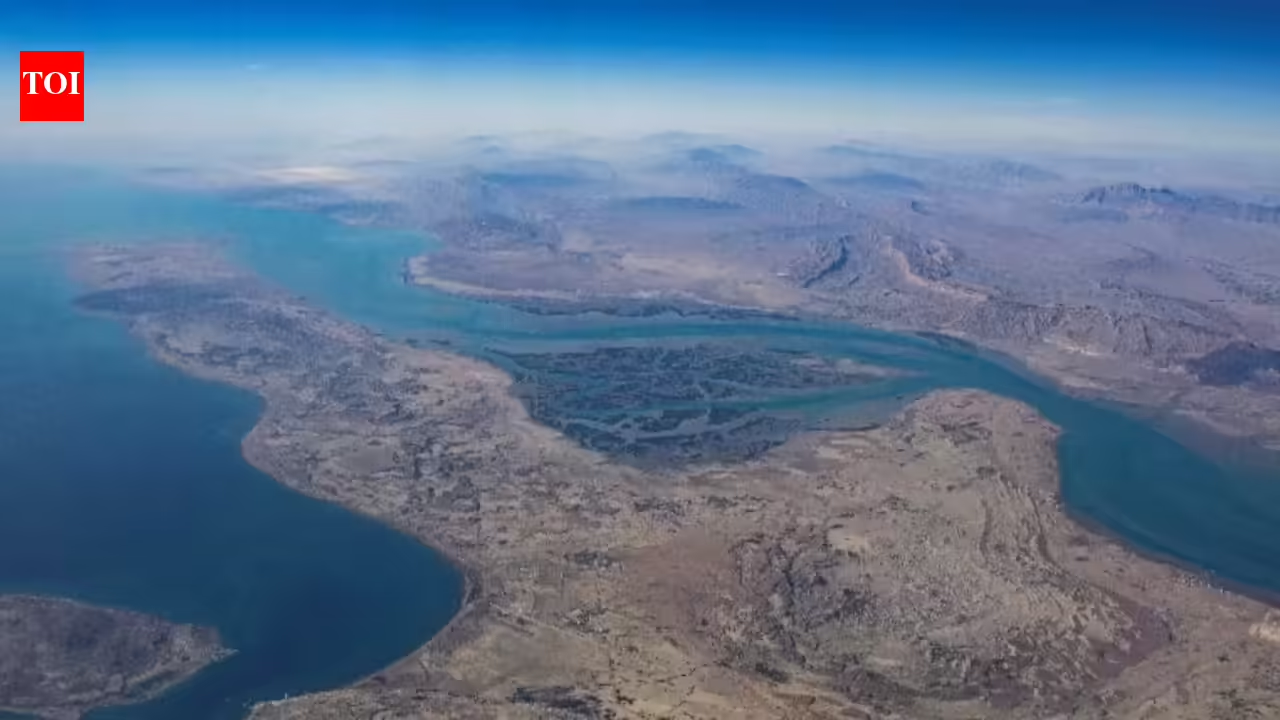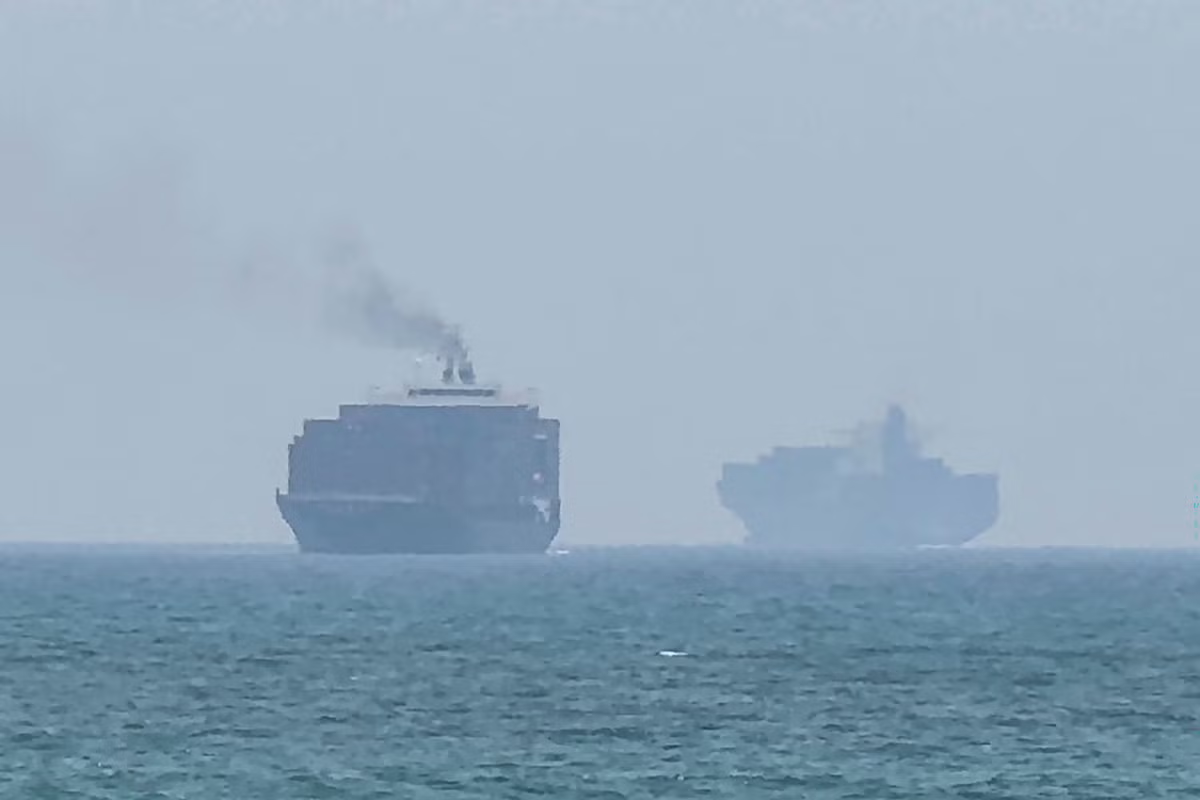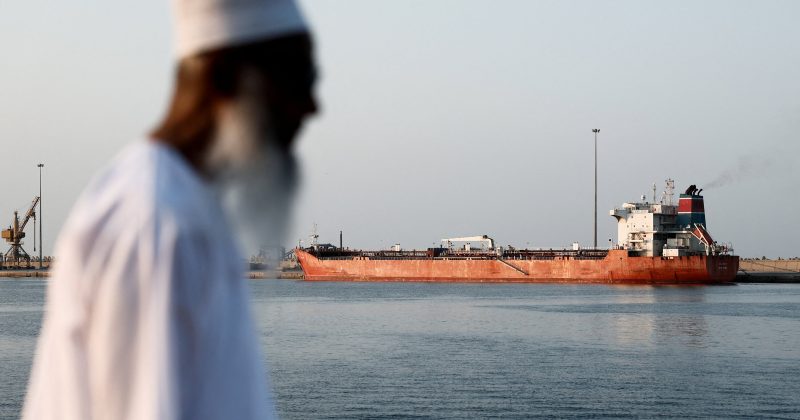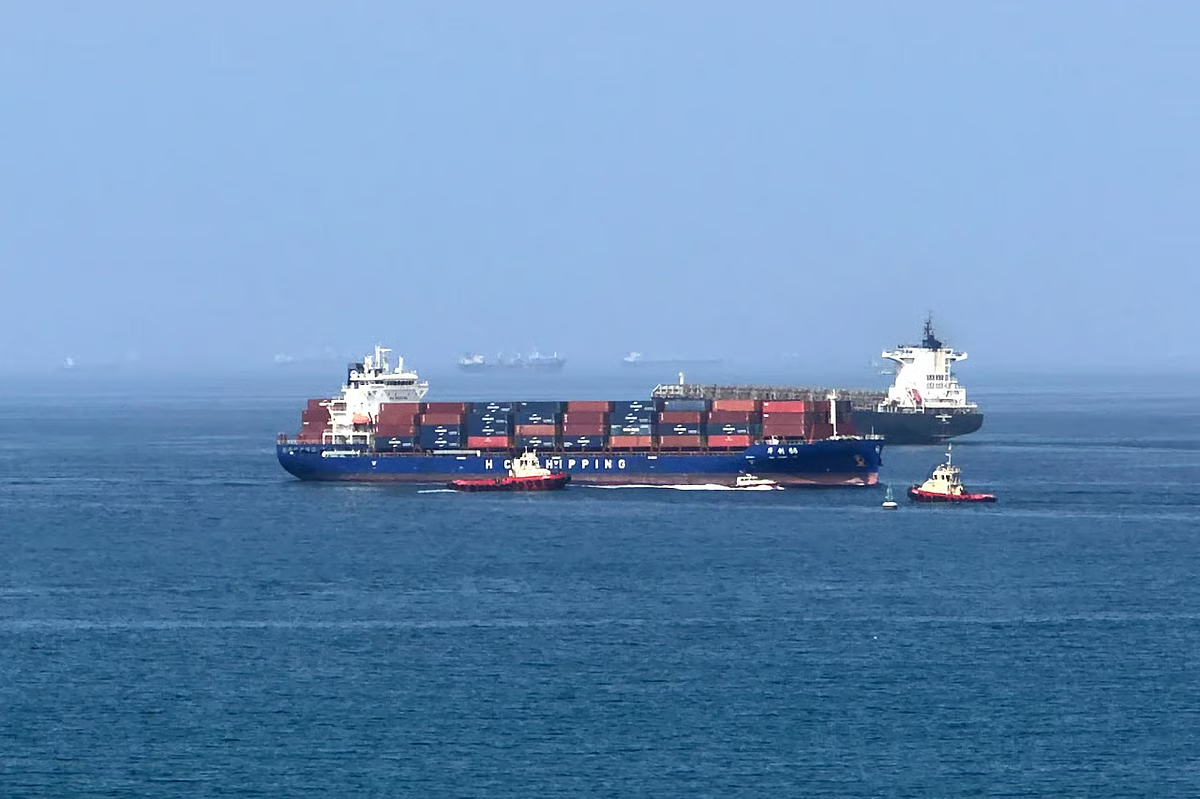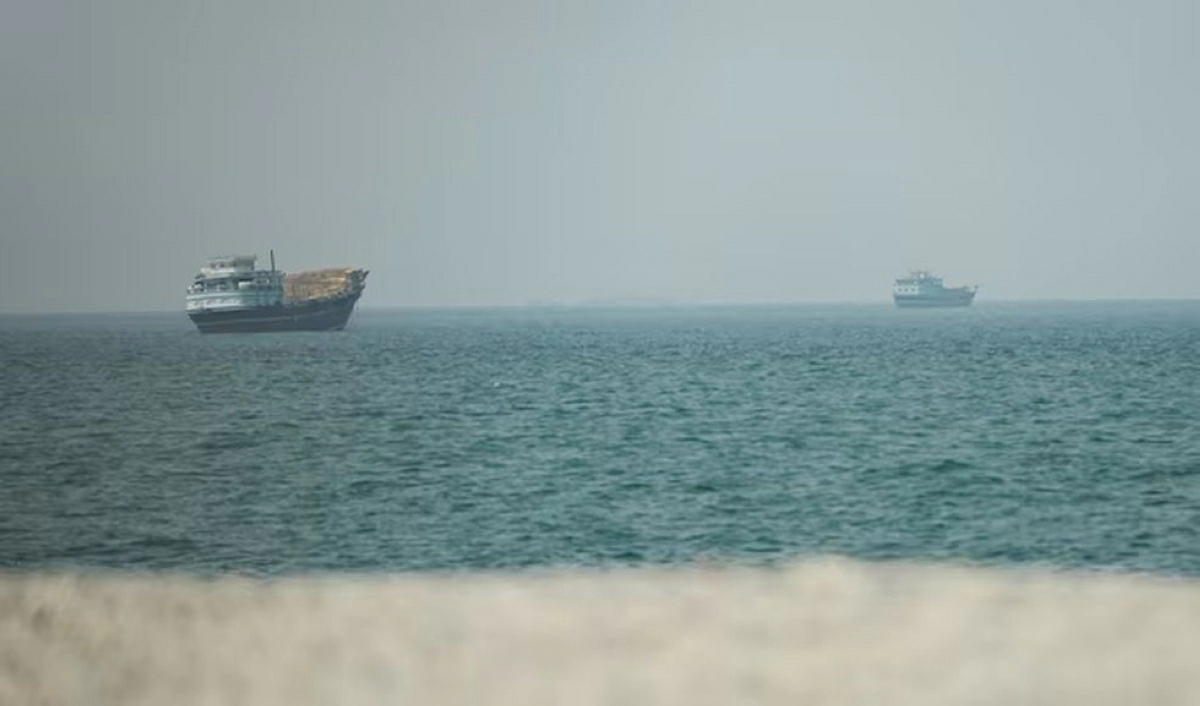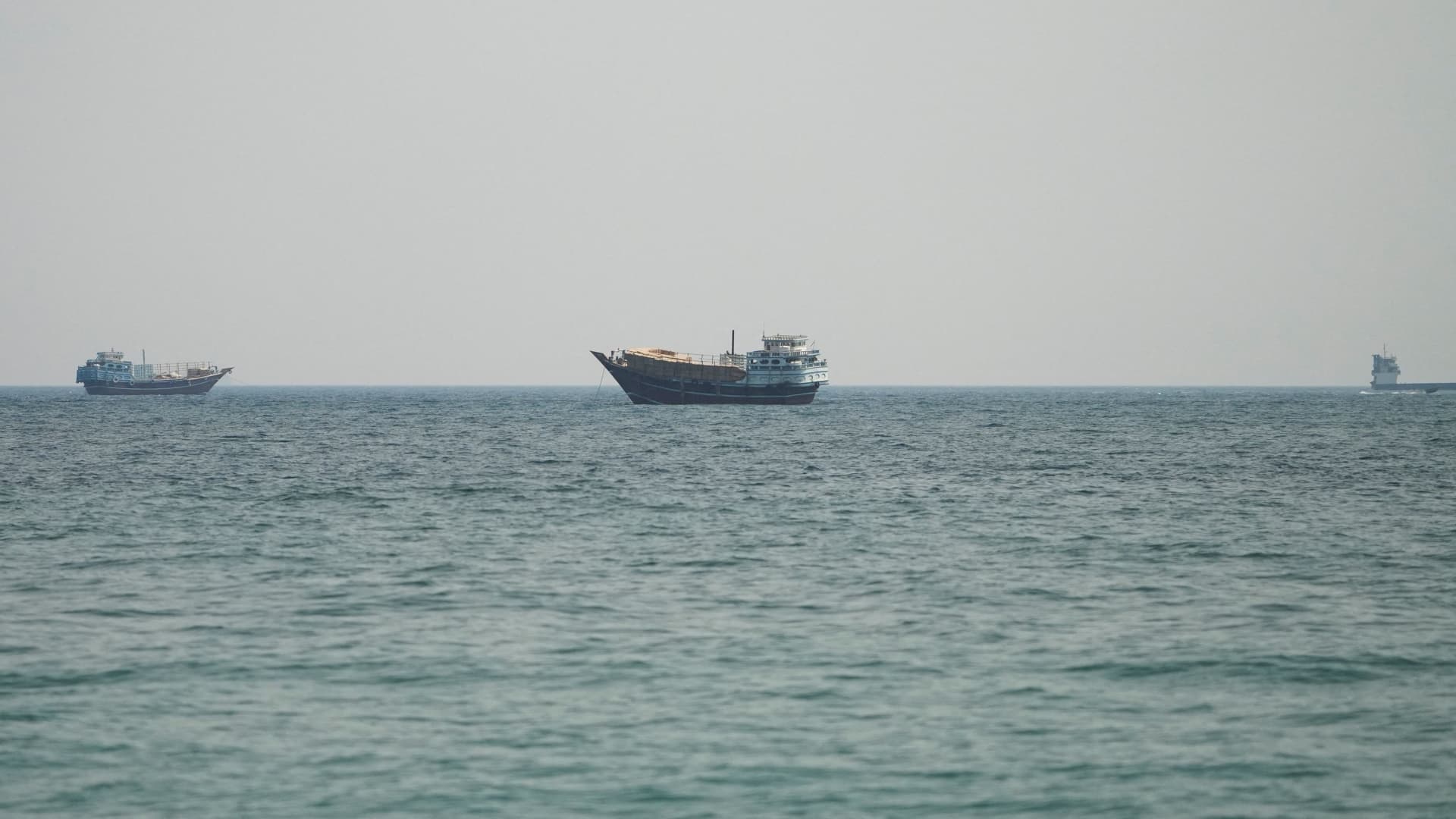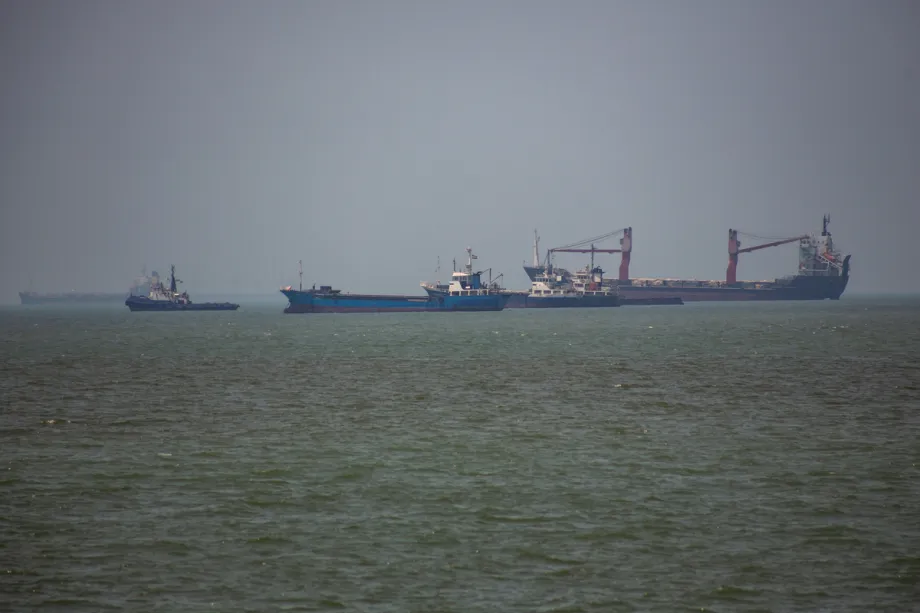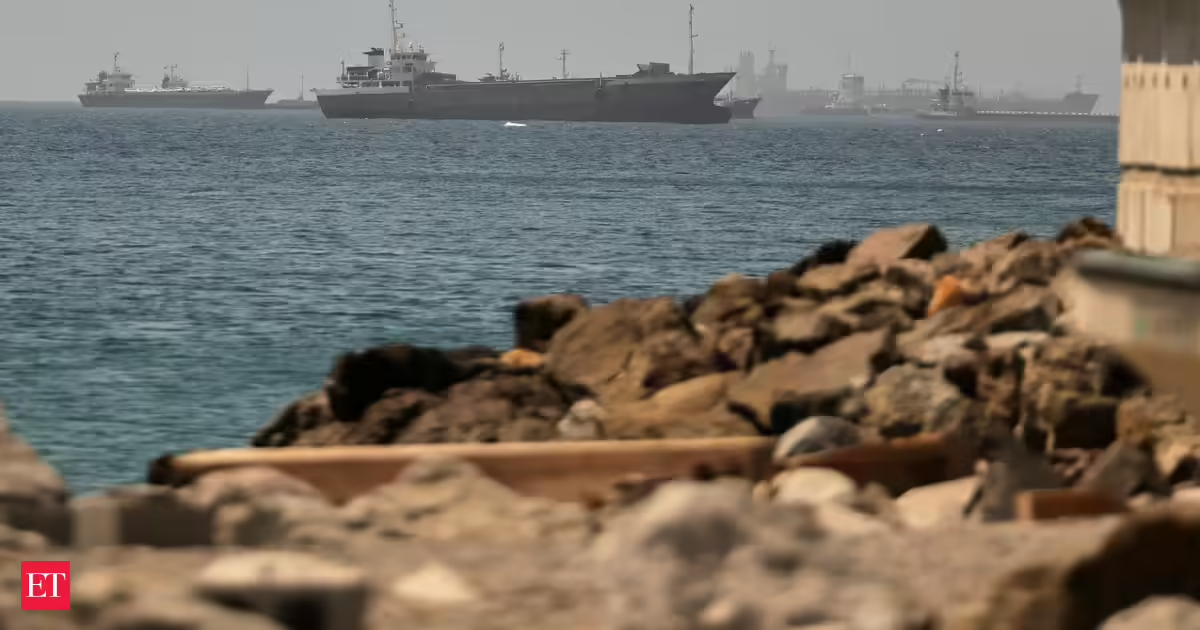
SynopsisFollowing renewed US-Iran fighting, observable ship traffic in the Strait of Hormuz has halted, replaced by vessels making secret "dark crossings" with transponders off. While the US claims pathways remain free, Iran demands transit permissions.APA growing number of ships have passed through the Strait of Hormuz in secret in recent days, while observable traffic has dwindled, following the resumption of fighting between the US and Iran, reported Bloomberg. All of the six commodity carriers that transited Hormuz on Sunday did so with their transponders turned off, according to preliminary Kpler data analysed by Bloomberg News. So-called "dark crossings" outnumbered observable passages for the previous three days.ALSO READ | Iran expands attacks on Gulf states after US strikes, says Strait of Hormuz closedThere were no ships seen passing through the strait early on Monday, according to ship-tracking data based on Automatic Identification System signals. But vessels in recent days have appeared on either side of Hormuz — in the Persian Gulf or the Gulf of Oman — after having last broadcast their locations from the other side, indicating that they transited Hormuz without turning on their transponders.Shipowners are increasingly switching off or limiting their tracking signals while transiting the Strait of Hormuz as the US and Iran trade retaliatory strikes and issue competing claims over control of the strategic waterway.ALSO READ | 'Iran does not control the strait': Trump, US military say Hormuz is open, 'traffic is flowing'Visible vessel movements through the US-backed southern shipping lane along Oman's coast have stopped entirely, with the last recorded transit on Wednesday. In contrast, a small number of ships continued to use the northern route designated by Iran through Saturday.The spate of Iranian attacks on vessels using the Omani corridor, including on some that had turned off their transponders, appears to have discouraged traffic on that route. The other option for shipowners is to take the northern passage, but that would expose them to costs imposed by Iran, as well as the risk of penalties from the US.Secret crossings of Hormuz first became common in mid-April, when the United Arab Emirates started moving its oil out of the Persian Gulf on tankers than had gone dark. It was a move that partially explained why the oil shortage during the war wasn’t as bad as had been anticipated in the early days of the conflict.Iran and the US, meanwhile, made differing declarations over the weekend on whether the strait was open to traffic. Tehran said that Hormuz transits would only be possible after obtaining permission from an Iranian entity, while the US Central Command stressed that there are still pathways open to ships looking to cross freely. Iranian forces have attacked four vessels in the past seven days, with all of those strikes happening on the northeastern side of Oman’s Musandam peninsula. Those locations indicate the ships likely went along a US-supported crossing along the Omani coast. The Islamic Revolutionary Guard Corps said Sunday night it intercepted two vessels it viewed as endangering shipping in the strait by proceeding along an “illegal route.”(With inputs from Bloomberg)Read More News on...moreless
Ships pass through Strait of Hormuz in secret as US and Iran trade strikes
Following renewed US-Iran fighting, observable ship traffic in the Strait of Hormuz has halted, replaced by vessels making secret "dark crossings" with transponders off. While the US claims pathways remain free, Iran demands transit permissions.
514 words~2 min read