How do we fix the housing crisis? Welcome to The i Paper’s opinion series, in which our writers share their experiences of the UK’s dysfunctional housing system and examine how we can fix it.
The cruel bargain of only being able to buy a house when a loved-one diesThe biggest lie I was told about owning my own homeThe UK’s new rental scandal that no one is talking aboutThe bizarre tricks estate agents are now using to sell a house There’s nothing attractive about being a landlord anymore
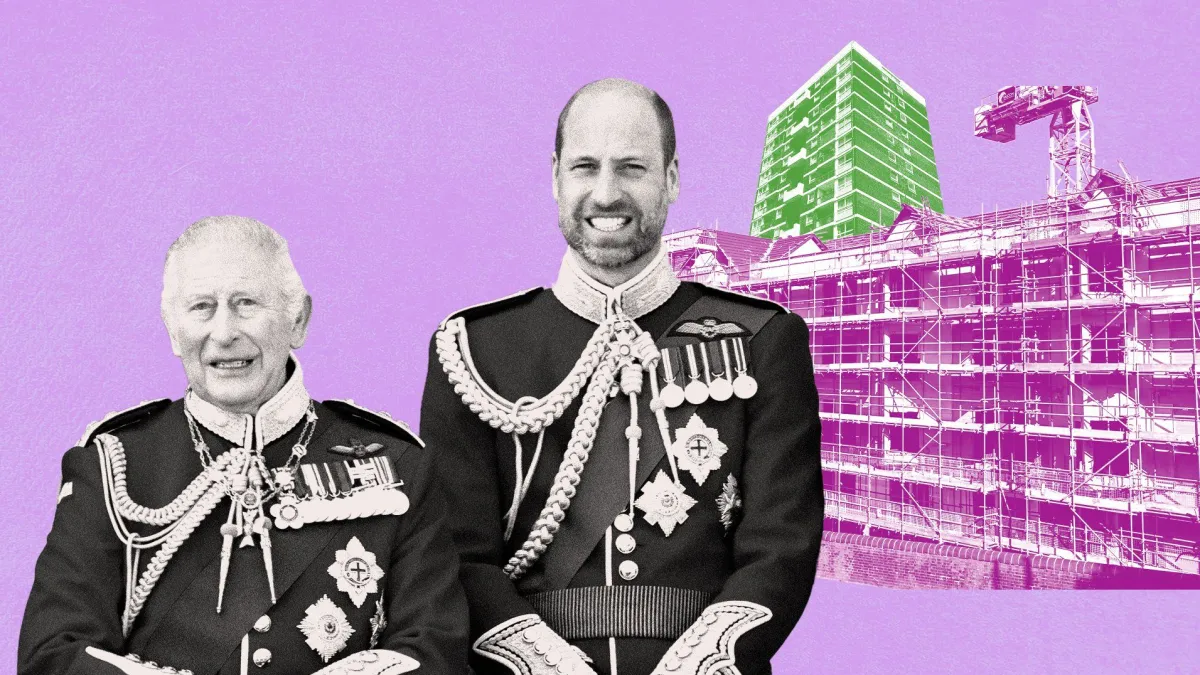
Prince William – or technically, the Duchy of Cornwall – owns some of the farmland surrounding the village I grew up in. Plumtree, in southeast Nottinghamshire, is pretty but not idyllic, with a main road cutting through it. But what if the scruffy cow field over our back fence was covered in houses? How would I feel then?
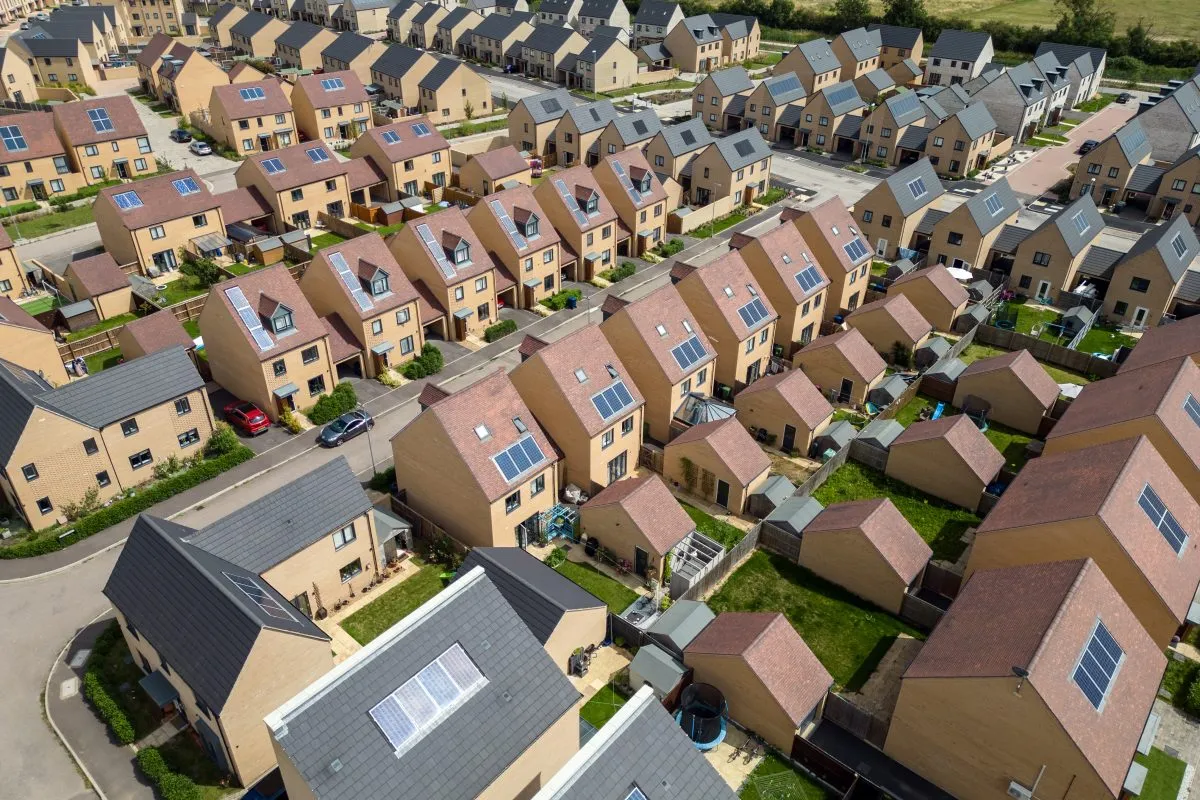
Having seen young mums raising children in squalid conditions as our housing costs crisis rages, I’m all for it. Plumtree is a 20-minute drive into the city centre and half that into the suburbs. The fast-flowing Melton Road connects the M1 and this cluster of villages to Nottingham. It is a rural area well-placed for development that could certainly handle more homes.
Nottinghamshire is not at the epicentre of the UK’s housing affordability crisis. In London, house prices are 10.6 times earnings and the average deposit for a first-time buyer was £130,000 in the year to March. Knight Frank is selling a £13.75m, seven-bedroom townhouse on Elgin Crescent in Kensington with access to Rosemead Gardens (as featured in the film Notting Hill). This trophy home is just a few streets from the semi-demolished, chard skeleton of Grenfell Tower.