With the High Seas Treaty in force, African proposals to designate marine protected areas in international waters are taking shape.Maritime security expert David Willima talks about why the West African marine protected area proposal is advanced and why others still require careful coordination.Willima says that with the current transformation marine governance is going through, African countries need to be actively engaged in order to have a voice in global decision-making.
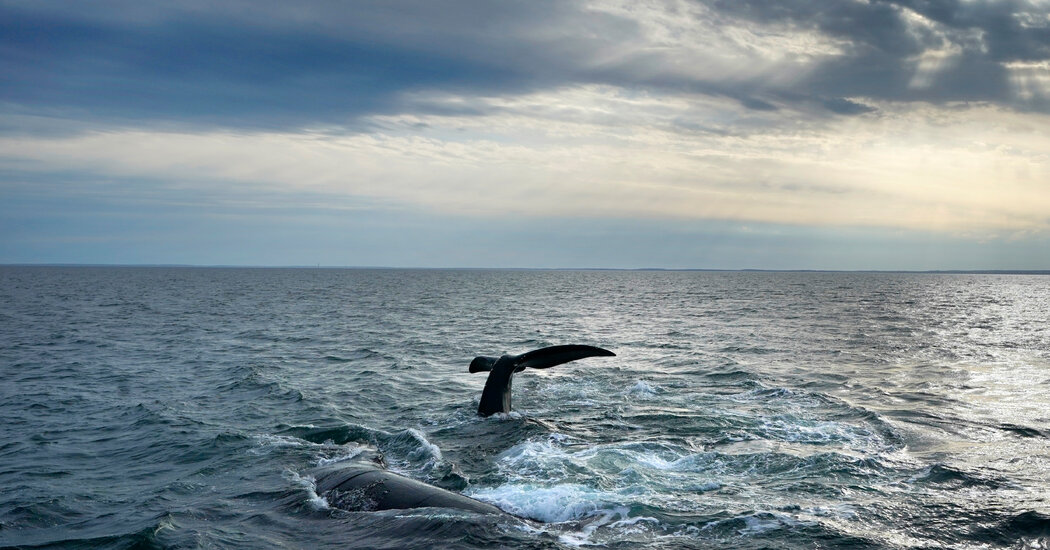
Earlier this year, the Biodiversity Beyond National Jurisdiction Agreement, better known as the High Seas Treaty, entered into force, paving the way for protecting marine life in international waters. Countries in Latin America and West Africa are pushing to finalize proposals to establish their first marine protected areas, or MPAs, in the high seas. Still, much about the practical implementation of the BBNJ treaty, as it’s also known, remains unclear: How are high seas protected areas going to be enforced? Who will be responsible? How they will interact with existing structures of marine governance?
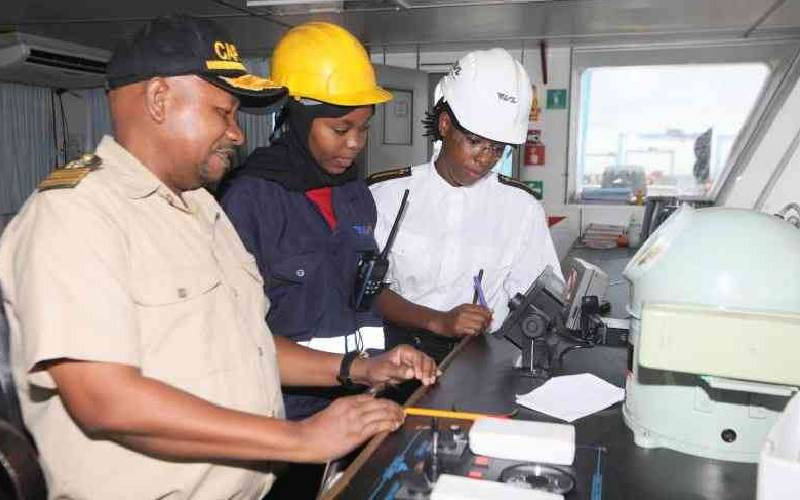
David Willima, maritime researcher at the Institute for Security Studies (ISS) in Pretoria, South Africa, routinely deals with such questions. Part of the ISS’s Climate Risk and Human Security Project, he focuses on maritime security, ocean governance, and the blue economy, working with governments, the African Union (AU), and other stakeholders to improve their capacity to deal with maritime issues. Willima started engaging more closely with BBNJ-related issues in 2022 and has since been involved in creating awareness and capacity building around the High Seas Treaty. More recently, he has supported the IUCN, the global nature conservation authority, in engaging with countries and the AU specifically in the Western Indian Ocean region.