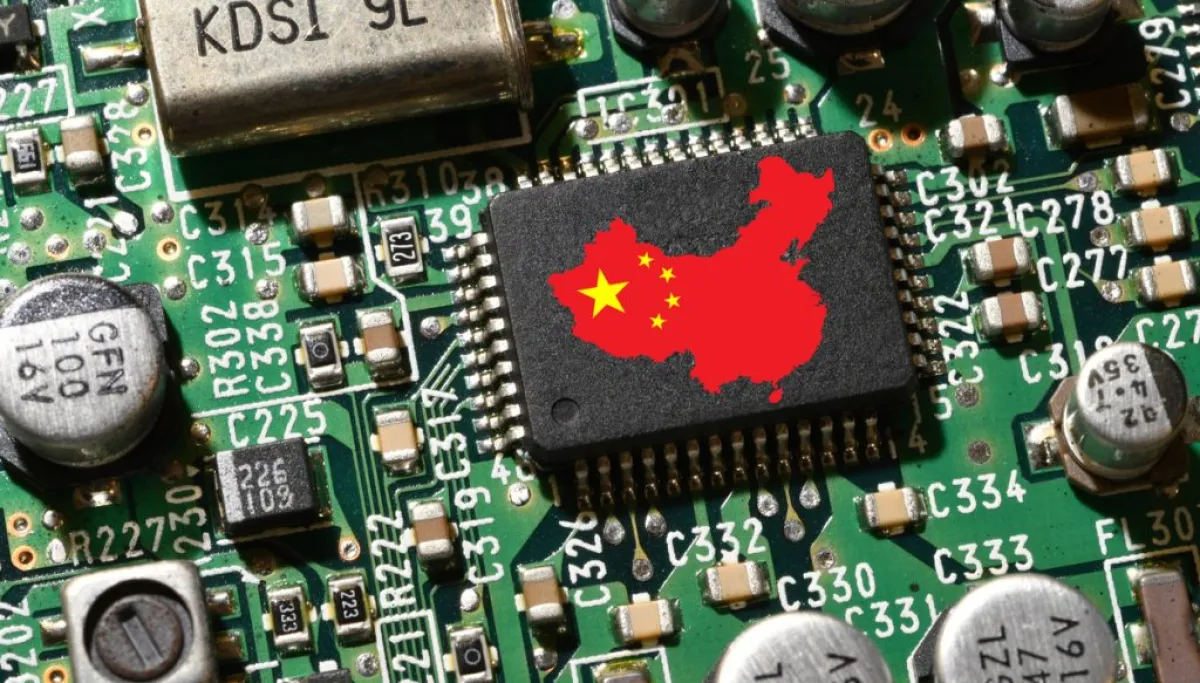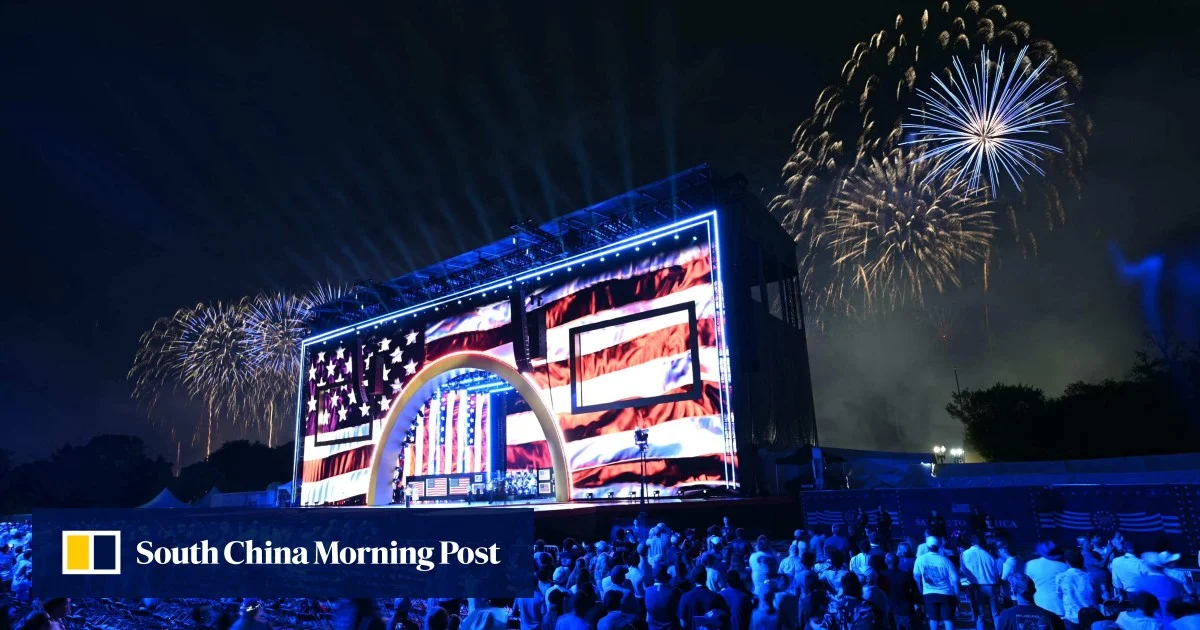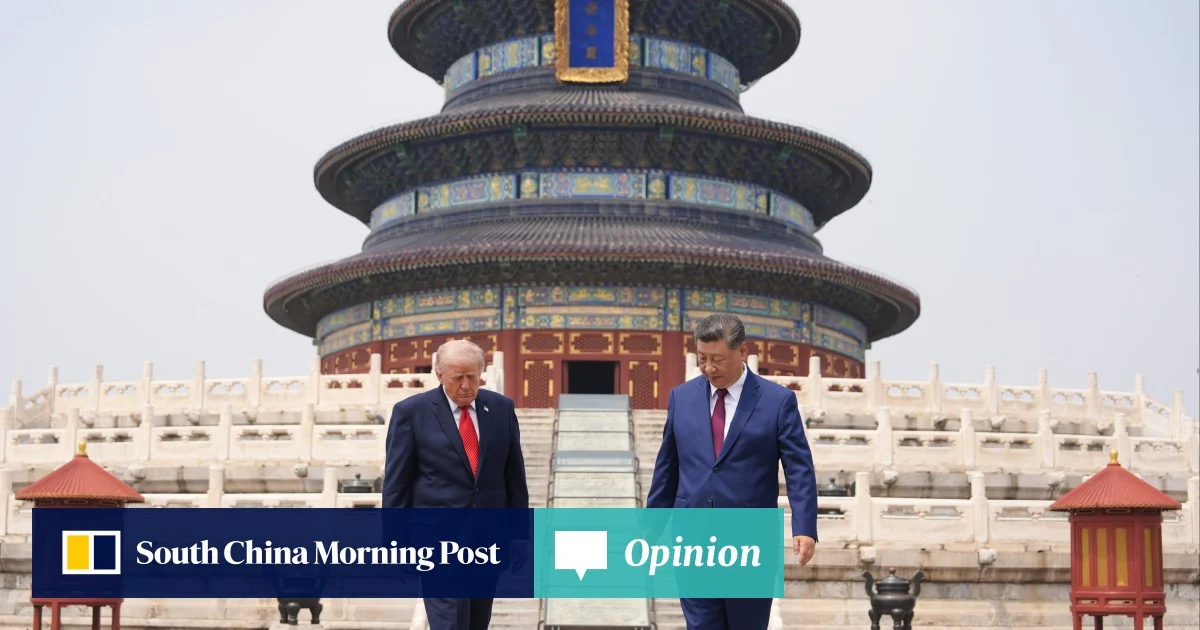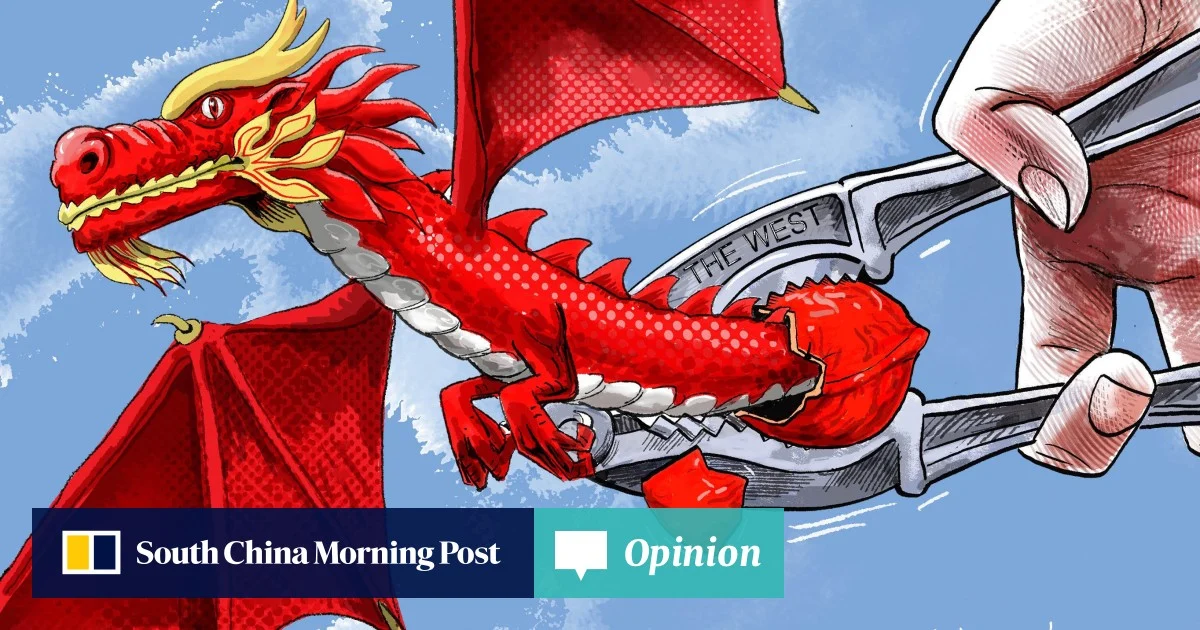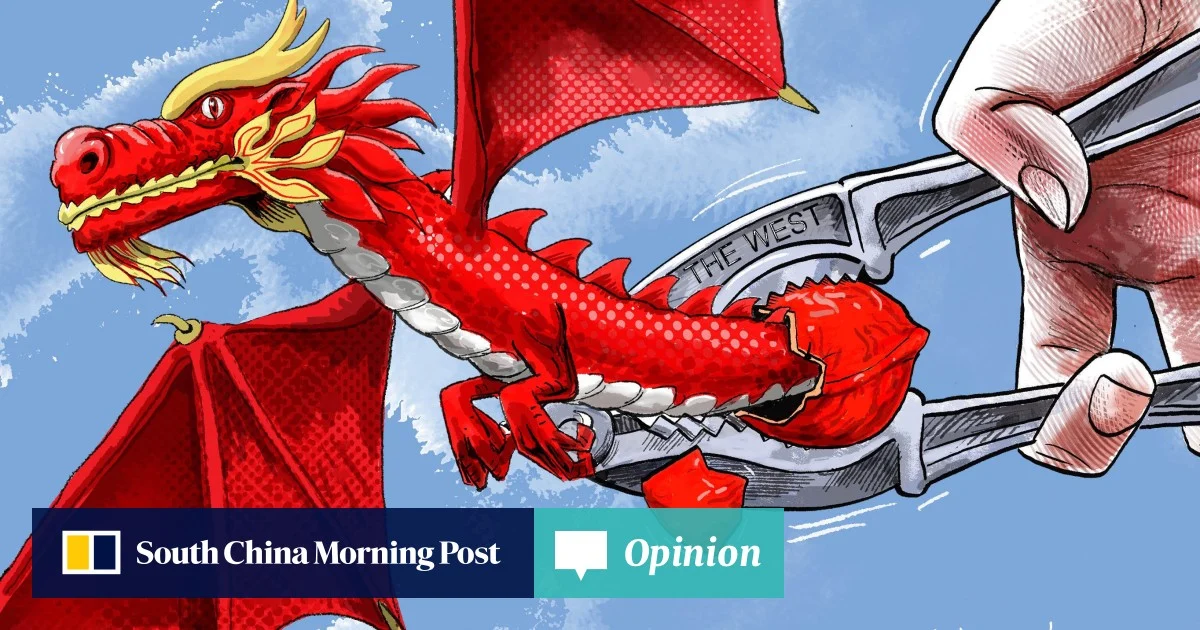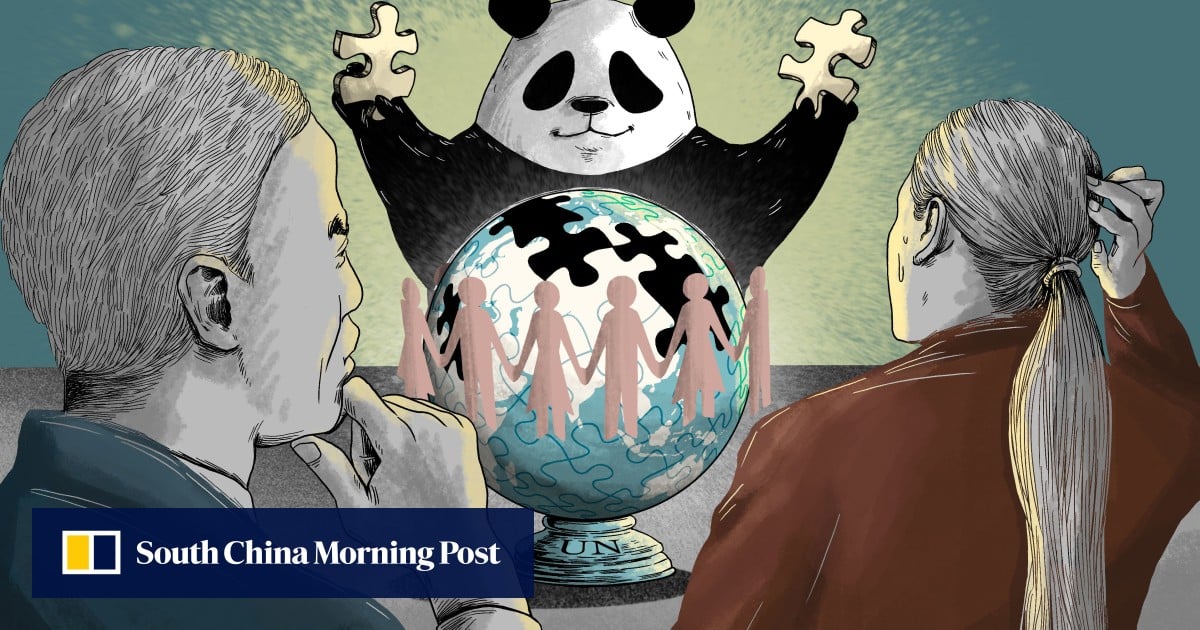
China is such a giant player in the global economy that we must understand how the United States-China “contest of the century” for international primacy will evolve. Westerners, especially Americans, feel so threatened that protectionism, preparing for World War III and global fragmentation are already in the cards.Kishore Mahbubani’s pathbreaking 2020 book, Has China Won?, articulated deep misunderstandings between China and the US, concluding with the paradox that a clash is both inevitable and avoidable.
However powerful America may be, it appears to be taking on four fronts simultaneously: China, the Middle East, Russia/Europe and its own fiscal dilemma of fighting for hegemony using borrowed money. Financial Times columnist Martin Wolf documents with great insight how, “on the eve of the 250th anniversary of her founding, America and the world order it created are in crisis”.
At the heart of America’s quandaries in dealing with China is the unfortunately shallow understanding of China’s complexity and its civilizational mindset, honed from 2,500 years of dealing with both severe internal and external stresses.
China has the oldest surviving bureaucracy in the world, which is too simplistic to classify as Stalin-Leninist or inflexible, centralized decision-making.