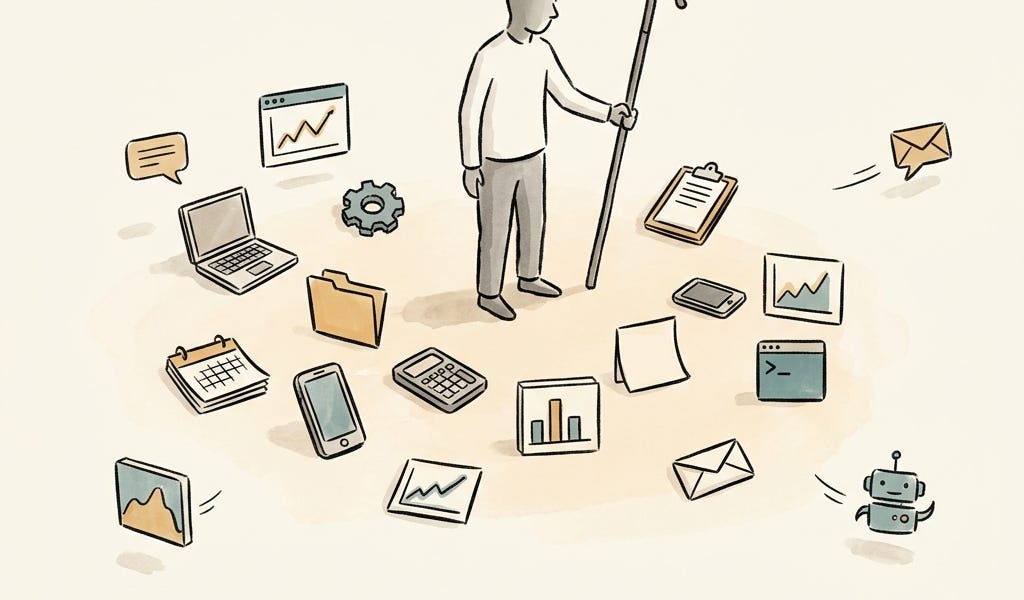
Internal tools — the dashboards, admin panels, data management interfaces, and operational workflows that your team uses to run the business — are historically among the most under-resourced software in any company. Engineering teams prioritize customer-facing features; internal tooling gets built quickly, badly, or not at all. The result is operations teams working in spreadsheets, customer support agents copying data between three browser tabs, and business processes that scale with headcount instead of automation.
In 2026, building internal tools without engineering resources has become genuinely viable. The key distinction is between tools that serve different internal tool categories: builders for custom interactive applications (where teams need specific UI and business logic), BI tools for data visualization from existing databases, automation tools for connecting operational workflows across systems, and data management tools for viewing and editing records directly.
The difference between AI coding and no-code platforms matters particularly for internal tools: if the tool is maintained by a technical team that already codes, Retool or Appsmith (low-code with JavaScript) may be right. If the tool is maintained by an operations team with no developer, the right builder is visual throughout.