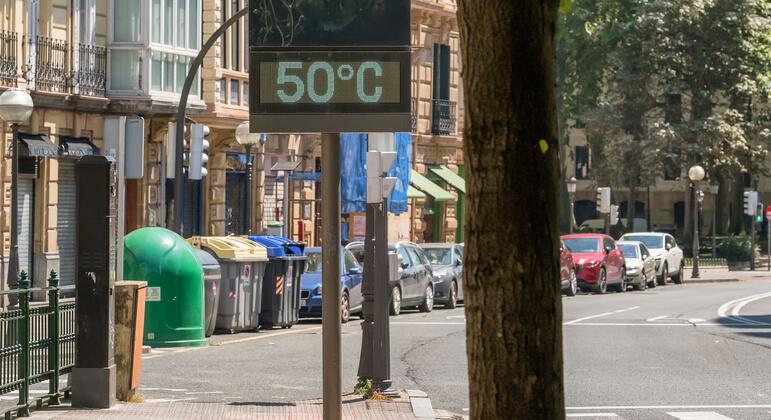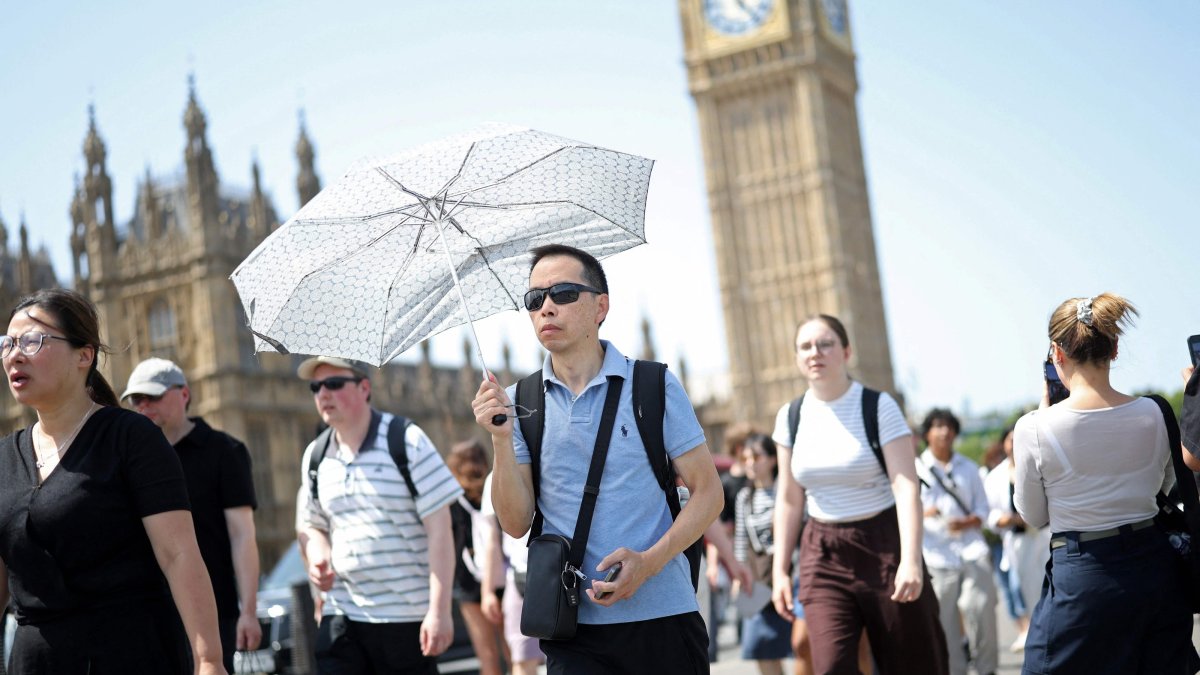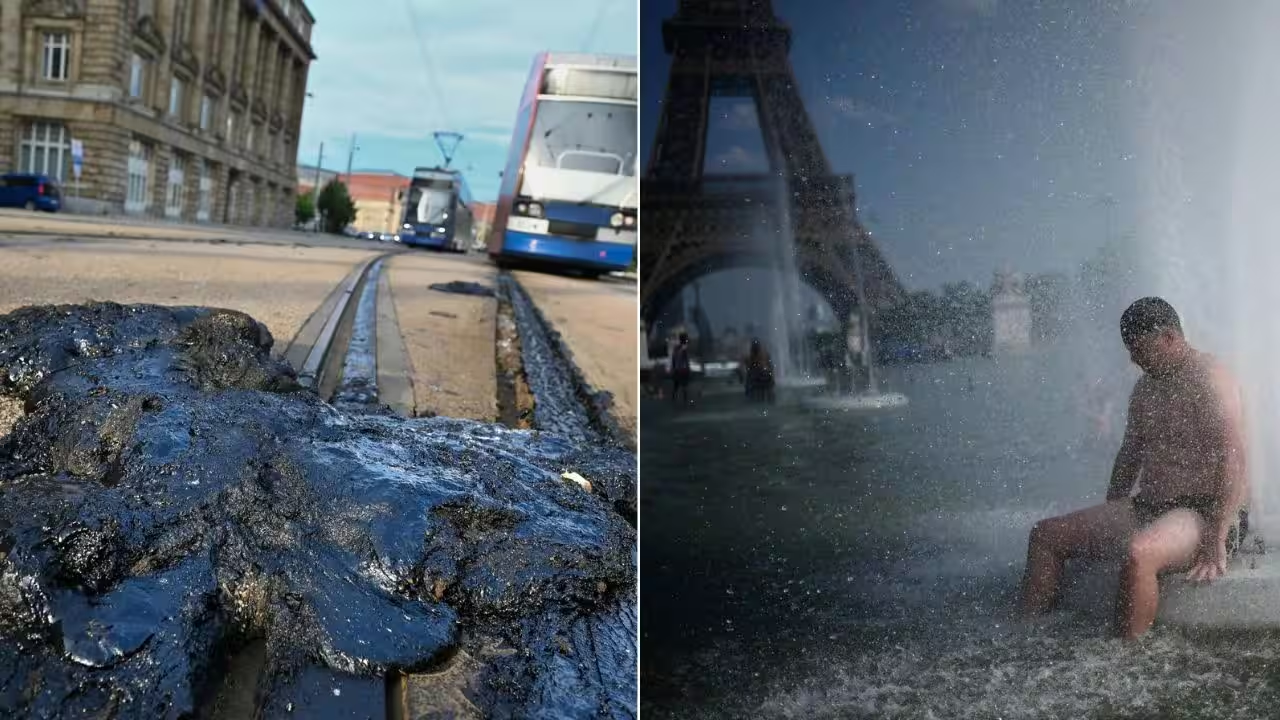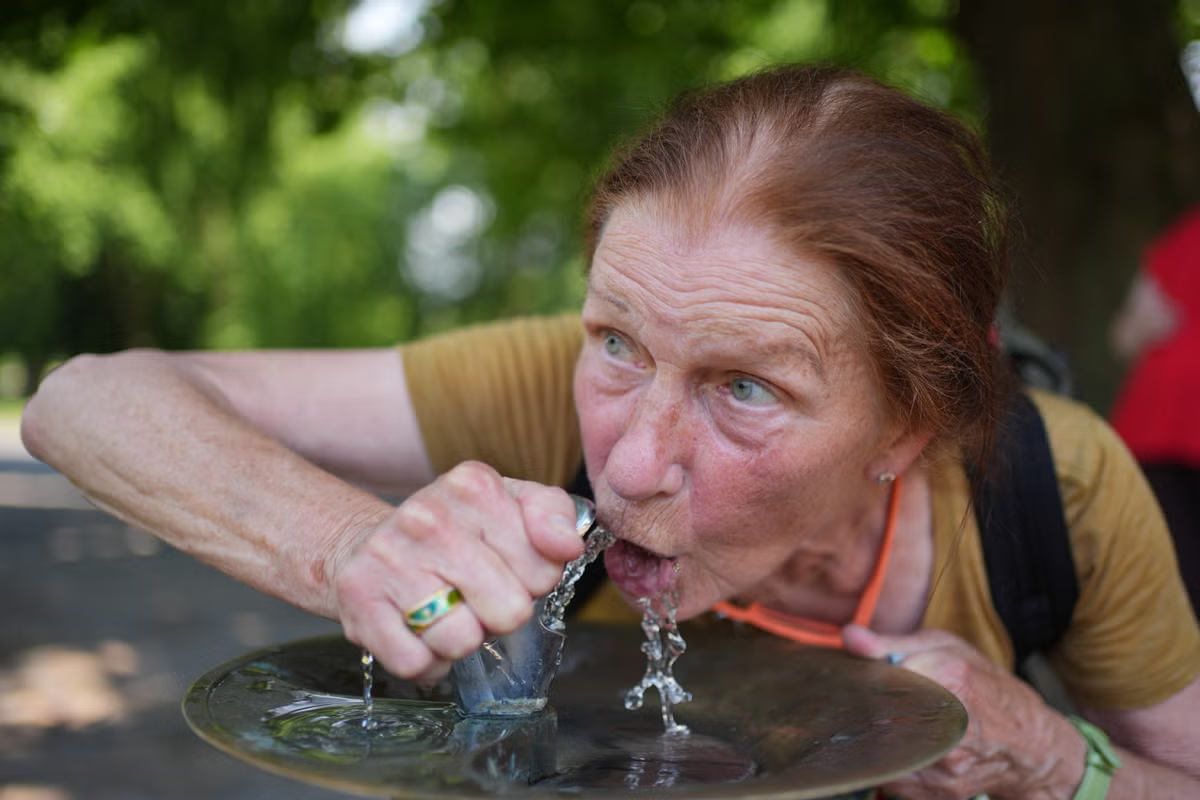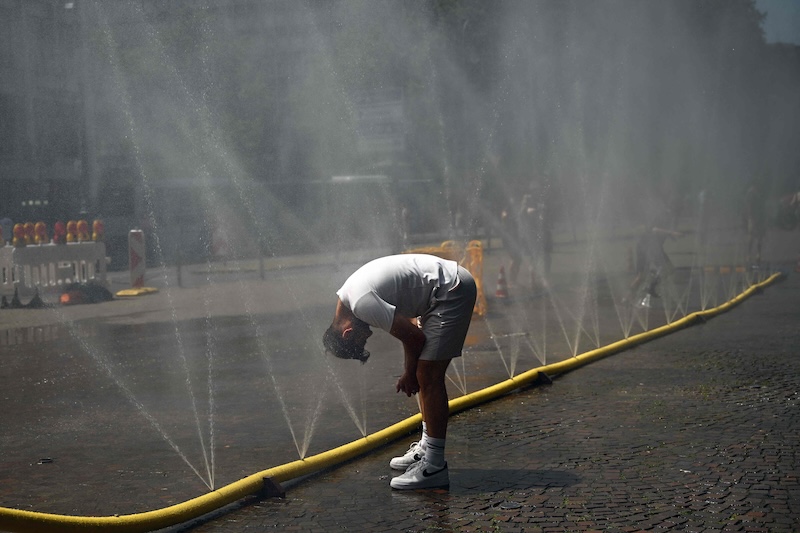
The World Health Organisation (WHO) has said more than 1,300 excess deaths were recorded in Europe for the week ending June 28th – linked to the record-breaking heatwave that roasted much of the Continent.Europe is now the fastest-warming continent on Earth, heating at twice the global average. “Heat stress is often called the ‘silent killer’ – and European homes, workplaces and schools were not built for these temperatures,” WHO chief Tedros Adhanom Ghebreyesus said.Heat stress is a leading cause of weather-related deaths and can exacerbate underlying illnesses, including cardiovascular disease, diabetes, mental illnesses and asthma. People living in urban areas are especially prone to heat stress. Ambient temperatures in densely populated areas can be as much as 12 degrees hotter than the surrounding countryside. Roads and buildings absorb and retain heat better than natural landscapes such as grass and woodland, leading to the development of urban ‘heat islands’.Older people and those with underlying health conditions are particularly at risk for heat stress. If you are someone with heart, lung, kidney or metabolic conditions, you need to take extra care during extremely hot weather.How does the heart respond to extremes of heat?Firstly, it has to work harder to enable the body’s cooling processes to function. The heart beats at up to 10 beats per minute more quickly for every one degree rise in ambient temperature. Much of this additional effort is aimed at bringing blood to the surface of the skin in order for it to cool down. Blood flow to the skin is increased to between six and eight litres per minute. For someone with coronary artery disease, even mild exertion during hot weather can precipitate chest pain as the heart is forced into overdrive. If you are someone with a heart arrhythmia – in particular atrial fibrillation- you are at an increased risk of problems during hot weather. Research suggests that for each one degree temperature increase, there is a 2.1 per cent rise in deaths from arrhythmias and other heart conditions. And the effect of heat on the cardiovascular system can even be seen for three to four days after temperatures have fallen.If you have a respiratory condition such as asthma or chronic obstructive pulmonary disease, extremes of heat can aggravate these. Hot weather increases the presence of allergens and particulate matter in the air, which can inflame the lungs. Studies have shown that a single degree increase in indoor temperatures can worsen symptoms and cause a decline in lung function. As a result, metrics such as the use of rescue medication and hospitalisation rise for people with asthma.[ Heatwave health risks: From dehydration to heat strokeOpens in new window ]It is easy to become dehydrated during hot weather. This puts additional strain on kidney function as thicker blood makes it harder for the kidneys to filter waste. Kidney stones become more common during extremes of heat.People with diabetes are also at increased risk of heat-related illnesses. One British study found the number of those with type-two diabetes needing healthcare increases for every degree temperature increase that occurs over a 22-degree threshold.What can we do to combat the health effects of extreme heat?Drinking additional fluid – ideally water- is key. Avoid alcohol and caffeinated drinks as these can cause further dehydration. We can also replenish electrolytes lost from sweating by eating watermelon and bananas.Avoid sitting in the sun, especially during the hottest part of the day, and seek out shaded areas or even air-conditioned buildings if there are any nearby. Be careful of strenuous activity as this generates additional heat for the body to dissipate. Wear loose clothing which makes it easier for the warm air nearest our bodies to escape.Placing a cold flannel on your forehead or the back of your neck helps dissipate heat as well as being comforting. And you may find it helpful to place your feet in a bucket of cold or lukewarm water. mhouston@irishtimes.com
What can we do to combat the health effects of extreme heat?
Dr Muiris Houston: Be careful of strenuous activity as this generates additional heat for the body to dissipate
652 words~3 min read