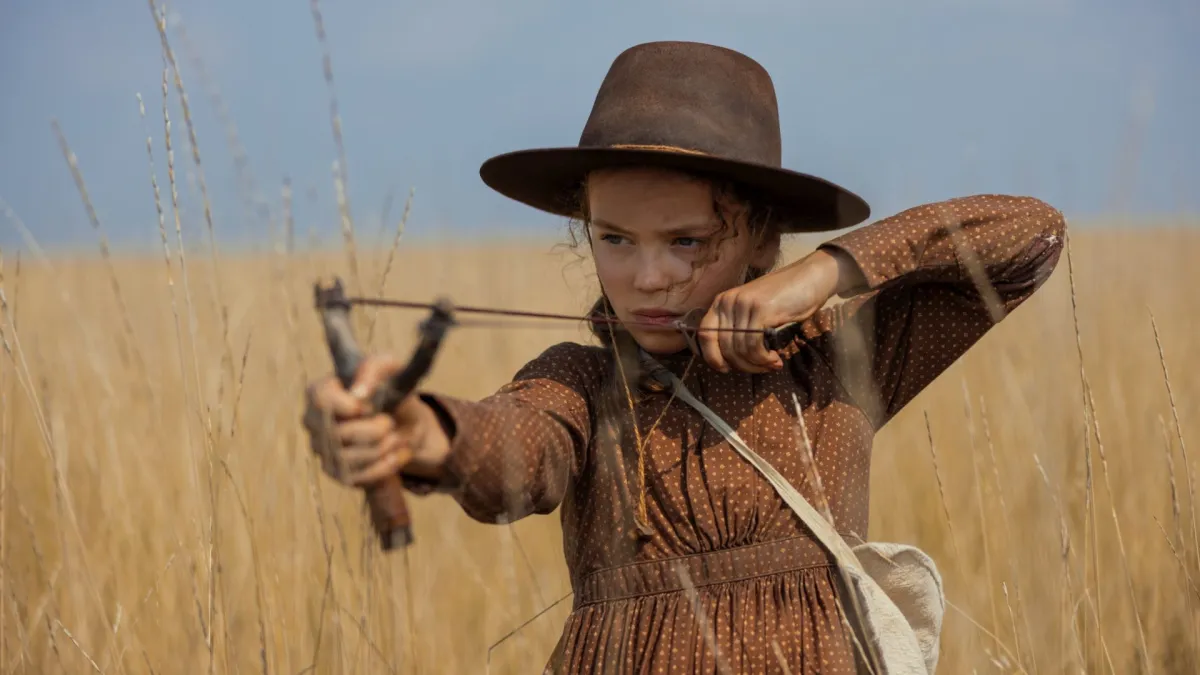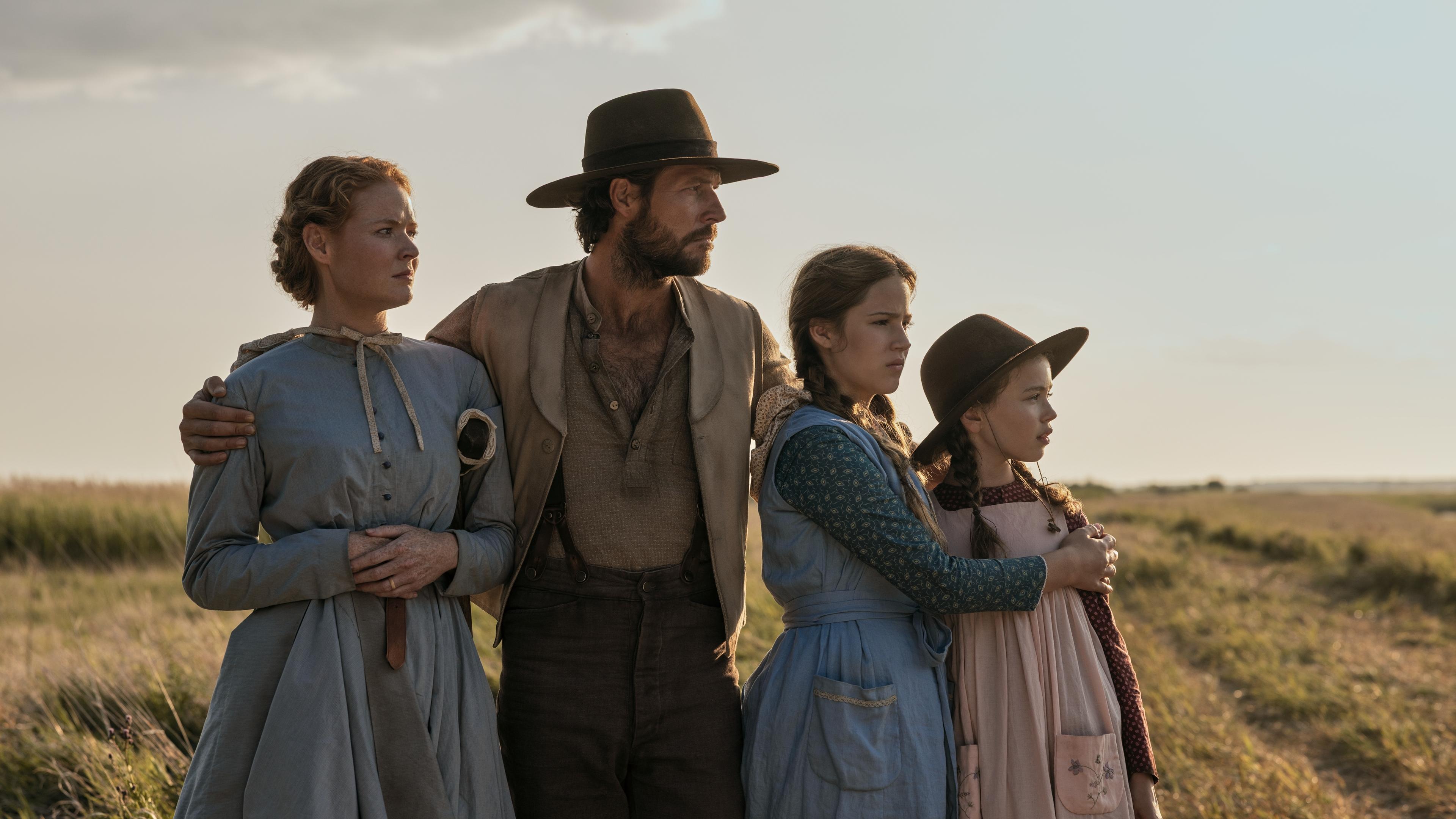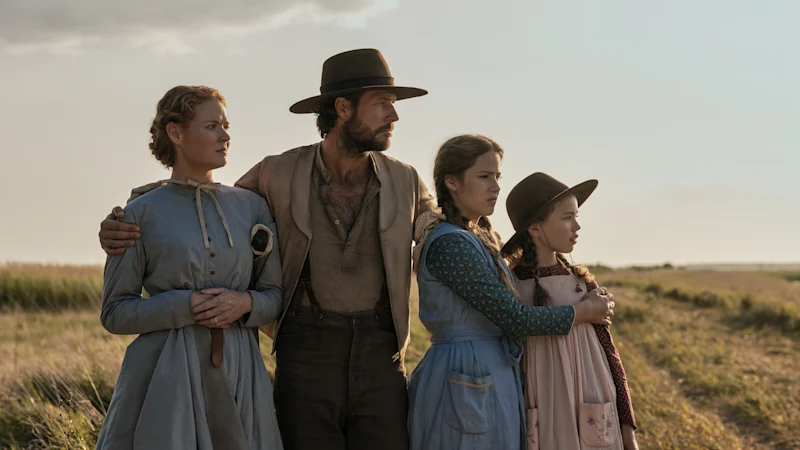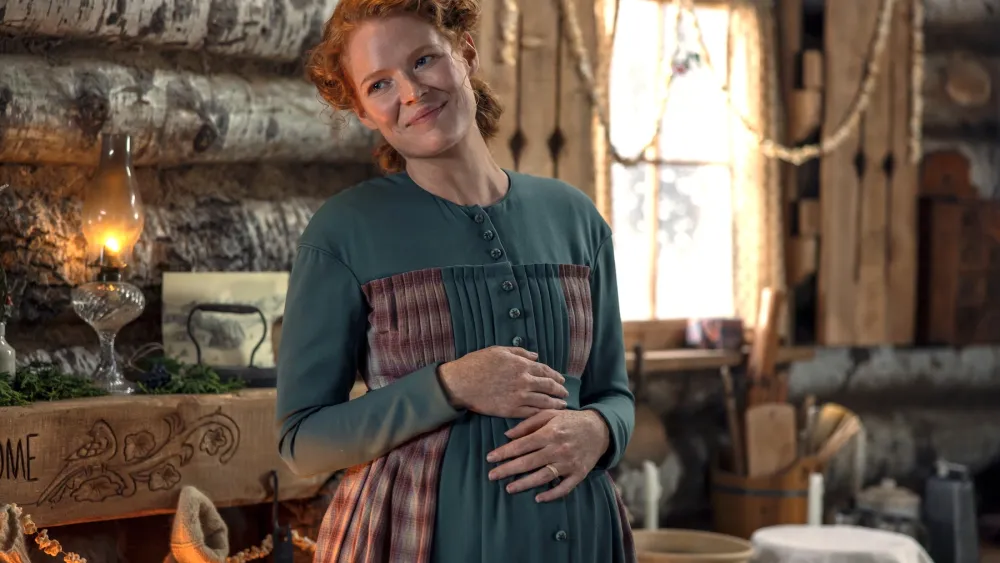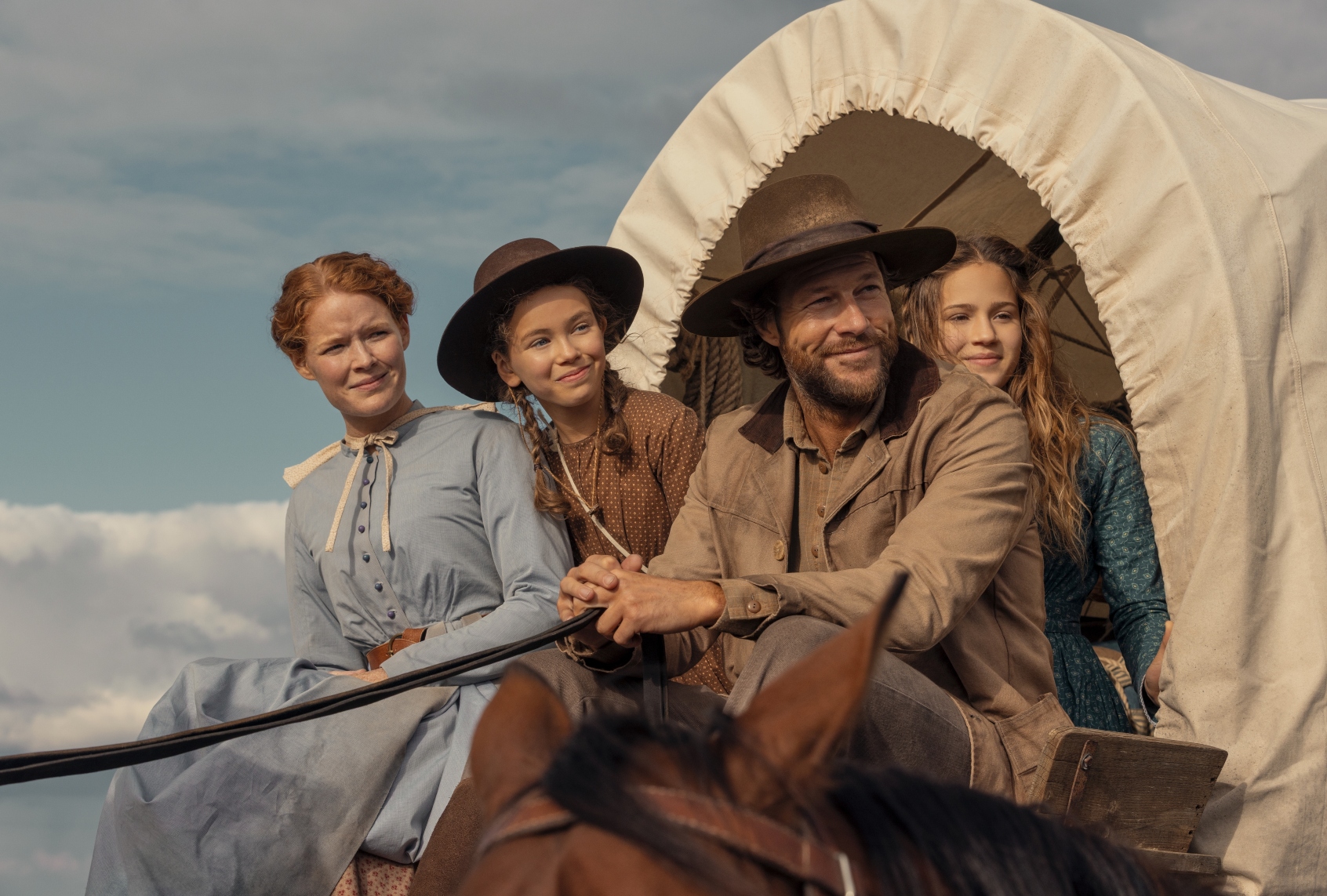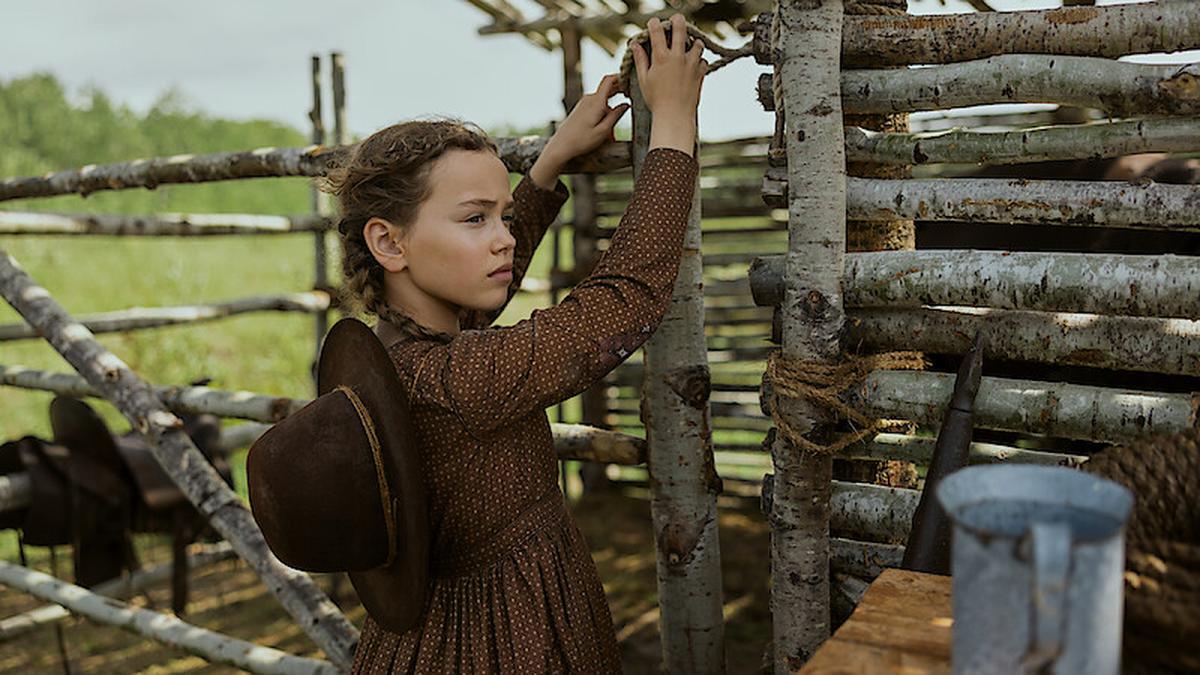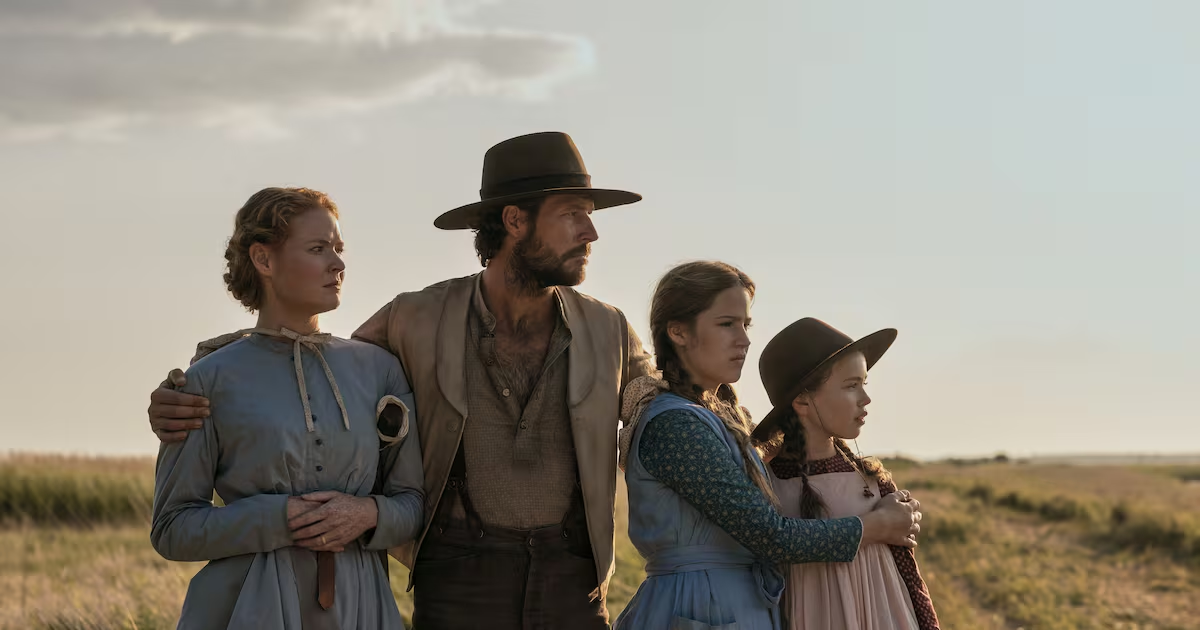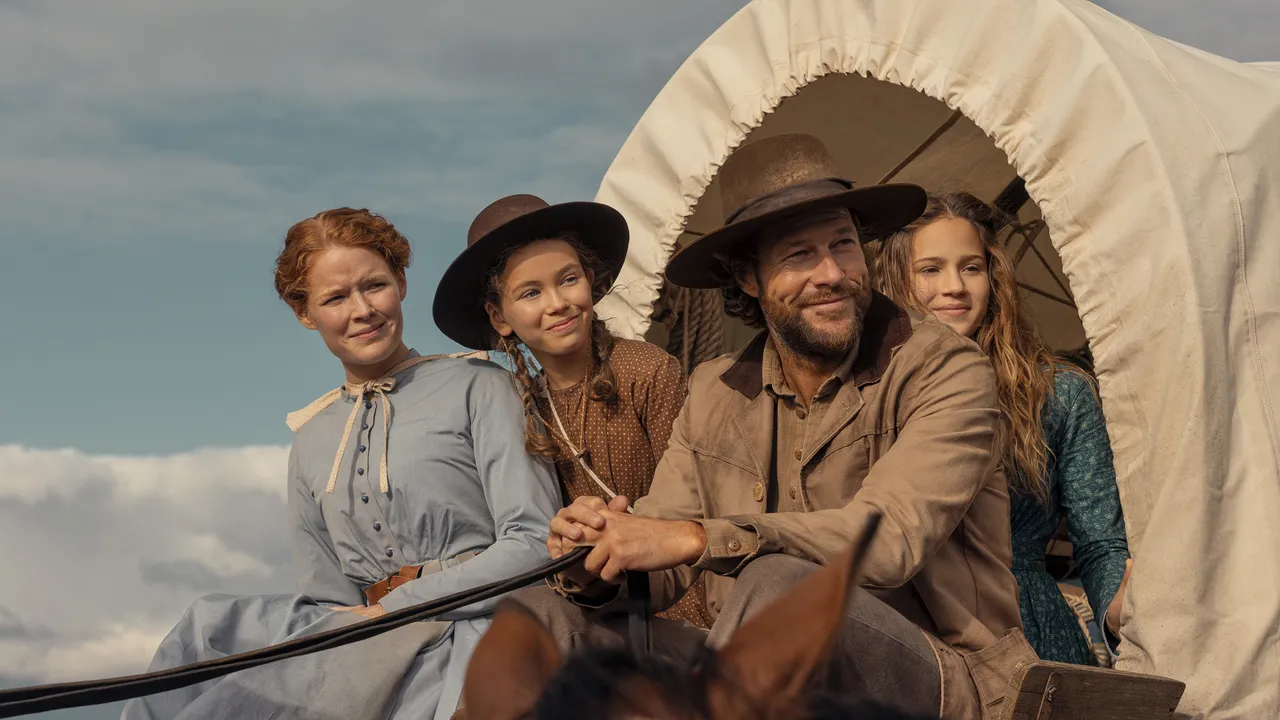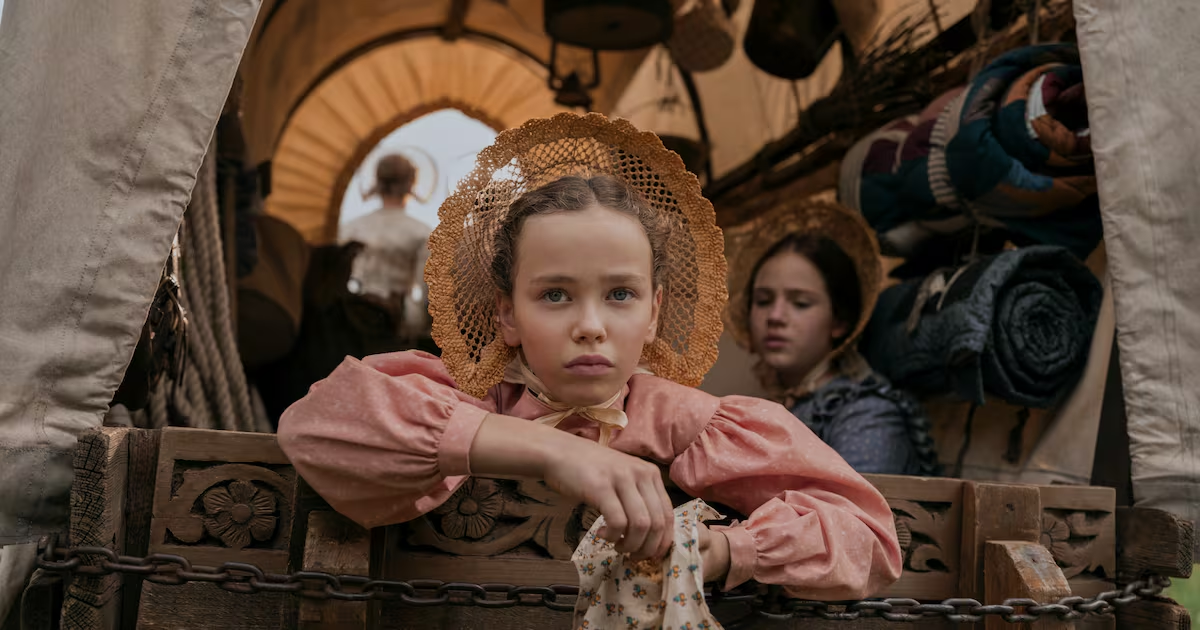
There’s a new dramatisation of Little House on the Prairie on Netflix. I never saw the last one, because I grew up mostly without television and as an adult I was too squeamish about the novels’ politics.I was officially a “late” reader, labelled “retarded” by my first primary schoolteacher. But once I started, at the great age of six – earlier than anyone would have tried to teach me in most European countries – my appetite for fiction was voracious. Reading is the only hunger I have always been able to meet generously. For the adults around me, reading wasn’t the act of virtue it is now. A child reading was evading useful activity, indulging herself in idle fantasy at the cost of real life, revelling in unrealistic expectations and falsehoods.[ Hard truths behind Laura Ingalls Wilder’s Little House on the PrairieOpens in new window ]I read everything from the Chalet School series to Jane Eyre, focusing – I see now – on girls’ experiences. Consuming two or three books a day, rereading constantly, I liked a series, and I liked the gentle pace and complex prose of 19th- and earlier 20th-century writing. Growing up in an unpredictable household, I enjoyed fictional domestic routines, but growing up hiking and travelling a lot, I also liked landscape, adversity and exertion.The “Laura books” had it all: a secure, loving family where the parents made it their business to meet the children’s needs, plenty of wilderness and natural beauty as they made their way west and west again in a covered wagon. Like me, though for different reasons, Laura was independent early in life, and like me she loved to read and write, had understood that studying was the way out of scarcity and dependence. Unlike many heroines of children’s fiction, Laura was sturdy, strong and dark-haired, frequently annoyed by her blonde, slender, compliant older sister Mary. It was hard not to feel, on behalf of energetic plain girls everywhere, that there was some justice in pretty, good girl Mary going blind after measles. Laura stood up to bullies. Laura knew how to survive a blizzard. Laura resisted Ma’s attempts to put her into a corset at 14. The Wild West, for Laura, was a space for (some) resistance and liberation.But no one is free until everyone is free. I returned to the series when my own kids were primary-aged and we read out loud every day. This time the books looked different. There were sentences I wasn’t willing to speak, didn’t want my kids to hear. I improvised: “It is terrible, Ma said, that our future here comes by destroying civilisations older than Europe. I hope soon we will learn from the Native Americans how to live peacefully together on this land.”Both kids could read well enough. “That’s not what it says, Mum.”No, I said, that’s more what it should say.I was a professor of 19th-century literature. I knew the arguments. Okay, I said, so these books are politically wrong, but they’re also well written. Laura’s family is a small part of a continentwide genocide (and ecocide, I might have added), and the story helps us to understand how ordinary people end up participating in indefensible acts. What does Pa think about the world?As some readers will know, and my kids, in age-appropriate ways, remarked, Pa is a right-wing nationalist whose demented ideas about independence and self-reliance repeatedly bring his family into jeopardy. He’d rather walk 60km each way through blizzards to buy nails than be “beholden” to a neighbour. Farm after farm fails and the family suffers through the prairie climate because he won’t adapt to local conditions. Meanwhile, Ma dresses herself and her daughters in Victorian fashion that is uncomfortable in temperate cities and dangerously intolerable in midwestern heat and cold.[ Little House on the Prairie on Netflix: This gritty take on Laura Ingalls’ memoirs is no nostalgia bingeOpens in new window ]Right, I said, so that’s the kind of thinking that destroys humanity and the planet. How could Pa and Ma have thought and acted differently if they wanted everyone to be safe and free?The obvious answer to that is that Ma’s parents would have stayed in Scotland and Pa’s wherever they came from, and the Norwegian neighbours would have stayed in Norway, etc. But there were famines around the North Atlantic in the mid-19th century. During the Highland Clearances, some Scottish landowners used soldiers and hunting dogs to drive crofters on to ships for America. We all know why the “wretched refuse” of Europe’s “teeming shore” went west, but even now there is little inclination to remember that in doing so they were, like the other huddled masses yearning to breathe free, participating in the settler colonialism uneasily celebrated in these books.
Sarah Moss: Little House on the Prairie makes for uneasy reading as an adult
These books are politically wrong, but they’re also well written
794 words~4 min read