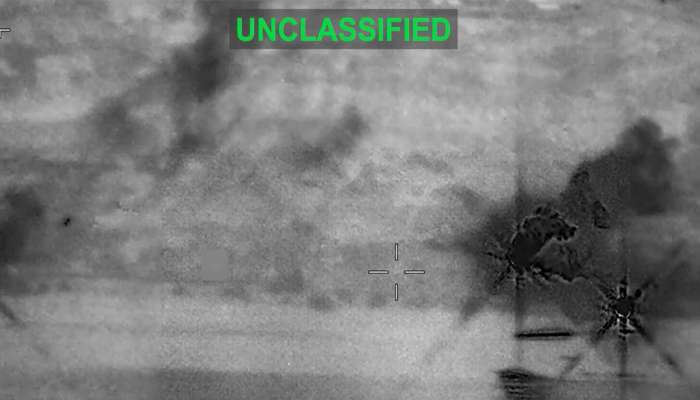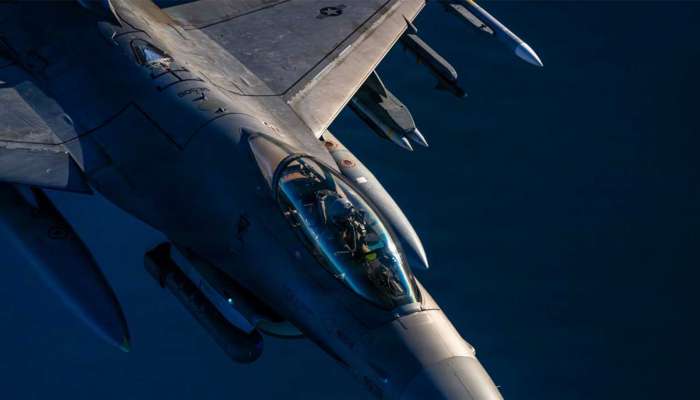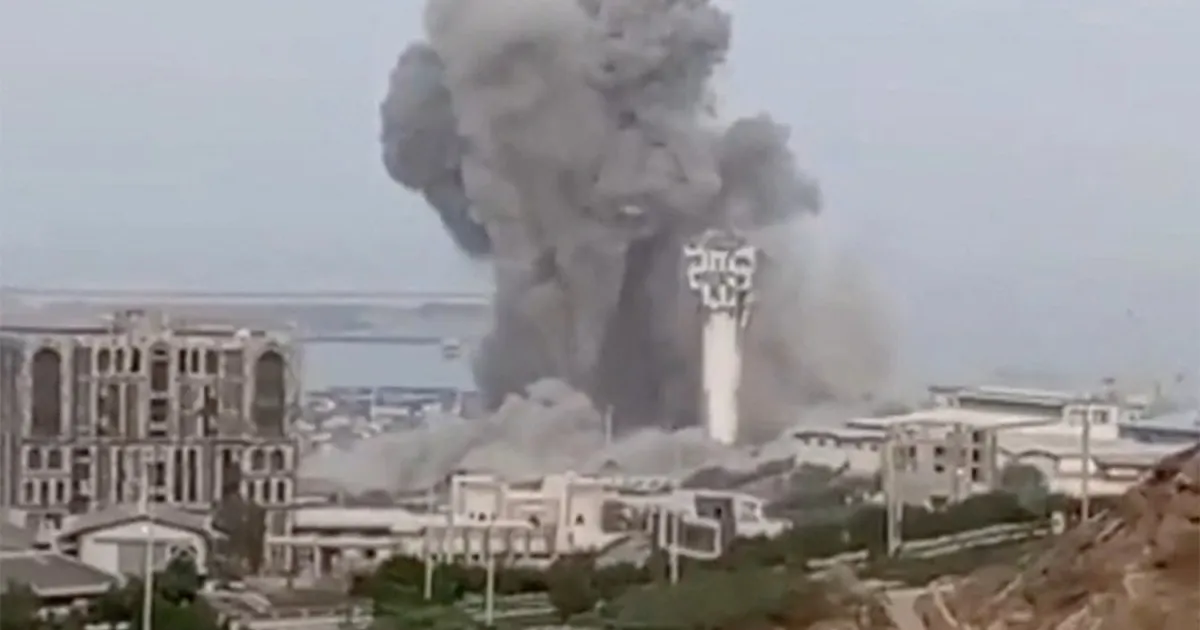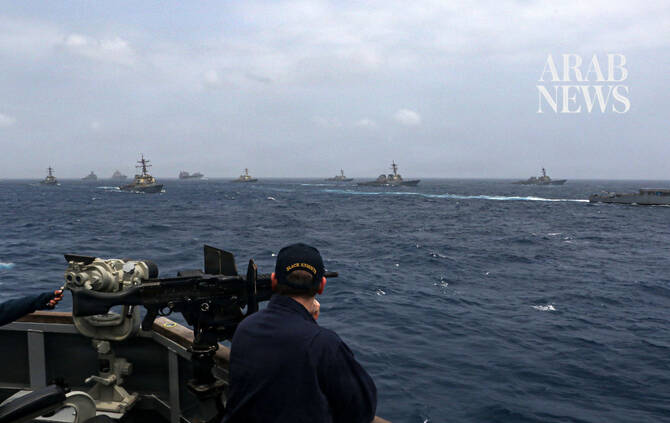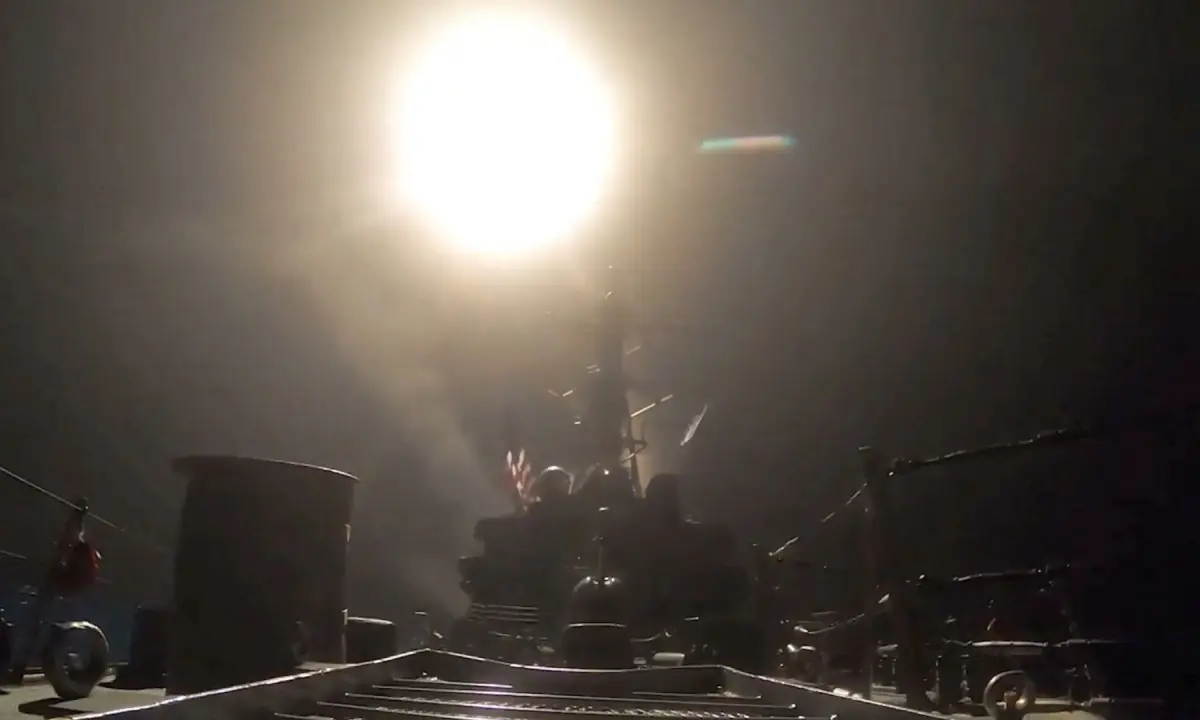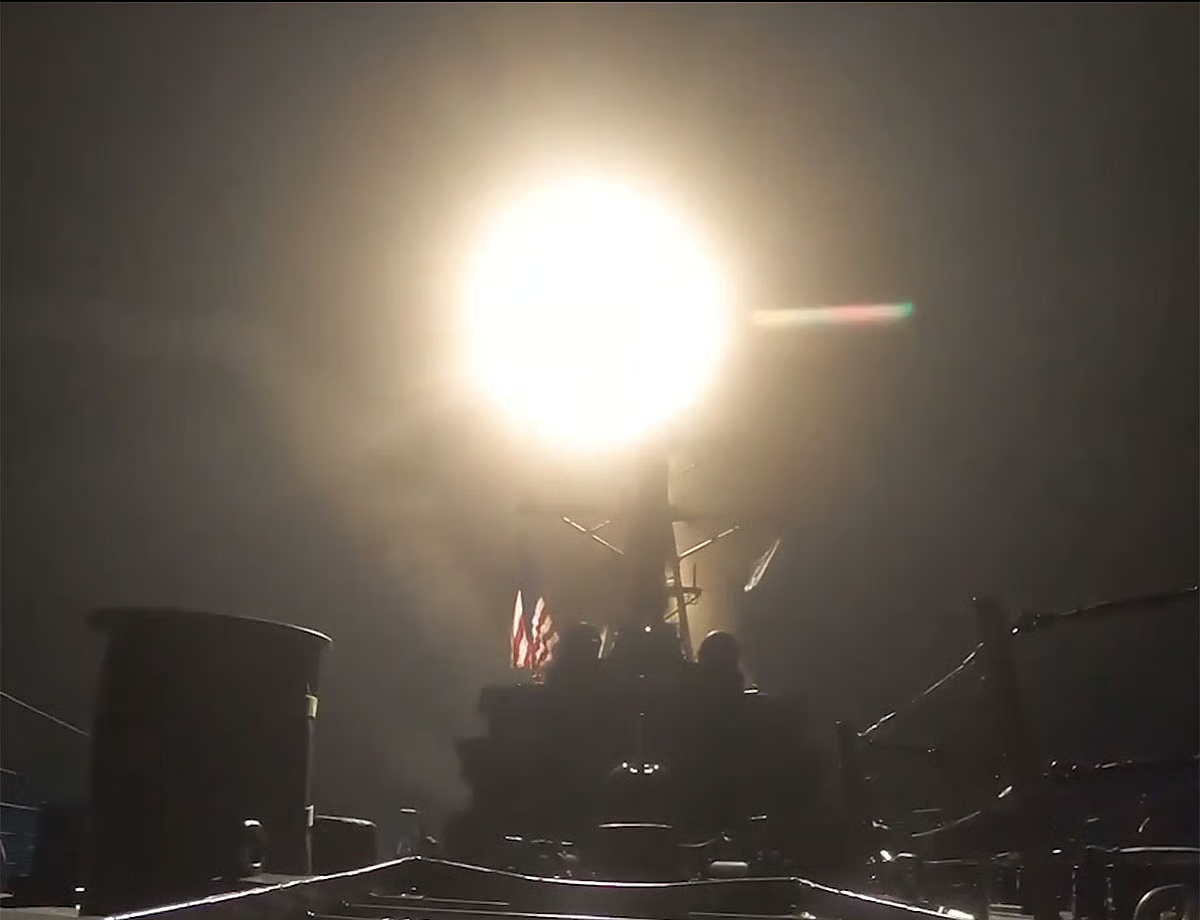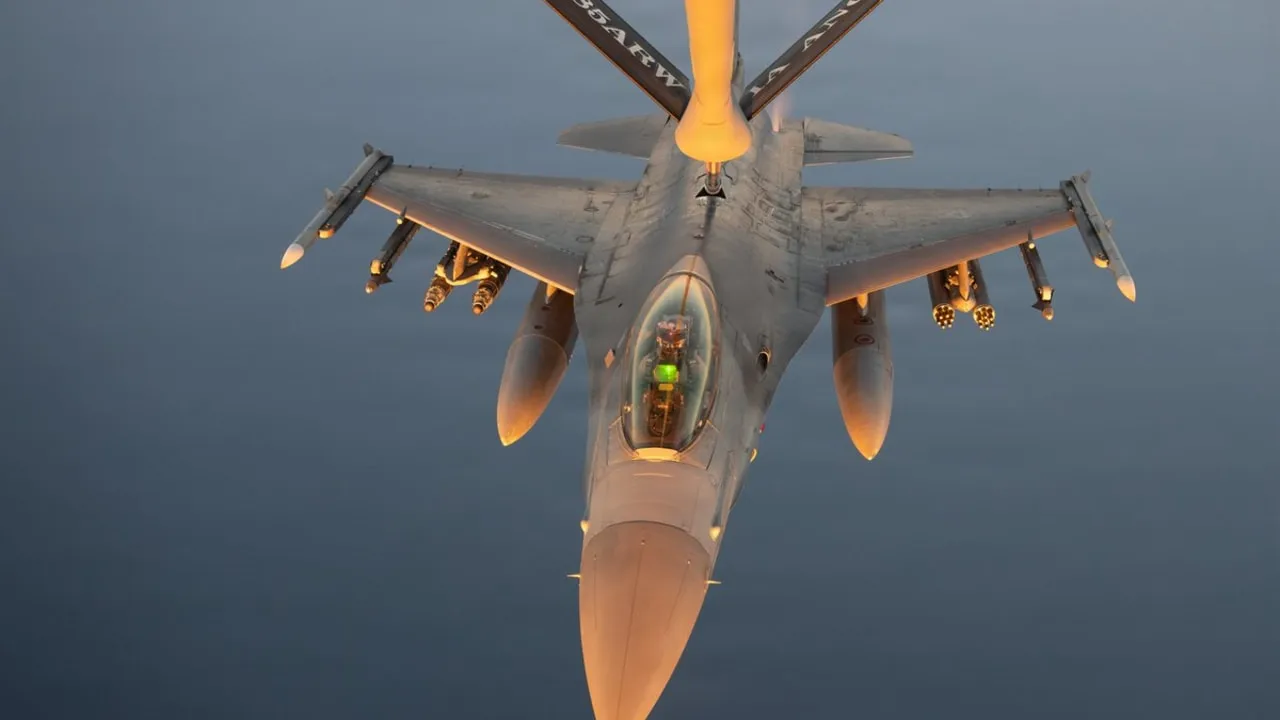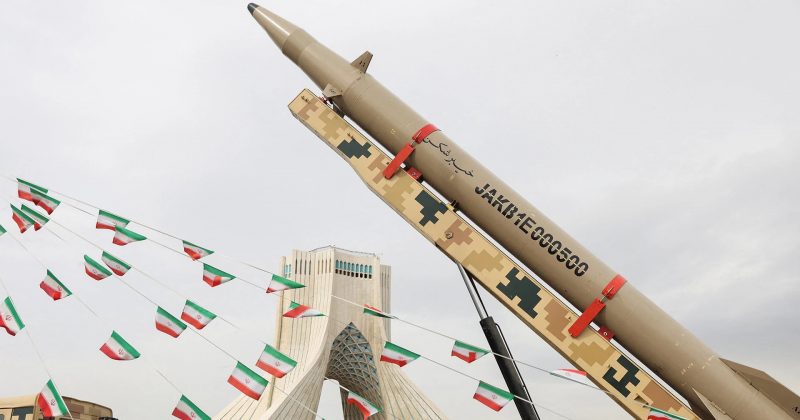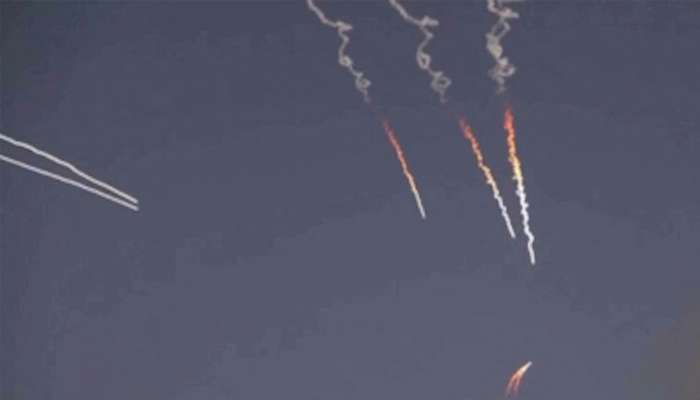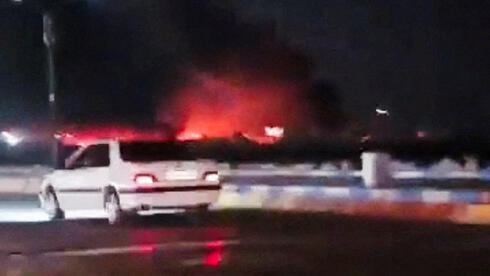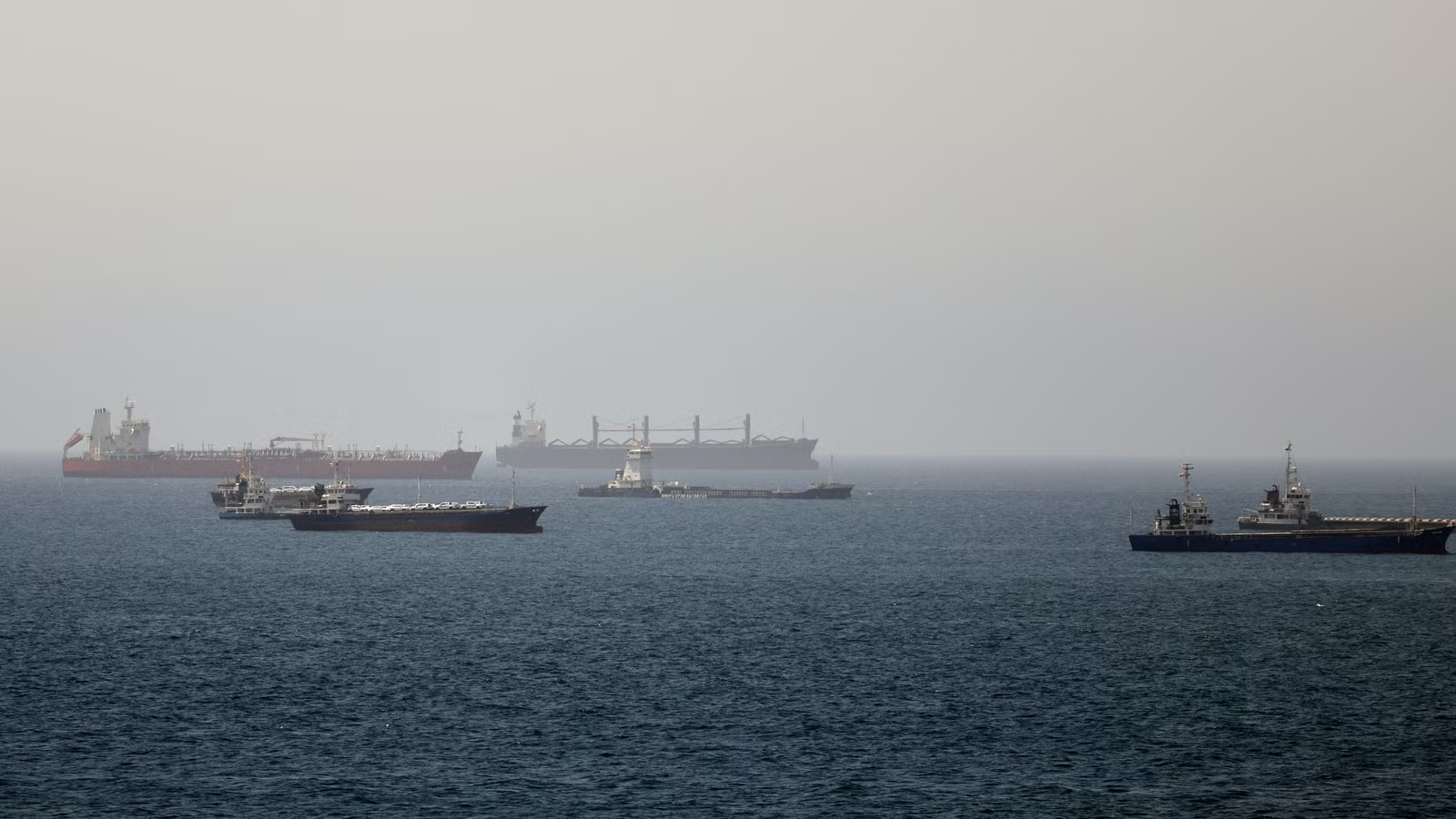
CENTCOM says dozens of air-defense, radar, missile and drone targets were hit after renewed Iranian attacks on commercial shipping in the Strait of Hormuz; Tehran retaliates against bases in Jordan, Bahrain and KuwaitU.S. Central Command, or CENTCOM, said dozens of targets were struck with precision weapons in an operation intended to reduce Iran’s ability to attack vessels passing through the strait, one of the world’s most important energy corridors.US strikes in IranIran said it responded by targeting U.S. military facilities in Jordan, Bahrain and Kuwait, as well as vessels in the region. According to Tehran, the first stage of its retaliation targeted Prince Hassan Air Base in Jordan, followed by Sheikh Isa Air Base in Bahrain and the Ali Al Salem and Ahmad al-Jaber air bases in Kuwait.Air-raid sirens were activated in Bahrain following the Iranian warning.The renewed exchanges marked another escalation in the conflict between Washington and Tehran, which began after the United States and Israel launched attacks on Iran on February 28. A fragile ceasefire later reduced the fighting, but disputes over the Strait of Hormuz and the terms governing commercial passage have pushed the sides back toward direct confrontation.An Israeli official said Jerusalem was closely monitoring the exchanges but was not directly involved.“For now, we are outside, but that could change,” the official said.GalleryStrikes in KhuzestanExplosions were reported overnight in several parts of Iran, including the southern port city of Bandar Abbas, near the Strait of Hormuz. Iranian reports also described attacks near Ahvaz, a major center of the country’s oil industry in the southwestern province of Khuzestan, as well as explosions in Bushehr province.CENTCOM said U.S. President Donald Trump ordered the strikes to punish Iranian forces for restricting freedom of navigation in the strait.A CENTCOM spokesman told CNN that Iran’s Revolutionary Guard Corps had fired again at a commercial vessel passing through the waterway in the hour before the latest American operation. U.S. aircraft intercepted an Iranian cruise missile and an attack drone, he said.Shortly before 6 a.m. Israel time, CENTCOM announced that the operation had been completed.“Dozens of targets were struck with precision munitions to degrade Iran’s ability to conduct attacks in the Strait of Hormuz,” it said.Huckabee says Israel warned Washington of a plot to harm Trump (Video: FOX NEWS)The targets included Iranian air-defense systems, coastal radar installations, missile and drone sites and small boats, according to the command.“The Strait of Hormuz is a vital maritime corridor for global commerce,” CENTCOM said. “Iran does not control it.”Iran’s Foreign Ministry condemned the attacks and accused Washington of violating international law. It also warned neighboring countries against assisting any military operation against Iran.“Only 25 days after the memorandum of understanding to end the war was signed, the United States violated almost all of its provisions and committed horrific war crimes,” the ministry said. “We call on the United Nations and the Security Council to punish everyone who assisted the attacks against us.”The claims made by both sides could not immediately be independently verified.Israeli officials currently assess that Iran does not want to attack Israel directly, fearing that doing so could renew high-intensity fighting with the Israeli military and push the wider escalation beyond Tehran’s control.The Israeli official said that calculation could change quickly if Iran attacked Israeli territory or civilians.(Photo: Lev Radin/Shutterstock, Haim Goldberg/Flash90)According to the official, Israel would enter the fighting if Washington requested its assistance or if Iran brought Israel into the confrontation through a direct attack. For now, Jerusalem expects to remain on the sidelines.Iran had claimed Sunday that the IRGC killed three U.S. troops in Kuwait. CENTCOM later denied the report.“There are no reports of U.S. service members killed or wounded in the region,” it said, adding that all personnel had been accounted for.The latest escalation centers on competing U.S. and Iranian claims over passage through the Strait of Hormuz, the narrow waterway connecting the Persian Gulf with the Gulf of Oman and the Arabian Sea.Before the war, roughly one-fifth of the world’s oil and liquefied natural gas supplies passed through the strait, most of it exported by Middle Eastern producers. Any prolonged disruption can therefore affect international energy prices and shipping costs far beyond the region.For two months, commercial tankers crossing the strait reportedly switched off their location transponders to make it more difficult for Iran to track them. The U.S. military provided limited air cover, while naval officers directed ships to follow a southern route closer to Oman and farther from the Iranian coast.The arrangement allowed the number of vessels using the strait to rise gradually during May and June, according to The New York Times, while an unstable ceasefire remained in place.A framework agreement signed by Trump and Iran the following month brought that arrangement to an end. Critics said ambiguously worded provisions effectively granted Tehran formal authority over traffic in parts of the strait.Trump celebrated the agreement at the time, writing on social media: “Ships of the world, start your engines.”Critics argued, however, that the framework gave formal recognition to Iran’s wartime assertion that it controlled access to the waterway.Iranian attacks on commercial vessels had effectively closed the strait shortly after the war began. When Washington and Tehran reached an unofficial ceasefire in early April, some tankers resumed travel through a southern corridor farther from Iran.U.S. officials now accuse Iran of attempting to force ships into Iranian territorial waters on the northern side of the strait, where Tehran could claim the right to collect tolls or passage fees.According to the U.S. military, Iranian forces attacked three ships using the southern route Tuesday, leading Trump to order airstrikes against Iran.Tensions rose further over the weekend when the Iranian navy said it had fired at another vessel and was closing the waterway “until the end of American intervention in the region.”CENTCOM said it subsequently struck about 140 Iranian military targets, bringing the reported number of U.S. strikes over the past week to 310.Iran’s military has also attacked commercial vessels and deployed naval mines, bringing shipping through the strait close to a complete halt at points during the war. Some ships were reportedly allowed to travel safely near the Iranian coast only after making large payments to Tehran.Trump has since warned that the agreement reached with Iran in June may “no longer exist.”The renewed hostilities have driven global energy prices higher and raised fears that the United States and Iran could return to full-scale war, with Arab states hosting American forces once again exposed to Iranian retaliation.
US strikes Iran again; Tehran targets Gulf bases and Jordan as Israel braces for wider escalation
CENTCOM says dozens of air-defense, radar, missile and drone targets were hit after renewed Iranian attacks on commercial shipping in the Strait of Hormuz; Tehran retaliates against bases in Jordan, Bahrain and Kuwait
1,076 words~5 min read