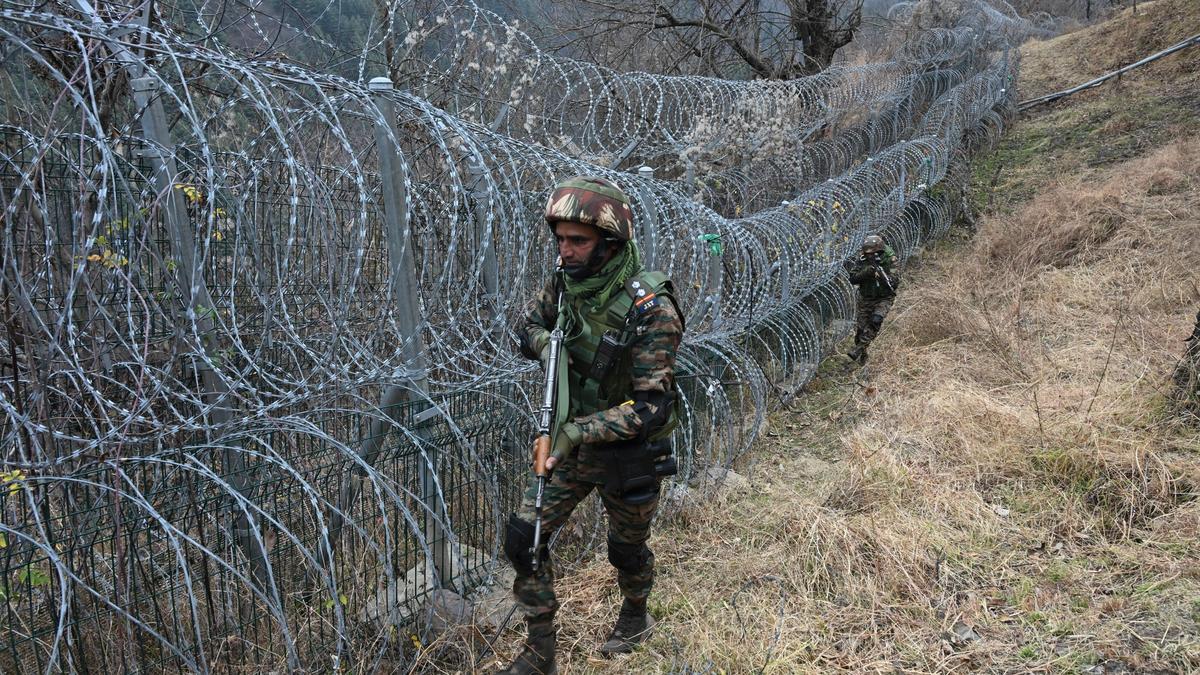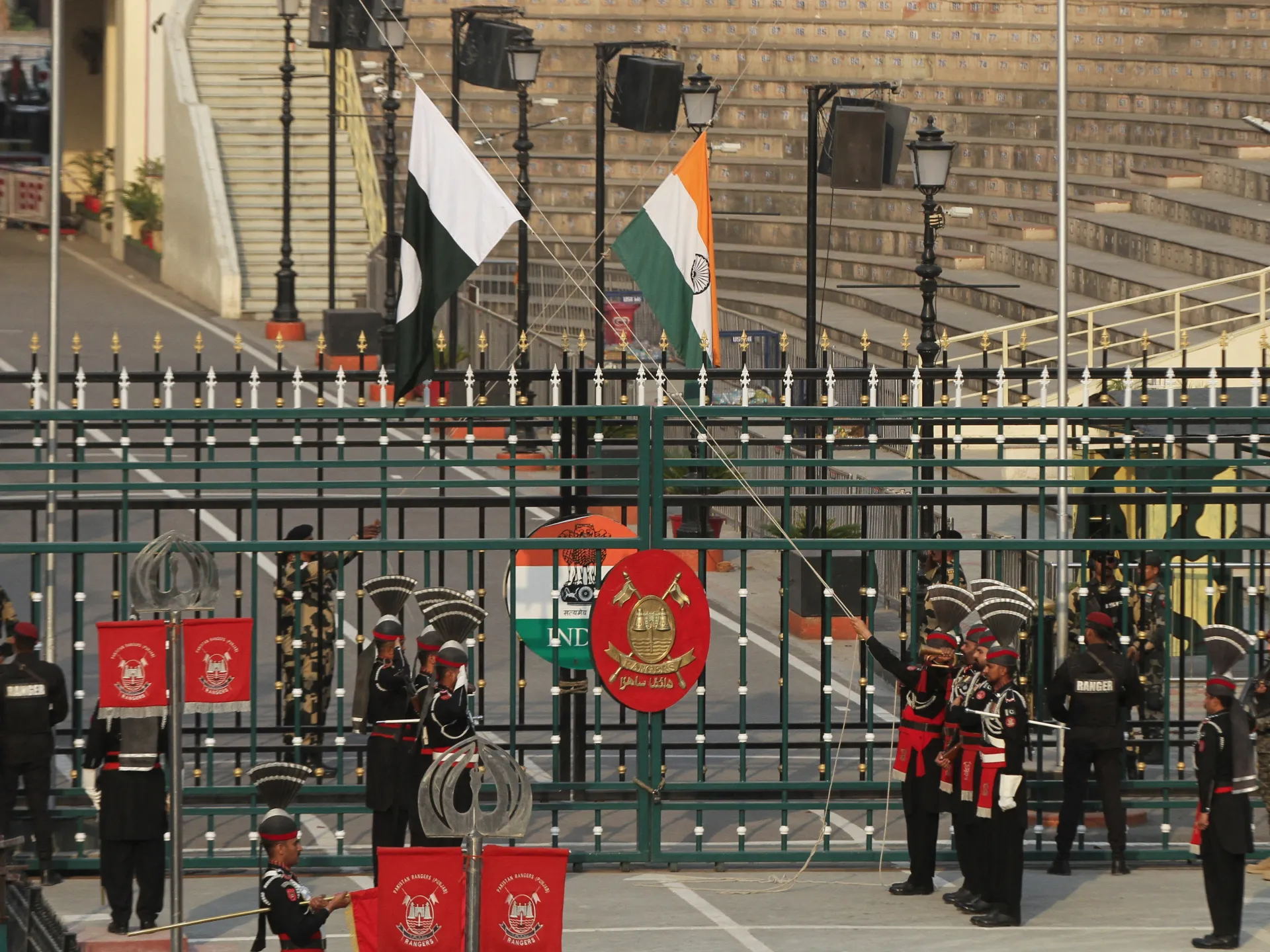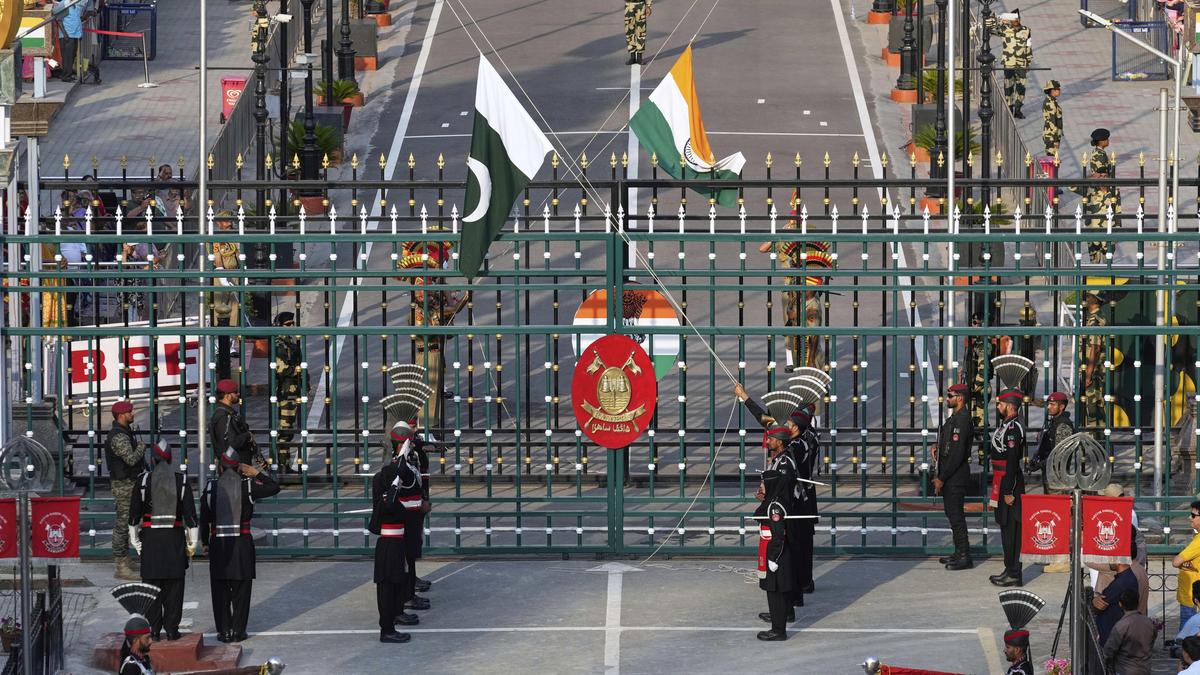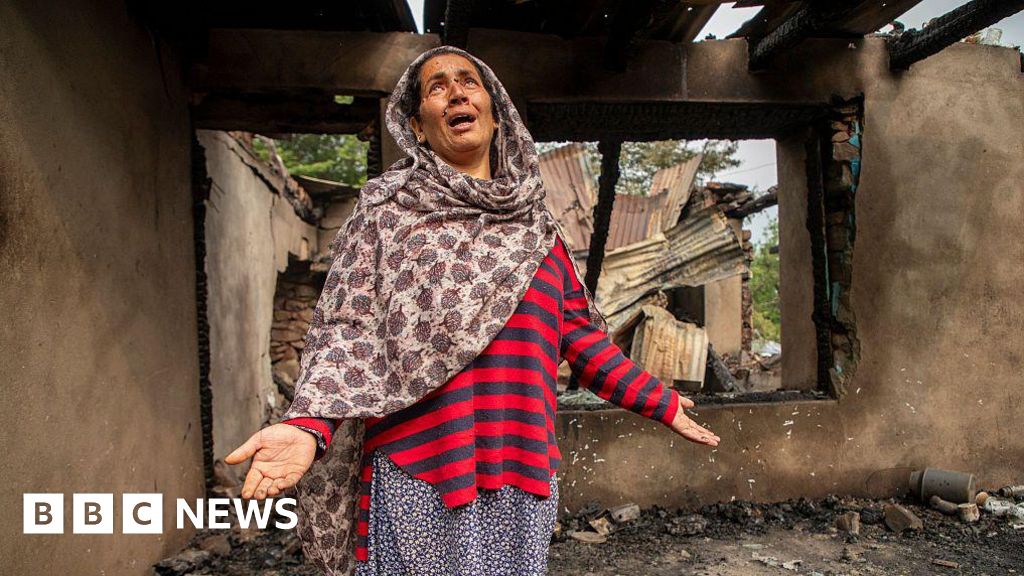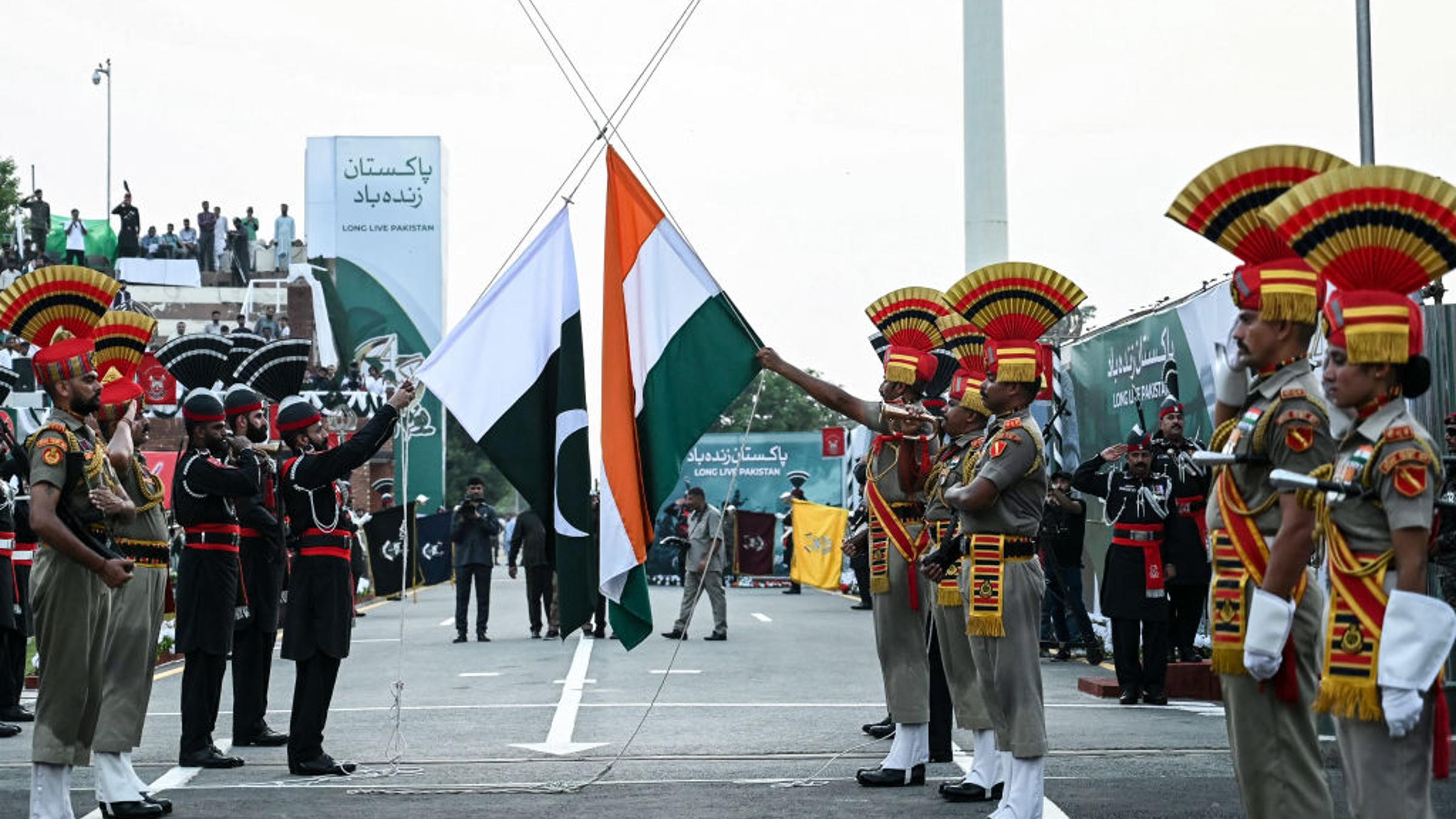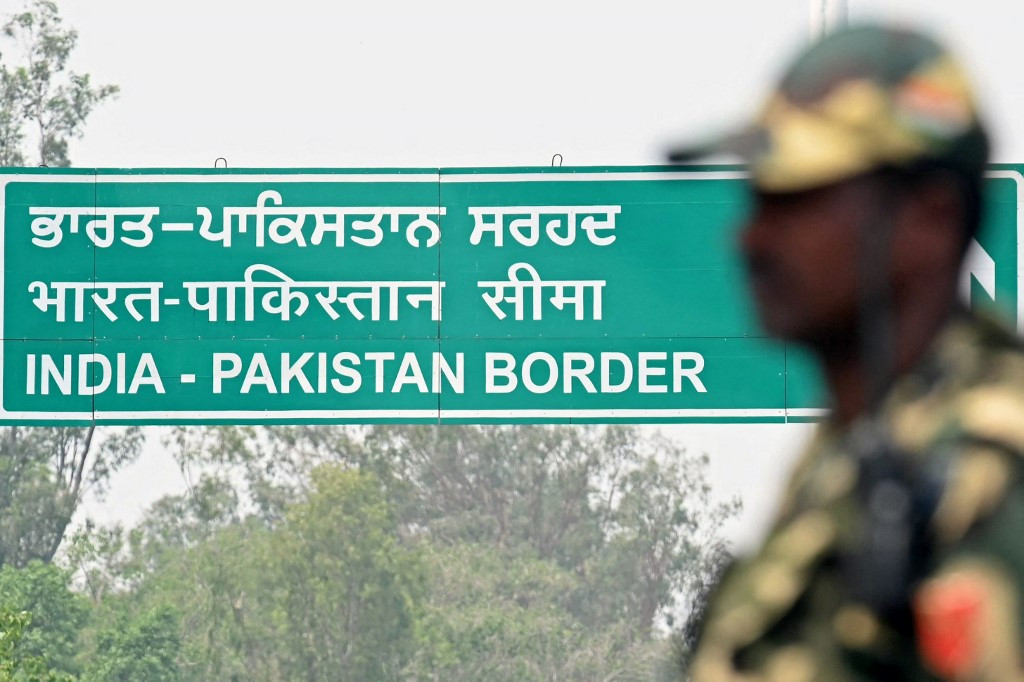
For the past 10 years, India’s Bharatiya Janata Party (BJP) government has adopted a policy of complete disconnect with Pakistan. Even people-to-people and sporting links have been stopped. During this period, India has carried out three kinetic aggressions against Pakistan: September 2016, February 2019 and May 2025. As South Asia witnesses deepening estrangement, the world has moved on. Far-reaching strategic shifts have affected the geopolitics of West Asia, Europe and East Asia. The United States and Iran have fought a 40-day war and are now negotiating a peace settlement, helped by Pakistan and Qatar. The US and China have agreed to steer their competition towards “strategic stability”.Four major factors have bedevilled bilateral ties since 1947: mutual mistrust, the unresolved dispute over Jammu and Kashmir, India’s use of terrorism to malign Pakistan and New Delhi’s pursuit of regional dominance in South Asia. Most recently, India’s decision to suspend the Indus Waters Treaty (IWT) further marred relations between the two countries.
How does one go from conflict to dialogue? Since Pakistan and India remain embroiled in kinetic confrontations below a nuclear overhang, there is an urgent need to come up with ways to defuse tensions during crises. The two countries are technically still at war because Operation Sindoor launched by India in May 2025 has not formally ended.