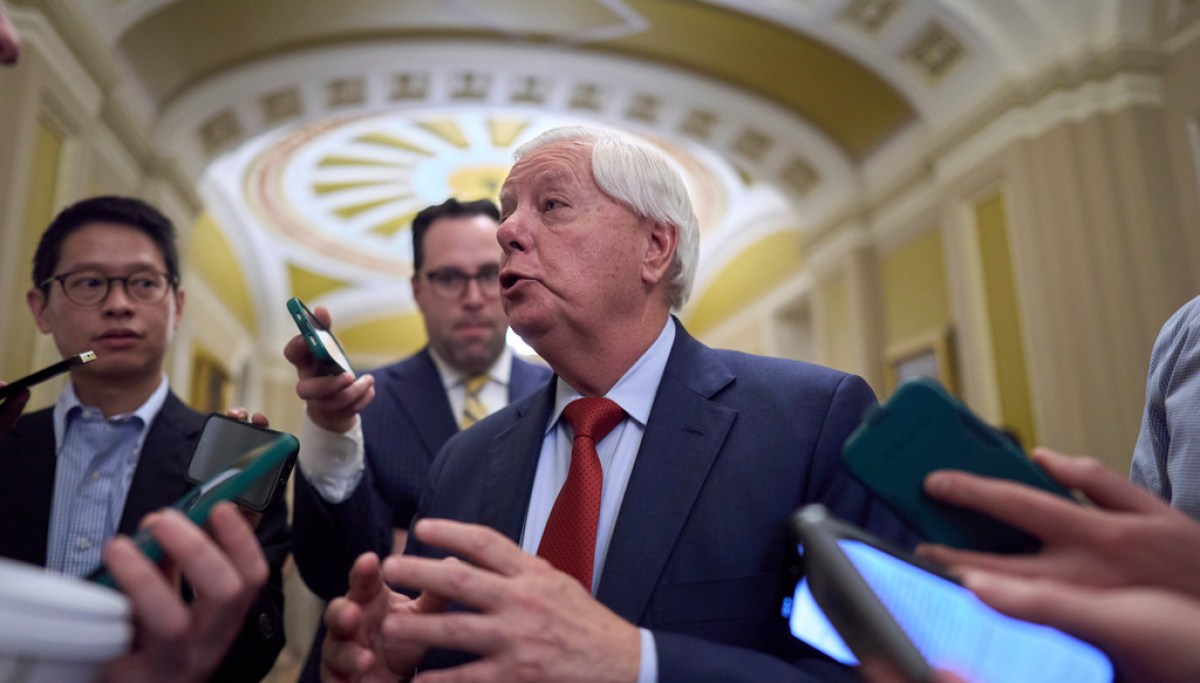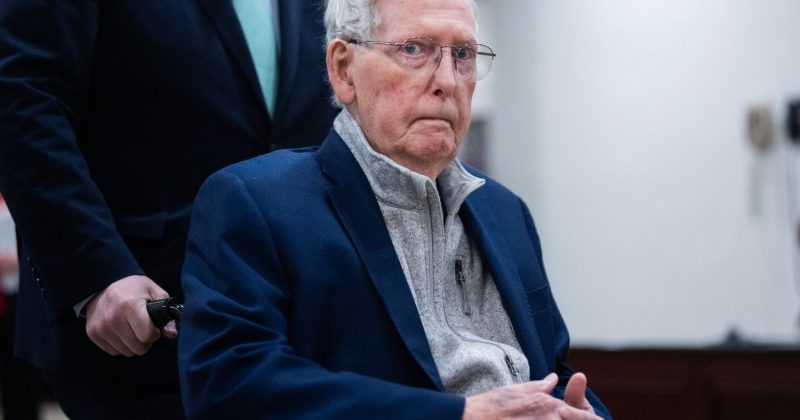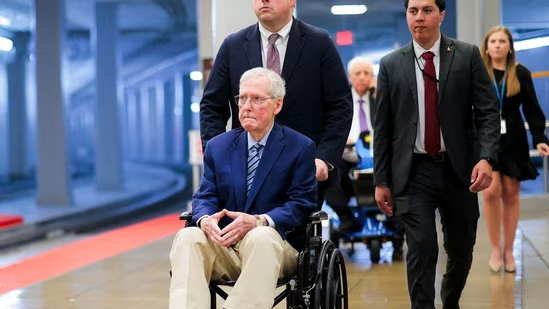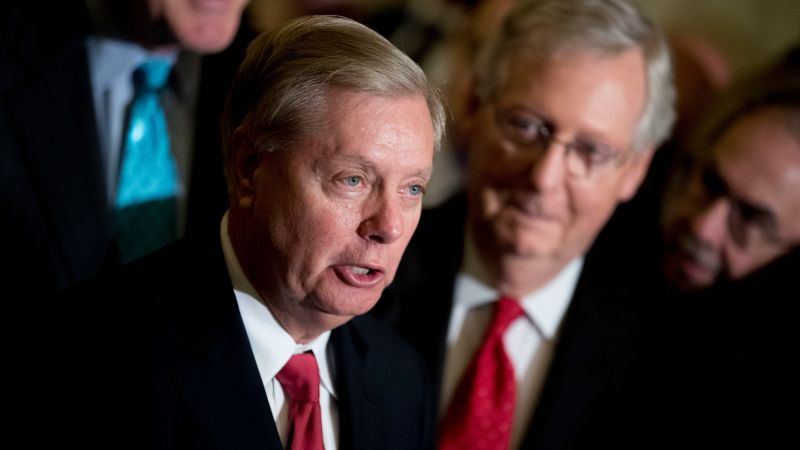
The death of Sen. Lindsey Graham and the long hospitalization of Sen. Mitch McConnell, the former majority leader, are poignant reminders that time conquers even political careers marked by great power and ubiquity.
But a closing era in the Senate GOP is also one data point in a wider trend: The tectonic plates of US politics are shifting as postponed generational change beckons, battles rage over the ideological futures of both parties, and leaders struggle to ease voter anxiety over eroded economic security and war abroad.
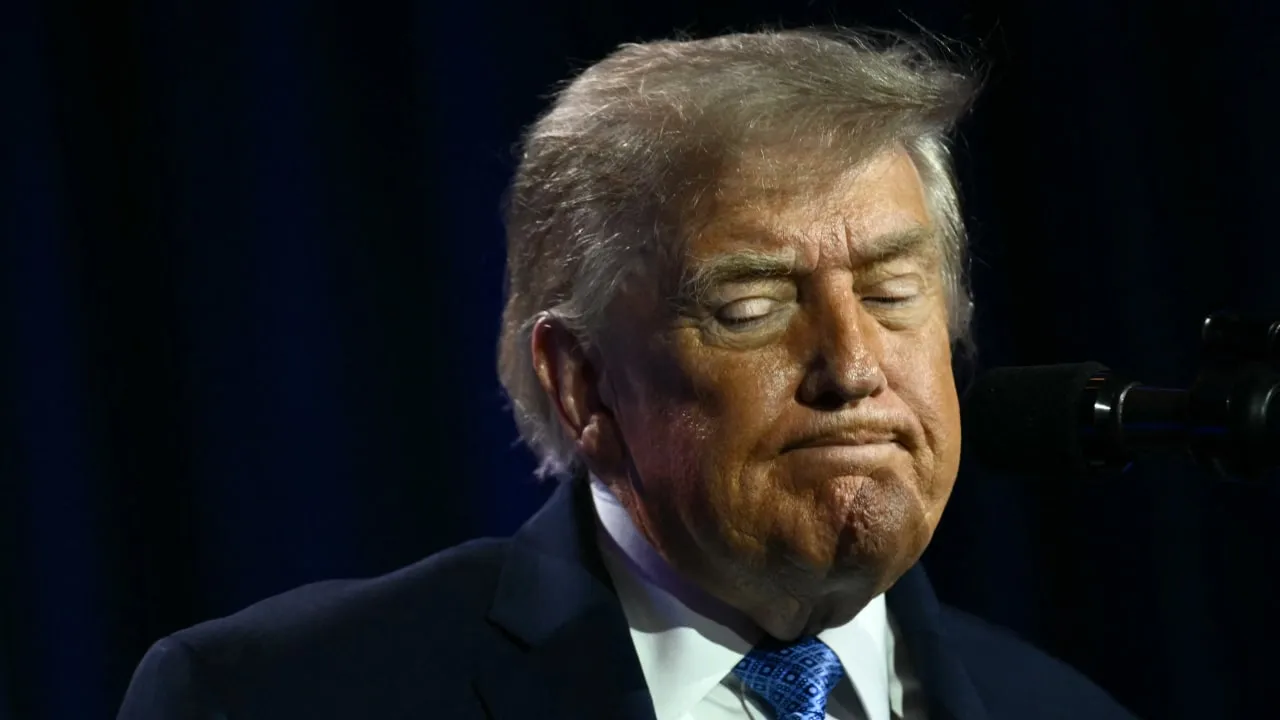
President Donald Trump is wielding power as relentlessly as ever to try to slow the political clock and to dispel the curse of the lame duck. But his fixation with physical monuments to his presidency also speaks to the mindset of an 80-year-old second-termer consumed by legacy.
Once votes are counted after the midterm election in November, the question of what follows his decadelong stranglehold on the GOP will become irresistible.
A parallel succession crisis is already stirring in the Democratic Party, as insurgent progressives challenge establishment power. The debacle over Graham Platner — forced to fold his campaign for the critical Maine Senate seat that could decide the chamber’s fate — suggests the internal and institutional failings that helped Trump win the White House in 2024 persist.