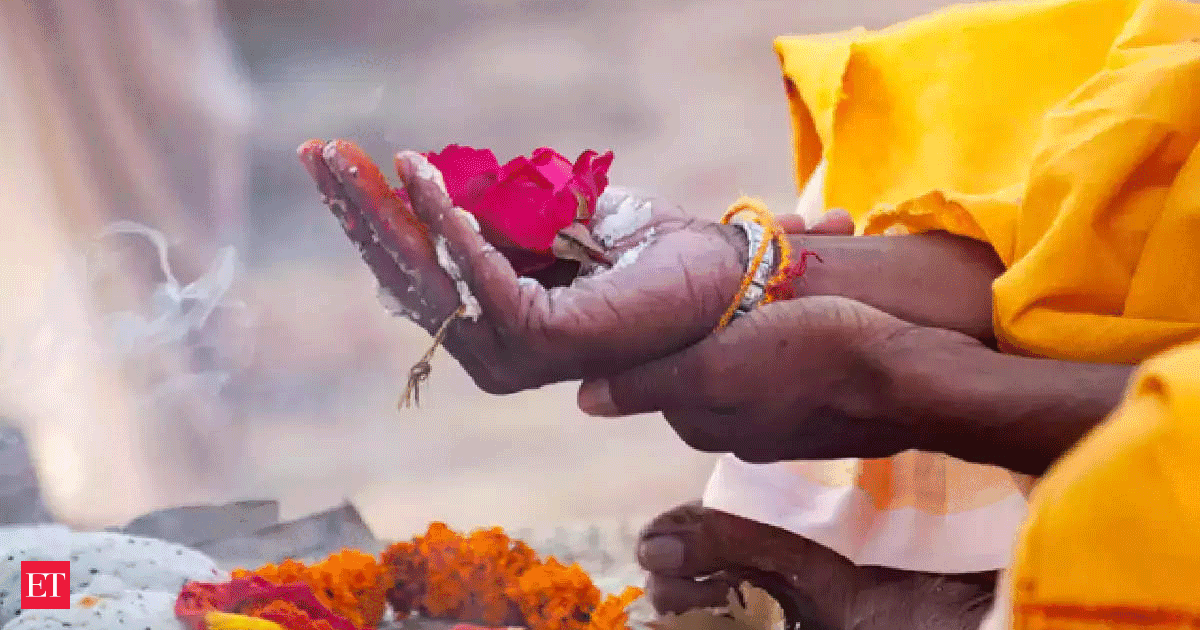
SynopsisAmavasya July kab ki hai? July Amavasya tithi begins on Monday, July 13, and extends into Tuesday, July 14. Devotees are confused about observing Somvati Amavasya due to this unusual two-day spread. Shastric tradition dictates fasting on Monday, July 13, as the tithi starts before sunset. Bathing and ancestral rites will technically occur on Tuesday, July 14, under Bhaumvati Amavasya. This rare timing creates a dual observance for the new moon day.Listen to this article in summarized formatAgenciesAmavasya kab ki hai 2026 in July? Is it Somvati AmavasyaDevotees of Lord Shiva are confused this week over a calendar quirk: Amavasya in July, the new moon day, is stretching across two days, July 13 and July 14, and most panchangs are not even flagging it as Somvati. Amavasya is considered one of the most significant days in the Hindu calendar, set aside for honouring ancestors. Devotees traditionally bathe in a holy river, offer donations, and perform tarpan, rituals for departed forefathers, believing it brings peace, prosperity and punya (spiritual merit). When the new moon lands on a Monday, it becomes Somvati Amavasya, a date many regard as especially auspicious. This year, though, the tithi's odd timing has thrown that certainty into doubt.Somvati Amavasya timingsAs per the panchang, the Amavasya tithi begins on Monday, July 13, at 6:08 pm, just before sunset. The tithi continues right through the next day, finally ending on Tuesday, July 14, at 3:14 pm. That two-day spread is exactly why devotees are unsure which day counts as the "real" Somvati Amavasya.Somvati Amavasya July 2026: Should you fast on July 13, or July 14?As per NBT report quoting Pandit Rakesh Jha, the Vaidehi Panchang, the Vishwavidyalaya Panchang and shastric tradition all agree on one point: "if the Amavasya tithi begins even one minute before sunset, the Somvati Amavasya fast should be observed" that same day. Since the tithi arrived at 6:08 pm on Monday, ahead of sunset in most places, July 13 becomes the day to keep the vrat, regardless of what some calendars say. Interestingly, in a few regions sunset stretches out even later, which only strengthens the case for fasting on the 13th.Ashadha Amavasya July 2026: Rituals Surya Arghya Offering water to Lord Surya on Ashadha Amavasya is considered highly auspicious. Devotees are advised to perform this ritual soon after waking up in the morning, as the day is regarded as spiritually significant. Feed a Brahmin Inviting a Brahmin priest to perform Pitru Tarpan is a common ritual observed to seek the blessings of one's ancestors. After the ceremony, devotees traditionally offer the priest a meal along with clothes and dakshina. Pind Daan Ashadha Amavasya is regarded as an auspicious occasion for performing Pind Daan. Since Amavasya is dedicated to honouring ancestors, many people perform this ritual to pay their respects and pray for their departed souls. Worship the Peepal tree Worshipping the Peepal tree is considered an important ritual on this day to seek the blessings of ancestors and Shani Dev. Devotees may light a mustard oil lamp beneath the tree and offer black urad, black sesame seeds and jaggery tied in a black cloth. Feed crows, cows and ants Feeding crows, cows and ants is believed to be especially beneficial on Ashadha Amavasya. Cows are associated with prosperity and are believed to embody 33 deities, while crows are considered symbolic of ancestors. Feeding ants is traditionally believed to help reduce the adverse effects associated with Shani.Amavasya Bath Ritual and Donations Come a Day LaterHere's the twist that makes this year's Amavasya a genuinely offbeat one: while the fast falls on Monday, the actual bathing, charity and ancestral rites will be carried out a day later, on Tuesday, July 14. And because Tuesday's Amavasya carries its own name in the tradition, this creates a rare double feature, the fast belongs to Somvati Amavasya, while the rituals technically fall under Bhaumvati Amavasya, the Tuesday version of the same new moon.Somvati Amavasya is held in particularly high regard in Hindu belief. Fasting on this day is said to bring good fortune and spiritual merit, and married women traditionally worship Lord Shiva and Goddess Parvati as part of the observance. The day also carries special weight for the peepal tree, devotees who circumambulate and worship the peepal on Somvati Amavasya are believed to receive auspicious results.( Originally published on Jul 13, 2026 )Read More News on
Amavasya Somvati Amavas today: Should you keep fast on July 13 or 14? Check vrat, snan, donation date & time
Amavasya July kab ki hai? July Amavasya tithi begins on Monday, July 13, and extends into Tuesday, July 14. Devotees are confused about observing Somvati Amavasya due to this unusual two-day spread. Shastric tradition dictates fasting on Monday, July 13, as the tithi starts before sunset. Bathing and ancestral rites will technically occur on Tuesday, July 14, under Bhaumvati Amavasya. This rare timing creates a dual observance for the new moon day.
728 words~3 min read