Audio By Vocalize
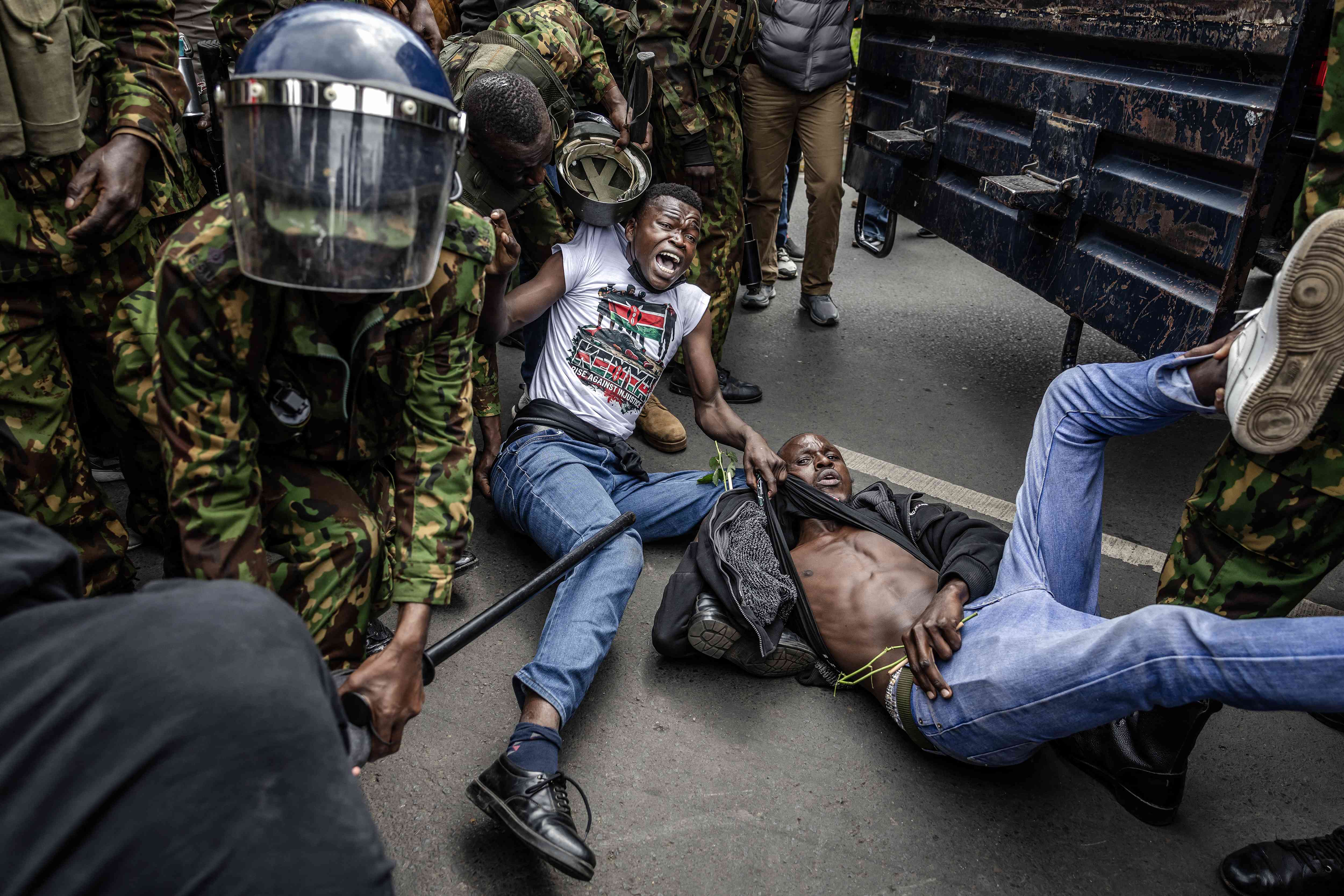
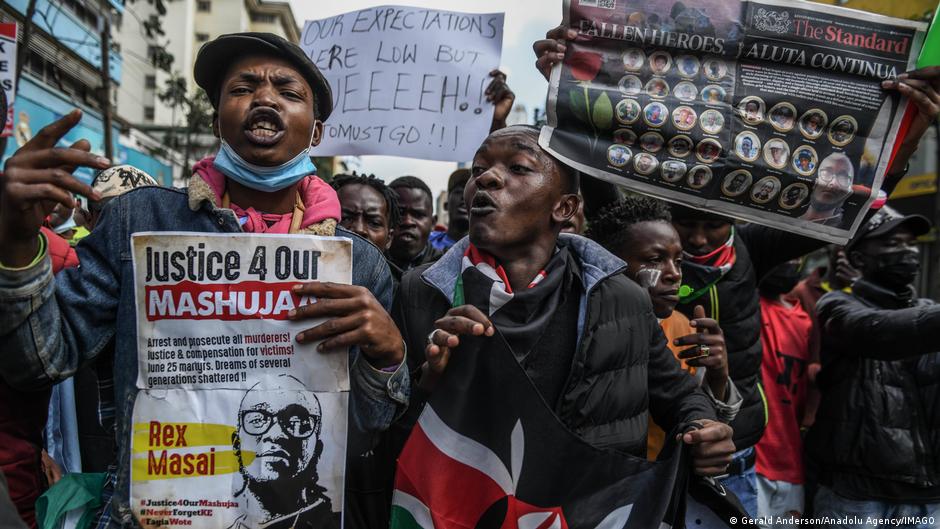
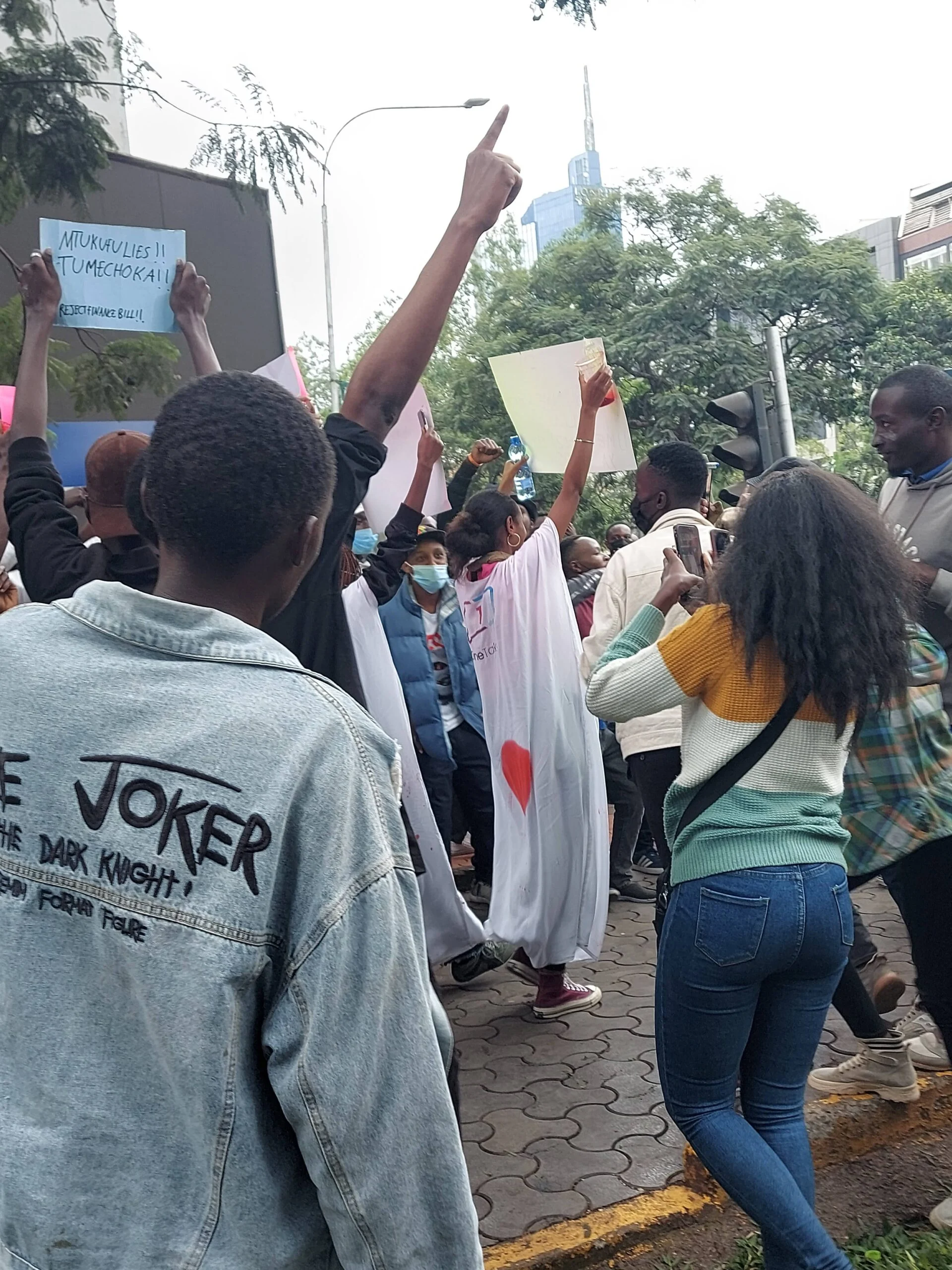
Kenya youth during the commemoration of their fellow youth that died in the 2024 demonstrations.[File, Standard]
In times of hardship, enslavement and draconian governance, rays of hope manifest themselves through defiant youthful activism. This is true of colonial and post-colonial Kenya, a product of British, Germans, and Italian imperial competition to partition territories and peoples in Eastern Africa. Hemming and land-locking Ethiopia, north of Kenya, each imposed a new governing order on its claimed territory. They transferred legitimacy and sovereignty from Africans to agreements in European capitals and denied humanity to Africans.
Contradictions emerged in Kenya that had been ear-marked to become ‘White Man’s Country’ on the Equator, that would define the country's future. These contradictions are between official assumptions and ground realities, collective docility and dignified resistance to bad governance, internalised acceptance of the defeat and constant search for the reasons of the defeat with the aim of challenging the imposed rule. At every stage and every era, the youth of the day were in the forefront of challenging oppression. They emitted ‘rays’ of hope that all was not lost. Three such defining moments, one in colonial and two in post-colonial Kenya, stand out. These are the 1922 Thuku confrontation, the July 1990 Saba Saba defiance, and the 2024 Gen Z daring. In each of those defining moments, the beneficiaries or the ‘eaters’ of the fruits of defiance were often different from those who risked their lives to resist oppression.