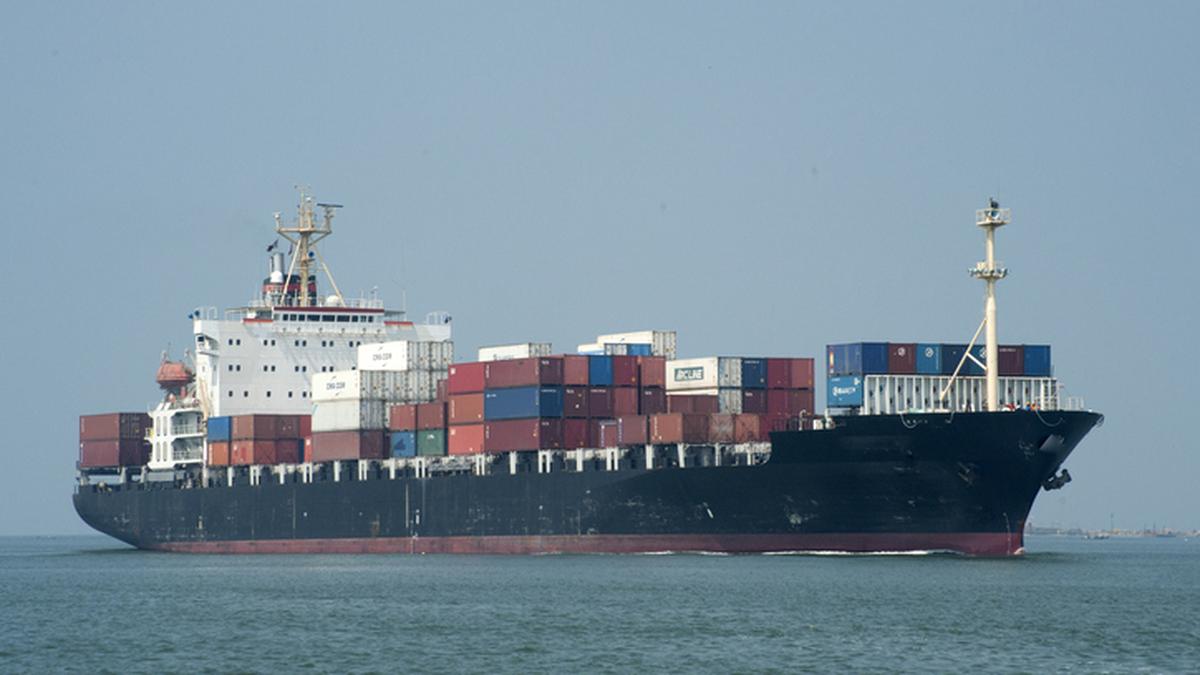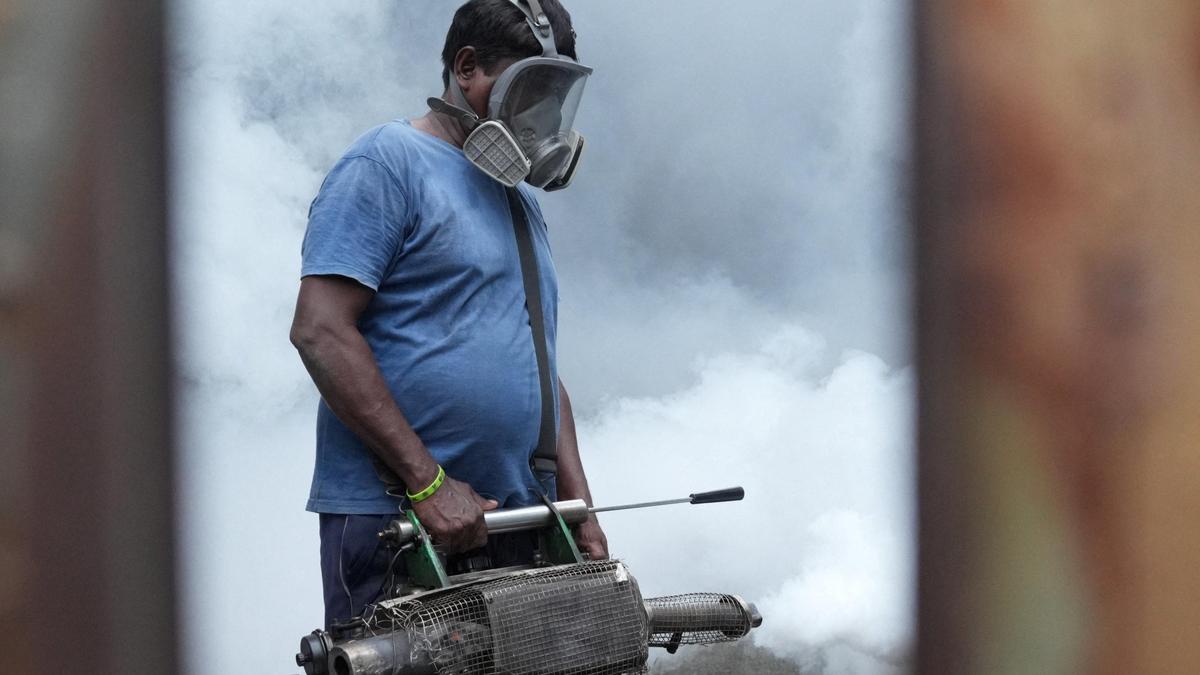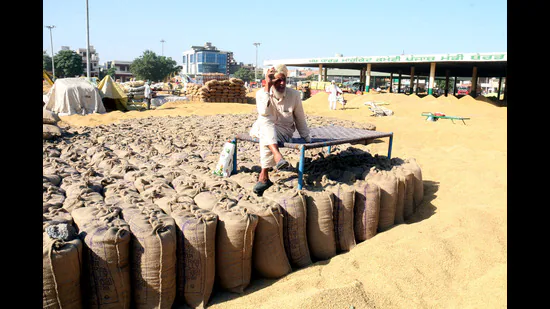
An ongoing crackdown by Australia’s biosecurity agency has severely impacted Indian basmati rice exports. As a result, hundreds of shipping containers have been barred from entering the country. This has left premium grain worth ₹200 crore stranded at various ports.An ongoing crackdown by Australia’s biosecurity agency has severely impacted Indian basmati rice exports. As a result, hundreds of shipping containers have been barred from entering the country. This has left premium grain worth ₹200 crore stranded at various ports. (HT File)“It began three months ago when the Australian agencies started checking the grain preservation system, which was found to be lacking,” said an exporter from Haryana, who wished not to be named. “Now, the consignments have been stopped from entering Australia,” he said.“The regulatory agency in Australia, which functions under the department of agriculture, fisheries and forestry, has suspended 44 Indian fumigation service providers, exposing shortcomings in the country’s premium export sector. The suspended firms account for nearly three-fifths of all Indian fumigation agencies approved to certify consignments bound for Australia,” he said.Most of the grain exported to Australia is sent by exporters from Punjab and Haryana. India exports nearly one lakh tonnes of premium grain to Australia, worth ₹1,100 crore annually. While this seems very small compared to the overall trade with North America, Europe and the Middle East, it is crucial at a time when trade with Middle Eastern nations has been hit due to the US and Israel war over Iran and the shutting down of a key port at the Strait of Hormuz.“Our grain is not compromised to the extent that it is rejected. The action follows an Australian biosecurity audit conducted under the country’s stringent Biosecurity Act, 2015, regarded as one of the world’s toughest import control regimes,” said Ranjit Singh Jossan, a basmati exporter from Punjab and vice-president of the Basmati Rice Millers and Exporters Association.Besides product quality, the Australian authorities scrutinise fumigation procedures, certification records, packaging, traceability and the integrity of the entire supply chain before permitting entry of agricultural products, which involves a complicated procedure, he added.He said that basmati exporters from Punjab depend on government-approved fumigation agencies authorised to certify shipments for Australia. Exporters have complied with the procedures, yet they have become unintended victims of regulatory action arising from compliance deficiencies, he added.Exporters face additional refumigation fee Due to the discrepancies, exporters have to bear additional refumigation expenses ranging between $700 and $1,200 per container, depending on Australian requirements.This is not the first time that the premium aromatic grain has been stopped by a foreign nation. In the past, European nations stalled consignments due to traces of tricyclazole fungicide found in the exported grain exceeding permissible limits. European nations adopted tough norms related to fungicide after which they set up a laboratory in India and exporters also took steps to educate basmati growers against the undue usage of fungicides and pesticides.Exporters clarified that Australia has not imposed any ban on Indian basmati rice imports, nor has it questioned the quality or safety of Indian basmati rice as the action is limited to the suspension of fumigation agencies.APEDA’s intervention soughtExporters apprehend that a large number of containers reaching Australia will also face similar action.They have taken up the issue with the Agricultural and Processed Food Products Export Development Authority (APEDA), seeking its intervention. “We are taking up the matter with the Australian agency to resolve it,” said an APEDA official on condition of anonymity.“One of the industry’s principal demands is a one-time relief for consignments that had already been shipped after treatment by agencies,” said an exporter, adding that retrospective disruption to such consignments would impose avoidable financial losses despite compliance with the rules prevailing when shipments were dispatched.Export crisis ₹200 crore – Estimated cost of premium grain stranded at Australian ports ₹1,100 crore – Annual export of premium grain from India20,000 tonne – Grain stranded at Australian ports1 lakh tonne – Total annual exports from India to Australia
Biosecurity audits leave ₹200-cr Indian basmati stranded at Australian ports
“It began three months ago when the Australian agencies started checking the grain preservation system, which was found to be lacking,” said an exporter from Haryana, who wished not to be named.
658 words~3 min read