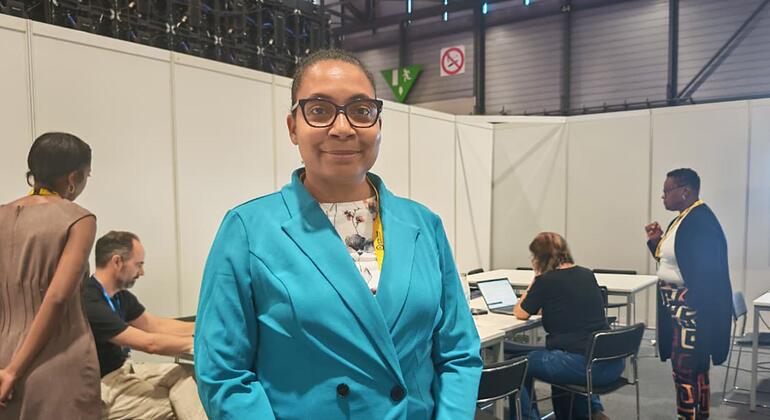
From NASA to the classroom: The engineer bringing AI to those left behind
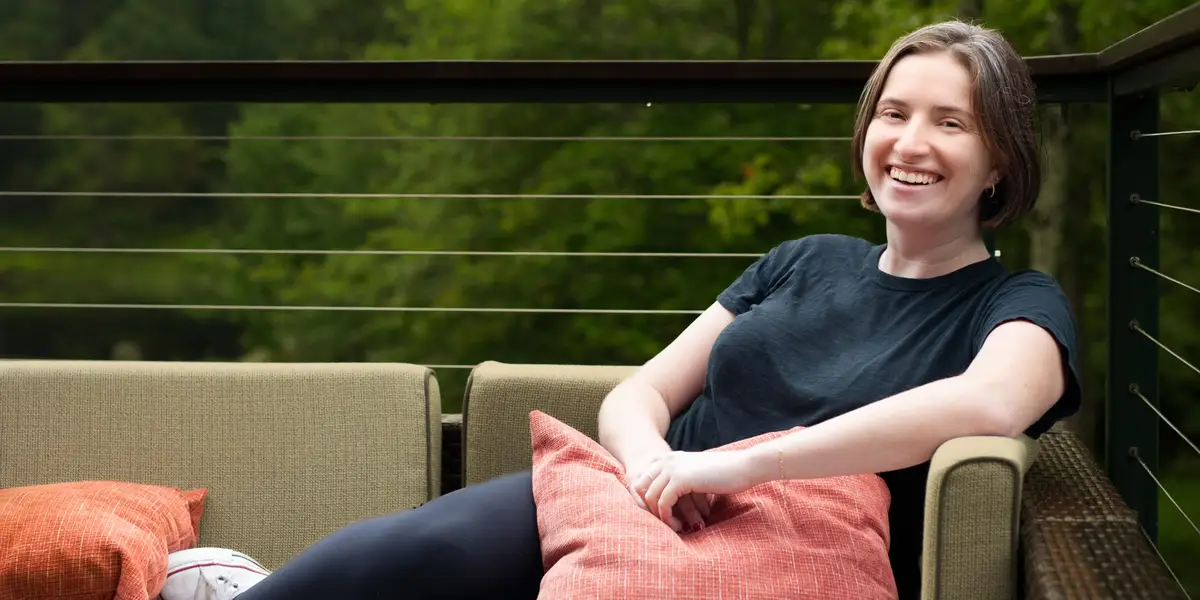
Growing up in New Jersey, Ms. Jetter saved the quarters her grandfather gave her – not for sweets, but for batteries and light bulbs, so she could build circuits from whatever she found around the neighbourhood. Her father took her to the library for materials; her mother, a kindergarten and special education teacher, taught her how to explain complex ideas simply. Three decades later, that curious child had helped build the GPS satellite system much of the world now depends on, worked at NASA, Boeing and Raytheon, and held one of the highest technical positions at Amazon: senior principal technologist in robotics AI, a role reserved for only a handful of engineers worldwide. Then, at the peak of her career, she found a new calling. “I studied artificial intelligence before it was as cool as it is now,” she said. A decisive moment Ms. Jetter studied mathematics and computer science at the Massachusetts Institute of Technology, specialising in planetary science, followed by a master's in aeronautics and astronautics at Stanford and 20 years developing autonomous algorithms for spacecraft and robots. By any measure, she was at the top of her field. But something troubled her. “This moment in time is so important for the world because of how AI is shaping our society and how people are shaping AI,” she said. “If we do not have all the right voices in the room shaping artificial intelligence...the product we end up with will not be the best one for us as a global community.” That conviction changed everything. Ms. Jetter decided her experience was better spent making sure no one was left out.