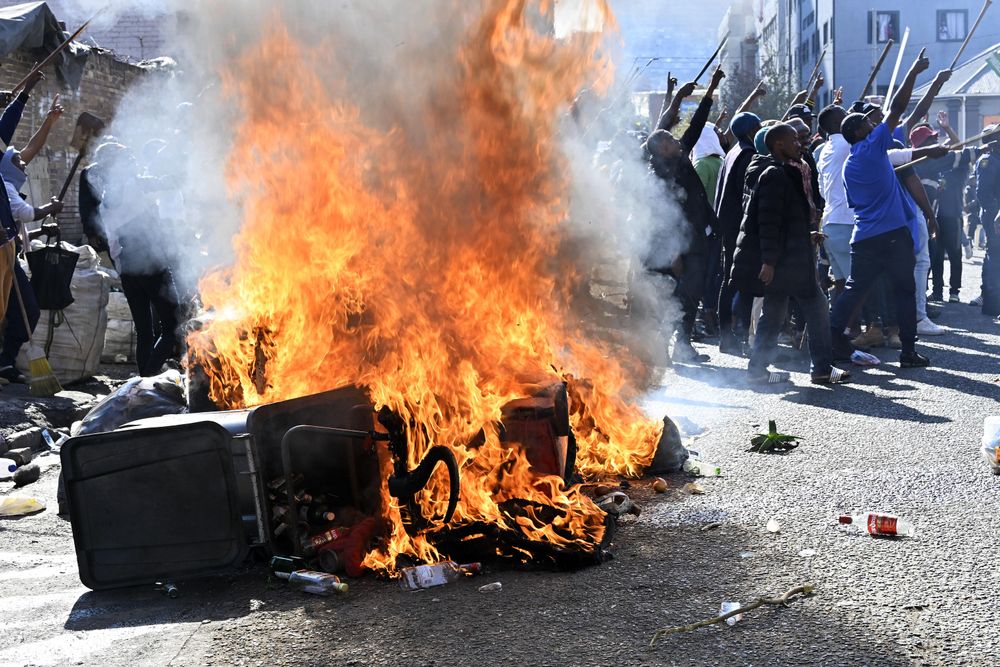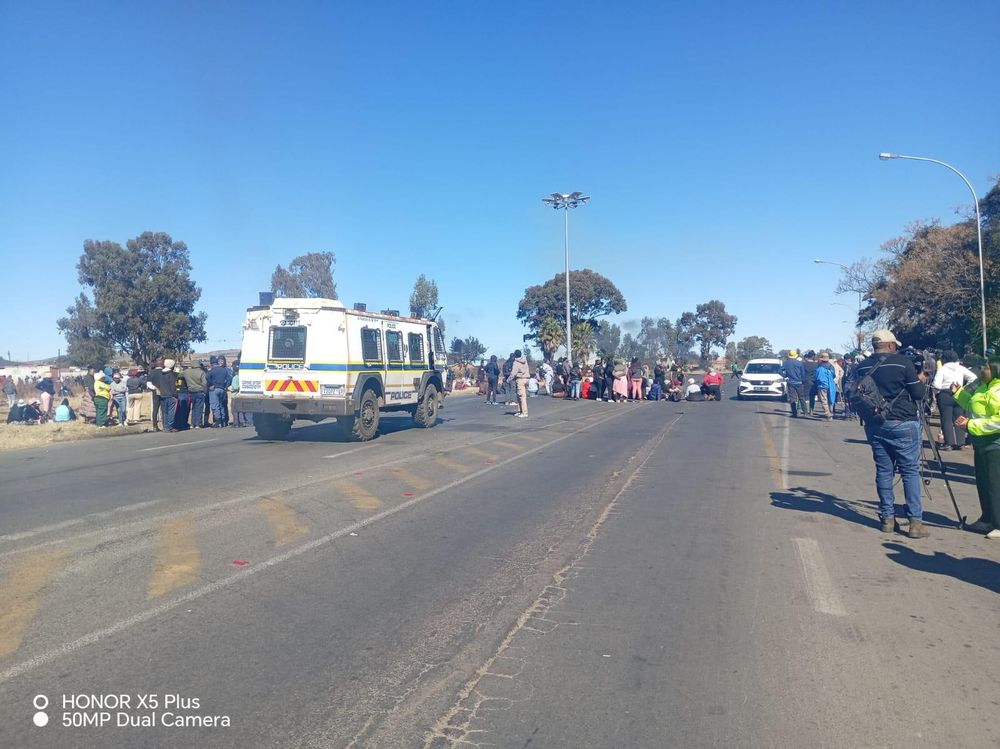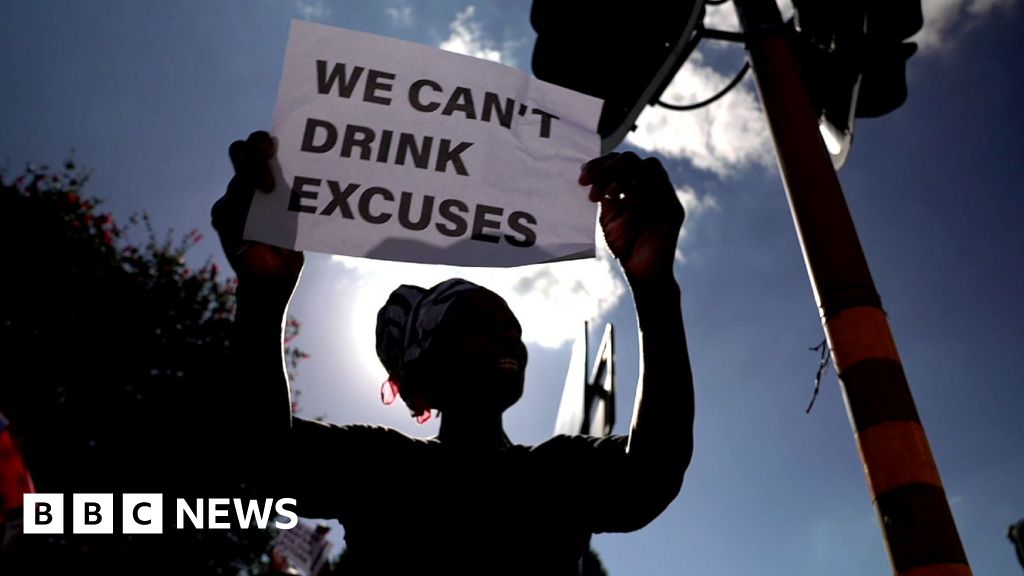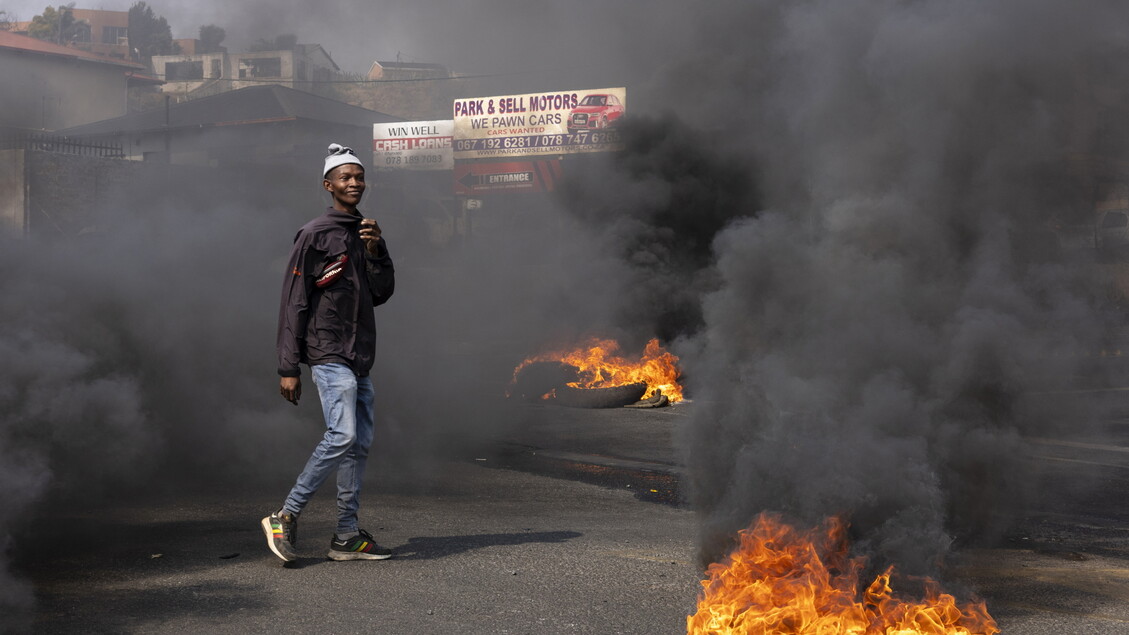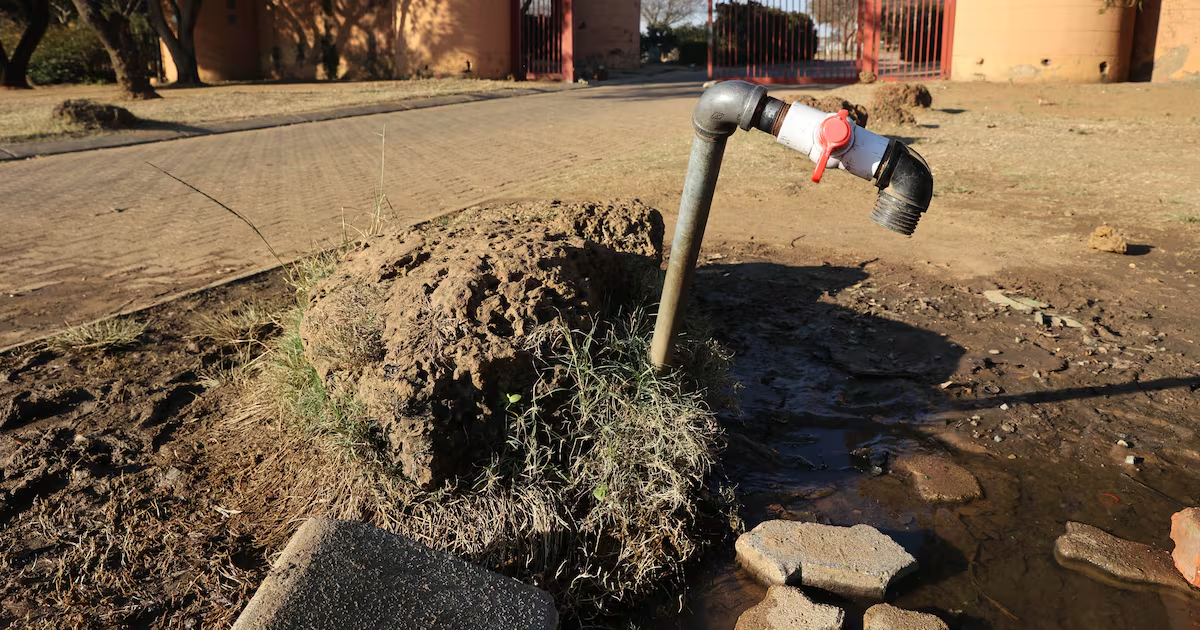
When residents of Ratanda near Heidelberg, Gauteng, took to the streets protesting over prolonged water outages, it came as little surprise. Roads were blocked, property was damaged, police were deployed and violence erupted. The protests took a darker turn when, tragically, lives were lost.Many South Africans have learnt that protest is the only language the state understands. While it was generally associated with indigent communities, we have seen middle-class communities also taking to the streets. Protest helped defeat apartheid, and for many it remains the most effective way of compelling government to listen. When democratic institutions cease to hear citizens, the streets become the arena in which citizenship is asserted and accountability is demanded.Water has become far more than a basic service. It has become a measure of democratic citizenship. Every dry tap raises deeper questions: Who counts? Who is heard? Whose constitutional rights matter? These questions are particularly acute in township communities that have endured years of unreliable water supply and repeated municipal failure.My doctoral research on water insecurity and expressions of citizenship in Madibeng found that residents rarely began with protest. They reported faults; submitted memorandums of grievances; attended ward meetings; approached councillors; and waited ― often for months. Water tankers were dispatched with dirty water sometimes. Protest emerged not as the first response but as the final expression of frustration when every institutional avenue had failed – the last resort. South Africa has a long history of expressing political grievance through collective action. During apartheid, toyi-toying became one of the defining symbols of resistance. More than a dance or chant, it was a public declaration of political presence by people who had been excluded from formal political participation. It communicated that communities would no longer remain silent. It was also a show of solidarity among those sharing the same grievance. Today, toyi-toying, road blockades, burning tyres and marches have become familiar features of what are commonly labelled “service delivery protests”. Yet that description understates what is really taking place. These are not simply protests about broken infrastructure or interrupted water supply, but expressions of citizenship. Communities are asserting their right to be recognised, heard and treated with dignity by a democratic state that too often appears absent until unrest erupts.South Africa has frequently been described as one of the world’s protest capitals. This reflects more than public anger; it reflects a growing belief that peaceful administrative processes seldom produce meaningful results, while collective disruption often does. The lesson many communities have learnt is painfully simple: if you want the government to listen, you must make governing impossible.The history of water protests illustrates this trajectory. Campaigns against water privatisation and prepaid meters in the early 2000s evolved into broader struggles over unreliable supply, sanitation and municipal failure. From Ficksburg to Mothutlung and now Ratanda. Communities demand water; local government is lethargic. Protest escalates. Police are deployed. Sometimes people die.These events go beyond law and order. Protest is not merely an interruption of democracy; it is often a response to the failure of democratic institutions to fulfil their constitutional obligations. It is a constitutional right. For many communities, taking to the streets is not a rejection of democracy but an attempt to make democracy work.A democracy should not require burning tyres before leaking pipes are repaired. Citizens should not have to block roads before municipalities answer telephones, fix infrastructure and deliver basic services. Nor should access to water, a constitutional right, depend on a community’s ability to mobilise hundreds or even thousands of frustrated residents.Ratanda is evidence of a deeper democratic failure. It reminds us that when institutions stop listening, citizens find other ways to make themselves heard.The government, from national to local, must recognise that access to water is not only a constitutional obligation but also a test of democratic legitimacy. Equally important, those responsible for managing public protest must be properly trained in public-order policing. Otherwise, South Africa risks repeating the tragedies of Ficksburg, Mothutlung and, now, Ratanda.• Dr Kaziboni is a senior researcher at the Centre for Social Development in Africa (CSDA) at the University of Johannesburg. He writes in his personal capacity.Business Day
ANTHONY KAZIBONI | Water protests expose a deeper crisis of democratic accountability
Communities are forced to turn to protest when institutions fail to respond
688 words~3 min read