Story audio is generated using AI
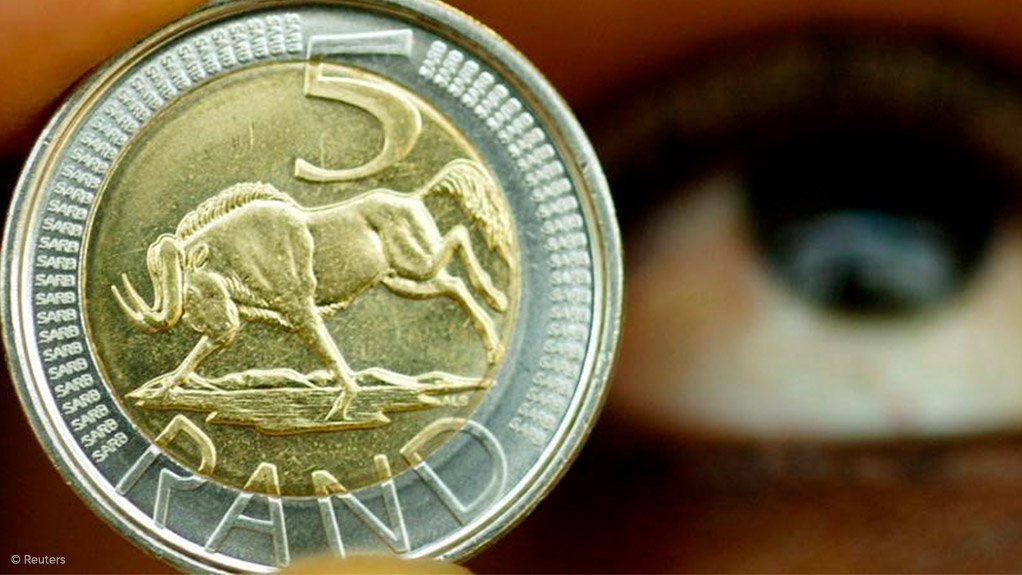
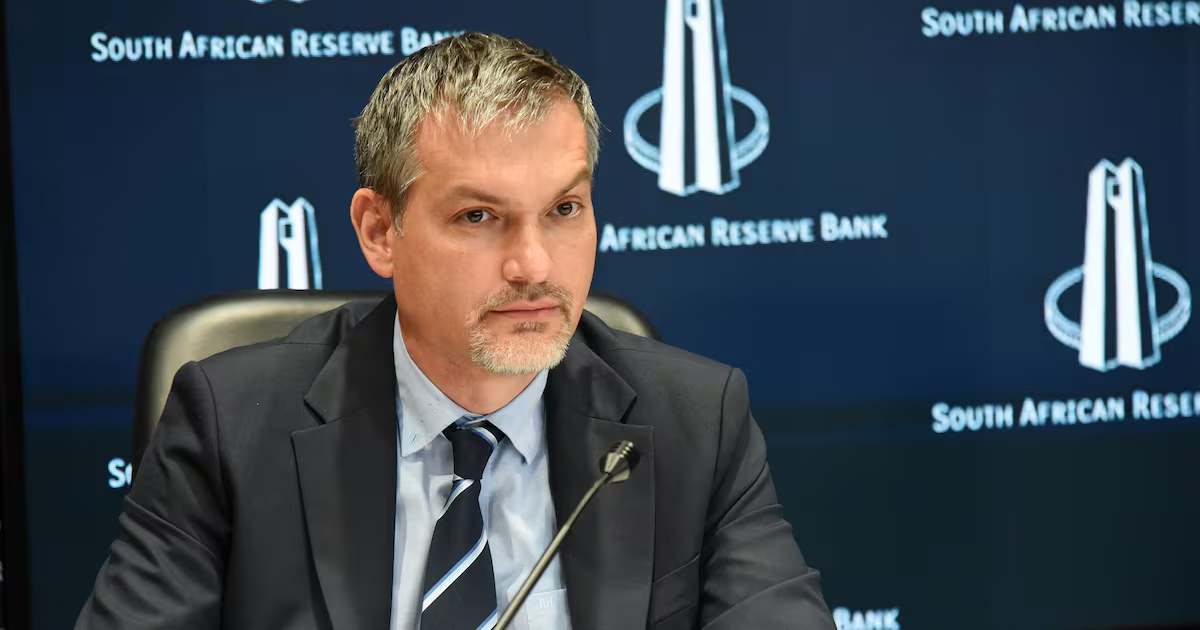
South Africa’s macroeconomic buffers helped limit the rand’s losses during the war between Iran and the US, according to the South African Reserve Bank’s newly appointed head of economic research.Konstantin Makrelov said the currency’s relative resilience reflects a deliberate build-up of policy credibility rather than favourable global conditions, underscoring the value of years of prudent fiscal and monetary management in cushioning the economy against external shocks.Appointed to head the Bank’s economic research department in May, Makrelov said in an interview on the sidelines of the African Economic Conference in Abidjan that South Africa has spent the past year building macroeconomic buffers that helped contain the currency’s losses when the conflict broke out.“A more fragmented world increases global uncertainty,” Makrelov said, speaking in his first interview since taking up the role.He pointed to three changes made over the past 12 months, including a lowered inflation target, a move he said improved monetary policy credibility and improved fiscal metrics. The value of the country’s foreign exchange reserves has also increased significantly.“Having these buffers in place — and I’m not saying that this is the only reason, but I think it’s one of the reasons — the rand, during the last large shock, which is the Iran-US war, has been a lot more resilient than in previous episodes,” Makrelov said.The comments echo earlier remarks made during the week by Prudential Authority CEO Fundzi Tshazibana, who said South Africa is now more resilient to external shocks than it was five years ago during the coronavirus pandemic and more resilient than during the market turmoil after Russia’s invasion of Ukraine.“You’re much better off facing a large global shock with good monetary and fiscal policy than in a situation where you’ve got debt-to-GDP ratios that are continuously rising or you’re entering the crisis with a very high inflation rate,” Makrelov said.“But if you look at the movement of the rand, [it] suggests that there is some resilience. Does it mean that we’re resilient to all shocks? And of course, we need to build more buffers and more macroeconomic space. But the important thing is that you’re much better off facing a large global shock.”Makrelov said the rand’s value is shaped by external and domestic factors and that recent history shows domestic policy credibility can matter as much as global sentiment.He referenced the market reaction following the so-called Nene crisis in December 2015, when then-president Jacob Zuma’s abrupt removal of finance minister Nhlanhla Nene triggered a sharp sell-off in the rand and in South African government bonds as an example of how financial markets can discipline governments through currency and borrowing costs.Improved resilience does not mean immunity, he said, and the country still needs to build further buffers and macroeconomic space to withstand future shocks.Read: US-Iran war has added strain to financial system, Prudential Authority saysThe Bank’s half-yearly financial stability review finds that South Africa’s financial system has become more vulnerable since the outbreak of the Iran-US war, citing weaker growth prospects, higher inflation, rising costs and tighter financial conditions weighing on household and corporate balance sheets. The Prudential Authority, the Bank’s regulatory arm, said on Friday that the conflict added further strain to a financial system that had shown signs of stabilising toward the end of last year.Makrelov made his remarks on the sidelines of the African Economic Conference, hosted last week by the African Development Bank, the UN Development Programme and the OECD. Central bank officials from across the continent used the conference to discuss how African economies can better withstand shocks originating far from their borders, from conflict in the Middle East to shifting trade and capital flows between major powers.• Business Day’s coverage of the African Economic Conference was made possible by the African Development Bank.